


Published on: November 10, 2025 | Updated on: November 10, 2025
Metal Detectors With Pinpointer: Essential Breakthroughs
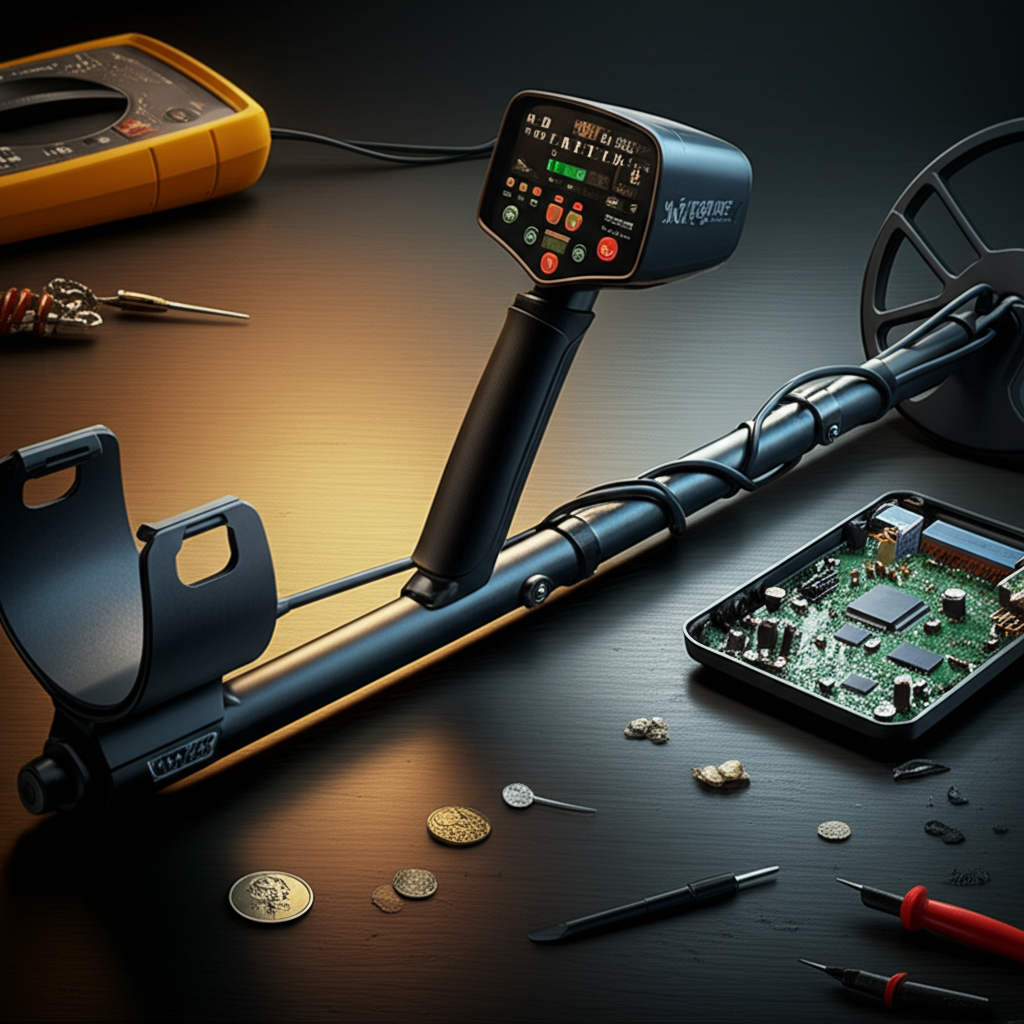
Metal detectors with pinpointers are a game-changer for treasure hunters. They combine powerful detection with precise target location, saving time and effort in the field. This guide explores their essential breakthroughs and how they make finding treasures easier.
Finding treasure with a metal detector can be exciting. Sometimes, it’s hard to pinpoint the exact spot of a find. This makes digging take longer. It can also lead to bigger holes than needed. Having a metal detector that works well with a pinpointer solves this problem. It helps you find your target faster and dig smarter. I’ll guide you through why these tools are so important.
What is a Pinpointer and Why is it Essential?
A pinpointer is a small, handheld metal detector. It helps you find the exact location of a target once you’ve dug a plug of dirt. Think of it like a super-precise pointer for your buried treasure. Without one, you might dig a large hole, moving lots of soil around. This is time-consuming and can disturb the ground more than necessary. A pinpointer lets you quickly scan the dirt plug or the sides of your hole. It beeps or vibrates faster as you get closer to the metal object. This makes recovery much quicker and more efficient.
The Evolution of Metal Detectors and Pinpointers
Early metal detectors were quite basic. They could tell you something metal was nearby. But finding the exact spot was often guesswork. Pinpointers were separate tools that came later. They were often simple vibrating devices. As technology improved, manufacturers started integrating pinpointer functions. Some detector coils became more sensitive. Others developed specific modes for pinpointing. This led to the modern metal detectors with built-in or closely paired pinpointer capabilities. These advancements make treasure hunting more enjoyable for everyone.
Integrated Pinpointer Technology: The Big Leap Forward
The biggest breakthrough is having the pinpointer function built right into the metal detector. Many modern detectors have a “pinpoint mode.” You activate this mode when you think you’re close to a target. The detector’s display might show a signal strength meter. It also often gives an audible tone that gets louder and faster. This tells you when you’re directly over the object. Some detectors even have a dedicated button for this. This integration means you don’t need a separate device for initial pinpointing. It streamlines the entire finding process from start to finish.
How Integrated Pinpointers Work

When you switch to pinpoint mode, the detector’s search coil becomes more sensitive. It focuses its detection field. Instead of sweeping a wide area, it concentrates on a small spot. When the coil passes over the target, it sends a signal. This signal is translated into an audio alert or a visual indicator. The closer you are to the metal, the stronger the signal. This allows you to narrow down the target’s location to a very small area. It’s like having a spotlight on your treasure.
Benefits of Using Metal Detectors with Pinpointers
The advantages of using a metal detector with a pinpointer are numerous. They save you a lot of time. You spend less time digging large holes. You also recover your finds more easily. This means less frustration and more success. It also helps you be a more responsible detectorist. You can dig smaller plugs, disturbing the ground less. This is important for preserving historical sites and natural areas. Plus, recovering targets quickly means you can move on to the next spot faster.
Faster Target Recovery: Pinpointing speeds up finding the exact object.
Reduced Digging: Smaller holes mean less soil to move.
Less Ground Disturbance: Protects the environment and historical sites.
Increased Efficiency: Find more in less time.
* Higher Success Rate: Less chance of losing a small or delicate target.
Types of Metal Detectors with Pinpointer Features
There are a few ways pinpointer technology is offered. Some detectors have a dedicated pinpoint mode. Others come with a separate, matching pinpointer that works wirelessly with the main unit. More advanced models might even have the pinpointer built into the search coil itself. Each type has its own advantages. A dedicated mode is convenient as it’s always there. A separate pinpointer offers flexibility. A coil-integrated pinpointer can be the most streamlined option. I’ve used detectors from brands like Garrett, Minelab, and Nokta Makro, and they all offer great options.
Detectors with Pinpoint Modes
Many entry-level and mid-range detectors feature a simple pinpoint mode. You press a button, and the detector’s audio changes. It becomes a continuous tone that gets louder and higher pitched as you get closer to the target. This is very effective for most coin and relic hunting. It’s a great starting point for beginners.
Detectors with Wireless Pinpointer Compatibility
Higher-end detectors often come with a companion pinpointer. This pinpointer usually connects wirelessly to the main detector. When you get a signal on your main detector, you can switch to the pinpointer. It will then guide you to the exact spot. This offers great precision and convenience.
Coil-Integrated Pinpointers
Some very specialized detectors have a pinpointer built directly into the search coil. This is the most advanced setup. It offers the ultimate in speed and accuracy. However, these detectors can be more expensive.
Choosing the Right Metal Detector with Pinpointer for You
Selecting the perfect metal detector with pinpointer depends on your needs. Consider what you want to find. Are you looking for coins, jewelry, or historical relics? Think about where you’ll be detecting. Will it be parks, fields, or beaches? Your budget is also a key factor. For beginners, a detector with a good built-in pinpoint mode is often best. Experienced detectorists might prefer a detector with wireless pinpointer compatibility for added flexibility. Always read reviews and compare features.
When I started, I used a basic detector with a simple pinpoint mode. It worked well for finding coins in parks. Later, I invested in a detector with a wireless pinpointer. The difference in recovery speed was amazing. It allowed me to dig smaller plugs and find targets much faster.
Advanced Features and Technologies
Modern metal detectors with pinpointers boast impressive technology. This includes multi-frequency operation, which allows detection of different targets in various soils. Waterproof coils and detectors are common, opening up beach and underwater detecting. Target ID systems help you identify what you’ve found before digging. Some detectors offer wireless headphone connectivity. These features enhance your detecting experience significantly. The integration of pinpointer technology is just one part of this overall advancement.
Multi-Frequency Detection
Some detectors can operate on multiple frequencies at once. This helps them detect a wider range of targets. It’s especially useful for finding small gold nuggets or thin relics. Different frequencies are better for different types of metal.
Waterproof Designs
Many detectors and their coils are fully waterproof. This means you can detect in shallow water or on the beach. It greatly expands the places you can search for treasure.
Target ID and Discrimination
Target ID numbers help you guess what the object is. Discrimination settings let you ignore unwanted targets like iron. These features help you focus on valuable finds.
Tips for Effective Pinpointing
Once you have a metal detector with a pinpointer, practice is key. Learn how your detector’s pinpoint mode works. Listen to the tones and watch the display. When you dig a plug, gently place it aside. Use your pinpointer to scan the soil plug first. Then, scan the hole itself. Move the pinpointer slowly and deliberately. When it beeps fastest or vibrates strongest, you’re close. Carefully dig around that spot to expose your target. Always retrieve your target completely.
Practicing Your Pinpointing Skills
The best way to get good at pinpointing is to practice. Bury a few coins or small metal objects in your yard. Then, use your detector and pinpointer to find them. Try to recover them with the smallest possible hole. This will help you understand how your equipment works. It will also build your confidence for real-world detecting.
Maintaining Your Metal Detector and Pinpointer
Proper care ensures your equipment lasts. Always clean your detector and pinpointer after each use. Rinse off dirt and mud. Pay special attention to the coil and the pinpointer tip. Store your equipment in a dry, safe place. Check the batteries regularly and replace them when needed. Refer to your detector’s manual for specific maintenance instructions. A well-maintained detector is a reliable detector.
Frequently Asked Questions
What is the best metal detector with a pinpointer for beginners?
Many entry-level detectors from brands like Garrett (e.g., Ace series) or Minelab (e.g., Vanquish series) offer excellent pinpoint modes. They are user-friendly and effective for common targets like coins and jewelry.
Do I really need a separate pinpointer if my detector has a pinpoint mode?
While a pinpoint mode is helpful, a dedicated handheld pinpointer offers superior precision and speed, especially for locating small targets within a dug plug or a larger hole. It’s an essential tool for efficient recovery.
Can I use a pinpointer in saltwater?
Yes, many modern pinpointers are waterproof and designed for use in saltwater. However, always check the specifications of your specific pinpointer to ensure it’s rated for saltwater immersion.
How do I avoid damaging my finds while pinpointing?
Be gentle and slow your movements when using the pinpointer. Scan the soil plug first before probing the hole. If your detector has target ID, use it to gauge the target’s likely size and composition to anticipate fragility.
What is the most common thing people find with metal detectors?
The most common finds are usually modern coins, pull tabs from cans, and small pieces of iron. With more advanced detectors and practice, people also find older coins, jewelry, and historical relics.
Conclusion: The Undeniable Advantage of Pinpointers
Metal detectors with pinpointers represent a significant leap forward in treasure hunting technology. They streamline the entire process, from initial detection to final recovery. The ability to quickly and accurately locate targets saves time, reduces frustration, and leads to more successful hunts. Whether you’re a beginner or an experienced detectorist, integrating a pinpointer into your setup is an essential upgrade. It allows for more efficient, precise, and responsible detecting. Investing in a quality metal detector with pinpointer capabilities will undoubtedly enhance your outdoor exploration and treasure-finding adventures.
