


Published on: September 13, 2025 | Updated on: September 13, 2025
Discover how minimalist standing desks can transform your home office into a streamlined, productive, and stylish sanctuary, essential for ultimate comfort and efficiency.
Are you tired of a cluttered home office that drains your energy and stifles your creativity? The struggle to balance functionality with a serene aesthetic is real, especially when trying to incorporate essential tools like desks. Many of us dream of a workspace that’s not only efficient but also a joy to be in. This guide will walk you through creating that perfect minimalist standing desk setup, ensuring your home office becomes your ultimate productivity hub. Get ready to transform your workspace into a haven of focus and style.
Why a Minimalist Standing Desk is Your Home Office Game-Changer
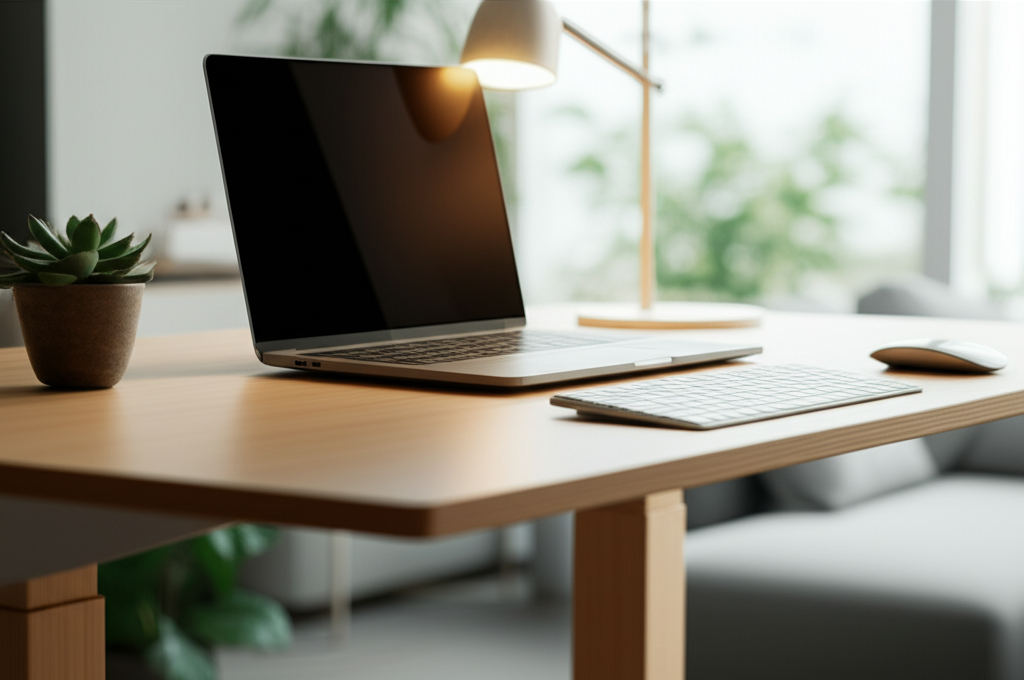
A minimalist standing desk is more than just furniture; it’s a philosophy for your workspace. It champions simplicity, decluttering your physical and mental space to foster greater focus and productivity. By choosing a minimalist design, you eliminate visual distractions, allowing your work to take center stage. This approach is particularly beneficial for home offices, where the lines between work and life can easily blur.
Embracing a minimalist standing desk setup means prioritizing essential elements and letting go of the superfluous. It’s about creating an environment that supports your well-being and workflow, not one that adds to your stress. This intentional design choice can significantly impact your energy levels and overall work satisfaction.
The Core Principles of Minimalist Standing Desk Design
Minimalism in a standing desk setup is about intentionality and purpose. Every item on your desk should serve a function or bring you joy, eliminating anything that doesn’t contribute to your productivity or peace of mind. This principle extends beyond just the desk itself to the entire workspace. It’s about creating a harmonious environment where less truly is more.
Key to this design is an uncluttered surface, allowing for free movement and a clear mind. Think clean lines, neutral colors, and smart organization to keep everything tidy and accessible. This deliberate approach ensures your workspace actively supports your focus rather than hindering it.
Decluttering for Clarity and Focus
The first step towards a minimalist standing desk is a thorough decluttering of your current workspace. Before you even think about new furniture, take stock of what you actually use and need. A cluttered desk often leads to a cluttered mind, making it difficult to concentrate on important tasks.
Identify items that are duplicates, rarely used, or purely decorative without adding significant value to your work environment. Be ruthless yet practical; the goal is to create space for what truly matters. This process will free up not only physical space but also mental bandwidth.
Embracing Simplicity in Form and Function
When selecting a minimalist standing desk, prioritize designs that are sleek, understated, and free from unnecessary embellishments. The beauty of minimalism lies in its clean lines and unadorned surfaces. Functionality should be paramount, but executed with elegant simplicity.
Consider desks with built-in cable management systems to keep wires hidden and maintain a tidy appearance. The desk’s primary function is to support your work, so choose a design that does so without drawing undue attention to itself. Simplicity enhances the overall aesthetic and your ability to focus.
The Power of Strategic Organization
Even with a minimalist approach, organization is crucial for a functional standing desk. Think about how you can store essential items neatly and accessibly without creating visual clutter. This might involve using slim monitor risers, discreet desk organizers, or wall-mounted shelves.
Every item should have a designated place, making it easy to put things away and maintain the clean aesthetic. Smart organization is the backbone of a truly effective minimalist workspace, ensuring efficiency and calm.
Essential Features of the Best Minimalist Standing Desks
Choosing the right minimalist standing desk involves looking beyond just aesthetics. Several functional features are essential for ensuring it supports your work habits and ergonomic needs effectively. These elements contribute significantly to the desk’s overall performance and your comfort throughout the day.
A good minimalist standing desk should be sturdy, offer smooth height adjustment, and provide ample surface area for your core work tools. Considering these aspects upfront will help you find a desk that truly enhances your home office experience.
Sturdy Construction and Stability
A stable desk is non-negotiable, especially when you’re alternating between sitting and standing. Look for desks constructed from high-quality materials like solid wood or durable metal frames. The last thing you want is a wobbly surface that distracts you or risks your equipment.
Check reviews for comments on stability, particularly at standing height. A well-built desk provides a secure foundation for your work, allowing you to focus without worry. This stability is fundamental to a comfortable and productive workspace.
Smooth and Reliable Height Adjustment
The primary benefit of a standing desk is its adjustable height, so the mechanism for this adjustment must be smooth and reliable. Electric standing desks offer the easiest and most frequent adjustments, often with memory presets to quickly switch between your preferred sitting and standing heights. Manual crank or pneumatic options are also available, though they require more effort.
Consider how often you plan to switch positions. If it’s frequently, an electric model with quick adjustment speeds will be the most beneficial. Smooth transitions are key to maintaining workflow and ergonomic benefits.
Ample Surface Area (Without the Clutter)
While minimalism advocates for less, you still need sufficient space for your essentials. A minimalist standing desk shouldn’t feel cramped. Measure your current setup and consider what you absolutely need on your desk: monitor(s), keyboard, mouse, and perhaps a notebook.
The ideal surface area allows you to arrange these items comfortably without feeling like you’re working on a postage stamp. Aim for a balance between a spacious feel and a surface that encourages you to keep it tidy. A thoughtfully sized desk supports both your work and your minimalist aesthetic.
Integrated Cable Management Solutions
Visible cables can instantly ruin a minimalist aesthetic. Look for standing desks that come with built-in cable trays, grommets, or management systems. These features help to conceal wires and keep your desk surface clean and organized.
Effective cable management is a hallmark of a well-designed minimalist workspace. It contributes significantly to the overall sense of calm and order, allowing you to focus on your tasks.
Top Minimalist Standing Desk Picks for Your Ultimate Home Office
Finding the perfect minimalist standing desk can feel overwhelming with so many options available. To help you navigate this, I’ve curated a list of highly-regarded desks that blend minimalist design with excellent functionality. These selections prioritize clean aesthetics, sturdy build, and smooth operation, making them ideal for your ultimate home office.
Each desk below offers a unique approach to minimalist design, catering to different needs and budgets. My goal is to provide you with reliable choices that will help you create a workspace that is both inspiring and highly productive.
The Sleek & Simple All-Rounder
For those seeking a clean, no-fuss design, the [Brand Name Example 1] offers a beautiful, solid wood surface paired with a whisper-quiet electric lift system. Its minimalist frame comes in various finishes, allowing it to seamlessly blend into any home office décor. The integrated cable management system is discreet yet effective, keeping your workspace tidy. This desk is perfect for individuals who appreciate natural materials and a straightforward, elegant design that prioritizes function.
Pros: High-quality materials, very stable, quiet operation, excellent cable management.
Cons: Can be on the pricier side, limited customization options for the frame.
This type of desk exemplifies how minimalist design can be both beautiful and highly practical for daily use. It serves as a solid foundation for a focused and serene workspace.
The Compact Powerhouse
If space is a premium, the [Brand Name Example 2] is an excellent choice. This minimalist standing desk features a surprisingly spacious desktop for its footprint, often with a clever built-in drawer or shelf for discreet storage. Its electric lift is smooth and quick, perfect for frequent transitions. The clean lines and modern finishes make it an attractive addition to any compact home office.
Pros: Space-efficient design, often includes storage, smooth electric lift.
Cons: Surface area might be limiting for multi-monitor setups.
This option proves that minimalism doesn’t mean sacrificing utility, especially in smaller living spaces. It’s designed to maximize efficiency in every square inch.
The Ergonomic Champion
The [Brand Name Example 3] stands out for its advanced ergonomic features within a minimalist frame. It often includes programmable height presets, anti-collision sensors, and a wider range of height adjustment, accommodating users of all statures. The surface is typically a durable laminate or wood veneer, keeping the aesthetic clean and modern. This desk is ideal for those who prioritize health and comfort alongside a streamlined look.
Pros: Advanced ergonomic features, wide height range, durable surface.
Cons: May have a higher price point due to advanced features.
Investing in an ergonomic champion ensures your long-term health and comfort are paramount in your workspace. It supports a dynamic and healthy work posture.
Beyond the Desk: Creating Your Minimalist Home Office Ecosystem
A minimalist standing desk is a fantastic starting point, but creating the ultimate home office requires a holistic approach. Think about how every element in your workspace contributes to its overall feel and functionality. This ecosystem should support your productivity and well-being, making your home office a place you want to be.
Consider the interplay between your desk, chair, lighting, and accessories. Each component plays a role in fostering a calm, organized, and efficient environment. Let’s explore how to build this harmonious setup around your minimalist standing desk.
The Ergonomic Chair: Your Sitting Counterpart
While you’ll be standing, you’ll still need a comfortable and supportive chair for periods of sitting. For a minimalist office, opt for a chair with clean lines and adjustable features that doesn’t visually dominate the space. Look for breathable materials and excellent lumbar support to maintain good posture.
A well-designed ergonomic chair complements your standing desk by ensuring comfort and health benefits regardless of your position. It’s an essential part of a balanced home office setup.
Smart Lighting for Productivity and Ambiance
Good lighting is crucial for reducing eye strain and boosting mood and productivity. In a minimalist office, aim for layered lighting: ambient light from a ceiling fixture, task lighting from a sleek desk lamp, and natural light from a window if possible. Avoid harsh, overhead fluorescent lights.
A minimalist desk lamp with adjustable brightness and color temperature can make a significant difference. It provides focused light where you need it without adding clutter. Proper illumination is key to a comfortable and effective workspace.
Essential Minimalist Accessories
Keep accessories to a bare minimum, focusing on those that enhance productivity and organization. This might include a single, high-quality monitor, a slim keyboard and mouse, and perhaps a small, elegant notebook. Cable organizers, like Velcro ties or a cable management sleeve, are invaluable for maintaining a clean look.
Consider a monitor arm to free up desk space and improve ergonomics. Also, a simple desk mat can define your workspace and protect your desk surface. Each chosen accessory should serve a clear purpose.
Thoughtful Décor and Personal Touches
Minimalism doesn’t mean a sterile environment. Incorporate a few carefully chosen decorative items that bring you joy and inspiration, such as a small plant, a piece of art, or a framed photograph. These elements add personality without creating visual clutter.
The key is restraint; select items that resonate with you and contribute to a sense of calm and focus. This personalization makes your workspace uniquely yours, fostering a more engaging environment.
Optimizing Your Minimalist Standing Desk Workflow
Having a minimalist standing desk is the first step; the next is to optimize how you use it to maximize productivity and well-being. This involves establishing healthy habits and routines that leverage the benefits of standing and sitting throughout your workday. It’s about creating a dynamic workflow that keeps you energized and focused.
Implementing these strategies can transform your experience with your standing desk, making it an even more powerful tool for success. Let’s explore how to make the most of your minimalist setup.
The 30/30 Rule and Beyond
A popular recommendation for standing desks is the 30/30 rule: stand for 30 minutes, then sit for 30 minutes. However, this is just a starting point. Pay attention to your body and adjust the intervals based on your comfort and energy levels. Some days you might stand more, other days less.
The goal is to find a rhythm that works for you, preventing fatigue and promoting circulation. Listen to your body’s cues and don’t force yourself into a rigid schedule if it doesn’t feel right. Dynamic movement is key.
Incorporating Movement and Stretches
Standing desks encourage more movement, but actively incorporating stretches and small exercises can further enhance the benefits. Simple calf raises, gentle twists, or shoulder rolls can be done right at your desk. Consider a small anti-fatigue mat to provide cushioning and encourage subtle foot movements.
Regular movement helps combat stiffness and keeps your blood flowing, which is vital for sustained energy and focus. These micro-movements are surprisingly effective in preventing discomfort.
Utilizing Desk Presets for Efficiency
If your standing desk has memory presets, use them to your advantage. Program your ideal sitting and standing heights, and perhaps even an intermediate position. This allows for quick and seamless transitions with the press of a button, minimizing disruption to your workflow.
Efficient transitions mean you’re more likely to switch positions regularly, reaping the full ergonomic benefits. It removes friction from the process, making it effortless to adjust your posture.
Mindful Workspace Practices
Maintain your minimalist aesthetic by adopting mindful workspace practices. After each work session or at the end of the day, take a moment to tidy up your desk, put away stray items, and reset your space. This ensures your minimalist sanctuary remains a place of calm and order.
Consistent tidiness reinforces the minimalist mindset and makes it easier to start each workday with a clear and organized environment. It’s about cultivating a habit of order.
Evaluating and Choosing Your Perfect Minimalist Standing Desk
Selecting the right minimalist standing desk involves careful consideration of your specific needs, workspace, and budget. It’s an investment in your productivity and well-being, so taking the time to research thoroughly is essential. Here’s a structured approach to help you make the best choice.
By following these steps, you can confidently select a minimalist standing desk that perfectly suits your home office and work style. This thoughtful process ensures you’re happy with your purchase for years to come.
Step 1: Assess Your Space and Needs
Measure the area where your desk will be placed, considering height, width, and depth. Think about the essential items you need on your desk: monitor size and number, keyboard, mouse, and any other daily tools. This will help determine the optimal desk size.
Also, consider your primary work activities and how much surface area they require. Do you spread out papers, or work primarily on a laptop? Your specific needs will guide the size and layout of your ideal desk.
Step 2: Determine Your Budget
Minimalist standing desks range significantly in price, from budget-friendly manual options to premium electric models. Set a realistic budget before you start shopping. Remember to factor in potential costs for accessories like a monitor arm or an anti-fatigue mat.
A higher price often reflects better build quality, smoother operation, and advanced features, but there are excellent minimalist options at various price points. Balance your desired features with what you can comfortably afford.
Step 3: Prioritize Features and Materials
List the must-have features: electric vs. manual lift, height range, stability, cable management, and surface material. For a minimalist aesthetic, clean lines and durable, non-reflective surfaces are often preferred. Consider the weight capacity if you have multiple heavy monitors or equipment.
The material of the desktop (e.g., solid wood, laminate, bamboo) and the frame (e.g., steel, aluminum) will affect durability, aesthetics, and cost. Choose materials that align with your style and functional requirements.
Step 4: Read Reviews and Compare Models
Once you have a shortlist of desks that meet your criteria, dive into customer reviews. Look for feedback on stability, ease of assembly, noise level of the motor (for electric desks), and overall durability. Websites like ToolGuider often provide in-depth reviews and comparisons that can be invaluable.
Comparing specifications and user experiences across different models will help you identify potential drawbacks and confirm the strengths of your preferred choices. This due diligence is key to a successful purchase.
Frequently Asked Questions About Minimalist Standing Desks
Q1: What exactly is a minimalist standing desk?
A minimalist standing desk is a height-adjustable desk designed with clean lines, uncluttered surfaces, and a focus on essential functionality. It aims to create a serene and productive workspace by minimizing visual distractions and promoting efficient use of space.
Q2: Are minimalist standing desks good for my health?
Yes, they are. By allowing you to easily switch between sitting and standing, they encourage better posture, reduce sedentary time, improve circulation, and can alleviate back pain. This dynamic movement is beneficial for overall health and well-being.
Q3: How much space do I need for a minimalist standing desk?
The space required depends on the desk size you choose, which should be based on your needs. Minimalist desks come in various sizes, from compact models for small spaces to larger ones for extensive setups. Measure your intended area and choose a desk that fits comfortably.
Q4: What are the best materials for a minimalist standing desk?
Common materials include solid wood (like oak, walnut, or bamboo) for a natural aesthetic, and durable laminates or engineered wood for a more budget-friendly and easy-to-clean option. Metal frames (steel or aluminum) provide stability and a modern look.
Q5: Do I need special accessories for a minimalist standing desk?
While not strictly necessary, accessories like a monitor arm, cable management solutions, and an anti-fatigue mat can enhance your experience. These help maintain the minimalist aesthetic and improve ergonomics, but choose them intentionally to avoid clutter.
Q6: How often should I switch between sitting and standing?
There’s no single rule, but a common guideline is the 30/30 rule (30 minutes standing, 30 minutes sitting). It’s best to listen to your body and find a rhythm that feels comfortable and keeps you energized. Regular movement is more important than a strict schedule.
Q7: Are minimalist standing desks difficult to assemble?
Most minimalist standing desks are designed for straightforward assembly, often with clear instructions and included tools. However, complexity can vary by model. Reading reviews can give you an idea of the assembly process for specific desks.
Conclusion: Elevate Your Home Office with a Minimalist Standing Desk
Creating an ultimate home office is a journey towards a more productive, comfortable, and inspiring workspace. At the heart of this transformation lies the minimalist standing desk. By embracing simplicity, functionality, and ergonomic principles, you can design a sanctuary that fuels your focus and creativity.
A minimalist standing desk isn’t just a piece of furniture; it’s a commitment to a more intentional way of working. It encourages movement, reduces clutter, and promotes a sense of calm that is invaluable in today’s busy world. I encourage you to explore the options, consider your needs, and invest in a setup that truly supports your professional and personal well-being. Your future productive self will thank you.
