


Published on: September 9, 2025 | Updated on: September 9, 2025
Non Tarnish Gold Earrings: Essential, Stunning Styles for Lasting Shine
Keep your gold earrings looking their best with these essential, stunning styles that resist tarnishing, ensuring you always have a radiant accessory ready to go.
Tired of your favorite gold earrings losing their luster, developing that dull, greenish hue? It’s a common frustration, especially when you invest in pieces you want to last. The good news is, with the right materials and styles, you can enjoy beautiful, non tarnish gold earrings that stay brilliant for years. This guide will walk you through everything you need to know, from understanding why gold tarnishes to exploring the most stunning and durable styles available.
Why Do Gold Earrings Tarnish (and How to Avoid It)?
Tarnishing, that unsightly discoloration on metal, is often mistaken for a sign of poor quality. However, it’s a chemical reaction between the metal and elements in the environment, primarily sulfur. Pure gold is incredibly resistant to corrosion and tarnish. The problem arises when gold is mixed with other metals, like copper or silver, to create alloys that make it stronger and more affordable. These alloy metals react with oxygen and sulfur compounds in the air and on your skin, leading to tarnish.
Understanding Gold Karats and Tarnish Resistance

The karat (K) rating of gold indicates its purity. Higher karats mean more pure gold and less of the alloy metals that cause tarnishing. For instance, 24K gold is 99.9% pure and virtually untarnishable, but it’s too soft for everyday jewelry. 18K gold (75% pure gold) offers a good balance of durability and tarnish resistance. 14K gold (58.3% pure gold) is a popular choice, offering excellent durability, though it may show slight signs of wear over time compared to 18K.
The Role of Alloy Metals in Tarnish
When you see tarnish on gold jewelry, it’s usually the alloy metals reacting. Copper can turn greenish or black, while silver can develop a dark, dull film. The more these base metals are present in the alloy, the higher the likelihood of tarnishing. Understanding these alloys helps you choose gold jewelry designed to minimize these reactions and maintain its shine.
Environmental Factors That Accelerate Tarnish
Exposure to humidity, perfumes, lotions, hairsprays, and even the natural oils on your skin can accelerate the tarnishing process. Sulfur compounds are present in many everyday items, and prolonged contact can cause those less pure gold alloys to react. Storing your jewelry properly and cleaning it regularly are key to preventing this.
What Exactly Are “Non Tarnish Gold Earrings”?
The term “non tarnish gold earrings” often refers to jewelry made from gold alloys that are specifically formulated or treated to resist discoloration. It can also encompass gold-plated or gold-filled items where a thick layer of gold is applied over a base metal, providing a barrier against the underlying material reacting. These options offer the look of gold without the susceptibility to tarnishing seen in lower-karat or less well-made pieces.
Gold Alloys Engineered for Durability
Some manufacturers create special gold alloys designed for enhanced tarnish resistance. These might involve specific ratios of alloying metals or the inclusion of trace elements that inhibit oxidation. While they still contain some alloy metals, their formulation prioritizes longevity and a consistent shine, making them excellent choices for everyday wear.
The Appeal of Gold Vermeil and Gold-Filled Jewelry
Gold vermeil is sterling silver plated with a thick layer of gold. Gold-filled jewelry features a much thicker layer of gold bonded to a base metal through mechanical heat and pressure. Both offer a substantial gold appearance and are generally more resistant to tarnishing than standard gold plating. These options provide a beautiful, lasting gold look at a more accessible price point than solid gold.
Understanding Plating Thickness and Quality
When considering plated gold earrings, the thickness of the gold layer is crucial. Thicker plating, as found in gold vermeil or high-quality gold-filled items, offers better durability and tarnish resistance. Cheaper gold-plated jewelry often has a very thin layer that can wear off quickly, exposing the base metal and leading to rapid tarnishing. Always look for descriptions that specify plating thickness or quality.
Essential Styles of Non Tarnish Gold Earrings
Choosing the right style can enhance both the longevity and the aesthetic appeal of your gold earrings. From classic studs to elegant hoops, certain designs lend themselves well to durable, non-tarnish materials, ensuring you always have a go-to accessory.
Classic Gold Studs: Timeless Elegance
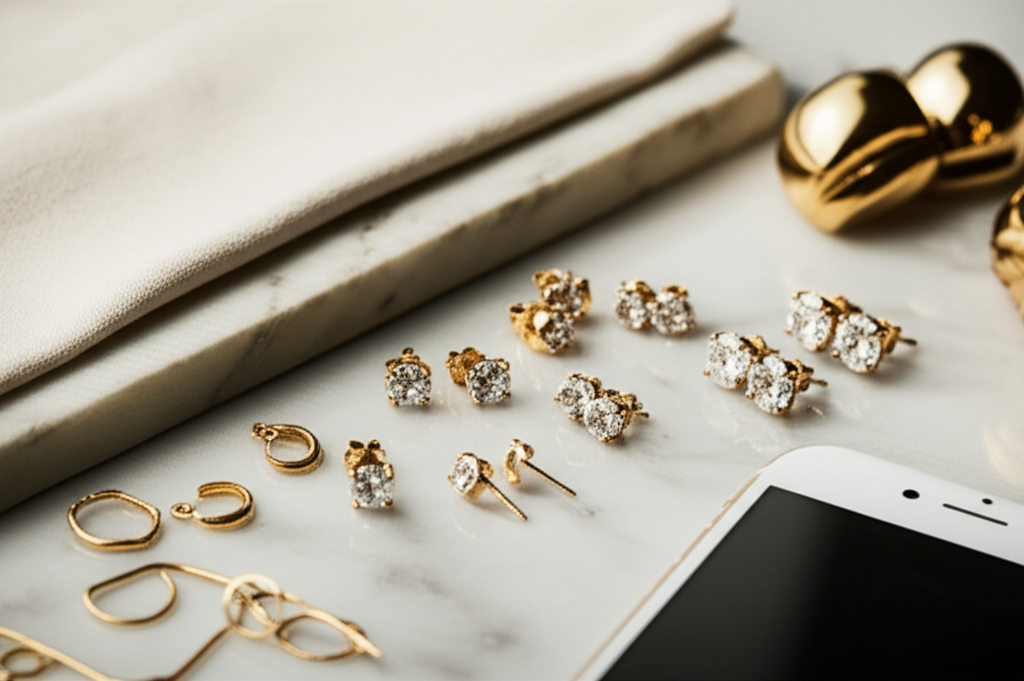
Gold stud earrings are a staple in any jewelry collection. For non-tarnish options, look for solid 14K or 18K gold studs, or those made from high-quality gold vermeil or gold-filled materials. Simple solitaire studs, delicate knots, or tiny geometric shapes are perfect for everyday wear and will maintain their shine beautifully.
Hoops: From Subtle to Statement
Gold hoops are incredibly versatile, ranging from thin, delicate huggies to bold, chunky designs. Non-tarnish hoops are often crafted from 14K gold or are gold-filled, ensuring they withstand daily exposure. Consider the thickness of the hoop; thicker styles might be more prone to showing wear if not made with quality materials.
Dangle and Drop Earrings: Graceful Movement
For a touch of sophistication, dangle or drop earrings add graceful movement. When opting for non-tarnish versions, ensure the gold component is substantial. Look for designs where the main decorative elements are solid gold or heavily plated, minimizing the chance of tarnishing on intricate parts.
Geometric and Modern Designs: Contemporary Chic
Modern styles, featuring clean lines and geometric shapes, are often designed with durability in mind. Many contemporary brands focus on creating pieces that are both stylish and long-lasting. Look for designs in 14K gold or premium plated finishes for a chic, enduring look that won’t tarnish.
Everyday Wear Essentials
For daily use, prioritize comfort and durability. Simple gold-plated huggies, minimalist bar studs, or small hammered gold discs are excellent choices. Their uncomplicated designs mean fewer areas where tarnish can accumulate, and quality construction ensures they remain lustrous through regular wear.
Materials That Guarantee “Non Tarnish” Shine
Achieving a truly “non tarnish” finish on gold earrings relies heavily on the materials used. Beyond pure gold, certain treatments and construction methods ensure lasting brilliance and durability, making your investment worthwhile.
Solid 14K and 18K Gold: The Gold Standard
Solid 14K and 18K gold are the most reliable choices for tarnish resistance. While 14K has more alloy metals than 18K, both are significantly resistant to tarnishing compared to lower karats. These are excellent for everyday wear, offering durability and a beautiful, consistent color.
Gold Vermeil: Sterling Silver with a Thick Gold Layer
Gold vermeil offers a luxurious feel and appearance. It consists of sterling silver coated with a thick layer of gold (typically 2.5 microns or more). This provides excellent tarnish resistance for the gold layer itself, and the sterling silver base is less prone to reacting than cheaper metals.
Gold-Filled: A Durable Gold Layer
Gold-filled jewelry has a thick layer of gold bonded to a base metal core. This layer is significantly thicker than that found in gold-plated items, making it highly durable and resistant to tarnishing and wear. It’s a fantastic option for achieving a lasting gold look without the cost of solid gold.
Hypoallergenic Options and Their Tarnish Resistance
Many non-tarnish gold earrings are also hypoallergenic, using materials like sterling silver or titanium as a base for plating. These materials are less likely to cause allergic reactions and can be combined with quality gold plating to offer both comfort and lasting shine. Always check product descriptions for material details.
Caring for Your Non Tarnish Gold Earrings
Even the best non-tarnish gold earrings benefit from proper care to maintain their gleam. A little effort goes a long way in preserving their beauty and extending their lifespan, ensuring they remain a cherished part of your collection.
Regular Cleaning: The First Line of Defense
The simplest way to keep your non-tarnish gold earrings looking their best is regular cleaning. Use a soft cloth, like a microfiber polishing cloth, to gently wipe away oils and dust after each wear. For a deeper clean, use mild soap and lukewarm water.
What to Avoid During Cleaning
Harsh chemicals, abrasive cleaners, and ultrasonic jewelry cleaners can damage the finish of your earrings, especially if they are plated. Avoid using toothpaste, baking soda, or scrubbing pads, as these can scratch the gold surface or strip away plating. Always opt for gentle methods.
Proper Storage: Protecting Your Investment
Store your non-tarnish gold earrings separately to prevent scratching and tangling. Use a jewelry box with individual compartments or soft pouches. Keeping them away from moisture and direct sunlight will also help preserve their shine and prevent any potential degradation of the materials.
When to Seek Professional Cleaning or Repair
If your earrings develop stubborn tarnish or if a component becomes loose, it’s best to consult a professional jeweler. They have the expertise and tools to safely clean, polish, and repair your jewelry without causing further damage. This is especially important for high-value or intricate pieces.
Styling Non Tarnish Gold Earrings for Any Occasion
The beauty of non-tarnish gold earrings lies in their versatility. They are the perfect accessory to elevate any outfit, from casual daywear to elegant evening attire, ensuring you always look polished and put-together.
Daytime Casual: Effortless Chic
For a relaxed yet stylish look, opt for simple gold studs, small hoops, or delicate chain earrings. Pair them with jeans and a t-shirt, a casual dress, or a cozy sweater. These subtle pieces add a touch of elegance without being overpowering.
Workplace Professional: Polished Sophistication
In a professional setting, subtle and classic styles work best. Consider minimalist gold hoops, elegant pearl studs with a gold accent, or small geometric designs. These pieces convey professionalism and add a refined touch to your office attire.
Evening Glamour: Adding Sparkle and Shine
For evening events, bolder or more intricate non-tarnish gold earrings can make a statement. Think about longer drop earrings, intricate filigree designs, or larger hoops. They can beautifully complement a cocktail dress or an evening gown, adding the perfect finishing touch.
Bridal and Special Occasions: Timeless Adornment
For weddings or significant celebrations, non-tarnish gold earrings in classic or ornate designs are ideal. They offer a timeless elegance that photographs beautifully and complements bridal wear. Look for styles that feel special and will be cherished for years to come.
The Benefits of Investing in Non Tarnish Gold Earrings
Choosing non-tarnish gold earrings offers significant advantages, moving beyond mere aesthetics to provide practical benefits for everyday wear and long-term value.
Durability and Longevity: A Lasting Shine
The primary benefit is their ability to resist discoloration. This means your earrings will look as good as new for much longer, reducing the need for frequent cleaning or replacement. This durability makes them perfect for active lifestyles or frequent wear.
Cost-Effectiveness: Value Over Time
While some non-tarnish options might have a slightly higher upfront cost than the cheapest plated jewelry, their longevity makes them more cost-effective in the long run. You avoid the expense and hassle of replacing tarnished or damaged pieces regularly.
Hypoallergenic Properties for Sensitive Skin
Many non-tarnish gold earrings are made with hypoallergenic materials or have a thick enough gold layer to prevent the base metals from irritating sensitive skin. This ensures comfort for those who experience reactions to standard jewelry.
Effortless Style: Always Ready to Wear
The peace of mind that comes with knowing your earrings won’t tarnish means they are always ready to be worn. You don’t have to worry about last-minute cleaning before heading out, making them incredibly convenient accessories.
Choosing the Right Non Tarnish Gold Earrings: A Buyer’s Guide
Navigating the world of non-tarnish gold earrings can seem complex, but with a few key considerations, you can confidently select pieces that meet your style and durability needs.
Read Product Descriptions Carefully
Always pay close attention to the material composition. Look for terms like “14K gold,” “18K gold,” “gold vermeil,” or “gold-filled.” Understand the micron plating thickness if applicable, as this indicates the quality of the gold layer.
Check for Quality Craftsmanship
Examine the finish and construction of the earrings. Are the clasps secure? Is the gold layer applied evenly? High-quality craftsmanship is a good indicator of durability and a longer-lasting shine. Look for reputable brands known for their quality.
Consider Your Lifestyle and Usage
If you’re highly active or work in environments where jewelry might be exposed to harsh elements, opt for the most durable materials like solid 14K or 18K gold, or high-quality gold-filled items. For less demanding wear, gold vermeil can be a beautiful and lasting choice.
Look for Guarantees and Return Policies
Reputable sellers often offer guarantees against tarnishing or have generous return policies. This provides an extra layer of security and confidence in your purchase, ensuring you can return or exchange the item if it doesn’t meet expectations.
FAQ: Your Top Questions About Non Tarnish Gold Earrings Answered
Here are answers to some common questions about non-tarnish gold earrings to help you make informed decisions.
Will 14K gold earrings tarnish?
Solid 14K gold is highly resistant to tarnishing. While it contains alloy metals, the high percentage of pure gold (58.3%) makes it very durable and unlikely to develop significant tarnish under normal wear conditions. Proper care will ensure it maintains its shine for years.
Is gold-plated jewelry truly non-tarnish?
Generally, no. Standard gold-plated jewelry has a thin layer of gold that can wear off over time, exposing the base metal which then tarnishes. Higher quality plated items like gold vermeil or heavily gold-filled jewelry offer much better tarnish resistance due to their thicker gold layers.
How can I tell if my gold earrings are real and won’t tarnish?
Look for hallmarks indicating the gold purity (e.g., 14K, 18K). For plated items, check for descriptions of gold vermeil or gold-filled, and inquire about plating thickness. Reputable jewelers and brands provide clear material information. Real gold alloys of 14K and above are inherently tarnish-resistant.
What is the best material for earrings that don’t tarnish?
The best materials are solid 14K or 18K gold. High-quality gold-filled and gold vermeil are also excellent choices, offering significant tarnish resistance and durability at different price points. These materials provide a lasting shine without the worry of discoloration.
Can I wear gold vermeil earrings in the shower?
It’s generally not recommended to wear gold vermeil earrings in the shower or expose them to harsh chemicals and moisture. While the gold layer is thick, prolonged exposure to water, soaps, and lotions can eventually degrade the plating and affect the sterling silver base.
How often should I clean my non-tarnish gold earrings?
It’s a good practice to wipe your earrings with a soft cloth after each wear to remove oils and sweat. A gentle soap and water cleaning every few weeks or as needed will help maintain their shine and remove any buildup.
Conclusion: Embrace Lasting Shine with Non Tarnish Gold Earrings
Investing in non tarnish gold earrings means embracing a style that offers enduring beauty and convenience. Whether you opt for the timeless appeal of solid 14K or 18K gold, the robust layer of gold-filled, or the elegant finish of gold vermeil, you’re choosing pieces that are designed to resist the dullness of tarnish. These essential styles, from classic studs to modern hoops, provide a reliable way to add a touch of gold’s radiant glow to your everyday look or special occasions. By understanding the materials and giving them a little care, your non tarnish gold earrings will remain a stunning and cherished accessory for years to come, always ready to make you shine.
