


Published on: September 9, 2025 | Updated on: September 9, 2025
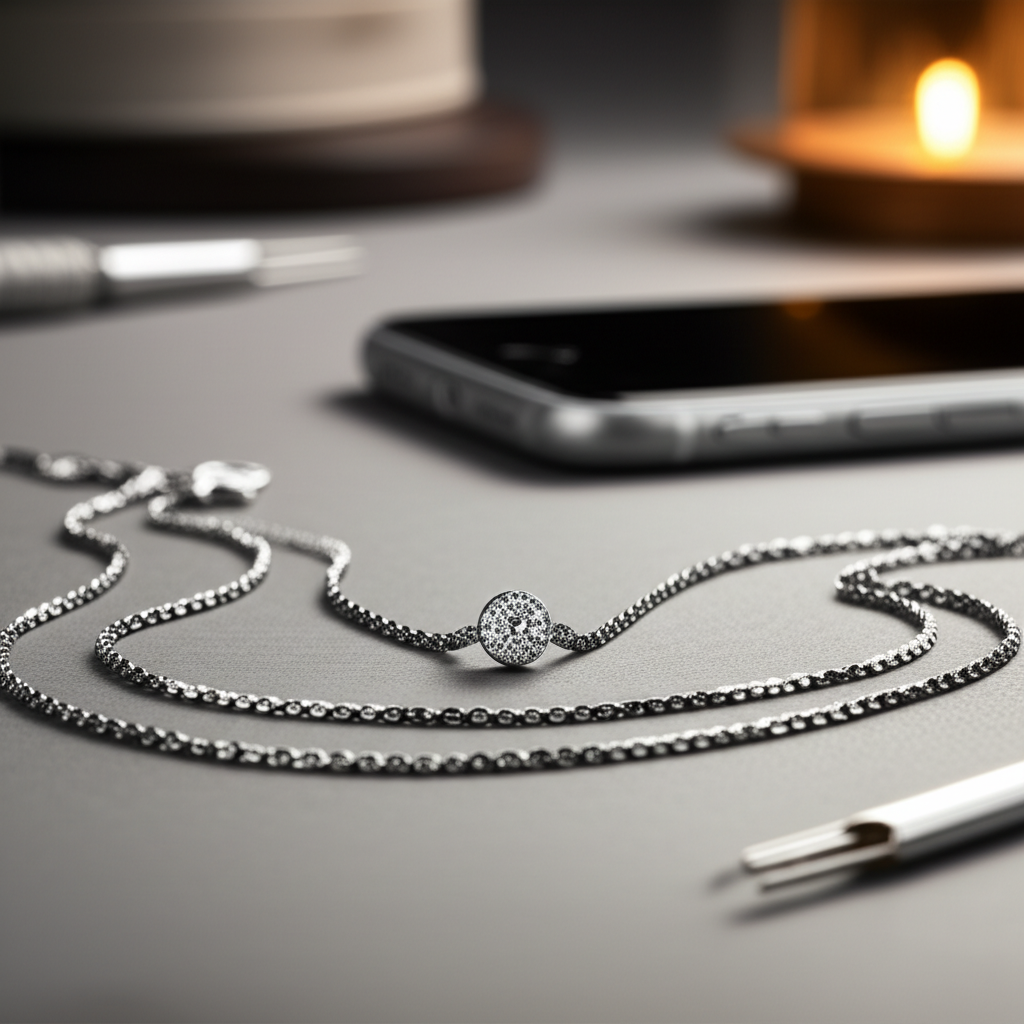
Discover the secret to a forever-gleaming non tarnish silver necklace. This guide reveals essential tips and stunning choices, ensuring your silver jewelry stays beautiful without constant polishing. Say goodbye to dullness and hello to lasting shine.
Jewelry tarnishes. It’s a fact of life, especially with silver. That beautiful gleam can quickly dull into a murky gray, making your favorite necklace look old and neglected. It’s frustrating when you want to wear your treasured pieces but they’ve lost their sparkle. This guide is here to help you understand why silver tarnishes and, more importantly, how to find and care for a non tarnish silver necklace. We’ll walk through the best materials and simple maintenance tips to keep your silver looking stunning.
Why Does Silver Tarnish Anyway?
Silver tarnishes because it reacts with sulfur compounds in the air. This chemical reaction creates a dark layer on the surface of the silver, known as tarnish. Exposure to moisture, humidity, and certain chemicals can accelerate this process.
The Science Behind the Shine (and the Grime)

Pure silver (99.9% pure) is quite soft, so most jewelry is made from sterling silver. Sterling silver is an alloy of 92.5% silver and 7.5% other metals, usually copper. While this makes the silver stronger and more durable, the copper is more prone to reacting with sulfur. This reaction is what causes that undesirable dark coating.
Understanding this basic chemistry helps us appreciate why some silver pieces seem to tarnish faster than others. It’s a natural process, but one we can manage with the right knowledge and materials.
What Exactly is a “Non Tarnish” Silver Necklace?
When we talk about a “non tarnish silver necklace,” it doesn’t mean the silver is magically immune to tarnishing. Instead, it refers to silver jewelry that has been treated or made with alloys designed to resist or significantly slow down the tarnishing process. These treatments are key to maintaining that desired shine.
Beyond Sterling: Understanding Silver Alloys and Treatments
True “non tarnish” silver often involves special plating or the use of specific alloys. Many pieces marketed as non-tarnishing use rhodium plating, a bright white metal that acts as a protective barrier. Other pieces might incorporate specialized alloys that are inherently more resistant to oxidation.
The goal is to create a barrier between the reactive silver and the elements that cause tarnish. This barrier is what allows your necklace to maintain its luster for much longer periods.
The Magic of Rhodium Plating
Rhodium plating is one of the most popular and effective ways to make silver jewelry resistant to tarnish. A thin layer of rhodium, a precious metal from the platinum family, is electroplated onto the surface of the silver. This creates a bright, durable, and highly reflective finish.
How Rhodium Plating Works Its Wonders
Rhodium is extremely resistant to corrosion and oxidation. When applied to sterling silver, it forms an excellent protective shield. This shield prevents air and moisture from reaching the silver beneath, thus preventing tarnish.
The rhodium plating also gives the silver a brighter, whiter appearance, which many people find very appealing. It’s a common feature in high-quality silver jewelry.
Exploring Other “Non Tarnish” Treatments
While rhodium plating is common, other methods also contribute to a non tarnish silver necklace. These can include specialized anti-tarnish lacquers or the use of advanced silver alloys that are formulated for enhanced durability and resistance.
Advanced Alloys and Protective Coatings
Some manufacturers use proprietary alloys that include small amounts of other metals or elements to inhibit the tarnishing reaction. Additionally, clear, hypoallergenic coatings can be applied to provide a barrier. These coatings are designed to be durable and invisible, preserving the natural look of silver.
These treatments aim to provide a long-lasting shine without compromising the aesthetic appeal of the silver. The effectiveness can vary, but they are a significant step up from untreated sterling silver.
Choosing Your Non Tarnish Silver Necklace: Key Features to Look For
When shopping for a non tarnish silver necklace, several features indicate quality and longevity. Prioritize pieces that clearly state their anti-tarnish properties and the methods used. Look for details about the type of silver and any protective treatments.
Material Matters: Sterling Silver and Beyond
Always look for sterling silver (marked 925) as the base metal. For enhanced tarnish resistance, opt for sterling silver that is rhodium-plated or has a similar protective coating. Some pieces might be advertised as “fine silver” but this is less common for necklaces due to its softness.
Checking for hallmarks like “925” or “Sterling” is your first step to ensuring quality. The presence of plating information is equally crucial for tarnish resistance.
Design and Durability: More Than Just Shine
Consider the necklace’s design and construction. A well-made clasp and a sturdy chain are essential for everyday wear. Intricate designs can sometimes be harder to keep clean and might be more prone to wear on their coatings over time.
A classic, simple design often ages best and is easier to maintain. Think about how the necklace will lay on your neck and if the chain thickness suits your preference.
Top Picks for Stunning Non Tarnish Silver Necklaces
Finding the perfect non tarnish silver necklace involves balancing style, quality, and the specific anti-tarnish features. Here are some categories and examples of where you might find excellent options.
Everyday Elegance: Simple Chains and Pendants
For daily wear, a simple sterling silver chain with a rhodium plating is ideal. Look for classic designs like cable chains, box chains, or snake chains. Pendants featuring cubic zirconia or small gemstones are also popular choices that retain their sparkle.
Many online jewelry retailers and department stores offer a wide selection of these. Brands known for quality sterling silver often provide rhodium-plated options.
Statement Pieces: Intricate Designs and Gemstones
If you’re looking for a more elaborate piece, seek out designs with larger gemstones or intricate metalwork. Ensure these are also rhodium-plated or feature advanced anti-tarnish treatments. The setting of any stones is also important for their longevity and appearance.
Consider bespoke jewelers or high-end brands for complex designs that are built to last. They often use superior plating techniques and materials.
Gift-Worthy Options: Timeless Appeal
A non tarnish silver necklace makes a wonderful gift. Choose a timeless design that suits the recipient’s style. Personalization, like an initial pendant or a birthstone, can add a special touch.
Many gift-oriented jewelry sites specialize in creating beautiful, lasting pieces. Look for gift sets that might include matching earrings or bracelets.
Caring for Your Non Tarnish Silver Necklace: Essential Maintenance
Even a non tarnish silver necklace benefits from proper care. While it resists tarnish better, it’s not entirely immune. Gentle cleaning and proper storage will extend its lifespan and keep it looking its best.
Gentle Cleaning: The Art of the Wipe-Down
After wearing your necklace, gently wipe it with a soft, lint-free cloth. This removes oils and dirt that can dull the finish over time. Avoid abrasive materials or harsh chemicals, as these can damage the plating.
A microfiber cloth designed for jewelry is perfect for this. It picks up oils and smudges without scratching the surface.
Proper Storage: A Safe Haven for Your Shine
Store your non tarnish silver necklace separately from other jewelry to prevent scratches. Use a soft pouch, a jewelry box with individual compartments, or an anti-tarnish bag. Keep it in a cool, dry place away from direct sunlight and humidity.
Anti-tarnish storage solutions are particularly effective. These often contain materials that absorb sulfur compounds, further protecting your jewelry.
What to Avoid: Common Pitfalls That Damage Silver
Certain substances and practices can quickly degrade even treated silver. Being aware of these common pitfalls is crucial for preserving the beauty of your non tarnish silver necklace.
Chemical Warfare: The Enemies of Silver
Avoid exposing your necklace to harsh chemicals like perfumes, hairspray, chlorine, and household cleaning agents. These can react with the silver and its plating, causing discoloration or damage. Always put on your jewelry after applying cosmetics and lotions.
Think of your jewelry as the finishing touch, not something to be worn while engaging in activities that involve chemicals. This simple habit makes a big difference.
Physical Damage: Scratches and Dents
While treatments make silver more durable, they don’t make it indestructible. Avoid wearing your necklace during strenuous activities or sports, as this can lead to scratches, dents, or damage to the chain and clasp. Even sleeping in your necklace can cause wear and tear.
Treating your necklace with care ensures its longevity. It’s about respecting the craftsmanship and materials.
Non Tarnish Silver vs. Other Jewelry Metals
Comparing a non tarnish silver necklace to pieces made from other metals can highlight its unique advantages. Each metal has its own characteristics regarding durability, shine, and maintenance.
Sterling Silver vs. Gold-Plated Sterling Silver
Gold-plated sterling silver offers a warm, golden hue but the gold plating can wear off over time, revealing the silver underneath. A rhodium-plated silver necklace provides a bright, white finish that is generally more durable against tarnish than gold plating.
The choice between them often comes down to personal preference for color and the desired level of tarnish resistance.
Silver vs. Stainless Steel
Stainless steel is known for its exceptional durability and resistance to tarnish and corrosion. It’s a very practical choice for everyday wear. However, stainless steel doesn’t possess the same rich luster or the perceived value of silver.
While stainless steel is a workhorse, a well-maintained non tarnish silver necklace offers a more refined aesthetic.
Frequently Asked Questions About Non Tarnish Silver Necklaces
Here are answers to common questions about keeping your silver jewelry looking its best.
Q1: Will a “non tarnish” silver necklace ever tarnish?
While designed to resist tarnish, no silver jewelry is completely immune. Factors like prolonged exposure to humidity, certain chemicals, and individual body chemistry can still cause some discoloration over extended periods. However, it will tarnish much slower than untreated silver.
Q2: How often should I clean my non tarnish silver necklace?
It’s best to wipe your necklace with a soft cloth after each wear to remove oils and dirt. A more thorough gentle cleaning might be needed every few months, depending on wear and environmental factors.
Q3: Can I wear my non tarnish silver necklace in the shower?
It’s generally not recommended. Even with treatments, prolonged exposure to water, soaps, and shampoos can degrade the plating and tarnish resistance over time. Always remove your jewelry before showering or swimming.
Q4: What’s the difference between rhodium-plated silver and silver that’s just polished?
Rhodium plating is a metallic coating applied to the silver’s surface that acts as a physical barrier against tarnish. Polishing simply removes existing tarnish but doesn’t prevent it from forming again. Rhodium plating provides long-term protection.
Q5: Is rhodium plating hypoallergenic?
Rhodium itself is hypoallergenic. However, if the base metal is nickel (which is sometimes used in alloys or plating processes), it can cause reactions in sensitive individuals. Most quality rhodium-plated sterling silver uses nickel-free plating or is constructed with hypoallergenic materials.
Q6: How long does rhodium plating typically last?
The lifespan of rhodium plating varies greatly depending on wear and care. With daily wear and proper maintenance, it can last from several months to a few years before showing signs of wear. Frequent contact with chemicals or abrasive surfaces will shorten its life.
Conclusion: Embrace Lasting Shine with Your Non Tarnish Silver Necklace
Finding a non tarnish silver necklace means investing in enduring beauty. By understanding the materials, treatments, and proper care, you can ensure your silver jewelry remains a radiant part of your collection for years. Prioritize quality pieces, practice gentle maintenance, and store them wisely.
Embrace the elegance and confidence that comes with a perpetually gleaming non tarnish silver necklace. It’s more than just an accessory; it’s a piece of art that deserves to shine.
