


Published on: September 10, 2025 | Updated on: September 10, 2025
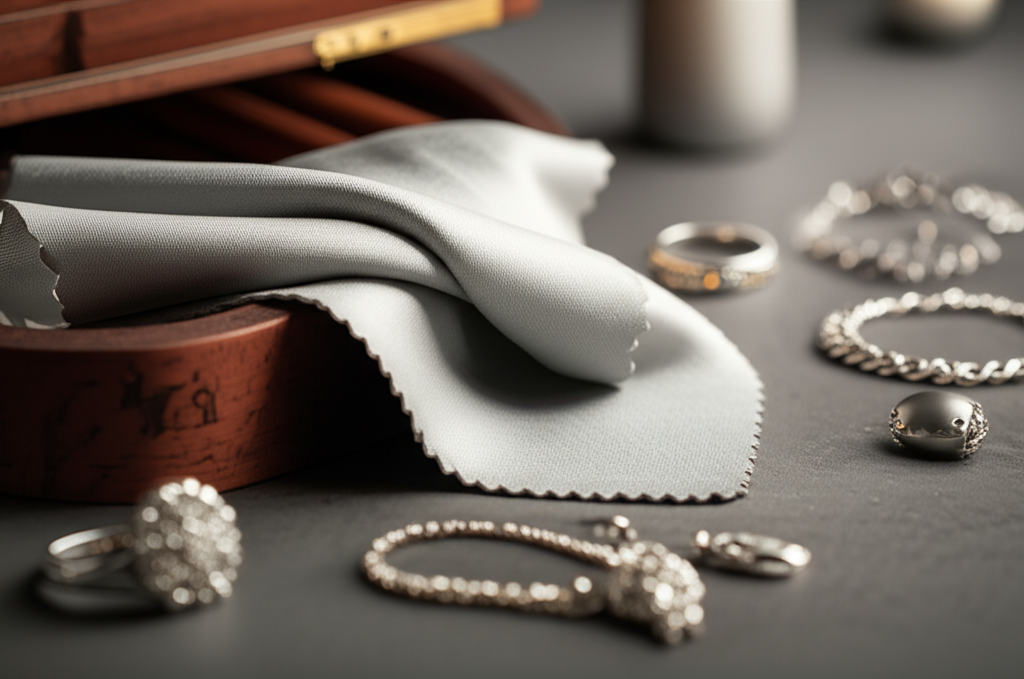
Keep your cherished silver jewelry sparkling and free from tarnish with the ultimate essential shine solution: silver cloth. This guide reveals how this simple yet effective tool can restore and maintain the brilliance of your precious pieces, making them look brand new.
Tarnished silver jewelry can be a real bummer. That beautiful necklace or those elegant earrings lose their luster, making them look dull and neglected. It’s a common problem for anyone who loves silver, but thankfully, there’s a simple, effective, and readily available solution: a good old-fashioned silver polishing cloth. This isn’t just any fabric; it’s a specially treated material designed to combat tarnish and bring back that brilliant shine. In this guide, I’ll walk you through everything you need to know about using silver cloth for jewelry, ensuring your pieces always look their absolute best.
What is Silver Cloth and Why Does Jewelry Need It?
A silver cloth, often called a polishing cloth or anti-tarnish cloth, is a soft, woven fabric impregnated with a mild polishing agent and anti-tarnish compounds. It’s specifically designed to gently remove tarnish – that dull, dark coating that forms on silver when it reacts with sulfur compounds in the air. This natural process, called oxidation, can make even the most exquisite silver pieces look unappealing.
The Science Behind Silver Tarnish

Silver is a reactive metal. When exposed to air, especially air containing hydrogen sulfide, it undergoes a chemical reaction. This reaction forms silver sulfide, a dark layer that we see as tarnish. The speed and severity of tarnishing depend on environmental factors like humidity, pollution, and even certain foods or cosmetics.
Why Standard Cloths Won’t Cut It
While any soft cloth can wipe away surface dust, it won’t address the underlying tarnish. Standard cloths lack the special ingredients that actively lift and remove the oxidized layer. They might even scratch delicate silver if they contain abrasive particles. A dedicated silver cloth, however, is formulated for safety and effectiveness on precious metals.
Choosing the Right Silver Cloth for Your Jewelry
Not all silver cloths are created equal, and picking the right one can make a significant difference in how easily and effectively you can restore your jewelry’s shine. Consider the material, the impregnation, and the brand reputation.
Material Matters: Cotton vs. Microfiber
Most silver cloths are made from soft cotton or microfiber. Cotton is traditional and effective, while microfiber can offer a smoother feel and superior ability to trap tarnish particles. Look for cloths that are lint-free to avoid leaving fibers on your jewelry.
Impregnation: The Secret Ingredient
The effectiveness of a silver cloth lies in its impregnation. High-quality cloths contain a proprietary blend of mild abrasives (like very fine silica) and anti-tarnish chemicals. These agents work together to polish the silver surface and slow down future tarnishing.
Reputable Brands for Reliable Shine
Several brands have built a strong reputation for producing effective silver polishing cloths. Investing in a well-known brand often means you’re getting a product that has been tested and proven reliable. Some popular choices include Connoisseurs, Hagerty, and Town Talk.
How to Use Silver Cloth for Jewelry: A Step-by-Step Guide
Using a silver polishing cloth is straightforward, but a few key steps will ensure you get the best results without damaging your precious items. It’s a gentle process that anyone can master with a little practice.
Step 1: Assess Your Jewelry’s Condition
Before you start polishing, take a close look at your jewelry. Is it lightly tarnished or heavily discolored? Heavily tarnished pieces might require more effort or a different cleaning method first. Ensure there are no loose stones or settings that could be damaged by rubbing.
Step 2: The Gentle Rubbing Technique
Hold your jewelry piece firmly with one hand and use the silver cloth with the other. Gently rub the tarnished areas using a circular motion. Apply light to moderate pressure, depending on the severity of the tarnish. Avoid excessive force, which can wear down the silver over time.
Step 3: Working Around Intricate Designs
For jewelry with intricate details, engravings, or filigree, fold the cloth to a corner or edge. This allows you to get into those small crevices and effectively remove tarnish from every nook and cranny. Be patient; detailed work takes a bit more time.
Step 4: Buffing to a Brilliant Shine
After removing the tarnish, use a clean, dry section of the cloth (or a separate soft cloth) to buff the jewelry. This final buffing step removes any residual polish and brings out a dazzling shine. It makes your silver gleam as if it were brand new.
When to Use Silver Cloth vs. Other Cleaning Methods
While a silver cloth is excellent for regular maintenance and light to moderate tarnish, it’s not always the best solution for every situation. Understanding its limitations helps you choose the most appropriate cleaning method.
Best for Routine Maintenance and Light Tarnish
The silver cloth is your go-to tool for everyday upkeep. It’s perfect for quickly restoring shine to pieces you wear often or for preventing tarnish from building up in the first place. Its gentle nature makes it ideal for regular use.
When to Consider a Silver Dip or Paste
For heavily tarnished or antique silver jewelry, a silver polishing cloth might not be enough. In such cases, you might need to consider a silver dip solution or a silver polishing paste. However, these methods can be harsher and may remove a thin layer of silver, so they should be used sparingly and with caution, especially on plated items or those with gemstones. Always test on an inconspicuous area first.
Protecting Gemstones and Delicate Settings
Silver cloths are generally safe for most gemstones and settings. However, porous gemstones like pearls, opals, and turquoise can be damaged by the polishing agents. Always check if your jewelry contains such stones before using a silver cloth. For these items, a gentle wipe with a soft, dry cloth is usually sufficient.
Benefits of Using a Silver Cloth for Jewelry
The advantages of incorporating a silver polishing cloth into your jewelry care routine are numerous. It’s a simple tool that delivers significant results, saving you time and money.
Effortless Tarnish Removal
The primary benefit is the ease with which it removes tarnish. You don’t need special skills or harsh chemicals. Just a few minutes of gentle rubbing can restore the original brilliance of your silver.
Long-Lasting Shine and Protection
Beyond just cleaning, many silver cloths contain anti-tarnish agents that leave a protective layer on your jewelry. This layer helps to slow down the tarnishing process, meaning your jewelry stays shinier for longer between cleanings.
Cost-Effective Solution
Compared to professional jewelry cleaning services or specialized cleaning products, a good quality silver cloth is a very affordable investment. It can be used repeatedly for months, making it a cost-effective way to maintain your silver collection.
Safe for Most Silver Jewelry
When used correctly, a silver cloth is a safe option for most types of silver, including sterling silver, silver-plated items, and even some white gold jewelry. Its non-abrasive nature is gentle on the metal’s surface.
Maintaining Your Silver Cloth for Maximum Effectiveness
To get the most out of your silver polishing cloth, it’s crucial to maintain it properly. A well-cared-for cloth will continue to provide excellent results for a long time.
The Golden Rule: Never Wash It!
This is the most important rule: do not wash your silver polishing cloth. Washing it will remove the impregnated polishing agents and anti-tarnish compounds, rendering it ineffective. It will just become a regular piece of cloth.
Storing Your Cloth Properly
After use, store your silver cloth in a cool, dry place, preferably in a sealed plastic bag or its original packaging. This prevents it from absorbing moisture and reacting with the air, which can degrade its effectiveness over time.
Knowing When It’s Time for a New One
Over time, the cloth will become soiled with tarnish and its polishing agents will be depleted. You’ll notice it’s no longer effective at removing tarnish or imparting shine. When this happens, it’s time to purchase a new silver cloth.
Popular Silver Cloth Brands and Their Features
Choosing a reputable brand ensures you’re getting a quality product designed for optimal performance. Here’s a look at some of the top contenders in the market.
Connoisseurs Silver Polishing Cloth
Connoisseurs is a widely recognized brand in jewelry care. Their silver polishing cloths are known for being durable, effective, and containing a good balance of polishing and anti-tarnish agents. They are often a go-to choice for both casual users and collectors.
Hagerty Silver Polishing Cloth
Hagerty offers a range of premium jewelry care products. Their silver polishing cloths are formulated to provide a deep clean and long-lasting protection. They are particularly effective on heavily tarnished pieces and are a favorite among antique silver enthusiasts.
Town Talk Polishing Cloths
Town Talk is another established name, offering high-quality cloths designed for specific metals. Their silver polishing cloth is praised for its ability to restore shine quickly and leave a protective barrier against future tarnish. It’s a solid choice for maintaining everyday silver jewelry.
Can Silver Cloth Be Used on Other Metals?
While primarily designed for silver, a high-quality silver cloth can sometimes be used on other precious metals with caution. However, it’s essential to understand the differences and potential risks involved.
Gold Jewelry
A silver polishing cloth can often be used to gently clean and polish gold jewelry, especially yellow gold. The mild polishing agents are usually safe for gold. However, avoid using it on white gold that has been rhodium-plated, as it can wear away the plating. Always test on an inconspicuous area first.
Platinum Jewelry
Platinum is a very durable metal and doesn’t tarnish like silver. However, it can become dull from surface scratches and grime. A silver cloth can help buff out light surface marks and restore shine to platinum jewelry. Again, test cautiously.
Brass and Copper Items
Silver cloths can be effective on brass and copper, which tend to tarnish similarly to silver. The polishing agents can help remove the dark patina and restore their natural metallic sheen. However, be mindful of lacquered finishes, as the cloth might remove the lacquer.
Frequently Asked Questions About Silver Cloth for Jewelry
Here are some common questions people have when it comes to using silver cloths for their jewelry.
Can I wash my silver polishing cloth?
No, you should never wash your silver polishing cloth. Washing will remove the special polishing agents and anti-tarnish compounds embedded in the fabric, rendering it ineffective for cleaning and protecting silver.
How often should I use a silver cloth on my jewelry?
You can use a silver cloth as often as needed. For lightly tarnished jewelry, a quick polish every few weeks can maintain its shine. For jewelry that tarnishes quickly, you might use it more frequently.
Will a silver cloth remove scratches from my jewelry?
A silver cloth is designed to remove tarnish, not deep scratches. While it can buff out very fine surface scuffs, significant scratches will require professional polishing or repair.
Is a silver cloth safe for my pearl or gemstone jewelry?
It’s best to avoid using a silver cloth on porous gemstones like pearls, opals, turquoise, or emeralds, as the polishing agents can damage them. For jewelry with these stones, use a soft, dry cloth for gentle dusting.
How long does a silver cloth last?
A good quality silver polishing cloth can last for several months to over a year, depending on how frequently you use it and the severity of the tarnish you’re cleaning. When it stops effectively removing tarnish, it’s time for a replacement.
Can I use a silver cloth on jewelry that is not sterling silver?
Yes, you can often use a silver cloth on other silver alloys and even some gold or platinum jewelry for light polishing. However, always exercise caution and test on an inconspicuous area first, especially with plated items or delicate gemstones.
Conclusion: The Enduring Shine of Silver with the Right Cloth
Maintaining the brilliance of your silver jewelry doesn’t require complicated routines or expensive treatments. A high-quality silver cloth for jewelry is truly an ultimate essential for achieving and preserving that coveted shine. Its simplicity, effectiveness, and gentle nature make it an indispensable tool for anyone who cherishes their silver pieces. By understanding how to choose, use, and care for your silver cloth, you can ensure your jewelry remains a radiant reflection of your style for years to come. So, grab a good silver cloth, and let your jewelry gleam with the ultimate essential shine.
