


Published on: October 16, 2025 | Updated on: October 16, 2025
Soundproofing ideas for home offices focus on blocking noise from entering and leaving your workspace. This article provides simple, effective hacks using common materials and smart techniques to create a peaceful, productive sanctuary for remote work.
Are you tired of barking dogs or noisy neighbors interrupting your important calls? A quiet home office is key for focus and productivity. Many remote workers struggle with noise pollution. It makes concentration hard and can be very frustrating. Don’t worry, I’m here to help! We will explore easy and smart soundproofing ideas for your home office. You can create a peaceful work haven. Get ready to transform your workspace into a quiet zone.
Why Soundproofing Your Home Office Matters
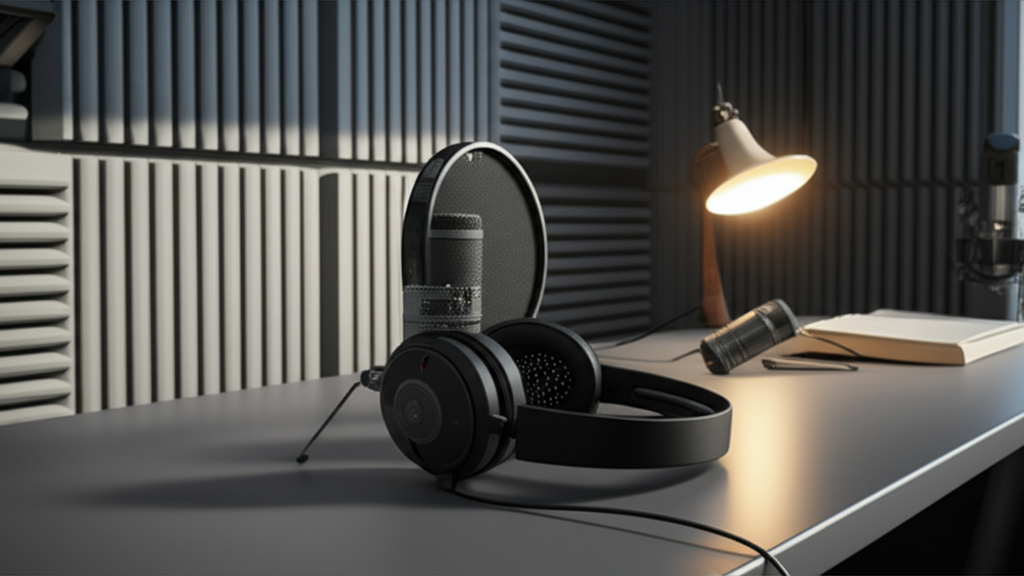
A quiet workspace is essential for deep concentration and peak productivity. Unwanted noise can shatter your focus, leading to mistakes and stress. It also impacts your well-being. Soundproofing helps create a professional environment, especially for client calls. It ensures privacy and a clear audio experience for everyone. This makes your work more enjoyable and effective.
The Impact of Noise on Productivity
Noise is a major enemy of focus. When sounds constantly break your concentration, your brain has to work harder to get back on track. This constant interruption drains your mental energy. Studies show that even low levels of background noise can reduce cognitive performance. It makes tasks take longer and increases the chance of errors.
Ensuring Professionalism in Remote Work
For many, the home office is their main client-facing space. Clear audio during video calls is non-negotiable. Background noise can make you sound unprofessional. It can distract clients and make it hard to convey your message. Good soundproofing ensures your voice is heard clearly. It shows you take your work seriously.
Understanding Sound: How It Travels
To soundproof effectively, you need to know how sound moves. Sound travels in waves. These waves can go through air and solid objects. They bounce off hard surfaces and can seep through tiny gaps. Understanding this helps us choose the right solutions. We want to block these waves from entering or leaving your office.
Airborne vs. Structure-Borne Noise
Airborne noise is what we typically hear, like voices or music. It travels through the air. Structure-borne noise travels through the building itself, like footsteps from upstairs or vibrations from appliances. Both can be disruptive. Addressing both types is key for complete soundproofing.
The Role of Density and Absorption
Sound waves lose energy when they encounter dense materials. Heavy, solid objects are good at blocking sound. Soft, porous materials absorb sound waves. They turn sound energy into heat. Combining dense barriers with absorptive materials offers the best soundproofing.
Simple Soundproofing Ideas for Home Offices: The First Steps
Creating a quieter workspace doesn’t always mean expensive renovations. You can start with simple, budget-friendly changes. These initial steps can make a big difference. They are easy to implement and require minimal effort. Let’s begin with the basics.
Seal Gaps and Cracks
Sound loves to sneak through tiny openings. Check around doors and windows. Look for any gaps where air can pass. These are also pathways for sound. Sealing them is a crucial first step. It’s one of the most effective ways to reduce noise.
Use acoustic caulk or weatherstripping to fill these gaps. Caulk is great for small cracks in walls or around fixtures. Weatherstripping works well for door and window frames. Apply it carefully to create a tight seal. This simple hack blocks a surprising amount of noise.
Door Sealant Solutions
Your office door is a common entry point for noise. A solid door is better than a hollow one, but even solid doors have gaps. Adding a door sweep at the bottom and sealing the sides is very effective. This creates a much tighter seal. It stops sound from seeping under and around the door.
You can buy adhesive-backed weatherstripping for door frames. For the bottom, an automatic door bottom or a simple draft stopper works well. These are easy to install and significantly reduce noise transfer. They are inexpensive yet powerful soundproofing tools.
DIY Soundproofing with Soft Furnishings
Soft materials are excellent at absorbing sound. They help reduce echoes and dampen noise within your room. Adding more soft textures can dramatically improve your office’s acoustics. These items often serve dual purposes, adding comfort and style.
The Power of Rugs and Carpets
Hard floors reflect sound, making your office echoey. Adding a thick rug or carpet under your desk can absorb a lot of sound. It stops sound from bouncing around the room. A plush rug also feels great underfoot. It adds warmth and comfort to your workspace.
Choose rugs with a dense pile for maximum sound absorption. If you already have hard floors, a large area rug is a must. Make sure it covers a good portion of the floor space. This simple addition makes a noticeable difference in how sound behaves in your office.
Curtains for Sound Control
Windows can be a weak spot for soundproofing. Thin curtains offer little protection. Heavy, thick curtains, however, can absorb sound waves. They act as a barrier, reducing noise coming in from outside. They also help keep sound inside your office.
Opt for velvet, blackout, or specially designed acoustic curtains. Hang them from sturdy rods and ensure they cover the entire window area. For maximum effect, let them extend to the floor. This creates a more effective sound barrier. They also enhance your office’s décor.
Strategic Furniture Placement for Sound Dampening
The way you arrange your furniture can also impact sound. Strategic placement can help block noise and absorb sound waves. Think about your office layout and how it interacts with sound. Simple adjustments can lead to a quieter environment.
Using Bookshelves as Sound Barriers
A well-stocked bookshelf can be a fantastic sound dampener. Books and the irregular shapes of the books themselves are great at scattering and absorbing sound waves. Place a large bookshelf against the wall that faces your main noise source. It acts as a dense, irregular barrier.
Fill the shelves with books of various sizes and thicknesses. This creates a more effective sound-absorbing surface. The more books you have, the better the soundproofing effect. It’s a functional and stylish way to improve your office acoustics.
The Role of Upholstered Furniture
Like rugs and curtains, upholstered furniture absorbs sound. Sofas, armchairs, and ottomans all contribute to a quieter room. If your office is large enough, consider adding these items. They can significantly reduce echoes and background noise.
Even a small upholstered chair in a corner can help. The soft fabric and padding soak up sound waves. This makes your office feel calmer and more focused. It’s another easy way to boost your soundproofing efforts with comfortable additions.
Advanced Soundproofing Techniques (DIY-Friendly)
Ready to take your home office soundproofing to the next level? These techniques require a bit more effort but offer greater sound reduction. They are still achievable for the dedicated DIYer. They focus on improving the walls and doors themselves.
Adding Mass to Walls
Sound struggles to pass through heavy, dense materials. Adding mass to your walls is a very effective soundproofing method. This can be done without major construction. One popular DIY method is adding a layer of mass-loaded vinyl (MLV).
Mass-loaded vinyl is a heavy, flexible material. You can attach it directly to your existing walls. Then, you can cover it with drywall or paneling. This significantly increases the wall’s density. It drastically reduces sound transmission.
Soundproofing Drywall Techniques
If you’re comfortable with basic construction, consider adding a second layer of drywall. For even better results, use a sound-dampening compound between the layers. This compound, like Green Glue, is applied between two sheets of drywall. It converts sound energy into heat.
This “double-layer” drywall with damping compound is highly effective. It creates a robust barrier against airborne noise. It’s a more involved project but offers excellent sound isolation. This is a great option for dedicated home offices.
Soundproofing Your Door: The Ultimate Upgrade
Doors are often the weakest link in soundproofing. Even a solid door can let a lot of noise through. Upgrading your door and its seals can make a massive difference. This is where you can achieve significant improvements.
Replacing Hollow-Core Doors
Hollow-core doors are very common but offer poor sound insulation. They are light and have empty space inside. Replacing a hollow-core door with a solid-core door is one of the best investments for soundproofing. Solid doors are much heavier and denser.
A solid-core door significantly blocks more sound than a hollow one. It’s a direct upgrade that provides immediate benefits. If a full replacement isn’t feasible, you can add mass to a hollow door. This involves attaching heavy panels to its surface.
Acoustic Door Seals and Sweeps
Even a solid door needs good seals. Ensure your door has effective weatherstripping around the frame. Also, install a high-quality door sweep at the bottom. Automatic door sweeps are excellent as they seal tightly when the door is closed.
These seals prevent sound from leaking through the gaps. They work by creating an airtight barrier. Combined with a solid door, these seals create a powerful sound barrier. It’s a crucial step for a truly quiet office.
Windows: Managing Sound Transmission
Windows are another major source of sound leakage. They are often thinner than walls and offer less insulation. Addressing your windows is vital for effective soundproofing. There are several ways to tackle this challenge.
Installing Double or Triple-Pane Windows
The most effective solution for noisy windows is upgrading them. Double-pane windows have two layers of glass with a space between them. Triple-pane windows have three layers. The air or gas in between the panes acts as an insulator.
These windows significantly reduce sound transmission. They also improve thermal insulation, saving energy. While a larger investment, they offer long-term benefits for comfort and quiet. Look for windows with a high Sound Transmission Class (STC) rating.
Secondary Window Inserts
If replacing windows isn’t an option, consider secondary window inserts. These are panels made of acrylic or glass that fit inside your existing window frame. They create an extra layer of glass, similar to double-pane windows. They are removable and less expensive than full window replacement.
These inserts are custom-made for your windows. They create an air gap that helps block sound. They are an excellent DIY-friendly solution for reducing noise. You can install and remove them as needed.
Soundproofing Ceilings and Floors
Noise can travel from above and below. Addressing ceilings and floors can provide comprehensive soundproofing. These areas are often overlooked but are crucial for a truly quiet space.
Adding Soundproofing to Ceilings
If you have noisy neighbors upstairs, your ceiling is the entry point. Adding mass-loaded vinyl or a second layer of drywall to the ceiling can help. For a more involved project, consider resilient channels. These metal channels are attached to the joists.
Drywall is then attached to the resilient channels. This decouples the drywall from the structure above. It significantly reduces the transmission of vibrations and noise. This is a very effective method for ceiling soundproofing.
Floor Underlayments and Rugs
For noise coming from below or to reduce impact noise you make, focus on your floor. A thick underlayment beneath your flooring is very effective. It absorbs vibrations and sound. Adding a thick rug on top further enhances sound absorption.
When installing new flooring, always opt for a good quality sound-dampening underlayment. This is especially important for laminate, hardwood, or tile. It makes a big difference in how sound travels through your floor.
Specialized Acoustic Treatments
Beyond basic soundproofing, you can use specialized acoustic treatments. These are designed to control sound within your office. They help reduce echoes and improve the clarity of sound. They also contribute to a more professional audio environment.
Acoustic Panels and Foam
Acoustic panels and foam are designed to absorb sound. They are often used in recording studios. You can strategically place them on your walls and ceiling. They reduce reverberation and echo. This makes your office sound quieter and clearer.
These panels come in various styles and colors. They can add a modern touch to your décor. They are particularly useful if you deal with a lot of audio recording or video conferencing. They help create a more controlled sound environment.
Bass Traps and Diffusers
For more advanced acoustic control, consider bass traps and diffusers. Bass traps are placed in corners to absorb low-frequency sounds. Diffusers scatter sound waves, preventing harsh echoes. These are typically used in specialized listening rooms.
While perhaps overkill for a standard home office, understanding their function is useful. They highlight how different materials affect sound. For most home offices, acoustic panels are sufficient for sound control.
Frequently Asked Questions About Soundproofing Home Offices
How can I soundproof my home office cheaply?
You can soundproof your home office cheaply by sealing gaps around doors and windows with caulk and weatherstripping. Add thick rugs, heavy curtains, and upholstered furniture. Bookshelves filled with books also act as great sound barriers. These simple steps are very effective.
What is the best material for soundproofing?
The best materials for soundproofing are dense and heavy. Mass-loaded vinyl (MLV) is excellent for adding mass. High-density drywall is also very effective. Combining these with sound-absorbing materials like mineral wool or acoustic foam provides a complete solution.
Can I soundproof a room without making major renovations?
Yes, you can soundproof a room significantly without major renovations. Focus on sealing gaps, adding soft furnishings like rugs and curtains, using bookshelves, and upgrading your door seals. These DIY-friendly methods can make a big difference.
How do I stop sound from coming through my door?
To stop sound coming through your door, ensure it’s a solid-core door. Then, add acoustic weatherstripping around the frame and install a high-quality door sweep at the bottom. These steps create a tight seal that blocks most sound.
Will hanging blankets on my walls help soundproof my office?
Hanging blankets can offer some sound absorption and reduce echoes. However, they are not a true soundproofing solution. True soundproofing requires mass and density to block sound waves. Blankets can help slightly, but they won’t stop significant noise.
What is the STC rating and why does it matter?
STC stands for Sound Transmission Class. It’s a number that measures how well a building material or assembly blocks airborne sound. A higher STC rating means better soundproofing. For home offices, look for materials and products with higher STC ratings.
Conclusion: Your Quiet Sanctuary Awaits
Creating a soundproof home office is achievable with the right approach. We’ve explored many soundproofing ideas for home offices, from simple hacks to more advanced techniques. By sealing gaps, adding mass, and using sound-absorbing materials, you can transform your workspace. Remember, even small changes can lead to a more peaceful and productive environment. Your quiet sanctuary is within reach. Start implementing these genius hacks today and enjoy your focused work sessions.
