


Published on: September 15, 2025 | Updated on: September 15, 2025
Yes, metal detectors are generally legal to own and use in most places, but their legality is heavily dependent on where you are detecting and what you find. Understanding specific rules for public lands, private property, and historical sites is crucial to avoid legal trouble.
Are Metal Detectors Legal? Essential Breakthrough Rules for Every Detectorist
It’s a question that pops up more often than you might think, especially for newcomers to this incredibly rewarding hobby: “Are metal detectors legal?” You’ve got the itch to explore, to uncover the stories hidden beneath the soil, but the last thing you want is to run afoul of the law. I’ve been there, digging my first coins and wondering about the rules. Don’t worry, this guide is designed to cut through the confusion, giving you the essential breakthrough rules you need to detect with confidence and peace of mind. We’ll cover everything from understanding land ownership to respecting historical sites, ensuring your treasure hunting adventures are both exciting and lawful.
Understanding the Basics: Metal Detectors and the Law
Metal detectors themselves are perfectly legal to buy, own, and operate in virtually every country. Think of them as tools, much like a shovel or a flashlight. The legality comes into play not with the device itself, but with where and how you use it, and more importantly, what you do with your finds. Many detectorists, myself included, are drawn to this hobby by the thrill of discovery and the connection to history, not by any desire to break rules.
The Core Principle: Permission is Paramount

The most fundamental rule in metal detecting, and the one that ensures you stay on the right side of the law, is obtaining proper permission. This applies universally, whether you’re on a public park, a farmer’s field, or a sandy beach. Using a metal detector without explicit consent from the landowner is considered trespassing, and that can lead to significant legal consequences. Always seek out the owner and have a clear conversation about your intentions.
Public lands can be fantastic places to detect, offering a wide variety of potential finds. However, regulations vary wildly. Some parks welcome detectorists, while others have strict prohibitions to protect historical artifacts or natural landscapes. Beaches are often more lenient, but it’s always wise to check local ordinances.
Federal and State Parks: A Maze of Regulations
When it comes to federal and state parks, the rules can be quite complex. Many, particularly those with historical significance like National Parks or State Historic Sites, prohibit metal detecting entirely. This is to preserve the integrity of archaeological sites and prevent the removal of historical artifacts. Always consult the official website or contact the park management directly for their specific policies before you even think about bringing your detector.
Local Parks and Recreation Areas: Check the Bylaws
Local parks and city-run recreation areas often have their own set of rules. Some might allow detecting, especially in areas where historical artifacts are less likely to be present, like modern playgrounds or sports fields. Others may ban it outright. A quick call to your local parks department or a search of their official bylaws can save you a lot of trouble.
Beaches: Saltwater and Sand Rules
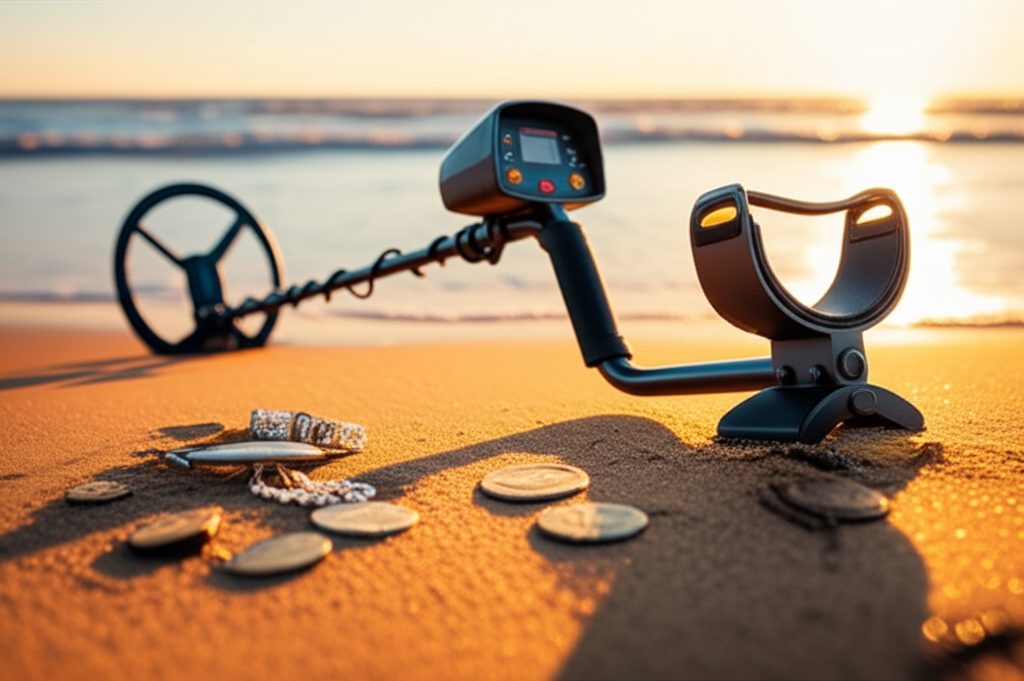
Beaches are often a popular spot for detectorists, especially for finding lost jewelry and coins. Generally, beaches managed by local municipalities or state authorities tend to be more permissive than inland parks. However, it’s still crucial to check for any posted signs or local regulations. Some areas might have restrictions during peak tourist seasons or in specific zones.
Private Property: The Landowner’s Domain
Detecting on private property is almost always legal, provided you have explicit permission from the landowner. This is where some of the best finds can be made, as these areas often have a long history of human activity. Building relationships with landowners can open up incredible detecting opportunities.
Securing Written Permission: A Smart Move
While verbal permission might suffice in some casual situations, for more extensive detecting sessions or if you’re exploring a large property, it’s always best to get permission in writing. This protects both you and the landowner. A simple agreement outlining the terms of your detecting, including what you can keep and any reporting requirements for significant finds, is ideal.
Understanding “Finds Rights” with Private Property
When you detect on private land, the question of ownership of found items can be complex. Generally, if you find something on someone else’s property, it belongs to the landowner unless you have a prior agreement stating otherwise. This is why clear communication and written agreements are so vital. Some landowners might be happy for you to keep modern coins or jewelry, but historical artifacts or precious metals might be theirs by default.
Historical and Archaeological Sites: Tread with Extreme Caution
This is perhaps the most critical area where understanding legality is non-negotiable. Using a metal detector on officially recognized archaeological sites, historical landmarks, or battlefields is illegal in most parts of the world and carries severe penalties. These sites are protected for their scientific and cultural value.
The Archaeological Resources Protection Act (ARPA) in the US
In the United States, the Archaeological Resources Protection Act (ARPA) is a significant piece of legislation. It prohibits the unauthorized excavation, removal, or damage of archaeological resources from federal and Indian lands. Violations can result in hefty fines and even imprisonment. Always assume that any site with historical significance is off-limits unless explicitly permitted by the governing authority.
Protecting Cultural Heritage: A Detectorist’s Duty
As responsible detectorists, we have a duty to protect our shared cultural heritage. This means respecting protected sites and understanding that some finds belong to everyone, not just the individual who uncovers them. Many detectorists actively work with archaeologists to report significant finds, contributing to our understanding of history.
Reporting and Keeping Your Finds: The Legalities
What happens when you unearth something valuable or historically significant? The laws governing found items, often called “treasure trove” laws or “finder’s keepers” in a very simplified sense, are incredibly varied and complex.
The Treasure Trove Doctrine
Historically, the “treasure trove” doctrine applied to found gold or silver hidden with the intent of being recovered later. The finder, the landowner, and the Crown (or state) would often have claims. Modern laws have expanded and, in some cases, replaced this doctrine, but the principle of shared ownership or state claim often remains for significant finds.
Reporting Requirements for Significant Finds
Many jurisdictions have laws requiring the reporting of certain types of finds, particularly those deemed historically significant or made of precious metals. In the UK, for example, the Portable Antiquities Scheme encourages the reporting of archaeological finds. In other places, finding valuable items might trigger a legal obligation to notify authorities, who may then decide if the item should be acquired by a museum or historical society. Ignoring these reporting requirements can lead to legal trouble.
International Laws: A Global Perspective
The legality of metal detecting isn’t just a concern for detectorists in one country; it’s a global issue. Laws and regulations can differ dramatically from one nation to another, and even within regions of the same country.
Researching Local Laws Before You Travel
If you plan to travel with your metal detector or detect abroad, thorough research into the specific laws of that country and region is absolutely essential. What might be perfectly acceptable in your home country could be illegal elsewhere. For instance, some countries have outright bans on metal detecting or require special permits for all detecting activities.
Examples of Varying International Regulations
Consider how different countries approach this hobby. In some European countries, especially those with rich historical pasts, strict regulations are in place to protect archaeological heritage, often requiring permits for any detecting activity, and many finds may legally belong to the state. In contrast, countries like Australia have vast areas where detecting is permitted, though specific rules apply to protected sites and indigenous lands.
Tools of the Trade: Are They Legal to Carry?
Beyond the metal detector itself, detectorists often carry other tools like shovels, trowels, and pinpointers. These are generally legal to carry, but context matters.
Digging Tools and Their Legality
Shovels, spades, and trowels are standard tools for any detectorist. They are legal to own and carry. However, using them to dig in prohibited areas or causing damage to public property can lead to legal issues, separate from the metal detector itself. Always fill your holes neatly and restore the ground surface.
Pinpointers: Enhancing Your Digging Efficiency
Pinpointers are small, handheld devices that help you locate targets precisely within the plug of soil you’ve removed. They are entirely legal and are a vital tool for minimizing disturbance and speeding up recovery. They are not considered weapons or prohibited items.
Best Practices for Legal and Ethical Detecting
Staying legal and ethical is not just about avoiding fines; it’s about preserving the hobby for everyone and respecting the history we uncover. Adhering to a code of conduct ensures our passion remains a positive force.
The Detectorist’s Code of Conduct
A widely accepted code of conduct for metal detectorists includes principles like: always get permission, fill in your holes, remove all trash, respect property and history, and report significant finds. Following these guidelines helps build a good reputation for detectorists and the hobby as a whole.
Working with Landowners and Authorities
Building positive relationships with landowners is key. Be respectful of their property, their time, and their wishes. Similarly, engaging positively with local authorities or historical societies when appropriate can foster goodwill and understanding about our hobby.
FAQ: Your Burning Questions Answered
Here are some common questions beginners often ask about the legality of metal detecting.
Can I metal detect in my backyard?
Yes, you can generally metal detect in your own backyard. It’s your private property, so you don’t need external permission. However, be mindful of any underground utilities and avoid disturbing any landscaping or structures.
Is it legal to keep old coins I find?
This depends heavily on where you find the coins and local laws. Modern coins found on public land are usually yours to keep, but historical coins might be protected. If found on private property, the landowner often has rights unless agreed otherwise. Always check local treasure trove laws.
What are the penalties for illegal metal detecting?
Penalties can range from warnings and fines to confiscation of equipment, and in severe cases involving protected historical sites, even jail time. The specific consequences depend on the location and the nature of the offense.
Do I need a license to metal detect?
In many places, no specific license is required for hobbyist metal detecting on non-protected lands. However, some countries or specific types of sites (like certain archaeological zones or federal lands) may require special permits or licenses. Always verify with local authorities.
Are metal detectors legal to use on beaches?
Generally, yes, metal detectors are legal on most public beaches, but it’s always wise to check local ordinances. Some beaches might have specific rules regarding times or areas where detecting is allowed. Saltwater environments can also affect your detector’s performance.
What should I do if I find something historically significant?
If you find something that appears historically significant, such as ancient artifacts, old weapons, or unusual coins, it’s best to leave it in situ if possible and report it to the landowner and relevant local authorities or archaeological bodies. These finds often belong to the public heritage.
Conclusion: Detect Responsibly, Discover Richly
So, are metal detectors legal? The short answer is yes, but with crucial caveats. The legality of your metal detecting hobby hinges entirely on respecting property rights, understanding land-use regulations, and being mindful of historical preservation laws. By always seeking permission, knowing the rules for public and private lands, and exercising extreme caution around historical sites, you can ensure your detecting adventures are not only thrilling but also entirely lawful. Remember, responsible detecting is about more than just finding treasures; it’s about being a good steward of the land and a respectful participant in uncovering our past. Happy hunting, and detect with confidence!
