


Published on: September 15, 2025 | Updated on: September 15, 2025
Peace Dollars can be a good investment for those who appreciate their historical significance and potential for appreciation, but it’s crucial to understand market dynamics, rarity, and condition before buying.
Welcome, fellow treasure hunters and history buffs! Today, we’re diving deep into a coin that sparks a lot of curiosity: the Peace Dollar. Many of you have probably unearthed one of these beauties or are considering adding them to your collection. The big question on everyone’s mind is, “Are Peace Dollars a good investment?” It’s a fair question, especially when you’re investing your hard-earned cash. I’ve spent years sifting through soil and studying numismatic history, and I’m here to share what I’ve learned. We’ll break down everything you need to know, from their historical context to what makes certain Peace Dollars more valuable than others. Stick around, and by the end of this guide, you’ll have a clear picture of whether Peace Dollars belong in your investment portfolio.
What Exactly Are Peace Dollars?
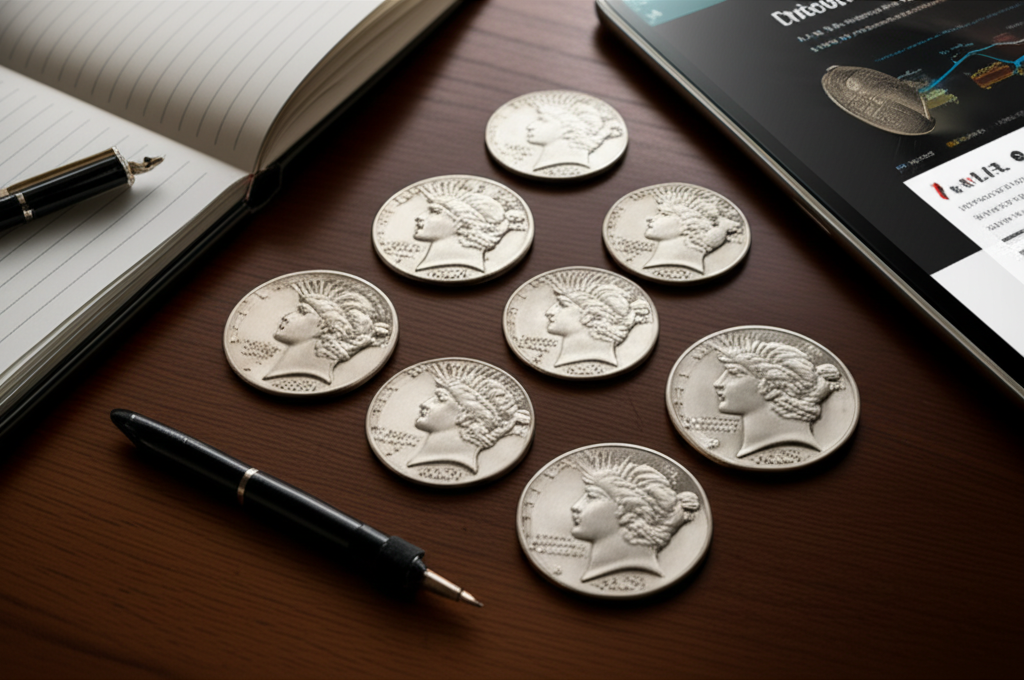
The Peace Dollar is a silver dollar coin minted by the United States from 1921 to 1935. It was designed by sculptor Anthony de Francisci to commemorate the end of World War I. The obverse features a profile of Lady Liberty, and the reverse depicts a soaring eagle perched on a rock, with the word “PEACE” boldly inscribed. This coin holds significant historical weight, symbolizing a hope for a new era of peace after a devastating global conflict. Its elegant design and historical narrative make it a popular choice for collectors.
Historical Significance of the Peace Dollar
The Peace Dollar wasn’t just another silver dollar; it was a statement. Commissioned as a commemorative piece, its very creation marked a pivotal moment in American and world history. The coin’s design itself is a powerful message of hope and resilience. Its mintage also coincided with a period of significant economic and social change in the United States. Understanding this historical context is key to appreciating the coin’s intrinsic value beyond its silver content.
Factors Affecting Peace Dollar Value
Several factors determine how much a Peace Dollar is worth, and understanding these is crucial for any potential investor. It’s not just about the date on the coin; condition, rarity, and even the mint mark play significant roles. I’ve seen collectors pay a premium for coins with exceptional eye appeal and minimal wear. Knowing these variables will help you spot a potentially valuable coin in the wild or at a coin show.
Mint Mark and Rarity

The mint mark on a Peace Dollar tells you where it was struck and is a significant indicator of its rarity. The primary mints for Peace Dollars were Philadelphia (no mint mark), Denver (D), and San Francisco (S). While Philadelphia produced the most coins overall, certain dates and mint marks are considerably scarcer than others. For instance, the 1928-S Peace Dollar is notoriously rare due to its low mintage. Rarity often drives up demand and, consequently, the price.
Condition (Grading)
The condition of a Peace Dollar is paramount to its value, and this is where numismatic grading comes into play. Coins are graded on a scale from Poor (P) to Mint State (MS), with MS-70 being the highest perfection. A coin graded MS-65, for example, will be worth significantly more than the same coin in an About Good (AG) condition. Key factors in grading include the amount of wear, the presence of scratches or nicks, and the overall luster of the coin. Reputable grading services like PCGS and NGC provide standardized assessments.
Key Dates and Mint Marks
Within the Peace Dollar series, certain dates and mint marks stand out as particularly valuable. These are often referred to as “key dates.” The 1921 High Relief is a significant early issue, and coins from 1928 and 1934, especially those from the San Francisco mint, are highly sought after. These key dates are usually scarcer and more in demand, making them a focus for serious collectors and investors. Identifying these can be a game-changer for your collection’s value.
Are Peace Dollars A Good Investment? Weighing the Pros and Cons
Now, let’s get to the heart of the matter: are Peace Dollars a good investment? Like any collectible, they come with their own set of advantages and disadvantages. It’s essential to have a balanced view before committing your capital. I’ve seen collections grow and shrink based on market trends, so understanding both sides of the coin is vital.
Pros of Investing in Peace Dollars
Intrinsic Value: Peace Dollars are made of 90% silver, meaning they have a melt value that provides a baseline of worth. This silver content offers a degree of protection against drastic price drops.
Historical Significance: These coins are tangible pieces of American history, appealing to collectors who value more than just monetary gain. This historical appeal can drive demand.
Numismatic Potential: Beyond their silver content, many Peace Dollars have numismatic value due to their rarity, condition, and historical importance. This can lead to appreciation well above melt value.
Accessibility: While some are rare, many common date Peace Dollars are relatively accessible to new collectors and investors, offering a good entry point into silver coinage.
Tangible Asset: Unlike stocks or bonds, Peace Dollars are physical assets you can hold, which appeals to many investors seeking diversification.
Cons of Investing in Peace Dollars
Market Volatility: The price of silver fluctuates, directly impacting the melt value of Peace Dollars. Numismatic value can also be affected by collector trends.
Grading Nuances: Determining a coin’s true grade can be subjective and requires expertise. Misjudging condition can lead to overpaying.
Storage and Security: Like any valuable physical asset, Peace Dollars require secure storage and may need insurance, adding to the overall cost of ownership.
Liquidity: Selling rare or high-grade Peace Dollars might take time, as finding the right buyer at the right price isn’t always immediate.
Premium Over Silver: Many Peace Dollars, especially those in higher grades or key dates, trade at a significant premium over their silver melt value. This premium can fluctuate.
Peace Dollars vs. Other Silver Investments
When considering silver investments, Peace Dollars are just one option among many. How do they stack up against other choices like American Silver Eagles, generic silver rounds, or even other historical silver dollars? Each has its own appeal and investment profile. I often see collectors debating these very points.
| Investment Type | Silver Content | Numismatic Premium | Historical Appeal | Accessibility |
| :———————– | :————- | :—————– | :—————- | :———— |
| Peace Dollars | 90% | Varies (can be high) | High | Moderate |
| American Silver Eagles | 99.9% | Low to Moderate | Moderate | High |
| Generic Silver Rounds | 99.9% | Very Low | Low | Very High |
| Morgan Silver Dollars | 90% | Varies (can be high) | High | Moderate |
American Silver Eagles are popular for their purity and government backing, while generic rounds are favored for their low premiums over the spot price of silver. Peace Dollars, however, offer a unique blend of silver content, historical narrative, and numismatic potential that sets them apart. Their appeal often lies in the story they tell as much as their intrinsic value.
How to Buy Peace Dollars: Tips for Smart Investing
If you’ve decided that Peace Dollars are a good investment for you, buying them wisely is the next critical step. It’s easy to get caught up in the excitement, but a methodical approach will serve you better. I always recommend doing your homework and buying from reputable sources.
Reputable Dealers and Sources
Your first port of call should be established coin dealers, both online and brick-and-mortar. Look for dealers who are members of professional organizations like the American Numismatic Association (ANA). Auction houses specializing in coins are also good options. Always check reviews and ask for references. Avoid deals that seem too good to be true, as they often are.
Understanding Market Pricing
Before you buy, familiarize yourself with current market prices for the specific Peace Dollars you’re interested in. Resources like the Red Book (A Guide Book of United States Coins) and online price guides can be invaluable. Compare prices from multiple reputable dealers to ensure you’re getting a fair deal. Remember that prices can vary based on grade and condition.
Authentication and Grading
For higher-value Peace Dollars, especially key dates or those in uncirculated grades, consider purchasing coins that have been graded and encapsulated by a reputable third-party grading service like PCGS (Professional Coin Grading Service) or NGC (Numismatic Guaranty Company). This provides an objective assessment of the coin’s condition and authenticity, reducing risk. Buying raw (ungraded) coins requires more expertise on your part.
Long-Term vs. Short-Term Investment Potential
Are Peace Dollars a good investment for quick profits or a long-term hold? Generally, coins like Peace Dollars are best viewed as long-term investments. Their value appreciation is typically gradual, driven by increasing collector demand and the finite supply of rarer dates and higher grades. Short-term gains are more likely tied to fluctuations in the silver market rather than significant numismatic growth.
How Metal Detecting Can Lead to Peace Dollars
For those of us who love metal detecting, finding a Peace Dollar in the ground is the ultimate thrill! While not every hunt will yield such a treasure, knowing where to look and what to listen for can increase your chances. I’ve had some incredible finds over the years, and a Peace Dollar is always a highlight. Understanding the history of an area can give you clues about where older coins might have been lost.
Targeting Historical Areas
Researching the history of your local area is key. Old homesteads, sites of former banks, areas around old schools, or even popular gathering spots from the early 20th century can be prime locations. People lost coins in their everyday lives, and these are the places they are most likely to have done so. Always ensure you have permission to detect on private property.
Recognizing the Signal
Peace Dollars, being silver, typically produce a strong, clear signal on most mid-range to high-end metal detectors. Their target ID numbers can vary depending on the detector, but they often fall within a range associated with clad coins or older silver pieces. Learning your detector’s nuances and practicing on known targets will help you identify potential silver finds with confidence. Pinpointing the exact location of the signal is also crucial to avoid damaging the coin during recovery.
Recovery Techniques
Once you’ve located a target, careful recovery is essential to preserve the coin’s condition. Use a good digging tool, like a trenching shovel or a hand digger, to make a clean plug of soil. Gently sift through the removed soil to locate the coin. If you find a Peace Dollar, handle it by the edges to avoid transferring oils from your skin, which can damage the surface over time.
The Future of Peace Dollar Investments
Looking ahead, the investment potential for Peace Dollars remains tied to several factors. The ongoing interest in numismatics, particularly among younger generations, could drive demand. Furthermore, as the supply of high-grade and rare Peace Dollars is finite, any increase in demand will naturally push prices upward. Continued interest in silver as a precious metal also provides a solid floor for their value.
Frequently Asked Questions About Peace Dollars
Q1: Are all Peace Dollars made of silver?
Yes, all U.S. Peace Dollars minted from 1921 to 1935 are made of 90% silver and 10% copper. This means they always have intrinsic value based on the silver content.
Q2: Which Peace Dollar is the most valuable?
The 1928-S Peace Dollar is generally considered the most valuable due to its extremely low mintage and high demand among collectors. Other key dates like the 1921 High Relief and certain 1934-D coins also command significant premiums.
Q3: How can I tell if my Peace Dollar is real?
Authentic Peace Dollars will have the correct design elements, weight (26.73 grams), and composition. If you’re unsure, it’s best to consult a reputable coin dealer or have it authenticated by a grading service like PCGS or NGC.
Q4: Should I clean my Peace Dollar if I find one metal detecting?
Absolutely not! Cleaning a coin, especially one found in the ground, can drastically reduce its numismatic value. Even a gentle wipe can cause micro-scratches visible under magnification. It’s best to leave it as is or consult a professional conservator.
Q5: What is a good starting point for collecting Peace Dollars?
A good starting point is often common dates in average circulated condition (Good to Very Fine). You can gradually upgrade to better condition coins or seek out more challenging dates as your knowledge and budget grow. Focus on building a solid foundation first.
Q6: How much is a common Peace Dollar worth?
A common date Peace Dollar in circulated condition typically sells for a small premium over its silver melt value. This can range from $20-$30 or more, depending on the current price of silver and the coin’s specific condition. Key dates and uncirculated coins will be significantly more valuable.
Conclusion: Are Peace Dollars A Good Investment?
So, are Peace Dollars a good investment? My seasoned perspective, after years of digging and dealing with numismatics, is that they can be. They offer a unique combination of tangible precious metal value, rich historical significance, and the potential for numismatic appreciation. For the collector who appreciates history and art, and for the investor who understands the nuances of rarity and condition, Peace Dollars can be a rewarding addition to a portfolio. They are not a get-rich-quick scheme; rather, they are tangible assets that often hold their value and can appreciate over the long term, especially rarer dates and higher-grade examples. Remember to buy from reputable sources, understand grading, and always consider the current silver market. Happy hunting, both in the field and in the market!
