


Published on: September 17, 2025 | Updated on: September 17, 2025
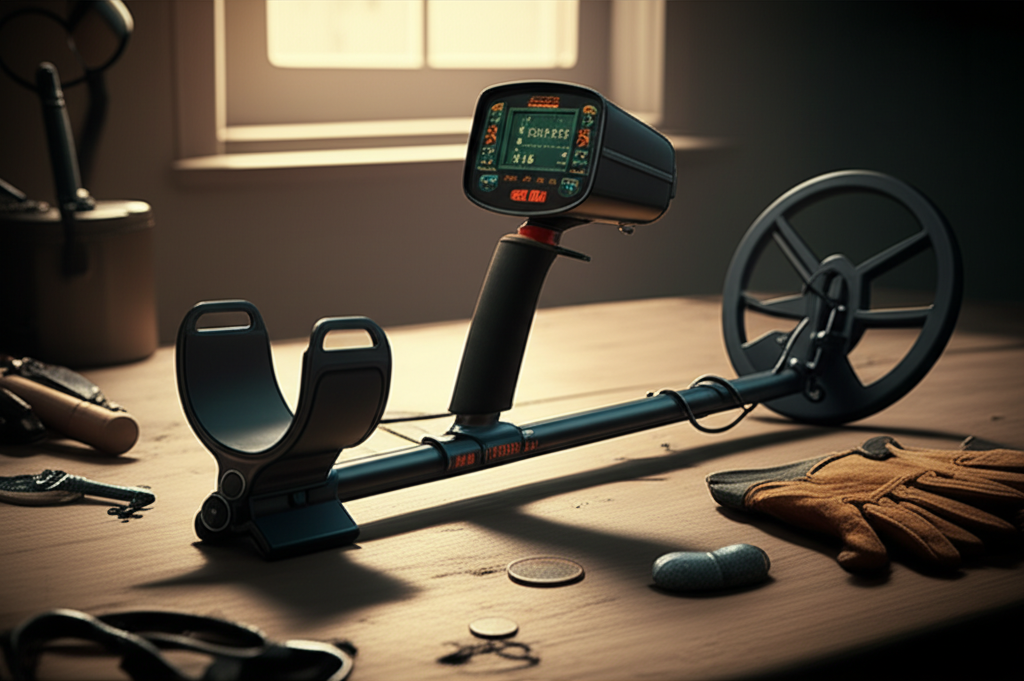
Best Inexpensive Metal Detector: Essential Finds for Every Budget
Discover the best inexpensive metal detectors that offer serious performance without breaking the bank. Get ready to uncover hidden treasures, from coins and relics to potential gold, with expert tips on choosing the right gear for your budget and detecting adventures.
So, you’ve caught the treasure hunting bug, but the thought of shelling out thousands for a top-tier metal detector makes you hesitate. I get it. The world of metal detecting can seem daunting, with a dizzying array of models and price points. Many beginners feel overwhelmed, unsure if an affordable detector can actually find anything worthwhile. This guide is here to cut through the noise and show you that fantastic finds are well within reach, even on a budget. We’ll explore the essential features to look for and highlight some of the best inexpensive metal detectors that deliver real value.
Why Choose an Inexpensive Metal Detector?
Many folks worry that budget-friendly metal detectors are just toys, incapable of finding anything substantial. This couldn’t be further from the truth for many modern entry-level machines. Advances in technology mean that even less expensive models can offer impressive depth and discrimination capabilities. Choosing an inexpensive metal detector is a smart way to start your detecting journey, learn the ropes, and confirm your passion without a significant financial commitment. It allows you to gain valuable experience that will inform future purchases if you decide to upgrade later.
Key Features to Look for in Affordable Detectors
When you’re hunting for the best inexpensive metal detector, focus on a few crucial features that truly impact performance. Don’t get sidetracked by flashy bells and whistles you don’t need. Prioritize adjustable sensitivity, which allows you to fine-tune the detector’s response to ground conditions and target size. Look for decent discrimination, enabling you to ignore common junk like iron nails while still detecting valuable targets. A decent coil size, typically 8 inches or larger, is also important for good coverage and depth.
Adjustable Sensitivity

Sensitivity is your detector’s ability to pick up faint signals from buried targets. On an inexpensive model, having an adjustable sensitivity setting is a game-changer. It lets you dial down the gain in areas with high electromagnetic interference or mineralized soil, preventing false signals. Conversely, you can crank it up in cleaner ground for maximum depth. This feature is vital for a stable and productive detecting experience.
Discrimination Settings
Discrimination is what allows your metal detector to ignore unwanted targets, like pull tabs and rusty nails, while alerting you to desirable finds like coins and jewelry. Even basic inexpensive detectors offer some level of discrimination. Understanding what each notch or setting represents will significantly improve your hunt efficiency and reduce digging time spent on trash. A simple visual or audio target ID system is also a huge plus.
Coil Size and Type
The search coil is the part of the detector that actually interacts with the ground. For most general-purpose detecting, an 8-inch or 9-inch coil is a great starting point. They offer a good balance between depth and target separation. Smaller coils are better for trashy areas, while larger coils offer greater depth and coverage but can be less sensitive to tiny targets. Most inexpensive detectors come with a standard concentric or double-D coil.
Water Resistance
While many high-end detectors boast fully submersible coils, inexpensive models might only offer a waterproof coil. This means you can detect in shallow water or wet grass without worry, but the control box should be kept dry. If your primary interest is beach hunting or detecting near rivers, ensure the coil at least is waterproof. Always check the manufacturer’s specifications carefully regarding water resistance.
Top Inexpensive Metal Detectors Under $300
Finding the best inexpensive metal detector doesn’t mean settling for poor performance. Several manufacturers offer excellent entry-level machines that punch above their weight. These detectors are perfect for beginners, casual hobbyists, or anyone looking for a reliable backup detector. They provide a solid foundation for learning the art of metal detecting and can yield some truly exciting finds.
Garrett Ace 200i
The Garrett Ace 200i is a perennial favorite for a reason. It’s incredibly user-friendly, with a simple interface and clear target identification. I’ve personally used this model and was impressed by its ability to distinguish between different types of metal, even in moderately mineralized soil. Its three search modes are clearly labeled for Coin, Jewelry, and All Metal, making it easy to select the right setting for your target.
Garrett Ace 200i is an excellent choice for beginners seeking a straightforward and effective metal detector. It offers good depth for its price and intuitive operation, allowing new users to start finding targets quickly. Its lightweight design also makes it comfortable for extended detecting sessions.
Bounty Hunter TK4 Tracker IV
The Bounty Hunter TK4 Tracker IV is a classic for a reason: it’s incredibly simple to use and very affordable. This detector is designed for ease of operation, with a single-knob control for power and sensitivity. It features a notch discrimination system that allows you to eliminate common junk metals. I’ve seen this detector pull up old coins and relics from surprisingly deep.
Bounty Hunter TK4 Tracker IV excels in its simplicity and budget-friendliness, making it ideal for absolute beginners. Its straightforward operation and effective discrimination make it a reliable tool for initial treasure hunting ventures. It’s a no-fuss machine that gets the job done.
Minelab Vanquish 340
Minelab’s Vanquish series has shaken up the entry-level market, and the 340 is its most budget-friendly offering. What sets it apart is its Multi-Frequency Simultaneous technology, usually found in much more expensive detectors. This means it operates on multiple frequencies at once, improving its sensitivity to a wider range of target sizes and types across different ground conditions. It’s an incredible feature for the price point.
The Minelab Vanquish 340 offers advanced Multi-Frequency technology at an accessible price. This allows for superior performance in various soil types and on diverse targets, making it one of the best inexpensive metal detectors available. Its ease of use combined with this powerful tech is truly impressive.
Best Metal Detectors for Under $500: Stepping Up Your Game
If you have a bit more budget, you can access detectors with enhanced features and performance. These models often offer better ground balancing, more sophisticated target ID, and sometimes even waterproof coils. They provide a more refined detecting experience and can unlock deeper targets and more challenging environments.
Garrett Ace 300i
The Garrett Ace 300i builds upon the success of its younger sibling with improved features. It boasts a larger 7×10-inch PROformance submersible search coil, which offers better depth and coverage. The digital target ID system provides more precise information about what lies beneath, and the adjustable frequency helps to eliminate interference from other detectors or power lines. I found its adjustable discrimination settings particularly useful for filtering out shallow iron.
Garrett Ace 300i represents a significant upgrade for those seeking more performance without a hefty price tag. Its larger coil and enhanced digital target ID make it more versatile for various detecting scenarios. This model is a great step up for serious hobbyists.
Nokta Makro Simplex+
The Nokta Makro Simplex+ has been a game-changer in the mid-range detector market. It’s fully submersible up to 3 meters (10 feet), which is rare at this price point. It features multiple search modes, advanced discrimination, and even a built-in wireless module for wireless headphones. I’ve tested this detector in wet sand and shallow water, and its performance was exceptional for its cost.
Nokta Makro Simplex+ is a remarkably capable and versatile detector, especially given its affordable price and waterproof design. It offers advanced features that rival much more expensive machines, making it an outstanding value for beach hunters and general-purpose detecting. It’s a truly rugged and reliable option.
Fisher F44
Fisher is known for its quality detectors, and the F44 is a standout in the affordable category. It features an impressive 11-inch DD waterproof elliptical coil, providing excellent depth and ground coverage while minimizing false signals from mineralized soil. The F44 also boasts five distinct search modes and a digital target ID system with visual and audible cues. I found its ground balancing to be particularly effective on challenging beaches.
Fisher F44 delivers exceptional performance with its large, waterproof DD coil and advanced ground balancing capabilities. It’s a robust and reliable choice for detecting in diverse conditions, from parks to beaches. This detector offers a premium feel and functionality at an accessible price point.
Essential Accessories for Your Inexpensive Detector
Once you’ve chosen your best inexpensive metal detector, consider a few key accessories to enhance your detecting experience. These items can significantly improve your efficiency and comfort in the field, making your treasure hunts more productive and enjoyable. They are often overlooked by beginners but are crucial for maximizing your finds.
Pinpointer
A pinpointer is a small, handheld detector that helps you pinpoint the exact location of a target within the soil plug. Instead of sweeping your large coil over every bit of dirt, you can use the pinpointer to quickly narrow down the target’s position. This saves immense time and reduces the size of your plugs, minimizing disturbance to the ground. A good pinpointer is arguably the most important accessory for any detectorist.
Digging Tools
You’ll need appropriate tools to retrieve your finds. A sturdy digging trowel or spade is essential for cutting clean plugs in the soil. For beach hunting, a sand scoop is indispensable. Look for tools made from durable stainless steel that can withstand tough ground conditions. Always practice responsible digging techniques to leave your sites looking as good as you found them.
Headphones
While not strictly essential, headphones can dramatically improve your detecting experience. They allow you to hear faint signals that might be missed with the speaker, especially in noisy environments. They also help conserve battery life and prevent disturbing others nearby. Many inexpensive detectors have a headphone jack, and basic wired headphones are readily available.
Carry Bag or Case
Protecting your investment is important. A dedicated carry bag or case will keep your detector clean and safe during transport and storage. Many bags offer padded compartments for the detector and accessories, preventing scratches and damage. This is especially useful if you plan to travel with your metal detector.
Understanding Metal Detector Technology for Beginners
Even the best inexpensive metal detector relies on fundamental principles. Understanding these basics will help you interpret signals and make better decisions in the field. Don’t be intimidated; these concepts are quite straightforward and will quickly become second nature.
VLF vs. PI Technology
Most inexpensive detectors use Very Low Frequency (VLF) technology. VLF detectors transmit and receive signals at specific frequencies, allowing them to discriminate between different types of metals. They are generally excellent for finding coins, jewelry, and relics. Pulse Induction (PI) detectors, typically found in more expensive models or specialized units, transmit short pulses and are less affected by mineralized ground or saltwater. For most general detecting, VLF is the way to go.
Target ID and Tones
Modern metal detectors provide information about potential targets through Target ID numbers and different audio tones. Target ID is usually displayed on a screen as a number, with different ranges corresponding to different metal types (e.g., low numbers for iron, mid-numbers for pull tabs and gold, higher numbers for silver and copper). Audio tones often use a multi-tone system to give you an audible clue about the target’s composition before you even dig. Learning these is key to efficient detecting.
Ground Balancing
Ground balance is the process of calibrating your metal detector to ignore the naturally occurring minerals in the soil, which can otherwise cause false signals. Many inexpensive detectors have automatic ground balancing, making it very easy to use. Manual ground balancing, found on some slightly more advanced models, offers greater control in highly mineralized areas. Proper ground balancing is crucial for achieving optimal depth and stability.
Where to Find the Best Inexpensive Metal Detector Deals
Hunting for the best inexpensive metal detector is often about finding the best value. Keep an eye out for sales, holiday promotions, and package deals from reputable dealers. Online retailers often have competitive pricing, but don’t discount local hobby shops. They can offer personalized advice and support, which is invaluable for beginners.
Reputable Online Retailers
Websites like Amazon, Detector Depot, and High Plains Prospectors are great places to start your search. These platforms offer a wide selection of models, customer reviews, and often competitive pricing. Always check for authorized dealer status to ensure you’re getting a genuine product with a full warranty. Many offer free shipping, which can add up to significant savings.
Local Hobby Shops
Don’t underestimate the power of your local metal detector shop. The staff are usually experienced detectorists themselves and can offer invaluable advice tailored to your local detecting conditions. They often have demo units you can try and may offer classes or group hunts. Supporting local businesses also helps keep the hobby thriving.
Used Market Considerations
Buying a used metal detector can be a great way to save money, but it comes with risks. Always buy from trusted sources or meet in person to test the detector thoroughly. Check for any signs of damage, especially to the coil and cable. Ensure all settings work correctly and that the battery compartment is clean. A used detector can be a fantastic bargain if you know what to look for.
Tips for Maximizing Your Finds with an Entry-Level Detector
Even with the best inexpensive metal detector, your success ultimately depends on your technique and perseverance. Focus on learning your machine, understanding its signals, and practicing good detecting habits. Every outing is a learning opportunity, and consistent effort will pay off.
Learn Your Machine Inside and Out
Spend time in your yard with your detector before heading to a public location. Bury various targets (coins, rings, pull tabs) at different depths and practice identifying their signals. Understand what each tone and number means for your specific model. The more familiar you are with your detector’s responses, the better you’ll be at distinguishing good targets from trash.
Hunt in Productive Locations
Focus your efforts on areas where people have historically gathered. Old parks, schoolyards, beaches, fairgrounds, and historic home sites are prime locations for finding lost coins and jewelry. Always check local regulations regarding metal detecting in public or private areas. Permission is key when detecting on private property.
Practice Patience and Persistence
Metal detecting is a hobby that rewards patience. You won’t find treasure on every outing, and you’ll dig a lot of junk. That’s part of the process. Celebrate the small victories, learn from each hunt, and keep swinging. The more time you spend in the field, the more likely you are to uncover those essential finds.
Frequently Asked Questions (FAQ)
Can an inexpensive metal detector find gold?
Yes, some inexpensive metal detectors can find gold, especially smaller pieces or jewelry. However, dedicated gold prospecting detectors often operate at higher frequencies, making them more sensitive to small gold nuggets. For general coin and jewelry hunting, an inexpensive detector is perfectly capable of finding gold rings.
What is the best inexpensive metal detector for beginners?
The Garrett Ace 200i and the Minelab Vanquish 340 are frequently cited as excellent choices for beginners. They offer user-friendly interfaces, good performance for their price, and are relatively easy to learn. The Vanquish 340 offers more advanced technology with its multi-frequency capability.
Do I need a pinpointer if I have a good metal detector?
Absolutely. Even with the most advanced metal detector, a pinpointer is essential for quickly locating a target within the soil plug. It significantly speeds up recovery and reduces the size of your digs, making your detecting much more efficient and enjoyable.
How deep can an inexpensive metal detector find targets?
Depth varies greatly depending on the detector, coil size, target size, and ground conditions. A good inexpensive metal detector can typically detect coins down to 6-8 inches in normal soil. Larger targets or those in cleaner soil can be found deeper.
Is it worth buying a used metal detector?
It can be, if you find a good deal from a reputable seller and can test it thoroughly. Used detectors can offer significant savings. However, be cautious of damaged coils or malfunctioning electronics. Always prioritize buying from trusted sources.
What is the most important feature on an inexpensive metal detector?
While several features are important, good discrimination capabilities are crucial for an inexpensive metal detector. This allows you to filter out common junk like iron nails and pull tabs, saving you time and frustration. A clear target ID system is also highly beneficial.
Conclusion
Embarking on your metal detecting adventure doesn’t require a fortune. The quest for the best inexpensive metal detector leads to surprisingly capable machines that can deliver exciting finds. By focusing on essential features like adjustable sensitivity, effective discrimination, and a decent coil, you can equip yourself with a tool that offers fantastic value. Whether you choose the user-friendly Garrett Ace 200i, the technologically advanced Minelab Vanquish 340, or another solid budget option, remember that practice, patience, and a good pinpointer are your greatest allies. Happy hunting, and may your digs be filled with treasures!
