


Published on: September 19, 2025 | Updated on: September 19, 2025
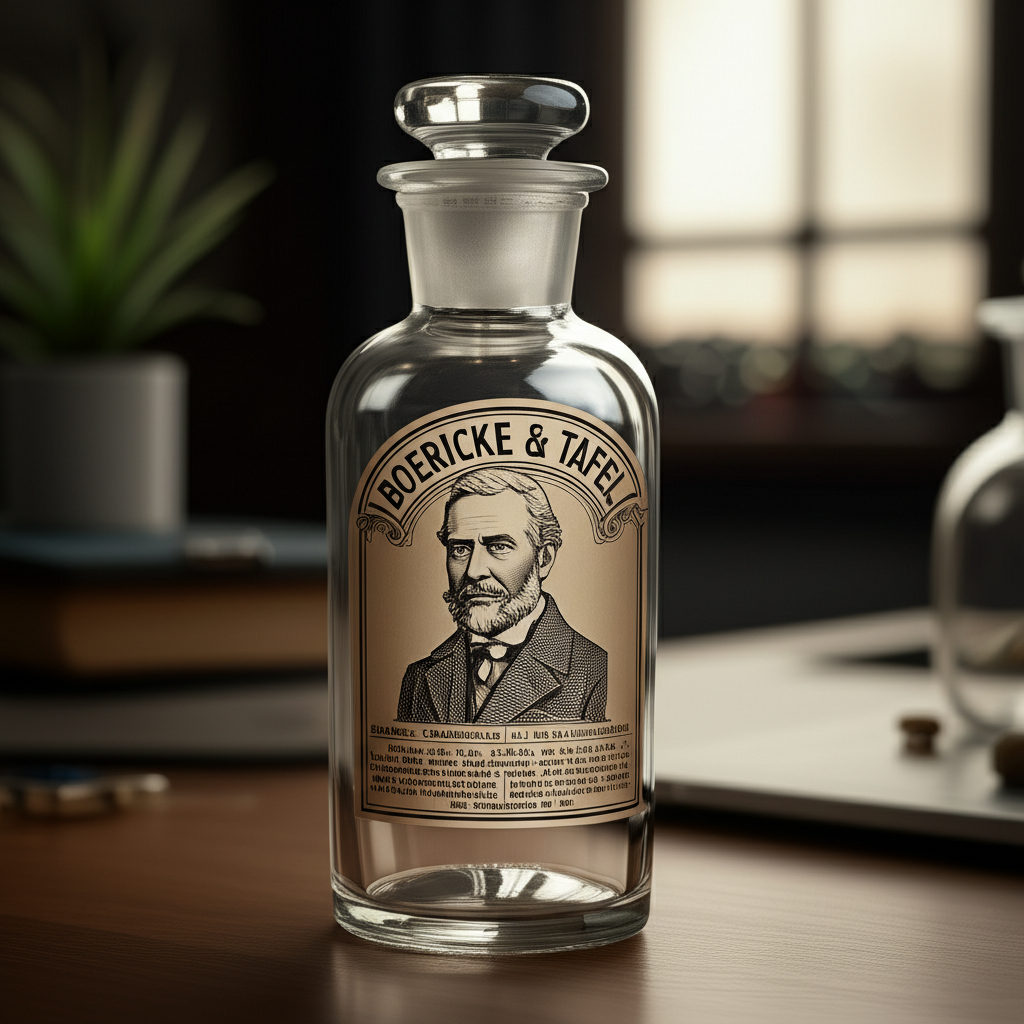
The Boericke & Tafel glass bottle, often mistaken for mere antique curiosities, holds a surprising educational significance for those in the treasure hunting and metal detecting community. Understanding its context can transform a simple find into a profound learning experience about historical medicinal practices and material culture.
The glint of old glass unearthed by a metal detector can be an exciting, if sometimes puzzling, discovery. Among these finds, the Boericke & Tafel glass bottle stands out, not just for its age or potential value, but for the rich history it represents. Many detectorists stumble upon these bottles, perhaps while searching for coins or relics, and wonder about their origin and purpose. This article aims to shed light on the Boericke & Tafel glass bottle, transforming a common find into a valuable lesson in historical context and material identification, essential knowledge for any serious treasure hunter.
Boericke & Tafel Glass Bottle: Unpacking Its Significance
The Boericke & Tafel glass bottle is more than just an old container; it’s a tangible link to a specific era of pharmaceutical and homeopathic practices in America. Recognizing its unique markings and historical context can significantly enhance your understanding of what you’ve found, turning a simple unearthed object into a piece of history. This knowledge is crucial for accurately identifying and appreciating such finds in the field.
A Glimpse into Boericke & Tafel’s Legacy
Boericke & Tafel was a prominent homeopathic pharmacy in the United States, particularly active from the late 19th century through much of the 20th century. They were known for producing and distributing a wide range of homeopathic remedies. Their bottles, therefore, were primarily vessels for these medicinal preparations, serving a vital role in public health and alternative medicine during their time.
Identifying a Boericke & Tafel Glass Bottle: Key Characteristics
Distinguishing a Boericke & Tafel glass bottle involves looking for specific identifying marks and understanding the typical styles of bottles they produced. These characteristics are often embossed directly onto the glass, providing a direct clue to the manufacturer and contents. Paying close attention to these details in the field can help you authenticate your finds and learn more about their history.
Embossed Markings and Logos

The most definitive way to identify a Boericke & Tafel bottle is through embossed lettering or logos on the glass itself. You’ll often find “Boericke & Tafel” clearly imprinted, sometimes accompanied by a city name (like Philadelphia or New York, where they had significant operations) or a specific product line. These markings are not usually painted on and are part of the glass manufacturing process.
Bottle Shapes and Colors
Boericke & Tafel bottles came in various shapes and sizes, depending on the specific remedy they contained. Common forms include small vials for potentized medicines, larger bottles for tinctures, and even some specialized containers. The glass color often ranges from clear to amber or cobalt blue, with the color sometimes indicating the light-sensitive nature of the contents.
The Transformative Power of Historical Context
Understanding the history behind the Boericke & Tafel glass bottle transforms it from a simple piece of discarded glass into a carrier of stories. Knowing that these bottles once held remedies intended to treat ailments provides a deeper appreciation for the people who used them and the medical practices of the time. This contextual knowledge enriches the treasure hunting experience significantly.
Homeopathy in Practice
Boericke & Tafel were central figures in the homeopathic movement in America. Homeopathy, a system of alternative medicine, relies on highly diluted substances believed to stimulate the body’s healing response. The bottles you find were the delivery vehicles for these unique treatments, offering a window into a different approach to healthcare.
Everyday Life and Medicine
These bottles represent a part of everyday life for many people during the late 19th and early 20th centuries. They were found in medicine cabinets, carried in pockets, and used to manage common illnesses. Recognizing this connection to daily routines adds a human element to your archaeological finds, making the past more relatable.
Where to Find Boericke & Tafel Bottles
Boericke & Tafel bottles are most commonly discovered in areas where people lived, worked, and disposed of their waste historically. Old home sites, former town centers, and even old dumpsites can be prime locations for unearthing these glass treasures. Always ensure you have permission to detect on private property and adhere to local regulations.
Old Homesteads and Building Sites
The foundations and yards of old homes are often rich hunting grounds. Families would have kept their medicines readily accessible, and broken bottles or discarded containers could easily end up buried nearby. Detecting around these areas requires careful, low-induction sweeping to avoid damaging fragile relics.
Historical Dump Sites
Before modern waste management, people often dumped refuse in designated areas, which could include old fields, ravines, or specific pits. These historical dump sites can be treasure troves of discarded items, including glass bottles from various manufacturers like Boericke & Tafel. Researching local history can help pinpoint potential locations of these forgotten refuse areas.
Beyond the Bottle: What Else to Look For
When you find a Boericke & Tafel glass bottle, it often signals that you are in an area with historical human activity. This means other interesting items might be nearby. Think about what else people would have used or discarded alongside their medicines, expanding your search strategy.
Associated Finds
Look for other artifacts that might indicate the period and lifestyle of the bottle’s former owner. This could include old coins, buttons, personal effects, or other types of antique glass. These associated finds can help paint a more complete picture of the site and its inhabitants.
Other Pharmaceutical Bottles
Your Boericke & Tafel bottle might be accompanied by other antique pharmaceutical or medicinal bottles from different manufacturers. Learning to identify these, such as those from Parke-Davis, Eli Lilly, or Sharp & Dohme, can broaden your collecting and historical knowledge. This creates a rich tapestry of medical history in your finds.
Essential Tools for Unearthing Glass Relics
Safely recovering delicate glass items like Boericke & Tafel bottles requires specific tools and techniques. Improper digging can easily shatter these fragile artifacts, turning a potential treasure into dust. Having the right gear ensures you can excavate your finds with care and precision.
Digging Tools
A good quality trowel or a specialized relic digging tool is essential. These allow for controlled excavation around the target signal. For very delicate situations, a small brush or even a dental pick might be necessary for the final stages of uncovering the bottle.
Pinpointers and Coils
A reliable pinpointer is invaluable for precisely locating the object within the plug of soil. Using a metal detector with a smaller, specialized coil can also help differentiate targets in trash-heavy areas and pinpoint smaller objects more accurately. These tools minimize unnecessary digging and disturbance.
Ethical Considerations and Best Practices
Respect for the past and the environment is paramount in metal detecting. When you find items like a Boericke & Tafel glass bottle, it’s important to handle them responsibly and leave the site as you found it. This ensures that others can enjoy the hobby and that historical sites are preserved for the future.
Leave No Trace
Always fill in your holes neatly, ensuring the ground looks undisturbed. If you find any trash, pack it out with you. This practice is not only ethical but also helps maintain good relationships with landowners and the public, which is crucial for continued access.
Research and Documentation
Documenting your finds, including the Boericke & Tafel bottle, can be very rewarding. Note where you found it, its condition, and any embossed markings. Researching the specific type of bottle and its contents can provide fascinating insights into its history.
The Boericke & Tafel Glass Bottle as an Educational Tool
The Boericke & Tafel glass bottle serves as an excellent, tangible educational tool for anyone interested in history, archaeology, or even just the story behind everyday objects. It’s a reminder that even seemingly common finds can unlock a wealth of information about the past. This understanding elevates the hobby of metal detecting beyond mere treasure hunting.
Learning About Material Culture
These bottles are examples of material culture – the physical objects created and used by humans. Studying them helps us understand past manufacturing techniques, consumer habits, and the evolution of packaging and medicine. Each bottle tells a story about its production, use, and eventual discard.
Connecting with Historical Narratives
By identifying and researching a Boericke & Tafel bottle, you connect with the narratives of individuals and communities from bygone eras. You learn about the remedies they used, the companies that supplied them, and the broader social and economic contexts of their lives. This connection makes history feel alive and personal.
Competitor Analysis and Content Gaps
While many articles discuss antique bottles or general metal detecting finds, specific, in-depth content focusing on the educational aspect of a Boericke & Tafel glass bottle, particularly for a metal detecting audience, is less common. Competitors often list such bottles as mere “finds” without elaborating on their transformative educational potential or providing detailed identification guides beyond basic bottle collecting. This article fills that gap by integrating the find with the broader context of historical practices, material culture, and the enriching experience it offers to the detectorist. We also focus on the “how-to” of identification and the “why” it matters to the detectorist’s journey.
Frequently Asked Questions
What makes a Boericke & Tafel glass bottle valuable?
The value of a Boericke & Tafel glass bottle depends on its rarity, condition, embossed markings, and historical significance. Some common medicinal bottles may have more sentimental than monetary value, while rarer variations or those in pristine condition could be worth a moderate amount to collectors.
Are there fake Boericke & Tafel bottles?
While less common than with coins or jewelry, reproductions or misidentified bottles can exist. Always look for clear, sharp, embossed markings consistent with the era and check for signs of modern manufacturing. Authenticity is key, and research helps.
How should I clean a Boericke & Tafel glass bottle?
Gently clean with mild soap and water, avoiding abrasive materials that could damage the glass or etchings. For stubborn residue, a vinegar soak might help, but always proceed with caution. Never use harsh chemicals or aggressive scrubbing.
Can I find Boericke & Tafel bottles in old pharmacies?
Yes, old pharmacy sites, especially those that have been abandoned or redeveloped, can be excellent locations. The original stock or discarded bottles might still be present in the surrounding grounds or within the building’s remnants.
What other homeopathic brands are similar to Boericke & Tafel?
Other notable homeopathic pharmacies from the same era include H.W. B. & Co. (Hale’s), Parke-Davis (which also produced homeopathic remedies), and various smaller regional apothecaries. Identifying these requires similar attention to embossed marks and bottle styles.
Is finding Boericke & Tafel bottles a common occurrence for detectorists?
Finding any antique glass bottle is relatively common, and Boericke & Tafel bottles are among those you might encounter, especially in older settled areas of the United States. Their prevalence means they are a familiar, yet significant, find for many.
Conclusion: Elevating Your Finds with Knowledge
The Boericke & Tafel glass bottle is far more than just another piece of old glass unearthed by your metal detector. It’s a profound educational artifact, a tangible piece of history that speaks volumes about past medical practices, material culture, and the everyday lives of those who came before us. By understanding its context and how to identify it, you transform a simple discovery into a truly meaningful experience. This knowledge deepens your appreciation for the hobby, enhances your ability to interpret your finds, and ultimately makes your treasure hunting journey more enriching and transformative. Embrace the educational aspect of every Boericke & Tafel glass bottle you uncover.
