


Published on: September 28, 2025 | Updated on: September 28, 2025
Yes, you absolutely can make a living with a metal detector, but it requires dedication, the right gear, smart strategies, and a bit of luck. This guide reveals proven success stories and the practical steps you need to take.
Finding lost treasures and valuable items with a metal detector is a dream for many. It’s natural to wonder if this exciting hobby can truly turn into a sustainable income. Many people are frustrated by the idea of spending money on gear without a clear path to profitability. This article is here to guide you, offering a realistic look at how to succeed in metal detecting as a profession. We’ll explore the strategies, the tools, and the mindset needed to turn your passion into a paycheck.
Contents
- 1 The Realistic Prospect: Can You Make A Living With A Metal Detector?
- 2 Unearthing the Potential: What Can You Actually Find?
- 3 Essential Gear for the Aspiring Professional Detectorist
- 4 Strategic Location Scouting: Where to Find Your Fortune
- 5 Legal and Ethical Considerations: Staying on the Right Side of the Law
- 6 Building a Sustainable Income: Beyond Just Finding Items
- 7 Case Studies: Real People Making a Living
- 8 Overcoming Challenges: The Bumps in the Road
- 9 The Financial Breakdown: What to Expect
- 10 FAQ: Your Burning Questions Answered
- 11 Conclusion: Your Path to a Rewarding Career
- 12 Author
The Realistic Prospect: Can You Make A Living With A Metal Detector?
The short answer is a resounding yes, but it’s crucial to understand that it’s not a get-rich-quick scheme. Making a living with a metal detector involves consistent effort, strategic planning, and a deep understanding of your equipment and target locations. Success stories abound, but they are built on more than just luck; they are built on hard work and smart decision-making.
Unearthing the Potential: What Can You Actually Find?
When people ask if you can make a living with a metal detector, they often imagine finding chests of gold. While rare, the reality of profitable finds is more diverse. You’ll likely be searching for old coins, valuable jewelry, historical relics, and even raw gold in certain areas. Each type of find requires different approaches and equipment.
Coins: The Everyday Treasures

Lost pocket change from decades ago can add up, especially in well-trafficked areas like parks, old schoolyards, and fairgrounds. Certain vintage or rare coins can be worth significant amounts, often exceeding their face value tenfold or more. Understanding coin dating and mint marks is key to identifying high-value finds.
Jewelry: Sparkle and Profit
Lost rings, necklaces, and bracelets are common finds in public spaces. Gold, silver, and platinum pieces, even if damaged, can be melted down for their metal value. Intact vintage or designer jewelry can fetch premium prices from collectors.
Relics: A Window to the Past
Historical relics, such as old buttons, buckles, musket balls, and tools from bygone eras, are highly sought after by collectors and historical societies. These finds require careful excavation and preservation, and their value is often tied to their historical significance and rarity. Documenting where and when you found them is important.
Gold Prospecting: The Ultimate Prize
For many, the ultimate goal is finding natural gold nuggets. This often involves specialized equipment and venturing into known gold-bearing regions, requiring permits and adherence to mining regulations. It’s a challenging but potentially very rewarding path.
Essential Gear for the Aspiring Professional Detectorist
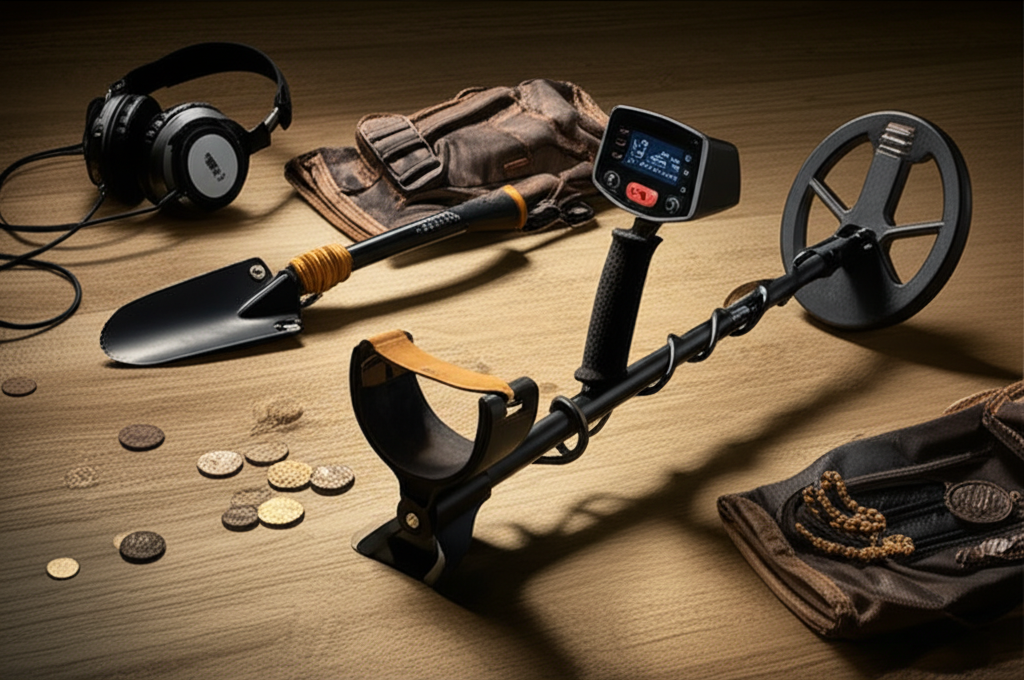
To even consider making a living, you need reliable, high-quality equipment. Investing in the right metal detector, coils, and accessories is paramount. Don’t skimp here; a good detector will pay for itself many times over.
Choosing Your Primary Detector
The best metal detector for making a living depends on your target. For general coin and relic hunting, versatile detectors like the Minelab Equinox series or the Garrett AT Pro are excellent starting points. If gold prospecting is your focus, you’ll need a detector with specialized gold prospecting capabilities, such as the Minelab GPX series.
The Power of Different Coils
Coil size and type significantly impact your search. Smaller coils offer better pinpointing and are great for trashy areas, while larger coils cover more ground and detect deeper. DD coils are generally better in mineralized ground, while concentric coils can offer better target separation.
Pinpointers: Don’t Dig Blindly
A good pinpointer is non-negotiable. It dramatically speeds up the recovery process, minimizing the size of your plug and reducing the risk of damaging your find. Brands like Garrett, Minelab, and Nokta Makro offer excellent options.
Digging Tools: Precision and Care
You’ll need sturdy digging tools, but also ones that allow for careful excavation. A quality digging trowel or shovel, along with a serrated digging tool for tougher soil, are essential. For relic hunting, specialized probes and brushes are often used.
Strategic Location Scouting: Where to Find Your Fortune
Knowing where to detect is as important as having the right gear. This involves research, understanding local history, and seeking permission where necessary. Public lands, historical sites (with permission), and old residential areas are prime targets.
Public Parks and Beaches
These are often overlooked goldmines for lost coins and jewelry. Areas with high foot traffic, especially near benches, picnic areas, and playgrounds, are excellent. Beaches can yield lost rings and other valuables, particularly after storms or high tides. Always check local regulations regarding metal detecting in parks and beaches.
Old Residential Areas and Homesteads
Homes built decades or centuries ago often have yards that have yielded countless lost items over the years. Researching historical maps can help identify sites of former residences. Always obtain permission from the current property owner before detecting on private land.
Historical Sites and Battlefields (with Caution and Permission)
These locations can be incredibly rich in relics. However, many are protected historical sites, and detecting may be illegal or require special permits. Thorough research into local laws and obtaining explicit permission are absolutely critical before even considering these areas. You can learn more about responsible relic hunting on resources like the National Park Service Archaeology website.
Farmland and Old School Grounds
Old farm fields can hold relics from agricultural life and discarded items from farmhouses. Old school grounds, especially those no longer in use, are fantastic for finding lost coins, marbles, and school-related items. Always seek permission from landowners.
Legal and Ethical Considerations: Staying on the Right Side of the Law
Making a living with a metal detector also means being a responsible detectorist. Understanding laws and ethics ensures you can continue your pursuit without legal trouble. Respecting property rights and historical integrity is paramount.
Know Your Local Laws
Regulations vary wildly. Some areas prohibit metal detecting entirely, while others have specific rules about where and what you can collect. Ignorance is no excuse; always research the laws for the specific locations you plan to hunt.
Obtain Permission
Detecting on private property without permission is trespassing and illegal. Always approach landowners, explain what you do, and secure their consent. Offering them a share of any valuable finds can be a good incentive.
Respect Historical Sites and Artifacts
Many found items are considered historical artifacts. Report significant finds to local historical societies or museums. Never disturb archaeological sites; this can lead to severe penalties and damages valuable historical context. The TreasureNet Legal Section is a good resource for understanding common legalities.
Responsible Excavation Techniques
Minimize your impact on the land. Use proper digging techniques that allow you to replace the soil and turf neatly, leaving no trace of your activity. This practice ensures you’re welcomed back to good hunting spots.
Building a Sustainable Income: Beyond Just Finding Items
Simply finding items isn’t enough; you need a plan to monetize your finds and your expertise. This involves selling, documenting, and even teaching others.
Selling Your Finds
Coins, jewelry, and relics can be sold through various channels. Online marketplaces like eBay, specialized auction houses, collector forums, and local coin or antique shops are common avenues. Knowing the market value of your finds is crucial for fair pricing.
The Value of Documentation and Provenance
For relics, detailed documentation of where and when you found an item, along with any historical context you can uncover, significantly increases its value. This provenance adds credibility and appeal to collectors. Consider keeping a detailed logbook.
Monetizing Your Expertise: Content Creation and Workshops
Many successful detectorists leverage their knowledge by creating content. This can include:
- Blogging and YouTube Channels: Reviewing gear, sharing hunt experiences, and offering tutorials can attract an audience and generate ad revenue or affiliate income.
- Writing Books or Guides: Compile your knowledge into a comprehensive guide for aspiring detectorists.
- Running Workshops: Teach beginners about metal detecting techniques, gear selection, and ethical practices.
This approach builds authority and creates multiple income streams.
Case Studies: Real People Making a Living
Let’s look at some examples of how detectorists have successfully turned their passion into a profession. These stories highlight different paths to success.
The Relic Hunter Extraordinaire
Meet “Arthur,” a detectorist who specializes in Civil War relics. He spends months researching historical battlefields and old homesteads, meticulously obtaining permissions. His finds, meticulously cleaned and documented, are sold to serious collectors and historical societies for substantial sums. He also occasionally consults for historical research projects.
The Coin and Jewelry Specialist
“Maria” focuses on high-traffic urban parks and beaches. Her keen eye for signal interpretation and fast recovery skills allow her to detect many valuable coins and lost jewelry items. She sells most of her finds online, reinvesting profits into better equipment and expanding her hunting territory. She also runs a popular local metal detecting club.
The Gold Prospector
“David” dedicates his time to prospecting in known goldfields. He uses specialized gold detectors and spends long hours in remote areas. While the finds are less frequent, the value of each gold nugget can be significant, allowing him to make a living. He shares his adventures on a dedicated YouTube channel, earning income through views and sponsorships.
Overcoming Challenges: The Bumps in the Road
It’s not always easy. You will encounter trash, legal hurdles, and slow periods. Persistence and adaptability are key to overcoming these challenges.
Dealing with Trash and Clutter
Most of your finds will be junk metal. Learning to distinguish desirable signals from trash signals is a skill that improves with practice and by understanding your detector’s capabilities. Responsible disposal of trash is also part of the process.
Navigating Slow Periods
There will be days, weeks, or even months where finds are scarce. This is when patience and diversification are crucial. Having other income streams or a financial cushion can help you weather these dry spells.
The Mental Game: Staying Motivated
Metal detecting can be physically demanding and mentally taxing. Staying motivated requires passion, setting realistic goals, and celebrating small victories. Remember why you started and the thrill of discovery.
The Financial Breakdown: What to Expect
Can you make a living with a metal detector? Financially, it’s variable. Initial investment in good gear can range from $500 to several thousand dollars.
| Item | Estimated Cost Range | Notes |
| :————— | :——————- | :———————————————– |
| Detector | $500 – $3,000+ | Depends on features and brand |
| Coils | $100 – $300+ | Extra coils for different conditions |
| Pinpointer | $50 – $150 | Essential for quick recovery |
| Digging Tools | $50 – $200 | Trowels, shovels, sand scoops |
| Headphones | $30 – $150 | Improves audio clarity |
| Boots/Gear | $100 – $300+ | Durable clothing and footwear |
| Fuel/Travel | Variable | For reaching hunting locations |
| Permits/Fees | Variable | If required for certain areas |
| Total Initial | $880 – $4,300+ | Varies based on individual choices and needs |
Your income will depend on the value of your finds, your efficiency, and your ability to sell them. Some detectorists make a modest side income, while a dedicated few can earn a full-time living. It’s essential to track your expenses and income to understand your profitability.
FAQ: Your Burning Questions Answered
Q1: Is it legal to keep everything I find with a metal detector?
Not always. Laws vary by location. On private land, you typically need permission from the landowner, and they might claim ownership of finds. Public lands often have specific regulations, and historically significant items may belong to the state or federal government. Always research local laws and obtain necessary permissions.
Q2: What is the best metal detector for a beginner who wants to make money?
For beginners aiming for profit, a versatile detector that balances ease of use with performance is ideal. Models like the Garrett AT Pro, Minelab Equinox 800, or Nokta Makro Simplex+ are excellent choices. They handle coins, jewelry, and some relics well and are reasonably priced.
Q3: How much money can someone realistically expect to make per month?
This varies greatly. A hobbyist might make a few hundred dollars a month from occasional finds. A dedicated, full-time detectorist with good locations and selling skills could potentially earn anywhere from $1,000 to $5,000+ per month, but this is not guaranteed and requires significant effort and some luck.
Q4: Do I need special permits to metal detect?
It depends entirely on the location. Many public parks and beaches have rules, and some may require a permit or restrict detecting. Historical sites are often off-limits without special authorization. Private property always requires explicit permission from the owner.
Q5: How do I find out where to detect?
Start by researching local history – old maps, historical societies, and community archives can reveal past settlements, old roads, and event locations. Public parks, beaches, and privately owned farmland (with permission) are common hunting grounds. Online forums and local detectorist clubs can also share valuable intel.
Q6: What if I find something historically significant?
If you suspect a find is historically significant, it’s best to report it. Contact your local historical society, museum, or archaeological department. They can help identify the item and ensure it’s preserved and studied correctly. Some jurisdictions have laws mandating the reporting of such finds.
Conclusion: Your Path to a Rewarding Career
So, can you make a living with a metal detector? Absolutely, but it demands more than just a casual stroll through the park. It requires a strategic approach, investment in quality gear, diligent research into locations, and a commitment to legal and ethical practices. By combining your passion with practical skills, embracing the challenges, and continually learning, you can indeed carve out a successful and rewarding career from this fascinating pursuit. The journey from hobbyist to professional detectorist is one of patience, persistence, and the thrill of uncovering history, one find at a time.
