


Published on: September 29, 2025 | Updated on: September 29, 2025
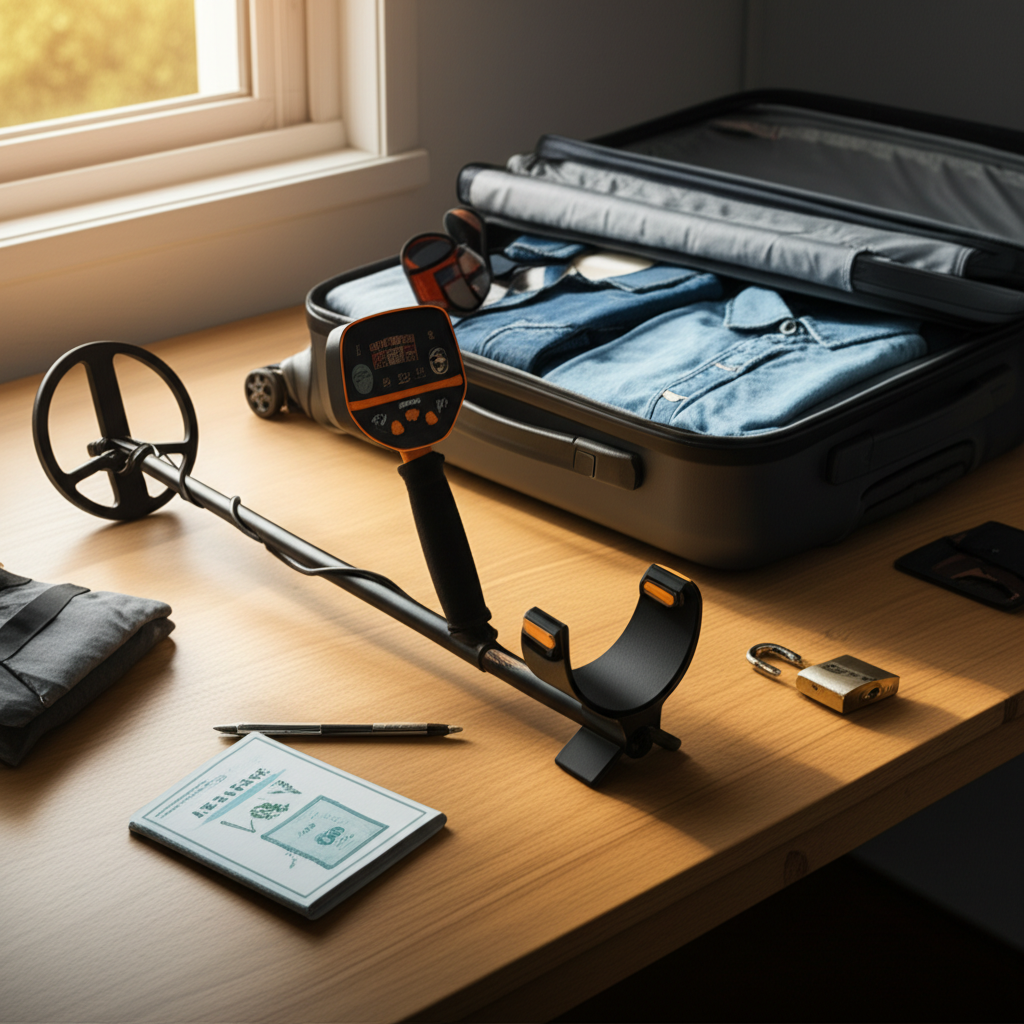
Yes, you absolutely can take a metal detector on a plane, but there are specific rules and preparations you need to follow to ensure a smooth journey.
As a detectorist who’s logged countless hours in the field and, yes, navigated my fair share of airports with my gear, I know the anxiety that comes with trying to figure out travel logistics. The thought of your prized metal detector getting lost, damaged, or confiscated at security can be a real headache. But don’t worry, it’s a common question, and thankfully, the answer is usually a resounding yes, with a few important caveats. This guide will walk you through everything you need to know, from packing strategies to airline policies, so you can focus on your next adventure.
Contents
- 1 Navigating Airport Security with Your Metal Detector
- 2 Understanding Airline Policies on Metal Detectors
- 3 Packing Your Metal Detector for the Flight
- 4 The Coil: A Special Consideration for Travel
- 5 Batteries and Metal Detectors: Navigating Regulations
- 6 TSA and Metal Detector Screening: What to Expect
- 7 Alternatives and Accessories: Packing Smart
- 8 International Travel with Your Metal Detector
- 9 Pre-Trip Checklist for Flying with Your Detector
- 10 Frequently Asked Questions (FAQ)
- 11 Conclusion: Fly Confidently with Your Metal Detector
- 12 Author
Flying with your metal detecting equipment doesn’t have to be a daunting experience. Airlines and airport security have specific guidelines, and understanding them is key to a stress-free trip. The good news is that most detectors are permitted, but how you pack and declare them matters. We’ll break down the essential steps to ensure your detector makes it through security without a hitch.
Is a Metal Detector Allowed in Carry-On Luggage?

Generally, a metal detector can be brought as carry-on luggage, but it depends on its size and the airline’s specific policies. Smaller, collapsible models are easier to manage, but even larger ones can often be stowed in overhead bins. Always check with your specific airline beforehand to avoid surprises at the gate.
Can a Metal Detector Go in Checked Baggage?
Yes, a metal detector is typically allowed in checked baggage. This is often the preferred method for larger or more complex setups, as it frees up space in your carry-on. However, it’s crucial to pack it securely to prevent damage during transit.
Understanding Airline Policies on Metal Detectors
Airlines view metal detectors as sporting goods or specialized equipment, not as prohibited items. However, the devil is in the details, and each airline may have slightly different interpretations or requirements. It’s always best to be proactive and confirm directly with your chosen carrier.
Checking with Your Specific Airline
Before you even pack, I highly recommend visiting your airline’s official website or giving their customer service a call. Look for sections on “checked baggage,” “carry-on baggage,” or “special items.” Searching for terms like “sporting equipment” or “oversized items” can also yield helpful information.
What Information to Gather from Your Airline
When you contact the airline, inquire about specific dimensions, weight limits, and any packaging requirements for your detector. Ask if there are any fees associated with transporting it, especially if it exceeds standard baggage dimensions. Knowing these details upfront will save you time and potential frustration at the airport.
Packing Your Metal Detector for the Flight
Proper packing is paramount to protecting your metal detector and ensuring it complies with airline regulations. This applies whether you’re choosing carry-on or checked baggage. Think of it as preparing your most valuable treasure hunting tool for a journey.
Carry-On Packing Strategies
If you opt for carry-on, choose a detector that disassembles easily. Remove the coil and battery pack if possible. Many detectors come with padded carrying bags, which are ideal for protecting the components and making them easier to handle through security.
Checked Baggage Packing Best Practices
For checked baggage, a sturdy, hard-shell case is your best bet. This type of case offers superior protection against impacts and crushing. Ensure all parts are padded, and consider removing the battery to comply with potential lithium-ion battery regulations for checked luggage.
The Coil: A Special Consideration for Travel
The coil is often the largest and most sensitive part of a metal detector. Its size and shape can sometimes raise questions at security checkpoints. Proper handling of the coil is crucial for both its safety and for passing through security smoothly.
Can You Take a Metal Detector Coil on a Plane?
Yes, you can take a metal detector coil on a plane, but it needs to be packed carefully. Many detectorists choose to pack their coils separately or within the main detector housing if space allows. The key is to protect it from damage and ensure it doesn’t trigger any unusual alarms.
Protecting Your Coil During Transit
A padded coil cover or a custom-cut foam insert within a protective case can go a long way. If you’re packing it in checked luggage, make sure it’s cushioned and won’t be subjected to excessive pressure. Some travelers even use bubble wrap or blankets for extra padding.
Batteries, especially lithium-ion types, are subject to strict regulations for air travel. Understanding these rules is vital to avoid having your detector confiscated or being denied boarding. This is one area where being informed is non-negotiable.
Lithium-Ion Battery Rules for Air Travel
The Transportation Security Administration (TSA) and most international aviation authorities generally require spare lithium-ion batteries to be carried in carry-on baggage only. These batteries must be protected from short circuits and damage. If your metal detector has an integrated lithium-ion battery, check the airline’s policy on devices with such batteries.
Tips for Traveling with Detector Batteries
Always remove batteries from your detector if possible, especially if they are lithium-ion. Store them in their original packaging or in a battery case. If the battery is integrated, check with the airline about their policy for such devices. Some airlines may require the device to be powered off and protected from accidental activation.
TSA and Metal Detector Screening: What to Expect
When you arrive at the airport, your metal detector will likely go through additional screening. Knowing what to expect can ease your mind and speed up the process. The TSA officers are trained to handle various types of equipment.
The Screening Process for Detectors
Your detector may be subject to visual inspection or even a pat-down. It’s a good idea to have your detector disassembled as much as practically possible for easier inspection. Having the manual or documentation handy can also be helpful if officers have questions.
Communicating with Security Personnel
Be cooperative and polite with security personnel. If asked, clearly explain what the item is. Stating that it’s a hobbyist metal detector for searching for coins and relics can often clarify its purpose. Avoid making jokes about explosives or weapons, as this can cause unnecessary complications.
Alternatives and Accessories: Packing Smart
Beyond the detector itself, you’ll likely have accessories like pinpointers, digging tools, and headphones. These also require careful packing and consideration for airline regulations. Smart packing of accessories can save space and ensure you have everything you need.
Can You Take a Pinpointer on a Plane?
Yes, pinpointers are generally allowed on planes. Like the main detector, they can typically go in either carry-on or checked baggage. However, due to their small size and potential for false alarms (they are metal, after all!), it’s often best to pack them in your carry-on for easier access and inspection.
Packing Digging Tools and Other Accessories
Digging tools, such as trowels or small shovels, are often considered prohibited items in carry-on baggage by the TSA due to their potential to be used as weapons. Therefore, it’s almost always best to pack these securely in your checked luggage. Ensure they are clean and free of any soil or debris before packing. Headphones and other electronic accessories can usually be packed in carry-on.
International Travel with Your Metal Detector
Traveling internationally with a metal detector adds another layer of complexity. Customs regulations and local laws regarding metal detecting can vary significantly from country to country. Researching these aspects is as important as understanding airline policies.
Customs Declarations and Regulations
Some countries require you to declare your metal detector upon arrival and departure. You might even need a permit to own or use a metal detector in certain regions. Failing to comply with these regulations can lead to confiscation of your equipment or fines.
Researching Local Metal Detecting Laws
Before your trip, thoroughly research the laws and regulations governing metal detecting in your destination country. Websites of national park services, historical societies, or even forums dedicated to metal detecting in that region can provide invaluable information. Understanding these laws ensures you can detect legally and ethically.
Pre-Trip Checklist for Flying with Your Detector
To make your travel experience as smooth as possible, here’s a quick checklist to ensure you’ve covered all your bases before heading to the airport. Being prepared is the best way to enjoy your trip.
Confirm Airline Policy: Check your airline’s website or call customer service regarding their specific rules for metal detectors and batteries.
Choose Your Baggage: Decide whether your detector will travel in carry-on or checked luggage.
Pack Securely: Use a protective case (hard-shell for checked, padded bag for carry-on) and secure all components.
Handle Batteries Wisely: Remove lithium-ion batteries if possible and pack them according to TSA/airline guidelines (carry-on only).
Disassemble if Needed: Be prepared to easily disassemble your detector for security screening.
Keep Documentation Handy: Have your detector’s manual or a printout of the airline’s policy available.
Research Destination Laws: For international travel, understand customs and local metal detecting regulations.
Label Your Luggage: Clearly label all your baggage with your contact information.
Frequently Asked Questions (FAQ)
Here are some common questions detectorists have when planning to fly with their gear.
Q1: Do I need to declare my metal detector to the airline?
While not always mandatory for domestic flights, it’s highly recommended to check your airline’s policy. For international travel, customs declarations might be required.
Q2: Can I bring a metal detector on a plane if it’s already assembled?
It’s generally best to disassemble your detector as much as possible for easier screening and to fit it into your luggage. Some larger detectors might be allowed assembled if they fit specific size constraints, but check with your airline.
Q3: What if my metal detector triggers the metal detectors at security?
This is unlikely as the security detectors are designed to detect threats, not hobby equipment. If it does, remain calm, explain it’s your metal detector, and be prepared for a manual inspection.
Q4: Are there specific brands of metal detectors that are easier to fly with?
Collapsible or modular detectors from brands like Minelab, Garrett, or Nokta Makro are generally easier to pack and travel with due to their design.
Q5: Can I bring my metal detecting headphones on the plane?
Yes, headphones are standard electronic items and can be brought in carry-on or checked luggage without issue.
Q6: What should I do if my metal detector is damaged during the flight?
If your detector was in checked baggage, file a claim with the airline immediately upon arrival. If it was in carry-on, you’ll need to assess the damage and contact the manufacturer if it’s a defect or a result of mishandling.
Conclusion: Fly Confidently with Your Metal Detector
So, can you take a metal detector on a plane? The definitive answer is yes, with proper planning and adherence to airline and security regulations. By understanding the policies, packing your gear strategically, and being prepared for the screening process, you can ensure your metal detector arrives safely at your destination. Don’t let travel concerns deter you from your next treasure hunting adventure. With this essential guide, you’re well-equipped to navigate the skies and get back to what you love – uncovering the hidden stories beneath the surface. Happy hunting, and safe travels!
