


Published on: September 29, 2025 | Updated on: September 29, 2025
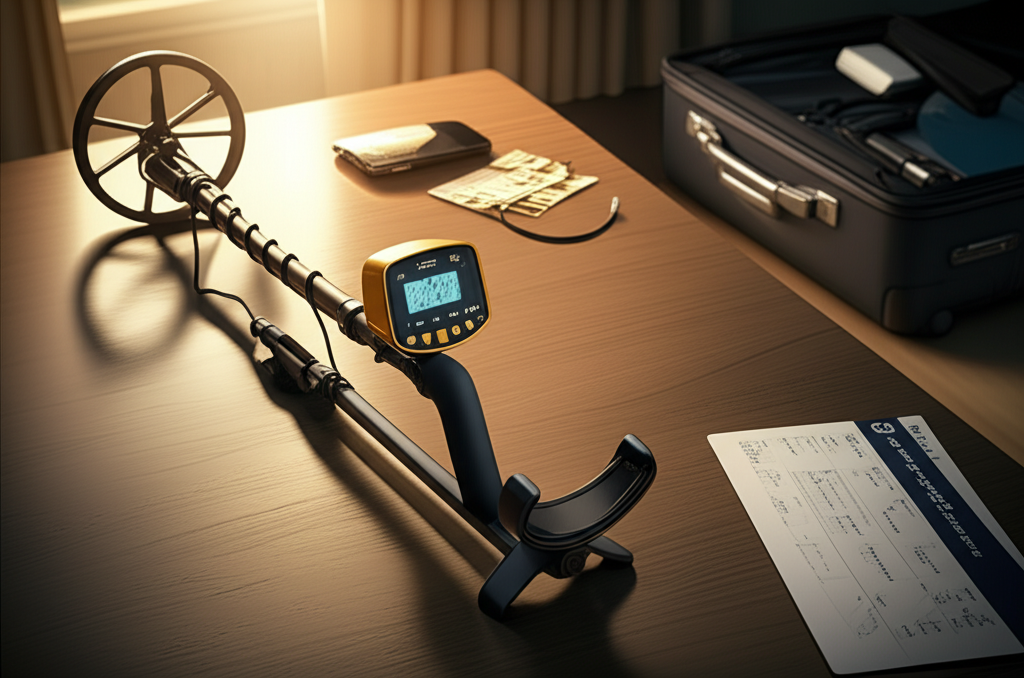
Yes, you can take a metal detector on a cruise, but it requires careful planning and adherence to specific airline and cruise line policies. This guide breaks down everything you need to know to ensure your treasure-hunting hobby doesn’t hit rough waters.
Metal detecting is an incredible hobby that lets you explore history and uncover hidden treasures, often in surprising places. But when the call of the sea beckons and you’re planning a cruise vacation, a common question pops up: “Can you take a metal detector on a cruise?” It’s a valid concern, as navigating airline baggage rules and cruise line regulations can feel like deciphering ancient maps. Don’t worry, I’ve been there, and I’m here to guide you through it. This comprehensive guide will cover everything from packing your detector to understanding the rules, ensuring your detecting adventure sets sail smoothly.
Contents
- 1 Your Metal Detector and Cruise Lines: Navigating the Rules
- 2 Airlines and Your Metal Detector: A Smooth Takeoff
- 3 Packing Your Metal Detector for the Journey
- 4 Metal Detecting on Cruise Ship Beaches: The Unwritten Rules
- 5 Where Can You Detect? Exploring Port Destinations
- 6 Essential Detecting Gear to Pack (Besides the Detector)
- 7 Dealing with Customs and Security
- 8 Can You Metal Detect on Cruise Ship Property?
- 9 When Detecting is Not Allowed: Common Scenarios
- 10 Frequently Asked Questions (FAQ)
- 11 Conclusion: Set Sail for Treasure
- 12 Author
Many detectorists dream of exploring exotic beaches or historic port towns accessible only by cruise ship. The good news is that most cruise lines permit metal detectors, but with important caveats. Understanding these policies upfront is key to avoiding disappointment or unexpected issues at embarkation. These rules are designed to ensure safety and manage space onboard.
Cruise Line Policies: What You Need to Know

Cruise lines generally view metal detectors as recreational equipment, similar to fishing gear or snorkeling equipment. However, policies can vary significantly between companies. Some may require you to check your detector as baggage, while others might allow it as carry-on, especially if it can be disassembled. It’s crucial to check the specific terms and conditions of your chosen cruise line well in advance of your sailing date. Look for sections on prohibited items, sporting equipment, or baggage policies on their official website.
Understanding Prohibited Items
While metal detectors themselves are rarely prohibited, certain components or accessories might be. For instance, large digging tools, shovels, or knives may be considered weapons or restricted items by some cruise lines. Always review the list of prohibited items carefully. It’s also wise to pack these items securely and discreetly.
The Importance of Disassembly
Many modern metal detectors are designed to be collapsible or easily disassembled into smaller parts. This makes them much easier to pack and transport, both on airlines and cruise ships. If your detector can be broken down into sections that fit into a standard suitcase, it often bypasses stricter regulations for larger items. This is a common strategy many detectorists use when traveling.
Airlines and Your Metal Detector: A Smooth Takeoff
Getting your metal detector to the port is the first hurdle. Airlines have their own set of rules regarding sporting equipment and large items. Planning your airline travel is just as important as understanding cruise line policies. Your detector’s size and whether it’s packed as checked or carry-on baggage will determine the process.
Checked Baggage Considerations
If you plan to check your metal detector, ensure it’s packed securely to withstand the rigors of baggage handling. A sturdy, padded case is highly recommended. Some airlines may charge additional fees for oversized or sporting equipment. Always check with your specific airline about their policies regarding metal detectors and any associated fees before you fly.
Carry-On vs. Checked: The Best Strategy
For most detectorists, disassembling the detector and packing the components in your carry-on luggage is the safest bet. This minimizes the risk of damage or loss during transit. It also allows you to keep your valuable equipment with you at all times. If your detector is too large even when disassembled, a well-padded checked bag is your next best option.
Airline Specific Policies to Research
Airlines like Delta, American Airlines, and United have specific guidelines for sporting goods. For instance, some might consider a disassembled metal detector as a single piece of sporting equipment, while others might have different classifications. It’s always best to contact the airline directly or check their website for the most up-to-date information. This proactive approach can save you a lot of stress at the airport.
Packing Your Metal Detector for the Journey
Proper packing is essential to protect your metal detector and comply with travel regulations. A little preparation goes a long way in ensuring your gear arrives safely and ready for action. Think of your packing strategy as the first step in a successful detecting expedition.
Choosing the Right Case
A dedicated metal detector case is an investment that pays off. Look for one that is hard-shelled, padded, and offers a secure fit for your disassembled detector. This will protect it from impacts and the elements. If a specialized case isn’t an option, a sturdy suitcase with ample padding and internal dividers can work.
Essential Accessories to Pack
Beyond the detector itself, don’t forget other crucial items. This includes your pinpointer, headphones, batteries (and a charger), and any necessary tools for assembly. Small, valuable finds might also need a pouch. Packing these items in a smaller, organized bag within your main luggage helps keep everything together.
What to Leave Behind (and Why)
As mentioned earlier, large digging tools, shovels, and spades are often prohibited by airlines and cruise lines. It’s usually best to purchase or rent these items at your destination if needed. Focus on packing the core detecting components and essentials that are universally accepted. This avoids unnecessary complications.
Metal Detecting on Cruise Ship Beaches: The Unwritten Rules
Once you’re on board and cruising, you’ll likely be eager to hit the sand. Many cruise passengers dream of finding treasures on the ship’s destination beaches. However, beach detecting comes with its own set of etiquette and regulations. Understanding these can help you avoid trouble and ensure a positive experience for everyone.
Local Laws and Regulations
This is paramount. Before you even step onto a beach with your detector, research the local laws of the port you’re visiting. Some countries or islands have strict rules against metal detecting, while others may require permits. Ignorance of the law is no excuse, and violations can lead to fines or confiscation of your equipment. Websites dedicated to metal detecting in specific regions can be invaluable resources.
Cruise Line Beach Policies
While cruise lines might allow detectors onboard, they may have restrictions on their use in certain areas, especially on private beaches they operate. Always check with the cruise line’s shore excursion desk or guest services for specific guidance regarding beach detecting at your ports of call. They can provide clarity on where it’s permitted and where it’s not.
Beach Etiquette: Be a Good Detectorist
Respecting other beachgoers is non-negotiable. Avoid detecting in crowded areas, and always fill in your holes neatly and completely. Leave the beach as you found it, or even better. Good etiquette ensures that the privilege of metal detecting on beaches remains available for future visitors.
Where Can You Detect? Exploring Port Destinations
Your cruise opens up a world of potential detecting locations. From historical sites to pristine coastlines, the opportunities are vast. However, not all locations are created equal, and some require more diligence than others. Strategic planning will maximize your chances of success.
Historical Sites and Beaches
Many cruise destinations boast rich histories, from ancient ruins to colonial settlements. Beaches near these sites can be prime locations for finding old coins, artifacts, and jewelry. Always verify if detecting is permitted in these sensitive historical areas. Often, a permit might be required.
Public vs. Private Property
Understanding land ownership is crucial. Public beaches are generally more accessible for detecting, but local regulations still apply. Private beaches, resorts, or properties require explicit permission from the owner before you can detect. Trespassing can lead to serious legal trouble.
Researching Your Ports of Call
Before your cruise, dedicate time to researching each port of call from a metal detecting perspective. Online forums, local detecting clubs, and travel blogs can offer insights into successful detecting spots and any specific rules. Tools like Google Earth can also help you scout potential locations from afar.
Essential Detecting Gear to Pack (Besides the Detector)
A metal detector is just one piece of the puzzle. To maximize your finds and ensure a comfortable detecting experience, several other items are indispensable. These are the tools that turn a good detecting session into a great one.
The Indispensable Pinpointer
A pinpointer is a small, handheld detector that helps you precisely locate targets within your plug of soil. It drastically reduces the time spent digging and the amount of sand you sift through. For beach and general detecting, a quality pinpointer is a must-have.
Digging Tools and Sand Scoops
While large shovels are often problematic for travel, smaller, collapsible digging tools and sand scoops are essential. For beach detecting, a sturdy sand scoop with a comfortable handle is invaluable for sifting through sand quickly. Look for corrosion-resistant materials.
Headphones and Batteries
Good quality waterproof headphones are crucial for hearing faint signals, especially in noisy environments like beaches. Don’t forget spare batteries for both your detector and pinpointer. Portable power banks can also be useful for recharging on the go.
Dealing with Customs and Security
Navigating airport security and customs with your metal detector can sometimes feel daunting. However, with the right approach, it’s usually a straightforward process. Transparency and preparation are your best allies here.
Declaring Your Equipment
In most cases, you don’t need to declare a disassembled metal detector as a hobbyist. However, if you are bringing specialized prospecting equipment or a large quantity of items, it might be worth checking with customs officials beforehand. Honesty and clarity are key.
Security Screening Procedures
When your detector parts go through the X-ray machine, they might raise questions due to their electronic nature. Be prepared to explain what they are. Having your detector in a clearly marked case or bag can help security personnel understand its purpose quickly. Sometimes, you might be asked to manually inspect the items.
Avoiding Suspicion
Avoid packing any suspicious items alongside your detector. Keep your gear organized and free of anything that could be misinterpreted. The goal is to present your equipment as what it is: recreational gear for a hobby.
Can You Metal Detect on Cruise Ship Property?
Cruise ships are essentially floating resorts, and understanding the rules about detecting within their domain is important. While you can bring your detector on board, using it on the ship itself is generally not permitted.
Detecting on the Ship Itself
Metal detectors are designed to find metal in the ground or sand, not on a ship’s deck. Attempting to use your detector on board would likely violate cruise line policy, disturb other passengers, and serve no practical purpose. Keep your detecting for your port excursions.
Restricted Areas on Ships
Cruise ships have numerous sensitive areas, including engine rooms, crew quarters, and high-security zones. Using a metal detector in these areas would be strictly prohibited and could lead to serious consequences. Stick to designated passenger areas.
When Detecting is Not Allowed: Common Scenarios
Even with careful planning, there will be times and places where metal detecting is either prohibited or impractical. Recognizing these situations will save you time, effort, and potential trouble.
Protected Archaeological Sites
Many destinations have areas designated as protected historical or archaeological sites. These areas are often off-limits to metal detecting to preserve their integrity and prevent the loss of valuable cultural heritage. Always respect signage and local guidance.
Private Property Without Permission
As mentioned, detecting on private land without explicit permission from the owner is trespassing. This is a common reason why detectorists get into trouble, especially in areas near private residences or businesses. Always seek consent.
Restricted Zones and Military Areas
Certain areas, such as military bases, government facilities, or restricted zones, are off-limits to metal detecting for security reasons. Be aware of your surroundings and adhere to all posted signs and regulations.
Frequently Asked Questions (FAQ)
Q1: Can I bring my metal detector as carry-on luggage on a plane to my cruise?
A: Yes, generally you can bring a disassembled metal detector as carry-on luggage. It’s best to pack the main shaft, coil, and control box separately in your bag to make it easier to go through security. Always check with your specific airline for their most current policies.
Q2: Will my cruise line confiscate my metal detector?
A: Most cruise lines allow metal detectors as recreational equipment. However, they may have specific rules about how they must be packed or stored. It’s crucial to check your cruise line’s policy beforehand to avoid any issues at embarkation.
Q3: Do I need a permit to metal detect on beaches in the Caribbean?
A: This varies greatly by island. Some islands have strict regulations or require permits for metal detecting, while others do not. Thorough research of each port of call’s local laws is essential before you plan to detect.
Q4: Are digging tools allowed on cruise ships?
A: Large shovels and spades are often prohibited. However, smaller collapsible digging tools and sand scoops are usually permitted, though it’s wise to check your cruise line’s specific policy on accessories. It’s often best to buy these at your destination.
Q5: Can I use my metal detector in the water on a cruise excursion?
A: If your metal detector is waterproof and you are on a beach where detecting is allowed, you can often use it in shallow water. However, always ensure you have permission to detect in that specific area, and be aware of local marine regulations.
Q6: What if my metal detector is too big for carry-on?
A: If your detector, even disassembled, is too large for carry-on, you will likely need to check it as baggage. Invest in a sturdy, padded case to protect it during transit and check your airline’s policies on sporting equipment.
Conclusion: Set Sail for Treasure
So, can you take a metal detector on a cruise? The answer is a resounding yes, with proper preparation and awareness. By understanding cruise line policies, airline regulations, and local laws at your destinations, you can ensure your metal detecting hobby travels with you without a hitch. Remember to pack smart, research diligently, and always practice good etiquette. Your next great find might be waiting on a sun-drenched beach or near a historic landmark, just a cruise away. Happy hunting, and may your voyages be filled with exciting discoveries!
