


Published on: September 30, 2025 | Updated on: September 30, 2025
Yes, you can use a metal detector on Jekyll Island, but you must adhere to specific rules and regulations set by the Jekyll Island Authority to ensure responsible detecting and preserve the island’s natural and historical integrity.
Can You Use A Metal Detector On Jekyll Island: Your Essential Guide
Navigating the rules for metal detecting on Jekyll Island can feel like searching for buried treasure itself – a bit confusing and potentially frustrating. Many detectorists wonder if their favorite hobby is welcome on this beautiful Georgia coast. The good news is, with the right knowledge, you absolutely can enjoy metal detecting on Jekyll Island. This guide will walk you through everything you need to know, from official regulations to the best spots and techniques, ensuring your treasure hunting is both successful and legal.
Contents
- 1 Understanding Jekyll Island Metal Detecting Regulations
- 2 Where Can You Legally Detect on Jekyll Island?
- 3 Essential Metal Detecting Gear for Jekyll Island
- 4 Techniques for Successful Beach Detecting
- 5 Detecting in Parks and Historical Areas (with Caution)
- 6 What Treasures Might You Find on Jekyll Island?
- 7 Navigating Jekyll Island’s Natural Environment
- 8 Legal and Ethical Considerations
- 9 Frequently Asked Questions (FAQ)
- 10 Conclusion
- 11 Author
Understanding Jekyll Island Metal Detecting Regulations
The primary concern for anyone asking, “Can you use a metal detector on Jekyll Island?” is the official stance of the Jekyll Island Authority (JIA). They have specific guidelines in place to protect the island’s unique environment and historical significance. It’s crucial to familiarize yourself with these rules before you even pack your detector.
The Jekyll Island Authority generally permits metal detecting on Jekyll Island, but with important restrictions. These regulations are designed to prevent damage to natural habitats, archaeological sites, and public property. Always check the most current JIA ordinances before your visit, as rules can change.
Where Can You Legally Detect on Jekyll Island?
Knowing where to swing your coil is as important as knowing the rules. While many areas are open, some are strictly off-limits to protect sensitive ecosystems and historical resources. Understanding these zones will save you from potential fines and disappointment.
Generally, metal detecting is allowed on public beaches below the high tide line. This means the wet sand areas that are regularly exposed to the ocean are usually fair game. However, it’s vital to avoid protected dunes, marsh areas, and any historical sites or parks on the island.
Beach Detecting: The Prime Location

Jekyll Island’s extensive coastline offers prime territory for beach detecting. The constant ebb and flow of the tides can churn up interesting finds, from modern jewelry to older coins dropped by past visitors. This is where most detectorists will find the most success.
Focus your efforts on the wet sand, especially after storms or high tides, as these conditions often reveal new targets. Look for areas where people commonly gather, such as near public access points or popular swimming spots. Remember to fill in any holes you dig to leave the beach as you found it.
Restricted Areas: What to Avoid
Certain areas on Jekyll Island are designated as off-limits for metal detecting to preserve their integrity. These restrictions are not meant to deter you but to protect valuable natural and historical resources for everyone. Respecting these boundaries is non-negotiable.
Areas such as state parks, historical ruins, protected dunes, and any privately owned property are typically prohibited. Always look for signage indicating restricted zones. When in doubt, it’s best to err on the side of caution and avoid the area.
Essential Metal Detecting Gear for Jekyll Island
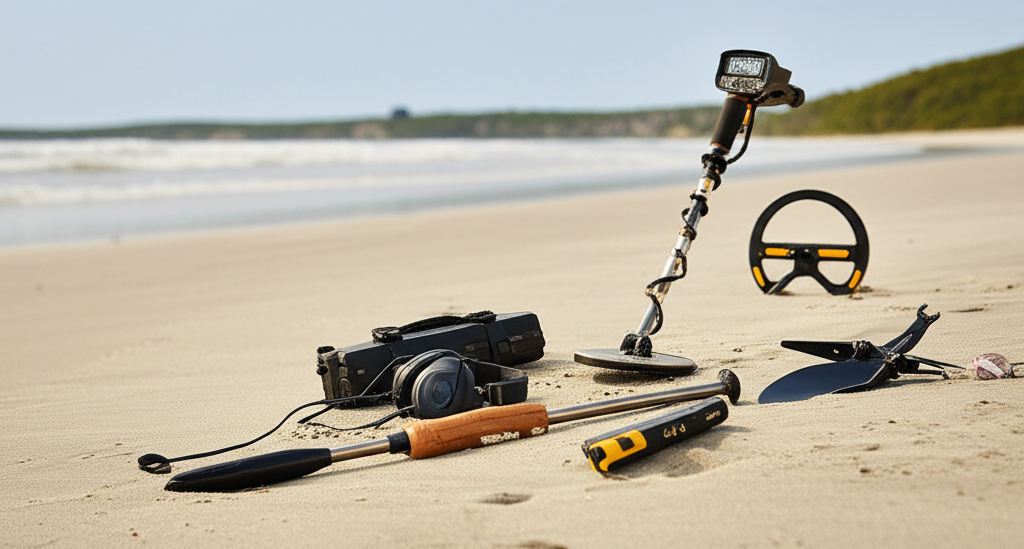
Choosing the right equipment can significantly impact your success and enjoyment when detecting on Jekyll Island. From the detector itself to essential accessories, having the proper gear makes the hunt more efficient and rewarding. I’ve found that a few key items make all the difference.
For Jekyll Island, a waterproof or submersible metal detector is highly recommended, especially for beach hunting. A good pinpointer is also indispensable for quickly locating targets in the sand, saving you time and effort. Don’t forget a sturdy digging tool and a mesh collection bag.
Choosing the Right Metal Detector
The type of metal detector you choose depends on your intended hunting grounds. For Jekyll Island’s beaches, a detector with good saltwater performance and discrimination capabilities is ideal. This helps filter out unwanted junk like pull tabs and bottle caps.
Many modern detectors are excellent for both wet and dry sand. Look for features like multiple frequencies, adjustable sensitivity, and target ID. Brands like Minelab, Garrett, and Nokta Makro offer robust options suitable for coastal environments.
Must-Have Accessories
Beyond the detector, several accessories are crucial for a productive and responsible detecting trip on Jekyll Island. These items enhance your ability to find targets and properly manage your finds and the environment. I never leave home without these.
Pinpointer: A handheld pinpointer is essential for pinpointing the exact location of a target within your dug plug. This drastically reduces digging time and disturbance.
Digging Tools: A sturdy sand scoop is a must for beach hunting. For areas with more vegetation or harder soil, a robust digging trowel or shovel might be necessary.
Mesh Collection Bag: This allows water and sand to drain away, keeping your finds clean and manageable.
Headphones: Waterproof headphones are great for beach detecting, helping you hear faint signals and keeping your finds private.
* Gloves: Protect your hands while digging and handling potential finds.
Techniques for Successful Beach Detecting
Beach detecting on Jekyll Island requires specific techniques to maximize your chances of finding treasure. The dynamic nature of the beach means that what worked yesterday might not work today. Adapting your approach is key.
The best technique involves systematic searching. Sweep your coil slowly and methodically, overlapping each sweep by about half the coil’s width. Vary your search patterns, and don’t be afraid to re-scan areas that have been recently exposed by tides.
The Art of the Plug
Proper digging technique is crucial for responsible metal detecting. It’s not just about finding treasure; it’s about leaving the beach in better condition than you found it. This practice is often referred to as “plugging.”
When you get a good signal, use your sand scoop or trowel to carefully cut a neat, three-sided plug of sand. Gently lift the plug and place it aside. Then, use your pinpointer to locate the target within the hole. Once the target is recovered, carefully replace the plug, pressing it down firmly to blend in with the surrounding sand.
Reading the Tides and Weather
The tides play a significant role in beach detecting success. Low tide exposes areas that are usually submerged, revealing potential targets. Conversely, high tide can wash new items ashore.
Pay attention to the tide charts for Jekyll Island. The period just as the tide is going out is often the most productive. Storms and strong wave action can also churn up the sand and bring interesting items to the surface.
Detecting in Parks and Historical Areas (with Caution)
While beaches are generally permitted, detecting in Jekyll Island’s parks or near historical sites requires extreme caution and a deep understanding of regulations. These areas are often protected for their cultural and historical significance. Always verify specific rules for each location.
If you are interested in historical finds, research the history of Jekyll Island thoroughly. Understanding where people congregated historically might offer clues, but always prioritize legal and ethical detecting practices. Detecting in areas known for historical artifacts can be highly rewarding but also carries the highest risk of violating regulations.
Respecting Historical Integrity
Jekyll Island has a rich history, and preserving its historical sites is paramount. Metal detecting in areas with known historical significance requires a heightened sense of responsibility. The goal is to learn from the past, not to disturb it.
Many historical sites are protected under federal and state laws. Unauthorized digging in these areas can lead to severe penalties. Always assume an area is off-limits if it appears to be of historical importance or if signage indicates so.
What Treasures Might You Find on Jekyll Island?
The allure of metal detecting often lies in the thrill of the unknown – what treasures might be hidden beneath the sand? Jekyll Island, with its history as a private retreat for the wealthy and its public beach access, offers a variety of potential finds.
You can expect to find modern jewelry, lost coins, and other personal items dropped by beachgoers. Given the island’s history, older coins, relics, and even pieces of historical significance are possible, though rarer. Always be prepared to identify and report any significant historical finds.
Common Beach Finds
The most common finds on Jekyll Island beaches are typically modern items. These are lost by visitors enjoying the sun and surf. They are often easier to find and identify.
Expect to recover a lot of modern coins, such as quarters, dimes, and pennies. You’ll also likely find plenty of pull tabs and bottle caps, which require good discrimination settings on your detector. Lost earrings, bracelets, and rings are also common and can be exciting finds.
Rare and Historical Finds
While less common, the possibility of unearthing historical artifacts adds an extra layer of excitement to detecting on Jekyll Island. These finds require careful handling and often necessitate reporting to authorities.
Older coins from the 19th or early 20th century might surface. Occasionally, detectorists might find relics related to the island’s past, such as buttons, buckles, or fragments of pottery. Any find that appears to be of historical or archaeological significance should be treated with care and potentially reported to the Jekyll Island Museum or the Georgia Historical Society.
Beyond the rules, understanding Jekyll Island’s natural environment is key to responsible detecting. The island is a delicate ecosystem supporting diverse wildlife and vegetation that needs protection. Your detecting activities should always aim to minimize your impact.
Be mindful of nesting sea turtles, shorebirds, and dune vegetation. Avoid disturbing these areas, and always practice leave-no-trace principles. This ensures the island remains a beautiful place for future generations and for continued detecting opportunities.
Protecting Wildlife and Habitats
Jekyll Island is a haven for various wildlife, including endangered species. Your detecting should not interfere with their habitats or life cycles. This includes being aware of nesting seasons for birds and sea turtles.
Never dig in or disturb dune areas, as these are critical habitats and natural barriers. If you encounter wildlife, observe from a distance and do not interfere. Responsible detecting means being a steward of the environment you are exploring.
Leave No Trace Principles
The “Leave No Trace” philosophy is fundamental to ethical metal detecting. It means leaving any area you detect in the same or better condition than you found it. This is crucial for maintaining good relations with park authorities and the public.
Always fill your holes completely, ensuring the sand is packed down to avoid creating hazards. Pack out everything you pack in, including any trash you find. Leave natural formations and vegetation undisturbed.
Legal and Ethical Considerations
Beyond Jekyll Island’s specific rules, there are broader legal and ethical considerations for metal detecting. Understanding these principles ensures you are a responsible hobbyist and avoids potential legal trouble. It’s about more than just the thrill of the hunt.
Always obtain permission if detecting on private property. Be aware of federal, state, and local laws regarding artifact recovery, especially for items of historical significance. Ethical detecting builds trust and keeps hobby-friendly locations open.
Reporting Significant Finds
If you unearth something that appears to be of historical or archaeological importance, it’s often legally required to report it. This ensures that valuable pieces of history are preserved and studied. Don’t assume you can keep everything you find.
Contact the Jekyll Island Museum or the Georgia Historical Society to report any significant finds. They can provide guidance on what to do next and help document the discovery. Proper reporting ensures that history is respected and preserved.
Working with Authorities
Maintaining a positive relationship with the Jekyll Island Authority and local law enforcement is beneficial for all detectorists. Following the rules and being a responsible hobbyist helps demonstrate that metal detecting can be a positive activity.
Be prepared to show your permit (if required) and explain your activities if approached by authorities. Always be courteous and cooperative. This positive interaction can prevent misunderstandings and ensure continued access.
Frequently Asked Questions (FAQ)
Can I metal detect anywhere on Jekyll Island?
No, you cannot metal detect everywhere. Detecting is generally permitted on public beaches below the high tide line but is prohibited in protected dunes, marsh areas, state parks, and historical sites. Always check the latest Jekyll Island Authority regulations.
Do I need a permit to metal detect on Jekyll Island?
Currently, the Jekyll Island Authority does not require a specific permit for metal detecting on the designated beach areas. However, rules can change, so it’s always wise to verify the latest ordinances before your visit.
What are the best times to metal detect on Jekyll Island?
The best times are often during low tide, especially as the tide is receding, as this exposes areas usually covered by water. After storms or significant wave action can also bring new targets to the surface. Early mornings and late afternoons can also be less crowded.
What kind of treasures can I expect to find on Jekyll Island beaches?
You can expect to find modern jewelry, coins, and other personal items lost by beachgoers. With patience and luck, you might also uncover older coins or historical relics, though these are less common.
What should I do if I find something historically significant?
If you find an item that appears to be historically or archaeologically significant, you should stop digging and report it to the Jekyll Island Museum or the Georgia Historical Society. Do not attempt to remove it without guidance.
Is it okay to dig holes on the beach?
Yes, but only if you fill them in completely and properly. Responsible detecting requires you to cut neat plugs and replace them, ensuring the beach is left in the same condition as you found it. Avoid damaging vegetation or dune structures.
Conclusion
So, to answer the question, “Can you use a metal detector on Jekyll Island?” – the answer is a resounding yes, with the crucial caveat of adhering to the Jekyll Island Authority’s regulations. By understanding where you can detect, equipping yourself with the right gear, employing effective techniques, and always prioritizing responsible and ethical detecting practices, you can have an incredibly rewarding experience. Jekyll Island offers a beautiful backdrop for treasure hunting, and by being a good steward of its environment and history, you contribute to keeping this hobby enjoyable and accessible for everyone. Happy hunting!
