


Published on: September 30, 2025 | Updated on: September 30, 2025
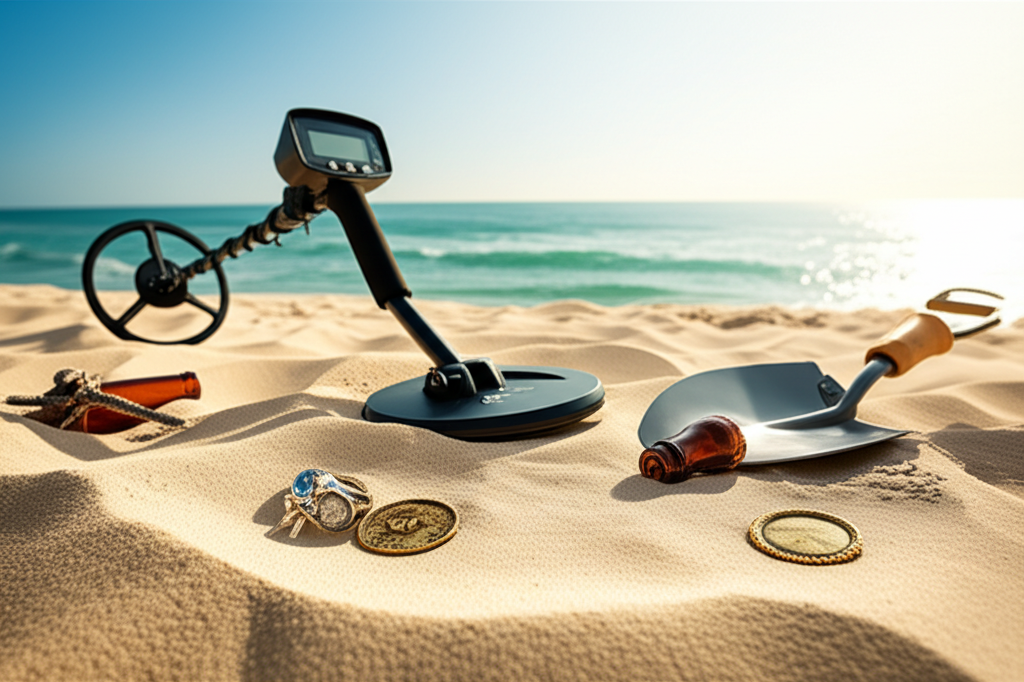
Yes, you absolutely can use a metal detector on South Padre Island! This popular Texas destination offers numerous beaches and public areas perfect for treasure hunting, with potential finds ranging from modern coins and jewelry to historical relics. Follow local guidelines and bring the right gear for a rewarding detecting experience.
Metal detecting on South Padre Island is a fantastic way to combine a beach vacation with the thrill of discovery. Many visitors wonder if it’s permitted and what treasures might await them. I’ve spent countless hours with my detector on various coastlines, and South Padre Island is certainly a place that sparks curiosity. This guide will walk you through everything you need to know, from regulations to the types of finds you can expect, ensuring your detecting adventure is both legal and successful.
South Padre Island Metal Detecting: Is It Allowed?
Yes, metal detecting is generally permitted on South Padre Island’s public beaches, but it’s crucial to understand and follow local ordinances to avoid any issues. Always prioritize responsible detecting practices and respect the environment.
Before you even think about swinging your coil, the most important question is whether you can legally use a metal detector on South Padre Island. The good news is that, for the most part, public beaches are open to detectorists. However, like any popular tourist spot, there are rules and regulations in place to protect the environment and historical integrity. It’s always best to be informed and prepared.
Understanding South Padre Island’s Detecting Regulations
Navigating South Padre Island’s detecting rules is straightforward: stick to public beaches, avoid protected dunes and historical sites, and fill your holes. Familiarize yourself with local signage for any specific restrictions.
The primary rule to remember is to respect private property and protected natural areas. Most of South Padre Island’s public beach access points allow metal detecting. However, you should steer clear of areas marked as protected dunes, as these are vital ecosystems and often off-limits. Also, be mindful of any historical markers or archaeological sites; disturbing these is strictly prohibited.
Key Regulations to Keep in Mind:

Public Beaches: These are your primary hunting grounds.
Protected Dunes: Avoid these areas; they are crucial for coastal preservation.
Historical/Archaeological Sites: Never detect in or near these locations.
Fill Your Holes: This is a golden rule of responsible detecting. Always fill in any holes you dig, leaving the beach as you found it.
Local Ordinances: While general rules apply, always check for any specific signs or notices posted by the city or park authorities.
Following these guidelines ensures that metal detecting remains a welcomed activity on South Padre Island for years to come. It’s about enjoying the hobby while being a good steward of the environment.
Essential Metal Detecting Gear for South Padre Island
To maximize your finds on South Padre Island, equip yourself with a beach-capable metal detector, a waterproof coil, a reliable pinpointer, and a sturdy digging tool. The right gear makes all the difference in wet sand and saltwater conditions.
Once you’ve confirmed it’s legal to detect, the next step is choosing the right equipment. South Padre Island’s environment, particularly its wet sand and potentially salty conditions, requires specific gear. Using the wrong detector or tools can lead to frustration and missed opportunities. I’ve learned through experience that investing in a few key items makes a huge difference.
Recommended Metal Detector Features for Beach Detecting:
Waterproof Coil: Essential for detecting in the surf and wet sand.
Ground Balance: Especially important for dealing with mineralized saltwater sand. Automatic or manual ground balance features are beneficial.
Multiple Frequencies: Different frequencies can detect different types of targets, from small jewelry to larger relics.
Discrimination Settings: Useful for filtering out common trash like pull tabs and foil, allowing you to focus on more desirable targets.
Must-Have Accessories:
Pinpointer: An indispensable tool for quickly locating targets once you’ve dug a plug. It saves immense time and effort.
Digging Tool: A strong, sharp digging trowel or shovel designed for sand is crucial. Look for one with a serrated edge for cutting through tougher sand.
Sand Scoop: A large scoop with holes helps sift sand and recover targets efficiently in wet sand.
Trash Pouch: Always carry a bag to collect any trash you unearth. Responsible detecting means leaving the beach cleaner than you found it.
Having the right setup means you’re prepared for the unique challenges and opportunities that South Padre Island’s beaches present. It allows you to focus on the hunt, not on battling with your equipment.
Top Metal Detecting Spots on South Padre Island
South Padre Island’s most promising metal detecting spots include its public beaches, particularly areas with high foot traffic like near popular access points and jetties. Explore the intertidal zone for the best chance at recent jewelry and coin drops.
Identifying productive locations is key to a successful metal detecting trip. South Padre Island offers a variety of environments, but some areas naturally attract more potential targets than others. I always look for places where people congregate and where the natural movement of sand might reveal buried items.
Promising Locations:
Main Public Beaches: Areas like Isla Blanca Park beach and the beaches near the convention center are usually good bets. These are high-traffic areas where people lose items throughout the year.
Near Jetties: The areas around the jetties can be productive as they concentrate items washed in by the tides and are popular spots for beachgoers.
Intertidal Zone: The area between the high tide line and the low tide line is often the most fruitful. Items dropped on the dry sand get washed down and buried by the tide, and items lost in the water can wash ashore.
Old Boardwalks or Pier Areas: If you can find historical remnants of old piers or boardwalks (and if detecting is permitted there), these can be goldmines for older coins and artifacts.
Remember to always check local signage for any specific restrictions on these areas. Even within permitted zones, some spots might be more productive than others depending on recent weather patterns and beach erosion.
What Can You Find on South Padre Island? Essential Finds
On South Padre Island, you can expect to find modern coins, lost jewelry (rings, earrings, necklaces), fishing lures, and potentially older relics or artifacts. The most common finds are typically dropped by beachgoers, but the island’s history also hints at deeper treasures.
The allure of metal detecting lies in the potential for exciting finds. South Padre Island, with its blend of tourist activity and historical significance, offers a diverse range of possibilities. I’ve seen everything from simple pocket change to significant pieces of jewelry emerge from the sand.
Typical Finds:
Modern Coins: Quarters, dimes, nickels, and pennies dropped by beachgoers are very common.
Jewelry: Rings (especially wedding bands), earrings, bracelets, and necklaces are frequent finds, particularly in areas where people swim or relax.
Fishing Gear: Lures, sinkers, and other small fishing accessories are often lost by anglers.
Pocket Debris: Keys, pocket knives, and other small personal items.
Potential for Deeper Treasures:
Older Coins: Depending on the beach’s history and erosion patterns, you might unearth older U.S. or foreign coins.
Relics: South Padre Island has a history that includes military presence and early settlements. While less common, the possibility of finding historical artifacts exists, especially in less disturbed areas.
Gold and Silver: While not a gold rush destination, the chances of finding gold or silver jewelry are always present on popular beaches.
The thrill of not knowing what your next signal will reveal is what makes metal detecting so addictive. Every sweep of the coil holds the promise of a unique discovery.
Techniques for Successful Beach Detecting on South Padre Island
Mastering beach detecting techniques on South Padre Island involves slow, overlapping sweeps in the wet sand, using a shallow sweep pattern in the surf, and employing a good pinpointer. Patience and methodical searching are key to unearthing treasures.
Simply having the right gear isn’t enough; knowing how to use it effectively in a beach environment is crucial. The sand, water, and salt present unique challenges that require specific techniques. I’ve refined my approach over years of detecting on various coastlines, and these methods have proven consistently effective.
Key Beach Detecting Techniques:
Slow and Steady Sweeps: In the wet sand and surf, move your coil slowly. This allows the detector to properly analyze the target. Overlap each sweep by about half the coil’s width to ensure complete coverage.
Shallow Coil Angle: Keep the coil as parallel to the ground as possible. This maximizes the detection depth and coverage area. In the surf, a slight angle might be necessary, but aim for flatness.
Listen to Your Detector: Pay close attention to the signals. Different tones and patterns can indicate different types of targets. Learn to distinguish between good targets and junk signals.
Pinpointing Mastery: Once you have a signal, use your pinpointer to precisely locate the target within the plug of sand. This saves immense time and prevents over-digging.
Target Recovery: Digging carefully and methodically is essential. For wet sand, a good sand scoop is often more efficient than a trowel. Always retrieve your target and fill your hole neatly.
Water Detecting: If your detector is waterproof, don’t be afraid to work in the shallow surf. This is where many items are lost and can be found. Work with the incoming tide to help uncover targets.
Applying these techniques will significantly increase your chances of finding those elusive coins and pieces of jewelry that make a detecting trip memorable.
Dealing with Saltwater and Mineralized Sand
South Padre Island’s saltwater and mineralized sand can interfere with your metal detector. Utilize your detector’s saltwater mode or manual ground balance feature to overcome these challenges and achieve accurate target identification.
One of the biggest hurdles in beach detecting, especially on the coast, is the presence of saltwater and highly mineralized sand. These elements can cause your detector to give false signals or become desensitized, making it difficult to find real targets. Overcoming this requires understanding your detector’s capabilities and using them correctly.
Strategies for Saltwater and Mineralization:
Ground Balance: This is your most powerful tool. Saltwater sand is often heavily mineralized. Perform a ground balance every time you move to a new area or when conditions change. Many modern detectors have automatic ground balance, but manual is often more precise.
Saltwater Modes: If your detector has a specific “saltwater” or “beach” mode, use it. These modes are specifically designed to ignore the ground mineralization and focus on targets.
Frequency Adjustments: Some detectors allow you to adjust the frequency. Higher frequencies are generally better for small gold jewelry, while lower frequencies can penetrate deeper for larger targets. Experiment to see what works best in the conditions.
Discrimination Settings: While you want to be careful not to discriminate out good targets (like gold rings, which can sometimes register as trash), judicious use of discrimination can help filter out common iron trash. Start with low discrimination and increase slowly if necessary.
Coil Choice: Waterproof coils are a must. Some coils are specifically designed for beach use and offer better performance in mineralized soil.
By understanding and mitigating the effects of saltwater and mineralization, you can ensure your detector is working effectively and reliably. This preparation is crucial for successful detecting on any saltwater beach.
Tools for Efficient Target Recovery
Efficient target recovery on South Padre Island requires a high-quality pinpointer and a robust digging tool or sand scoop. These tools minimize digging time and ensure you can retrieve your finds quickly and cleanly, especially in wet sand.
Finding a target with your detector is only half the battle. The real skill often lies in extracting it efficiently and without damaging it or the beach. I always carry a reliable pinpointer and a digging tool designed for sandy conditions to make this process smooth and quick.
Essential Recovery Tools:
Pinpointer: This handheld device is invaluable. Once you’ve identified a general area with your main detector, the pinpointer helps you zero in on the exact location of the target within the excavated sand plug. This saves an incredible amount of time and frustration. Look for one that is waterproof if you plan on detecting in the surf.
Sand Scoop: A good sand scoop is a must for beach detecting. It allows you to quickly sift through large amounts of sand, especially in wet conditions, to locate your target. Scoops with sharp edges can help cut through packed sand.
Digging Trowel/Spade: For drier sand or more compact areas, a sturdy digging trowel or a small spade with a serrated edge is useful. Ensure it’s robust enough to handle tough sand without bending.
Trash Pouch: As mentioned before, always carry a bag for your finds and any trash you unearth.
The goal is to get your target out of the ground with minimal disturbance to the beach. Well-chosen recovery tools make this process much easier and more enjoyable.
Historical Significance and Potential Relic Hunting
While primarily a recreational beach, South Padre Island’s history, including its role in maritime activities and early settlements, offers potential for finding historical relics. Focus on less disturbed areas or locations with known historical activity for the best chance at unique finds.
Beyond the modern coins and jewelry, South Padre Island holds a past that might be waiting to be unearthed. Its strategic location has made it a point of interest throughout history, from Spanish explorers to military operations. While most detecting will focus on recent drops, the possibility of uncovering relics adds another layer of excitement.
Historical Context:
Early Spanish Exploration: The island was part of the early exploration routes of the Gulf of Mexico.
Military Significance: During various periods, the island served strategic military purposes.
Maritime Activities: Its coastline has always been important for shipping and fishing.
Relic Hunting Tips:
Research Local History: Understanding the island’s past can guide you to potentially richer areas. Look for information on old settlements, shipwrecks (though these are usually offshore and require specialized equipment), or historical land use.
Focus on Less Traveled Areas: Modern coins and jewelry are concentrated where people are today. Older, more significant finds might be in areas that were historically significant but are now less frequented by beachgoers.
Use Lower Discrimination Settings: Relics can sometimes have different conductivity than modern targets. Be prepared to dig more trash to find those potentially historic items.
Report Significant Finds: If you are fortunate enough to unearth something of clear historical importance, consider contacting local historical societies or museums. Responsible detecting includes preserving history.
While relic hunting requires more research and patience, the potential reward of finding a piece of South Padre Island’s history is immense.
Ethical Detecting Practices on South Padre Island
Practicing ethical metal detecting on South Padre Island means filling all holes, removing all trash, respecting property boundaries, and being mindful of the environment. Adhering to these principles ensures continued access and preserves the island’s beauty for everyone.
Responsible detecting is not just about following rules; it’s about being a good guest on the land and beaches you explore. My philosophy is always to leave a place better than I found it. This ensures that the hobby remains welcome and that the natural beauty of South Padre Island is preserved.
The Pillars of Ethical Detecting:
Fill Your Holes: This is non-negotiable. Always dig neat plugs and replace the sand, tamping it down to leave no trace. This prevents hazards for others and protects the dune system.
Remove All Trash: Every piece of metal you dig up, whether it’s a pull tab or a rusty nail, should be removed from the beach. Use your trash pouch and dispose of it properly.
Respect Private Property: Never detect on private land without explicit permission from the owner. Stick to public access areas.
Avoid Protected Areas: As previously mentioned, stay away from protected dunes, wildlife habitats, and historical sites.
Minimize Disturbance: Be mindful of other beachgoers. Avoid digging directly next to people or in crowded areas unless you have their consent.
Know the Law: Stay informed about local ordinances and regulations. Ignorance is not an excuse.
By embracing these practices, you contribute positively to the metal detecting community and help ensure that places like South Padre Island remain open for exploration.
Frequently Asked Questions About Metal Detecting South Padre Island
Can I detect at night on South Padre Island? Generally, it’s best to avoid detecting at night unless specific public areas are lit and explicitly allow it. What kind of detector is best for South Padre Island? A beach-capable detector with good saltwater performance and a waterproof coil is ideal. Should I worry about digging up dangerous items? While rare, be cautious with rusty or corroded items; use gloves and report anything suspicious to authorities. How do I know if a spot is private property? Look for clear signage, fences, or consult local property maps if unsure. What is the best time of year to detect? Shoulder seasons (spring and fall) offer pleasant weather and potentially fewer crowds than peak summer.
Conclusion: Your South Padre Island Detecting Adventure Awaits
In conclusion, can you use a metal detector on South Padre Island? Absolutely! With proper preparation, the right gear, and a commitment to ethical practices, South Padre Island offers a rewarding experience for detectorists. Prepare to uncover modern treasures and perhaps even a piece of history.
My journey with metal detecting has taken me to many beautiful locations, and South Padre Island stands out as a prime spot for enthusiasts. The combination of its accessibility, sandy shores, and the sheer volume of visitors creates a fertile ground for finding lost coins, jewelry, and other intriguing items. Remember to always check the latest local regulations, equip yourself with a beach-ready metal detector and essential accessories like a pinpointer and sand scoop, and most importantly, practice responsible detecting by filling your holes and removing all trash. The thrill of that first strong signal, followed by the satisfying discovery of a hidden treasure, is an experience like no other, and South Padre Island is an excellent place to chase that excitement. Happy hunting!
