


Published on: September 30, 2025 | Updated on: September 30, 2025
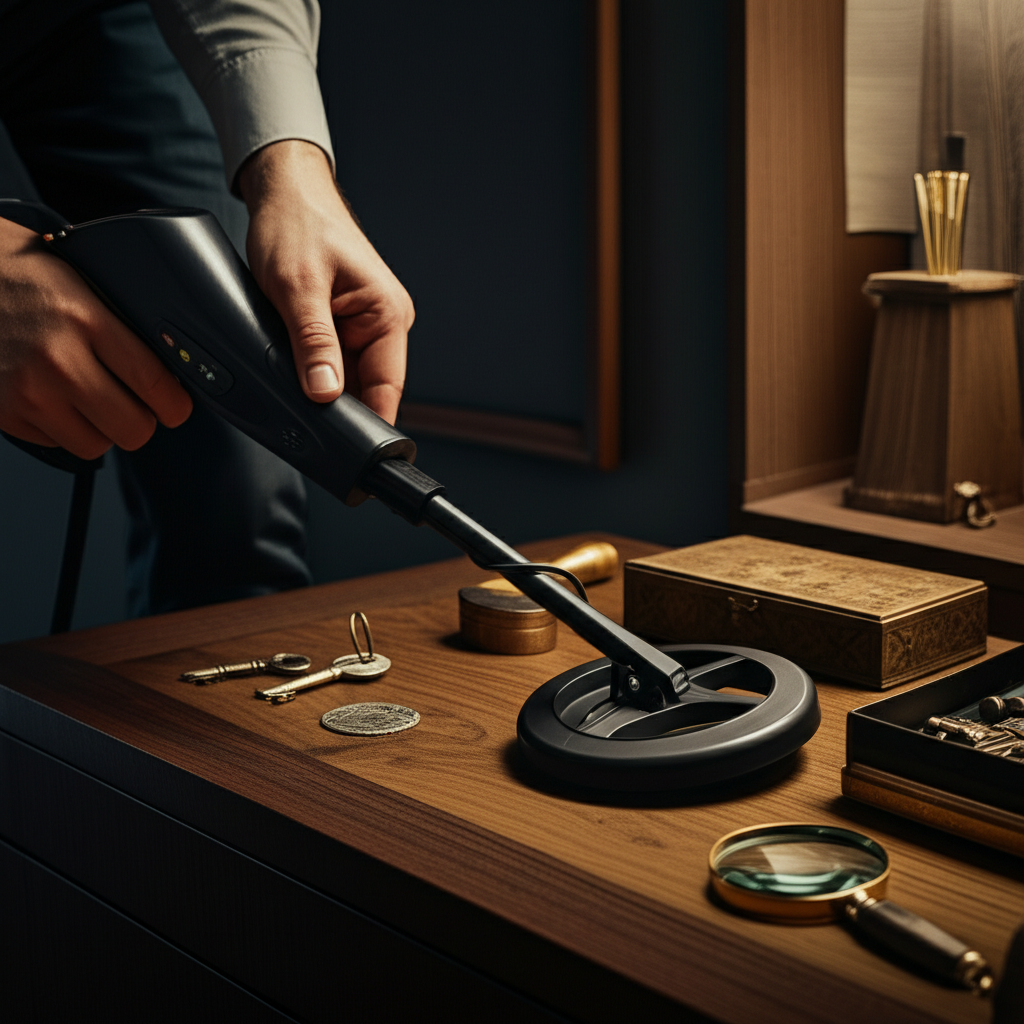
Yes, you absolutely can use a metal detector inside a house, and it’s a surprisingly effective way to uncover forgotten treasures. From lost jewelry to historical artifacts hidden within walls or under floorboards, indoor metal detecting reveals a world of hidden gems often overlooked. This guide will show you how and why.
Have you ever wondered if that old house you’re renovating, or even your own family home, might be hiding something valuable? Many people assume metal detectors are only for wide-open fields or beaches, but the truth is, they can be incredibly useful right inside your own four walls. It might sound a bit unusual, but with the right approach, you can unearth some truly fascinating finds without ever stepping outside.
Contents
- 1 Unlocking the Potential: Why Detect Indoors?
- 2 Can You Use A Metal Detector Inside A House? The Short Answer is YES!
- 3 Essential Gear for Indoor Detecting
- 4 Adapting Your Detector for Indoor Use
- 5 Navigating Common Indoor Obstacles
- 6 Targeting Specific Indoor Locations
- 7 Techniques for Successful Indoor Detecting
- 8 Dealing with Interference and False Signals
- 9 Respecting Property and Privacy
- 10 Legal and Ethical Considerations
- 11 Frequently Asked Questions (FAQ)
- 12 Conclusion: Your Home, a Hidden Treasure Trove
- 13 Author
Unlocking the Potential: Why Detect Indoors?
Indoor metal detecting is a fantastic way to find items lost over time. Think about dropped earrings that rolled under furniture, coins slipped between floorboards, or even historical items concealed during renovations. These spaces hold a unique kind of treasure, often with personal or historical significance that outdoor finds might lack. It’s a less common pursuit, meaning less competition and potentially more untouched targets waiting to be discovered.
Can You Use A Metal Detector Inside A House? The Short Answer is YES!
The simple answer is a resounding yes! Many metal detectors are perfectly capable of operating effectively within the confines of a house. While some advanced features might be more suited for outdoor environments, the core function of detecting metal remains the same. The key is understanding the limitations and adapting your technique for indoor spaces, which often present different challenges than open fields.
Essential Gear for Indoor Detecting
While you might be able to use your standard outdoor detector, a few pieces of gear can make indoor detecting much more efficient and enjoyable. Smaller, more agile detectors or specific coils designed for tight spaces can be incredibly beneficial. Don’t forget your pinpointer; it’s absolutely crucial for pinpointing targets in confined areas like under floorboards or within walls.
Compact Metal Detectors: Lighter and easier to maneuver in tight spots.
Small Search Coils: Allow access into nooks and crannies without hitting everything.
Pinpointer: Essential for precisely locating targets once a signal is detected.
Gloves: Protect your hands when sifting through debris or working in dusty areas.
* Small Trowel or Digging Tool: For carefully extracting targets from floorboards or plaster.
Adapting Your Detector for Indoor Use
Most modern metal detectors offer adjustable settings that can be tweaked for indoor environments. Sensitivity is a big one; you’ll likely need to lower it to avoid false signals from household items like pipes, wiring, or even metal studs in walls. Ground balance might also need adjustment, as the “ground” inside your house is very different from soil.
Experimenting with different modes can also help. Many detectors have a “jewelry” or “coin” mode that can filter out unwanted iron targets, which are common in older homes. Always consult your detector’s manual for specific recommendations on indoor use or low-mineralized environments.
Houses are filled with potential interference. Electrical wiring, plumbing, metal framing, and even certain types of insulation can all trigger your detector. Learning to distinguish between a genuine target and a false signal is a skill that develops with practice. Listening carefully to the tones and observing the target ID on your detector’s display will become second nature.
Targeting Specific Indoor Locations
Where should you focus your indoor metal detecting efforts? Several areas within a house are prime spots for lost items. Think about places where things naturally fall or get hidden.
Floorboards and Underneath

This is a classic spot for lost coins and jewelry. Over time, items can slip through cracks or get swept under loose boards. Carefully prying up floorboards (with permission, of course) can reveal a treasure trove of forgotten history.
Walls and Cavities
Older homes, in particular, might have items hidden within wall cavities. This could be anything from old coins stashed away for safekeeping to small artifacts left behind by previous occupants. Be cautious when probing walls, and always be aware of electrical wires and plumbing.
Fireplaces and Chimneys
These areas can accumulate all sorts of interesting items. Think about things that might have fallen down the chimney or been intentionally placed there. Soot and debris can hide small metallic objects effectively.
Attics and Basements
These often-overlooked spaces are goldmines for lost items. Attics can hold forgotten heirlooms or items stored away and then lost to memory. Basements, with their tendency to be damp and dusty, are perfect for concealing small, metallic objects over decades.
Old Furniture and Built-ins
Items can get lost in the nooks and crannies of old furniture, or within the structure of built-in cabinetry. Even a simple drawer slide can contain small metal components that might register.
Techniques for Successful Indoor Detecting
The approach to indoor detecting differs from outdoor methods. You need to be more precise and patient. Sweep slowly and deliberately, paying close attention to every signal.
Slow and Steady Wins the Race
Unlike outdoor sweeping, where you might cover ground quickly, indoor detecting requires a much slower sweep speed. This allows your detector to process signals accurately in a more cluttered electromagnetic environment. A slower sweep also helps avoid picking up multiple signals at once, which can confuse the detector.
Listening to Your Detector
Your metal detector’s audio is your best friend indoors. Learn to distinguish the different tones your machine produces for various types of metal. A sharp, clear tone might indicate a desirable target, while a choppy or erratic sound could be interference or junk.
Pinpointing with Precision
Once you get a repeatable signal, it’s time to pinpoint. Use your detector’s pinpoint mode, or a separate pinpointer, to narrow down the exact location of the target. This is especially important when working in tight spaces where digging is not an option.
Dealing with Interference and False Signals
Household environments are notorious for interference. Electrical fields from wiring, plumbing, and even appliances can cause your detector to react.
Lowering Sensitivity
As mentioned, reducing your detector’s sensitivity is often the first step in combating false signals. You want just enough sensitivity to pick up your targets without being overwhelmed by household noise. This might mean sacrificing the ability to detect very deep or very small targets, but it’s a necessary trade-off for indoor work.
Using Different Search Coils
If your detector allows, switching to a smaller search coil can be a game-changer indoors. Smaller coils are less prone to picking up interference from multiple targets or nearby metal objects like pipes. They also offer better maneuverability in tight spaces.
Understanding Target ID
Most modern detectors provide a Target ID number, which gives you an idea of the type of metal you’ve detected. Learn what these numbers typically mean for your specific detector. For example, a low number might indicate aluminum foil or pull tabs, while a higher number could be a coin or ring.
Respecting Property and Privacy
It’s crucial to remember that you’re detecting on private property. Always get explicit permission from the homeowner before you start searching. Be respectful of their belongings and their home. If you’re detecting in a historical property, ensure you’re following any local regulations or guidelines.
Legal and Ethical Considerations
Beyond getting permission, be aware of any laws regarding found items, especially in older properties or historical sites. Some jurisdictions have specific rules about what constitutes treasure trove and who it belongs to. When in doubt, research local laws or consult with historical societies.
Frequently Asked Questions (FAQ)
Q1: Can I use my garden metal detector inside my house?
A1: Yes, most garden metal detectors can be used indoors. You may need to adjust settings like sensitivity to reduce false signals from household items.
Q2: What kind of items can I find inside a house with a metal detector?
A2: You can find lost jewelry, coins, buttons, small tools, historical artifacts, and other metallic objects that have been dropped, lost, or intentionally hidden.
Q3: How do I avoid false signals from wires and pipes?
A3: Lower your detector’s sensitivity, use a smaller search coil if possible, and learn to interpret the different tones and Target ID numbers your detector provides.
Q4: Is it safe to use a metal detector near electrical wiring?
A4: It’s generally safe, but extreme caution is advised. Always be aware of where wiring is located. Avoid probing directly into walls where wiring is suspected without proper knowledge.
Q5: Do I need a special metal detector for indoor use?
A5: Not necessarily. While specialized indoor detectors exist, a good quality general-purpose detector can work well with proper adjustments and techniques.
Q6: What if I find something valuable? Who does it belong to?
A6: This depends on your agreement with the property owner and local laws. Always discuss ownership beforehand and be aware of any legal requirements for found items.
Conclusion: Your Home, a Hidden Treasure Trove
So, can you use a metal detector inside a house? Absolutely. The potential for uncovering hidden gems, lost heirlooms, and historical artifacts within your own living space is significant. By understanding the nuances of indoor detecting, adapting your gear and techniques, and respecting the property, you can embark on a unique and rewarding treasure hunting adventure right at home. Happy hunting for those essential hidden gems!
