


Published on: September 30, 2025 | Updated on: September 30, 2025
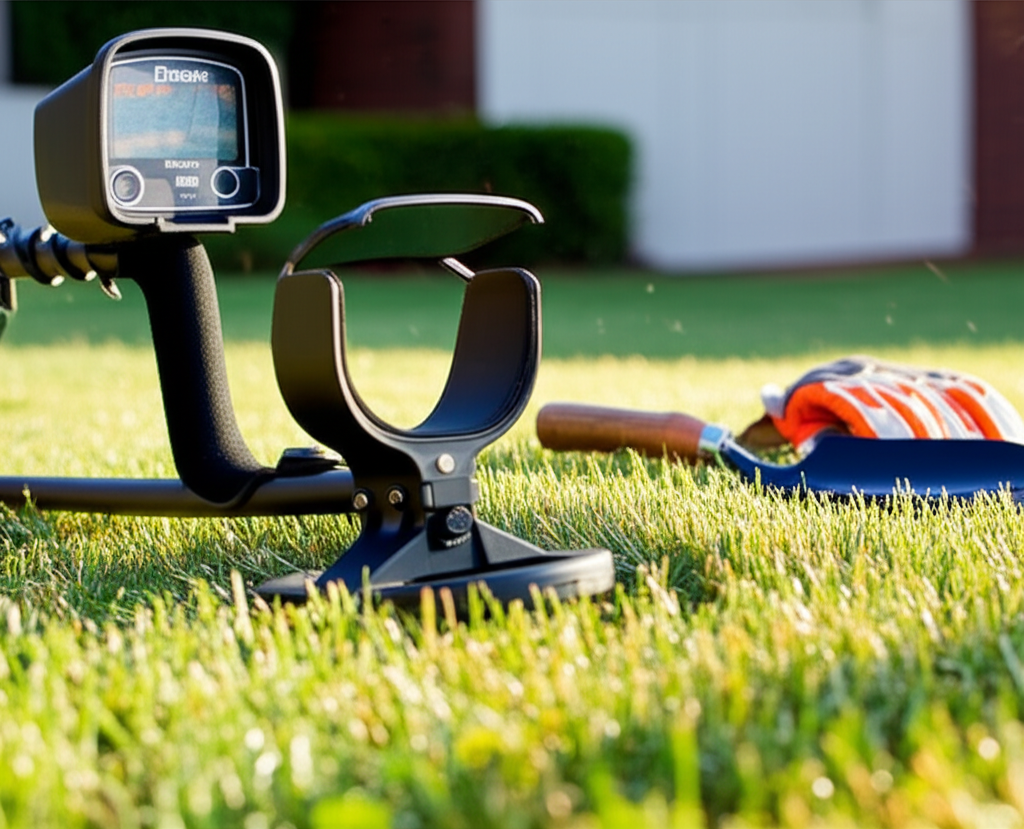
Yes, you can absolutely use a metal detector to find property stakes, especially those made of iron or steel. This guide will walk you through the best detectors, techniques, and considerations for successfully locating these buried markers.
Finding lost property stakes can be a frustrating, time-consuming task, often involving back-breaking digging and guesswork. Whether you’re a homeowner trying to define your boundaries, a surveyor needing to re-establish lines, or simply curious about what lies beneath your land, knowing the right tools and methods can save you immense effort. This article is your comprehensive guide to using a metal detector effectively to locate those elusive property stakes. We’ll cover everything from choosing the right detector to employing proven techniques in the field.
Why Metal Detectors Are Your Best Bet for Finding Property Stakes
When property lines become obscured by time, landscaping, or erosion, locating the original stakes is crucial for legal and practical reasons. While traditional methods like visual inspection or hiring professionals exist, they can be costly and time-consuming. A metal detector offers a more accessible and often quicker solution for individuals looking to pinpoint these buried markers themselves.
Metal detectors work by generating an electromagnetic field. When this field encounters a metallic object, like a property stake, it disrupts the field, and the detector signals the presence of metal. This technology makes them exceptionally well-suited for finding buried metal objects, including the iron or steel stakes commonly used for property marking.
Understanding Property Stakes and Their Materials
Property stakes, also known as boundary markers or survey pins, are essential for defining land ownership and legal boundaries. Historically, and even today, these markers are often made from materials that readily respond to metal detection. Understanding the common materials used will help you anticipate what your detector will find.
Most commonly, property stakes are made of iron or steel. These ferrous metals are strong and durable, making them suitable for long-term underground placement. Some older or less common markers might be made of aluminum or even brass, which are also detectable, though they may produce different signal characteristics.
Choosing the Right Metal Detector for the Job
Not all metal detectors are created equal, and selecting the right one can significantly impact your success in finding property stakes. For this specific task, you’ll want a detector that excels at detecting small, shallow to moderately deep iron targets. Simplicity and ease of use are also key for beginners.
Key Features to Look For:
Discrimination Capabilities: The ability to ignore trash (like nails and bottle caps) while still detecting your target stake is vital. Look for detectors with adjustable discrimination settings.
Sensitivity: Higher sensitivity allows the detector to pick up fainter signals from deeper or smaller targets.
Ground Balance: This feature helps the detector ignore minerals in the soil that can cause false signals. Adjustable ground balance is ideal for varied terrain.
Frequency: Lower frequencies (around 5-10 kHz) are generally good for detecting larger, deeper iron targets.
Waterproof Coil: Essential if you anticipate searching in wet grass, near streams, or during rainy conditions.
For finding property stakes, a good all-around detector with solid discrimination and sensitivity will serve you well. Many entry-level to mid-range detectors from reputable brands like Garrett, Minelab, or Nokta Makro are perfectly capable.
Essential Metal Detecting Accessories for Stake Hunting
Beyond the detector itself, a few key accessories can make your property stake hunt more efficient and enjoyable. These tools complement your metal detector and help you manage the process from start to finish.
Must-Have Accessories:
Pinpointer: This small, handheld device is crucial for precisely locating a target once your main detector signals it. It significantly reduces the area you need to dig and helps avoid damaging the stake.
Digging Tool: A sturdy digging trowel or a specialized digging tool with a serrated edge is necessary for excavating the soil. Choose one that’s robust enough for compacted earth.
Headphones: Headphones help you hear faint signals clearly and block out ambient noise, allowing you to focus on your detector’s audio cues.
Pouch or Bag: A finds pouch is useful for carrying your pinpointer, digging tool, and any other small items.
A reliable pinpointer, in particular, will drastically cut down on your search and digging time. It’s an investment that pays for itself quickly when trying to pinpoint buried objects.
Step-by-Step Guide: Using Your Metal Detector to Find Property Stakes
Successfully locating property stakes with a metal detector involves a methodical approach. Following these steps will maximize your chances of finding your markers without unnecessary frustration or digging.
1. Preparation and Research:
Gather Information: If possible, obtain old survey maps, property deeds, or any documentation that might indicate the approximate location of the original stakes.
Understand Your Detector: Read your metal detector’s manual thoroughly. Familiarize yourself with its settings, audio tones, and discrimination patterns.
Check Local Regulations: Be aware of any local ordinances regarding metal detecting on public or private property.
2. Setting Up Your Detector:
Ground Balance: Perform a ground balance if your detector has this feature. This optimizes the detector for the specific soil conditions.
Discrimination: Set your discrimination to ignore common trash items like iron nails and pull tabs, but keep it low enough not to miss a stake. A good starting point is to discriminate out iron, but be prepared to adjust if you’re missing targets.
Sensitivity: Start with a moderate sensitivity setting and increase it if necessary. Too high a setting can lead to false signals.
3. The Search Pattern:
Systematic Grid: Walk slowly and methodically, sweeping the detector coil in a consistent pattern, like a grid or overlapping lines. Overlap each sweep by about half the coil’s width to ensure complete coverage.
Listen Carefully: Pay close attention to the audio signals. Different tones and patterns indicate different types of metal. Iron targets often produce a low, choppy, or broken signal.
Target Identification: When you get a repeatable signal, try to pinpoint its exact location by sweeping the coil from different directions.
4. Pinpointing and Digging:
Use Your Pinpointer: Once you have a strong signal, use your handheld pinpointer to narrow down the target’s exact spot. This is where the pinpointer truly shines.
Careful Excavation: Dig a neat plug of soil around the pinpointed area. Avoid making a large, messy hole.
Probe Gently: Use your digging tool or a probe to gently search the removed soil and the hole itself for the stake.
Retrieve the Stake: Once found, carefully extract the stake.
5. Post-Search:
Replace the Soil: Always fill in your holes completely and neatly, replacing the turf plug if possible. Leave the area as you found it.
Record Location: If you find a stake, consider marking its location with a visible marker or noting its GPS coordinates for future reference.
This systematic approach ensures you cover ground effectively and minimize the impact on the landscape.
The type of terrain you’re searching in can affect how property stakes are buried and how easily they can be found. Each environment presents its own set of challenges and requires slight adjustments to your technique.
Lawns and Gardens: These are often the easiest places to search. The soil is typically looser, and stakes are usually placed at a consistent depth. However, be mindful of sprinkler systems and underground utilities.
Wooded Areas: In wooded areas, leaf litter, roots, and uneven ground can obscure signals. Stakes might be deeper or have been disturbed by tree growth. You may need to use a detector with better depth capabilities and be prepared for more challenging digging.
Fields and Pastures: These can be excellent locations, but the soil can be compacted. You might also encounter more iron trash from farming equipment. A detector with good discrimination and power is beneficial here.
Sloping or Uneven Ground: On slopes, it’s crucial to maintain a consistent coil height parallel to the ground. This can be tricky, so practice is key. Consider using a detector with good ground balancing for mineralized soils often found in hilly regions.
Remember to always be aware of your surroundings and any potential hazards in each environment.
Understanding Metal Detector Signals for Property Stakes
Interpreting the signals your metal detector gives off is a skill that improves with practice. Property stakes, being primarily iron or steel, tend to produce distinct audio cues.
Common Signal Characteristics for Iron Stakes:
Low Tone: Many detectors signal iron with a low-pitched audio tone.
Choppy or Broken Signal: The signal might not be a clean, consistent tone but rather a broken or choppy sound.
Chattering: A strong iron target can sometimes cause the detector to “chatter” or produce a rapid, broken sound.
High Conductor vs. Low Conductor: While stakes are typically low conductors (iron), sometimes they can have coatings or be part of a larger metallic structure that might confuse the detector. It’s often best to dig “iffy” signals in areas where you expect stakes.
Learning to differentiate these signals from those produced by coins or relics is part of becoming a proficient detectorist. Many modern detectors offer visual target ID numbers, which can provide additional clues. However, for iron, audio interpretation is often the most reliable indicator.
Troubleshooting Common Issues When Searching for Stakes
Even with the best intentions and equipment, you might run into issues. Knowing how to troubleshoot common problems will save you time and prevent frustration.
Issue: Too many false signals.
Solution: Adjust your discrimination settings to filter out more trash. Ensure your ground balance is set correctly for the soil conditions. Reduce sensitivity slightly.
Issue: Detector not picking up a known stake.
Solution: The stake might be deeper than your detector can reach, or it could be coated with a material that masks its signal. Try a different coil or a detector with more depth capability. Ensure you are sweeping the coil slowly and directly over the suspected location.
Issue: Difficulty pinpointing the exact location.
Solution: Practice using your pinpointer. Sweep your main detector coil in an “X” pattern over the target area to get the strongest signal at the center.
Issue: Digging and not finding anything.
Solution: Re-check your target identification. Sometimes a weak signal can be misleading. Try a different search pattern or consider that the stake may have been removed or decayed over time.
Patience and persistence are key. If one approach isn’t working, try a different setting or technique.
Legal and Ethical Considerations for Metal Detecting
Before you start searching for property stakes, it’s important to be aware of the legal and ethical guidelines surrounding metal detecting. Respecting these rules ensures you can continue enjoying your hobby without issues.
Property Rights: Always obtain explicit permission before metal detecting on private property. Detecting on public land may require permits or be restricted in certain areas, such as parks or historical sites.
Underground Utilities: Be extremely cautious when digging. Contact your local utility locating service (like 811 in the US) before digging to mark underground lines for gas, water, electricity, and communications. Hitting a utility line can be dangerous and costly.
Respecting the Environment: Fill in all holes completely and leave the area as you found it. Avoid damaging vegetation or disturbing wildlife. The goal is to find your stake, not to cause damage.
Adhering to these principles ensures your metal detecting activities are responsible and welcomed.
Frequently Asked Questions About Finding Property Stakes with a Metal Detector
Q1: Can any metal detector find property stakes?
A: While most metal detectors can detect iron or steel property stakes, detectors designed for general-purpose use with good discrimination and sensitivity will perform best. Very basic models might struggle with depth or distinguishing stakes from trash.
Q2: How deep can a metal detector find a property stake?
A: The depth depends on the detector’s power, the coil size, and the soil conditions. A good mid-range detector with a standard coil can typically find stakes buried up to 8-12 inches deep. Deeper stakes might require specialized equipment.
Q3: What if the property stake is made of plastic or wood?
A: Metal detectors can only find metallic objects. If your property stakes are made of non-metallic materials like plastic or wood, a metal detector will not be able to locate them. In such cases, you would need to rely on other methods like old maps or professional surveying.
Q4: How do I avoid digging up old nails and trash instead of stakes?
A: This is where discrimination settings come in. Learn your detector’s tones for iron. Start with iron discrimination on, but be aware that very high discrimination can sometimes mask shallow iron targets. A pinpointing tool is also essential to confirm the target size before digging.
Q5: Is it legal to metal detect on my own property to find stakes?
A: Generally, yes, it is legal to metal detect on your own private property. However, it’s always wise to be aware of any local ordinances or homeowner association rules that might apply.
Q6: What is the best time of year to search for property stakes?
A: Spring and fall are often ideal. The ground is softer after rain, and there’s less dense vegetation to contend with compared to summer. Avoid searching immediately after heavy frost, as the ground can be hard.
Conclusion: Your Property Stakes Are Within Reach
Finding lost property stakes can feel like a treasure hunt, and with the right approach and tools, it truly can be. We’ve explored how metal detectors, particularly those sensitive to iron and steel, are your most effective allies in this endeavor. By understanding the materials of stakes, choosing appropriate equipment like a reliable detector and pinpointer, and employing systematic search techniques, you can confidently locate these crucial boundary markers.
Remember to always prioritize safety by being aware of underground utilities and respecting property rights and the environment. With a bit of practice and patience, you’ll soon be able to pinpoint those buried property stakes and restore clarity to your land boundaries. The journey of discovery is rewarding, and your property stakes are waiting to be found.

