


Published on: October 2, 2025 | Updated on: October 2, 2025
CEIA metal detectors offer advanced educational applications, revolutionizing safety and security training with their precise detection capabilities, making them essential tools for learning environments that prioritize student and staff well-being.
This guide delves into the groundbreaking role of CEIA metal detectors in educational settings. Many schools and universities grapple with ensuring safety and security in a world where potential threats are a constant concern. Traditional security measures can be costly and sometimes intrusive. Fortunately, advancements in metal detection technology, particularly with CEIA, offer a more effective and less disruptive solution for educational institutions. We’ll explore how these sophisticated devices are becoming indispensable for creating safer learning environments.
The Crucial Need for Enhanced Security in Education
Educational institutions, from K-12 schools to sprawling university campuses, are entrusted with the safety and well-being of thousands of students, faculty, and staff daily. This immense responsibility necessitates robust security protocols to prevent unauthorized access and mitigate potential threats. Implementing effective security measures can be a complex challenge, balancing the need for vigilance with the desire to maintain an open and welcoming atmosphere conducive to learning. Traditional security methods often fall short, leaving gaps that can be exploited.
The evolving landscape of security threats demands innovative solutions that are both effective and efficient. CEIA metal detectors represent a significant leap forward, providing a reliable layer of defense without impeding the daily flow of educational activities. Their advanced technology ensures that potential dangers are identified quickly and accurately, allowing for swift and appropriate responses.
Understanding CEIA Metal Detectors: Beyond Basic Screening
CEIA metal detectors are renowned for their precision, reliability, and advanced technological features that set them apart from conventional screening systems. Unlike simpler metal detectors, CEIA systems utilize sophisticated electromagnetic field analysis to distinguish between various metal types and sizes, offering unparalleled accuracy. This advanced capability is crucial in educational settings where distinguishing between harmless personal items and potential security risks is paramount. Their design focuses on minimizing false alarms while maximizing the detection of concealed threats.
These detectors are engineered with cutting-edge technology to provide a high level of sensitivity and discrimination. This means they can effectively identify prohibited items while allowing everyday metallic objects, like keys or coins, to pass through without triggering an alarm. This sophisticated approach is what makes CEIA an ideal choice for educational environments.
Breakthroughs in CEIA Technology for Educational Applications
CEIA has consistently pushed the boundaries of metal detection technology, and these advancements are particularly beneficial for educational institutions. One of the most significant breakthroughs is their multi-frequency detection capability. This allows the detectors to scan for a wider range of metallic objects, including those made of non-ferrous metals often used in smaller, more concealable weapons. Another key innovation is their advanced signal processing, which significantly reduces the likelihood of false alarms caused by environmental factors or everyday metallic items.
Furthermore, CEIA detectors often feature integrated network capabilities, allowing for remote monitoring and management of security checkpoints. This centralized control enhances efficiency and provides real-time data on security status. The seamless integration of these technologies ensures a more comprehensive and effective security posture for any educational facility.
Multi-Frequency Detection: A Deeper Scan
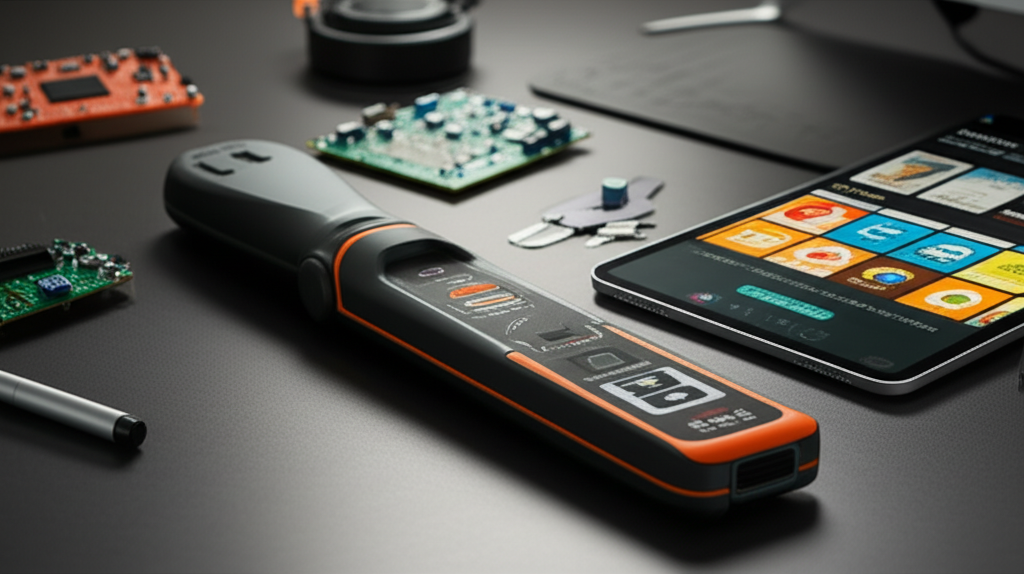
The multi-frequency technology employed by CEIA metal detectors is a game-changer for educational security. Traditional single-frequency detectors might miss certain types of metallic threats, especially those made from less conductive materials. CEIA’s ability to operate across multiple frequencies simultaneously means it can detect a broader spectrum of metallic objects with greater sensitivity. This is particularly important for identifying smaller, more easily concealed weapons or contraband.
This advanced detection capability ensures that even less obvious threats are identified, providing a more robust security screening process. By not relying on a single detection method, CEIA offers a more comprehensive approach to safeguarding educational spaces.
Advanced Signal Processing and Discrimination
False alarms can be a major disruption in any educational setting, leading to wasted time and potential panic. CEIA metal detectors excel in this area thanks to their sophisticated signal processing algorithms. These algorithms are designed to intelligently analyze the signals generated by detected metals, differentiating between threatening objects and benign metallic items like belt buckles, zippers, or coins. This superior discrimination capability minimizes unnecessary interruptions to the flow of students and staff.
The precision of CEIA’s discrimination means that security personnel can focus their attention on genuine alerts, rather than being constantly bogged down by false positives. This efficiency is critical in maintaining a smooth and secure environment for learning.
Network Integration and Remote Management
In today’s interconnected world, the ability to monitor and manage security systems remotely is invaluable. Many CEIA metal detector models offer network integration, allowing security teams to oversee multiple checkpoints from a central location. This feature enables real-time status updates, performance monitoring, and even remote configuration of detector settings. This level of control is particularly beneficial for large campuses with numerous entry points.
This networked approach enhances operational efficiency and allows for rapid deployment of resources in case of an incident. It transforms static security equipment into a dynamic, responsive system.
CEIA Metal Detectors in K-12 Education: Creating Safe Learning Havens
For primary and secondary schools, ensuring a safe environment is paramount. CEIA metal detectors can be strategically placed at school entrances, gymnasiums, or event venues to screen individuals entering the premises. Their user-friendly interface and rapid scanning speeds ensure that students and visitors can pass through quickly, minimizing disruption to the school day. The presence of these advanced detectors acts as a deterrent, reinforcing the school’s commitment to safety.
By implementing CEIA technology, schools can proactively address potential security concerns, fostering a sense of security among students, parents, and staff. This allows educators to focus on their core mission: providing quality education in a secure atmosphere.
Entrance Security for Schools
Securing school entrances is the first line of defense against unauthorized or dangerous items entering the campus. CEIA walk-through metal detectors provide a highly effective and efficient solution for screening students and staff as they arrive. Their ability to quickly process large numbers of people ensures that the morning rush is managed smoothly without compromising security. The clear visual and audible indicators provide immediate feedback to security personnel.
The reliability of CEIA detectors means that schools can depend on them to consistently identify potential threats, creating a secure perimeter. This proactive measure is essential for maintaining a safe learning environment.
Event Security and Large Gatherings
Schools often host events like sports games, concerts, or parent-teacher nights, which can attract large crowds. During these times, the risk of unauthorized items being brought onto school grounds increases. CEIA metal detectors, particularly their portable or easily deployable models, can be set up at various entry points for these events. This ensures that security is maintained even in temporary setups, allowing attendees to enjoy the event with peace of mind.
The versatility of CEIA’s product line means that schools can adapt their security measures to suit the specific needs of any event. This flexibility is key to comprehensive event safety planning.
University Campuses: Securing Higher Learning Environments
University campuses present unique security challenges due to their open nature and large student populations. CEIA metal detectors can be deployed at various locations, including main entrances, administrative buildings, libraries, and student unions. Their advanced discrimination features are particularly useful in a university setting, where students naturally carry a variety of metallic personal items like smartphones, keys, and wallets. CEIA systems can effectively distinguish these from prohibited items, reducing false alarms and student inconvenience.
The integration of CEIA technology into a university’s overall security strategy enhances its ability to protect students, faculty, and valuable research facilities. This proactive approach contributes to a secure and productive academic environment.
Protecting Academic Buildings and Labs
Sensitive areas within universities, such as research laboratories, computer centers, and administrative offices, often require an elevated level of security. CEIA metal detectors can be installed at the entrances to these facilities to control access and prevent the unauthorized entry of individuals carrying metallic objects that could pose a risk. This is especially important for labs that may contain valuable equipment or sensitive materials.
By providing a reliable screening mechanism, CEIA detectors help safeguard these critical university assets. This ensures that academic pursuits can continue without undue security concerns.
Student Union and Dormitory Security
Student unions and dormitory complexes are high-traffic areas where students congregate and live. Maintaining a secure environment in these spaces is crucial for student safety and well-being. CEIA metal detectors can be installed at the main entrances to these buildings to provide an added layer of security, deterring individuals with malicious intent and ensuring that only authorized persons with safe belongings enter.
The visible presence of security measures like CEIA detectors can also contribute to a greater sense of safety and peace of mind for residents and visitors. This fosters a more positive and secure community living experience.
CEIA’s Role in Specialized Educational Programs
Beyond general security, CEIA metal detectors have specialized applications in educational programs focused on safety, security, and law enforcement training. Universities with criminal justice or homeland security programs can utilize CEIA detectors as part of their curriculum. Students can learn about the principles of metal detection, practice screening techniques, and understand how these devices are used in real-world security scenarios. This hands-on experience provides invaluable practical knowledge.
These specialized programs equip future security professionals with the skills and understanding needed to operate and manage advanced security technologies effectively. CEIA’s technology serves as an educational tool, preparing students for careers in security and law enforcement.
Training Future Security Professionals
For institutions offering degrees in security management, criminology, or homeland security, CEIA metal detectors serve as essential training equipment. Students can gain practical experience in operating walk-through and handheld metal detectors, understanding their capabilities and limitations. They learn about different detection modes, sensitivity settings, and how to interpret alerts, preparing them for the demands of professional security roles.
This practical training is vital for developing competent and confident security personnel who can effectively utilize advanced detection technologies. CEIA’s equipment provides a realistic simulation of operational environments.
Simulated Security Scenarios and Drills
Educational programs can create realistic security simulations and drills using CEIA metal detectors. These exercises allow students to practice responding to security alerts, manage crowds during screening, and understand the protocols for handling potential threats. Such simulations are crucial for building preparedness and ensuring that students are ready to handle real-world security challenges when they enter the workforce.
By simulating high-pressure situations, these drills help students develop critical thinking and decision-making skills under stress. CEIA detectors are instrumental in making these training scenarios authentic and effective.
Choosing the Right CEIA Metal Detector for Your Educational Institution
Selecting the appropriate CEIA metal detector for an educational setting involves considering several factors. The size and layout of the institution, the volume of daily traffic, and specific security needs will influence the choice between different models. Factors like detection zones, sensitivity levels, throughput speed, and integration capabilities with existing security systems are crucial. Consulting with CEIA representatives or security experts can help tailor the selection to the institution’s unique requirements.
It’s important to choose a system that not only meets current security needs but also offers scalability for future growth and evolving threats. A thorough assessment ensures the most effective and cost-efficient solution.
Walk-Through vs. Handheld Detectors
CEIA offers a range of both walk-through and handheld metal detectors, each serving distinct purposes. Walk-through detectors are ideal for screening large numbers of people at main entry points, providing rapid and comprehensive screening. Handheld detectors, on the other hand, are invaluable for secondary screening of individuals or items that may have been flagged by a walk-through detector, or for patrolling specific areas.
The optimal security strategy often involves a combination of both types of detectors. This layered approach ensures thoroughness and flexibility in managing security checkpoints.
| Detector Type | Primary Use Case | Advantages | Considerations |
| :—————- | :———————————————– | :———————————————————————— | :—————————————————————————- |
| Walk-Through | Main entrances, high-traffic areas | High throughput, comprehensive screening, deterrent effect | Requires dedicated space, fixed installation |
| Handheld | Secondary screening, patrols, event security | Portable, versatile, targeted screening, cost-effective for specific needs | Lower throughput than walk-through, requires trained operator for effectiveness |
Installation and Maintenance Considerations
Proper installation and regular maintenance are vital to ensure the consistent performance of CEIA metal detectors. Educational institutions should work with certified technicians for installation to guarantee optimal placement and calibration. Regular maintenance checks, including software updates and physical inspections, will prolong the lifespan of the equipment and maintain its detection accuracy. CEIA often provides comprehensive support and maintenance packages.
Investing in professional installation and a proactive maintenance schedule maximizes the return on investment and ensures reliable security operations. This commitment to upkeep guarantees the detector’s effectiveness over time.
The Impact of CEIA Metal Detectors on Campus Safety Culture
The integration of CEIA metal detectors into an educational institution’s security framework can significantly influence the overall campus safety culture. A visible commitment to security, through the use of advanced technology like CEIA detectors, can reassure students, staff, and parents that their safety is a top priority. This fosters a sense of trust and confidence in the institution’s ability to protect its community. It also promotes a culture of awareness and responsibility regarding security protocols.
By creating a more secure environment, CEIA detectors contribute to a positive and productive atmosphere where learning and personal growth can flourish without undue fear or anxiety. This psychological benefit is as important as the physical security provided.
Deterrence and Prevention
The mere presence of advanced security screening equipment like CEIA metal detectors can act as a powerful deterrent. Individuals who might consider bringing prohibited items onto campus are less likely to do so when they know they will be detected. This preventive aspect is a critical component of modern security strategies, helping to avert potential incidents before they occur.
Deterrence is a cost-effective security measure that relies on the perception of robust security. CEIA detectors enhance this perception through their advanced technology and visible deployment.
Enhancing Trust and Reassurance
For students, parents, and staff, knowing that an educational institution is taking proactive steps to ensure their safety is incredibly reassuring. CEIA metal detectors symbolize a commitment to security, fostering a sense of trust in the institution’s protective measures. This reassurance allows everyone within the campus community to focus more fully on academic pursuits and daily activities.
This enhanced sense of security contributes to a more positive and less stressful environment for everyone. It demonstrates that the institution values the well-being of its community above all else.
Frequently Asked Questions About CEIA Metal Detectors in Education
Q1: How do CEIA metal detectors improve safety in schools?
CEIA metal detectors enhance school safety by accurately identifying concealed metallic weapons or contraband at entry points, acting as a deterrent and allowing for swift intervention, thereby creating a more secure environment for students and staff.
Q2: Are CEIA metal detectors difficult for students to use?
No, CEIA walk-through metal detectors are designed for seamless passage. Individuals simply walk through them, and their advanced discrimination minimizes false alarms from everyday items like keys or coins, ensuring a smooth process for students.
Q3: Can CEIA detectors distinguish between dangerous items and personal belongings?
Yes, CEIA metal detectors feature advanced signal processing and discrimination capabilities that allow them to differentiate between prohibited items and common personal metallic objects, significantly reducing false alarms.
Q4: What is the advantage of using multi-frequency detection in schools?
Multi-frequency detection allows CEIA units to scan for a wider range of metallic threats, including those made from less conductive materials, providing a more comprehensive and sensitive screening process for enhanced security.
Q5: How often do CEIA metal detectors need maintenance?
Regular maintenance is recommended for optimal performance. This typically includes periodic calibration checks, software updates, and physical inspections, with specific schedules often provided by CEIA or authorized service providers.
Q6: Can CEIA metal detectors be integrated with existing security systems?
Yes, many CEIA models offer network integration capabilities, allowing them to be connected with existing security systems for centralized monitoring and management, enhancing overall campus security infrastructure.
Q7: Are CEIA metal detectors a good investment for educational budgets?
While an initial investment, CEIA metal detectors offer a long-term solution for enhancing campus safety, potentially reducing the costs associated with security incidents, and providing peace of mind, making them a valuable investment for educational institutions.
Conclusion: Securing the Future of Education with CEIA
CEIA metal detectors represent a significant technological advancement that is rapidly becoming essential for modern educational institutions. Their precision, reliability, and advanced features provide an unparalleled layer of security, safeguarding students, faculty, and staff from potential threats. From K-12 schools to large university campuses, CEIA offers solutions that enhance safety without hindering the educational environment. By investing in CEIA metal detectors, educational institutions demonstrate a proactive commitment to the well-being of their community, fostering a secure atmosphere where learning and growth can thrive. Embracing these breakthroughs is a crucial step towards building a safer future for education.
