


Published on: October 8, 2025 | Updated on: October 8, 2025
The True Cost of a Metal Detector: Your Essential, Proven Guide
Understanding the cost of a metal detector is crucial for any detectorist, beginner or seasoned. This guide breaks down the price factors, from entry-level models to professional gear, ensuring you invest wisely and maximize your treasure hunting success without breaking the bank.
Embarking on the exciting journey of metal detecting often begins with a simple question: “How much does a metal detector cost?” It’s a common hurdle, as the price tags can range dramatically, leaving many wondering where to start. Don’t let sticker shock deter you; understanding the factors influencing the cost is the first step to finding the perfect detector for your needs and budget. We’ll navigate through the different price points, essential features, and hidden costs, so you can make an informed decision and get out there detecting.
Why Detector Prices Vary So Much
The significant variation in metal detector prices stems from a complex interplay of technology, features, build quality, and intended use. A detector designed for beach hunting with advanced discrimination will naturally cost more than a basic model for park detecting. Understanding these underlying reasons helps demystify the pricing and guides you toward a detector that aligns with your detecting goals.
Entry-Level Detectors: Getting Started on a Budget
For beginners, the cost of a metal detector often starts in the $100 to $300 range. These models are designed to be user-friendly and introduce you to the hobby without a hefty investment. They typically offer basic discrimination, a few search modes, and a comfortable, lightweight design suitable for general searching in parks or yards.
These detectors are perfect for getting a feel for the hobby and learning the basics of target identification. While they might not have all the bells and whistles of high-end machines, they are capable of finding coins, jewelry, and other common targets. Investing in an entry-level detector is a smart way to test your interest before committing to a more expensive unit.
Mid-Range Detectors: Enhanced Performance and Versatility
Stepping up to the mid-range, typically between $300 and $800, opens up a world of enhanced performance and versatility. These metal detectors often feature more advanced discrimination capabilities, multiple frequency options, better waterproofing for beach or shallow water use, and more sophisticated target ID systems. They are a great sweet spot for hobbyists who are serious about finding more diverse targets.
Mid-range detectors often come with larger or more specialized coils, offering better depth and coverage. You’ll also find improvements in build quality, making them more durable for regular use in various environments. Many detectorists find this price bracket offers the best balance of features, performance, and affordability for consistent success.
High-End Detectors: Professional Features and Deep Seeking
For the dedicated detectorist or professional prospector, high-end metal detectors can range from $800 to $2,000 and beyond. These machines are packed with cutting-edge technology, including advanced ground balancing, multiple operating frequencies, customizable settings, wireless headphone compatibility, and robust construction for demanding conditions. They are engineered for maximum depth, sensitivity, and accuracy in challenging terrains.
These top-tier detectors are often favored by gold prospectors and relic hunters who need to detect tiny gold nuggets or deep, elusive historical artifacts. The investment reflects the sophisticated electronics, research and development, and superior performance that these machines deliver. If your passion lies in the pursuit of rare and deep targets, a high-end detector is likely your best bet.
Key Features That Influence Cost
Several technical features significantly impact the cost of a metal detector, often correlating with its performance and intended application. Understanding these will help you assess the value proposition of different models and decide which features are essential for your detecting style.
Operating Frequency: Higher frequencies are generally better for small, low-conductivity targets like gold nuggets and thin jewelry, while lower frequencies excel at detecting larger, deeper targets like coins and relics. Multi-frequency detectors offer the best of both worlds but come at a higher cost.
Discrimination Capabilities: Advanced discrimination allows the detector to ignore unwanted targets like iron nails or foil, helping you focus on valuable finds. Sophisticated iron bias and notch discrimination systems add to the price.
Waterproofing: Full waterproofing for submersible operation in salt water or rivers significantly increases the cost, as it requires specialized seals and robust construction.
Ground Balancing: Automatic or manual ground balancing is crucial for canceling out mineralization in the soil, especially in areas with iron ore or salt. More precise and faster ground balancing systems are found on pricier models.
Coil Type and Size: Larger coils offer greater depth and coverage but can be less sensitive to small targets. Specialized coils, like elliptical or DD (double-D) designs, are often more expensive but offer advantages in certain conditions.
Target ID and Audio: Advanced target identification (TID) systems provide numerical readouts and distinct audio tones to help you identify targets before digging. Sophisticated audio options and wireless headphone integration also add to the price.
Beyond the Detector: Essential Accessories
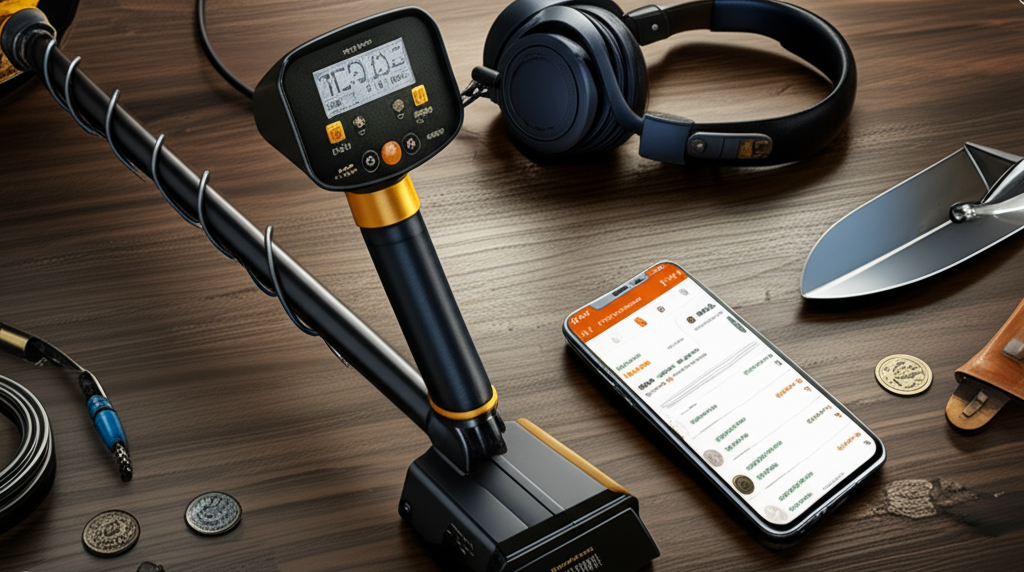
The initial cost of a metal detector is just the beginning; you’ll need several accessories to make your detecting experience efficient and enjoyable. These additions can add to your overall investment, but they are often crucial for success and convenience.
Pinpointer: A handheld pinpointer is indispensable for quickly locating targets once you’ve dug a plug. They dramatically reduce digging time and minimize the disturbance to the ground. Expect to spend $30 to $150 for a good pinpointer.
Digging Tools: A sturdy digging trowel or shovel is essential. Depending on the terrain, you might need a specialized relic digging tool or a robust shovel for deeper targets. These can range from $20 to $100.
Headphones: While many detectors come with a speaker, headphones are vital for hearing faint signals, especially in noisy environments or windy conditions. They also preserve battery life and offer privacy. Good quality headphones typically cost $30 to $100.
Carry Bag: A comfortable and durable carry bag or backpack will protect your detector during transport and storage. Prices vary from $20 to $70.
Batteries and Charger: Depending on the detector, you might need rechargeable batteries and a charger, adding another $20 to $50 to your initial setup.
The cost of a metal detector is often underestimated when factoring in these necessary accessories, so it’s wise to budget for them upfront to be fully equipped for your first outing.
Where You Detect Matters: Terrain and Target Types
The type of terrain you plan to search and the targets you aim to find will heavily influence the type of metal detector you need, and consequently, its cost. Different environments present unique challenges that require specialized features.
Parks and Lawns: These areas are often less mineralized and typically yield coins, jewelry, and pull tabs. Entry-level to mid-range detectors with good coin-masking capabilities are usually sufficient.
Beaches (Dry and Wet Sand): Saltwater and wet sand require detectors with excellent ground balancing and often multiple frequency options to combat the high conductivity. Waterproof models are a significant advantage here, pushing the cost higher.
Woodlands and Fields: These locations can have varying levels of mineralization and are rich in relics, coins, and sometimes gold. Mid-range to high-end detectors with good depth and discrimination are beneficial.
Gold Prospecting: Detecting small gold nuggets requires highly sensitive detectors, often operating at higher frequencies, with precise ground balancing and specialized coils. These are typically the most expensive machines.
Choosing a detector suited to your primary detecting location will prevent you from overspending on features you don’t need or underspending and being frustrated by poor performance.
Understanding Brand Reputation and Resale Value
Established brands in the metal detecting industry often command higher prices due to their reputation for quality, reliability, and innovation. Companies like Minelab, Garrett, Nokta Makro, and XP are known for producing durable, high-performance detectors that hold their value well over time.
While a less-known brand might offer a tempting price point, investing in a reputable brand can save you money in the long run through better performance, longer lifespan, and stronger resale value. When you’re ready to upgrade, a well-maintained detector from a respected manufacturer will be easier to sell.
Used Metal Detectors: A Smart Way to Save
Buying a used metal detector can be an excellent way to reduce the overall cost of entry into the hobby. Many detectorists upgrade their equipment regularly, making good quality used machines available on the market. You can often find excellent deals on detectors that are only a few years old and still perform exceptionally well.
When buying used, always try to purchase from a reputable dealer or a trusted individual. Inspect the detector thoroughly for any damage, especially to the coil and control box. Always ask for the original receipt and any remaining warranty information. A well-chosen used detector can offer significant savings, allowing you to get a better machine for your budget.
The Hidden Costs: What Else to Consider
Beyond the detector and essential accessories, there are a few other potential costs to consider that might not be immediately obvious. Being aware of these can help you budget more accurately for your metal detecting adventures.
Travel Expenses: If your preferred detecting spots are not local, factor in the cost of fuel, accommodation, or park entrance fees.
Permits and Permissions: Some locations, particularly historical sites or private land, may require permits or explicit permission from the landowner. Ignoring these can lead to fines or legal trouble.
Repair and Maintenance: While good detectors are built to last, occasional repairs or replacement parts (like coil cables or shaft sections) can incur costs.
Education and Training: While not strictly necessary, attending workshops or buying advanced books on metal detecting techniques can enhance your skills and finds, representing a small investment in your hobby.
Considering these additional expenses ensures a more realistic budget for your metal detecting pursuits, preventing unexpected financial surprises down the line.
FAQ: Your Burning Questions Answered
What is the cheapest metal detector I can buy?
The cheapest functional metal detectors typically start around $100 to $150. These are basic models suitable for casual use in parks or yards, offering introductory features for learning the hobby.
Is a more expensive metal detector always better?
Not necessarily. A more expensive detector is generally better for specific, advanced applications like deep relic hunting or gold prospecting. For general coin and jewelry hunting, a good mid-range detector often performs just as well and offers better value.
Do I need a waterproof metal detector?
You only need a waterproof metal detector if you plan to search in water (rivers, lakes, ocean) or in very wet conditions like surf hunting. For dry land detecting, a water-resistant control box is usually sufficient.
How much should I spend on a pinpointer?
A good quality pinpointer typically costs between $50 and $120. While cheaper models exist, investing a bit more ensures better sensitivity, durability, and faster target recovery, which is invaluable in the field.
Are metal detectors worth the cost for a hobbyist?
For many, the thrill of discovery, the time spent outdoors, and the potential to find valuable items make metal detecting a highly rewarding hobby that is well worth the cost of the equipment. Success often depends more on technique and patience than the price tag.
* What is the average cost of a good beginner metal detector?
A good beginner metal detector, offering a balance of features and performance for coin and jewelry hunting, typically costs between $250 and $450. This range provides a solid introduction without compromising too much on capability.
Conclusion: Finding the Right Detector for Your Budget
The cost of a metal detector is not a one-size-fits-all answer; it’s a spectrum influenced by technology, features, intended use, and brand reputation. Whether you’re looking at entry-level models for around $150, versatile mid-range machines for $300-$800, or professional-grade detectors for $800+, there’s a suitable option for every budget and detecting goal. Remember to factor in the cost of essential accessories like pinpointers and digging tools to ensure you’re fully equipped. By understanding these price drivers and aligning your choice with your detecting aspirations, you can find a metal detector that offers excellent value and leads you to countless exciting finds. Happy hunting!

