


Published on: October 8, 2025 | Updated on: October 8, 2025
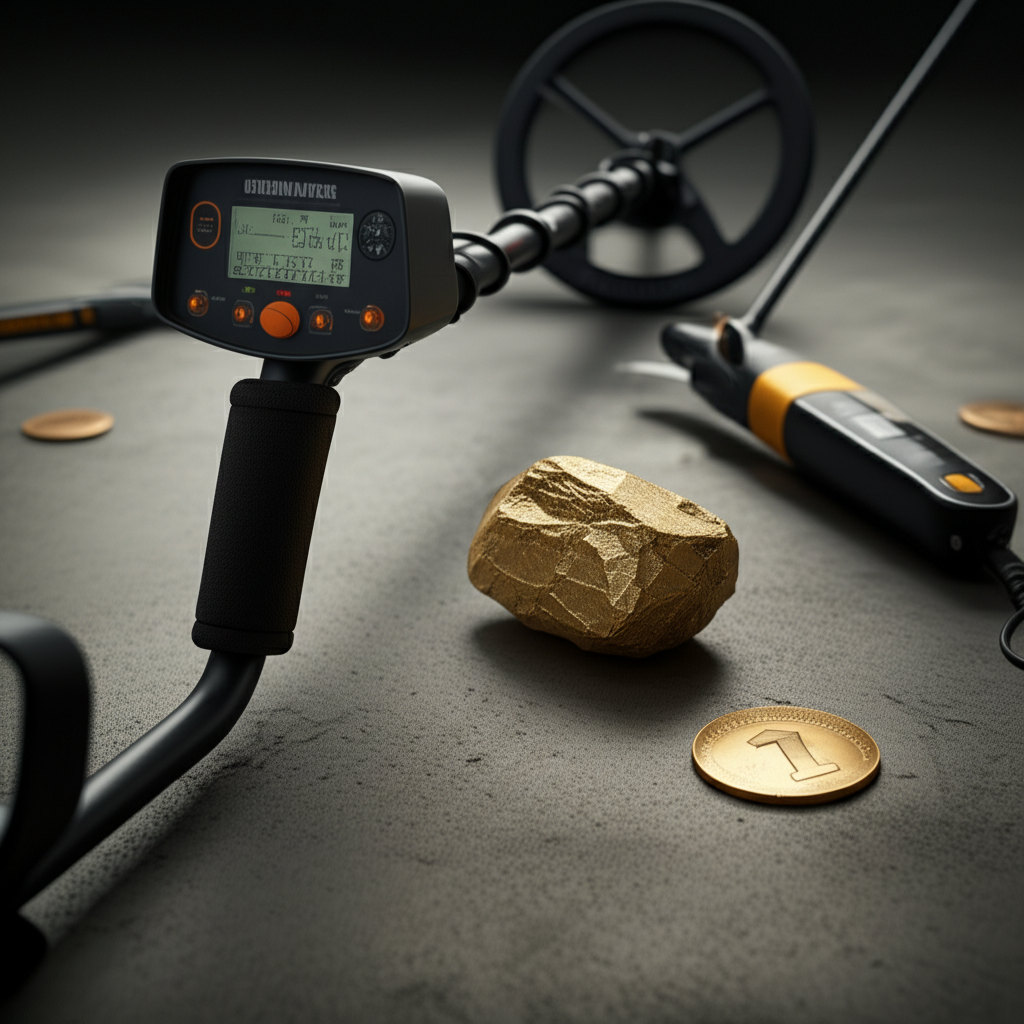
Discover the world of metal detecting by understanding the different types of metal detectors available, from basic hobby units to specialized gold prospecting machines. This guide helps you choose the right tool for your treasure hunting adventures, ensuring you make the most of every outing.
Choosing the right metal detector can feel overwhelming with so many options on the market. It’s a common frustration for beginners and even experienced detectorists looking to upgrade. You want to hit the ground running, finding exciting treasures without wasting time or money on gear that isn’t suited for your goals. I’m here to guide you through the maze of different types of metal detectors, explaining what makes each one tick and which might be your perfect partner in the field. We’ll cover everything from the basics to specialized machines, so you can confidently select the detector that will lead you to your most rewarding finds.
Unpacking the Different Types of Metal Detectors
Understanding the core differences between metal detector types is the first step to a successful detecting journey. Each type is engineered with specific technologies and features to excel in certain environments or for particular targets. Knowing these distinctions will prevent you from buying a general-purpose machine when you really need a specialized one, or vice-versa. Let’s break down the main categories you’ll encounter as you explore the exciting world of metal detecting.
VLF Detectors: The Versatile Workhorses
Very Low Frequency (VLF) detectors are the most common type of metal detector, making them an excellent starting point for many hobbyists. They operate by transmitting a signal into the ground and then listening for changes in that signal caused by buried metal objects. Their versatility makes them suitable for a wide range of detecting scenarios, from parks and beaches to old home sites.
How VLF Detectors Work

These detectors use two coils: a transmitter coil that sends out an electromagnetic field and a receiver coil that detects the returning signal. The frequency of the transmitted signal is typically between 3 kHz and 30 kHz. By analyzing the phase shift and amplitude of the returning signal, VLF detectors can distinguish between different types of metals and even estimate the target’s depth and size. This makes them great for identifying coins, jewelry, and relics.
Pros and Cons of VLF Detectors
Pros:
Widely available and come in a broad price range.
Generally easy to use, making them ideal for beginners.
Effective at identifying different types of metals and discriminating trash.
Good sensitivity to smaller targets like coins and jewelry.
Cons:
Can be susceptible to interference from highly mineralized ground.
May struggle with very deep targets compared to Pulse Induction (PI) detectors.
Discrimination can sometimes lead to missing certain desirable targets.
VLF detectors offer a fantastic balance of performance and usability for most everyday treasure hunting needs. They are the backbone of the hobby for a reason, providing reliable results across many common scenarios.
Pulse Induction (PI) Detectors: Power Through Tough Conditions
Pulse Induction (PI) metal detectors are known for their raw power and ability to penetrate highly mineralized soil or saltwater environments where VLF detectors might struggle. They work by sending short, powerful pulses of current through a coil, creating a magnetic field. When this field encounters a metal object, it induces a brief current in the object, which then creates its own magnetic field. The PI detector measures this secondary field.
The PI Detection Method
Instead of continuously transmitting and receiving like VLF, PI detectors send out rapid pulses. The receiver coil is typically placed directly beneath the transmitter coil in a single-coil setup. This design allows them to ignore the ground mineralization and focus solely on the metal target’s response. This makes them incredibly effective in challenging environments like salty beaches or areas with iron-rich soil.
When to Choose a PI Detector
PI detectors are the go-to choice for serious beach hunters working in wet sand and saltwater, as well as prospectors searching for larger gold nuggets in highly mineralized areas. Their ability to cut through interference means they can often detect targets that other machines would miss. They are particularly good at detecting deeper targets due to the strength of their pulses.
Pros and Cons of PI Detectors
Pros:
Excellent performance in highly mineralized soil and saltwater.
Can detect targets at greater depths than many VLF detectors.
Less susceptible to false signals from ground minerals.
Very effective for gold prospecting.
Cons:
Generally cannot discriminate between different types of metals, meaning they will signal on all metals (including trash).
Often more expensive than comparable VLF detectors.
Can be heavier and have shorter battery life.
Not ideal for coin shooting in areas with a lot of iron trash.
For extreme conditions and deep targets, particularly gold, Pulse Induction detectors offer unparalleled performance. They are specialized tools for specialized, demanding hunting grounds.
Multi-Frequency Detectors: The Best of Both Worlds
Modern metal detecting technology has brought us multi-frequency detectors, which represent a significant leap forward in performance and versatility. These advanced machines can operate on multiple frequencies simultaneously or allow the user to switch between them. This ability gives them a distinct advantage in various detecting scenarios.
How Multi-Frequency Technology Works
By utilizing a range of frequencies, these detectors can adapt to different target types and ground conditions. Lower frequencies are better at detecting larger, deeper objects and penetrate highly conductive soils well, while higher frequencies are more sensitive to small, shallow targets like fine gold jewelry or tiny relics. Some multi-frequency detectors can even analyze the target response across all frequencies to provide more accurate identification.
Advantages of Multi-Frequency Machines
The primary advantage is their adaptability. A single multi-frequency detector can effectively perform tasks that previously required multiple specialized machines. They offer superior target separation in trashy areas, better ground balancing capabilities, and enhanced sensitivity across a wider spectrum of targets. This makes them excellent all-rounders for coin, relic, and jewelry hunting.
Popular Multi-Frequency Brands and Models
Many leading brands now offer multi-frequency options. Brands like Minelab with their Equinox and Deus models are pioneers in this technology. These detectors are designed to tackle diverse environments, from parks and fields to beaches, making them a top choice for detectorists who want a single, high-performance machine.
Pros and Cons of Multi-Frequency Detectors
Pros:
Exceptional versatility across different targets and ground conditions.
Superior performance in highly mineralized soil and saltwater.
Enhanced target separation and depth capability.
Often feature advanced discrimination and target ID features.
Cons:
Generally the most expensive category of detectors.
Can have a steeper learning curve due to advanced features.
May require more battery power.
Multi-frequency detectors are the pinnacle of current metal detecting technology, offering unparalleled adaptability for serious enthusiasts. They provide a premium detecting experience, capable of finding a wider array of treasures in more locations.
Specific Purpose Detectors
Beyond the main VLF and PI categories, several specialized metal detectors are designed for very niche applications. These machines are engineered to excel in a particular area, often at the expense of versatility.
Gold Prospecting Detectors
Dedicated gold prospecting detectors often utilize PI technology or high-frequency VLF systems. They are tuned to detect the faint signals of small gold nuggets, which can be difficult for general-purpose detectors to find. High frequencies are particularly effective for small, shallow gold, while PI is better for deeper, larger nuggets in mineralized areas. Many gold detectors are also designed to be highly stable in extreme ground conditions.
Underwater Detectors
These detectors are built to withstand submersion in water, whether it’s for diving, wading, or beachcombing. They often use Pulse Induction technology because it performs exceptionally well in saltwater and can detect targets at significant depths. Durability and waterproof construction are key features, ensuring reliable operation in a challenging aquatic environment.
Security and Industrial Detectors
While not typically used for treasure hunting, it’s worth noting that specialized detectors exist for security screening (e.g., at airports) and industrial applications like finding pipes or cables underground. These are highly specialized and operate on different principles than recreational detectors. They highlight the vast range of applications for metal detection technology.
Choosing a specialized detector means you’re prioritizing a specific type of detecting. While they may not be as versatile, they offer peak performance for their intended purpose.
Key Components of Metal Detectors
Regardless of the type, most metal detectors share fundamental components that work together to locate buried metal. Understanding these parts can help you appreciate how different models perform and what features to look for.
The Search Coil
The search coil is arguably the most critical part of a metal detector. It’s what actually transmits and receives the electromagnetic signals. Coils come in various sizes and shapes, and their type (concentric, double-D) and frequency rating significantly impact the detector’s performance. Larger coils generally cover more ground and detect deeper, while smaller coils offer better target separation in trashy areas and are more sensitive to small targets.
The Control Box
This is the “brain” of the metal detector. It houses the electronics, controls, and battery. Here, the signals from the search coil are processed, and the user can adjust settings like sensitivity, discrimination, ground balance, and target ID. Different control boxes offer varying levels of customization and user-friendliness.
The Shaft and Handle
These components connect the control box to the search coil and provide the ergonomic structure for holding and swinging the detector. Adjustable shafts are common, allowing users to customize the length for comfort and ease of use. Some detectors have comfortable grips and armrests for extended detecting sessions.
Power Source
Most metal detectors are powered by batteries, typically AA, 9V, or rechargeable lithium-ion packs. Battery life can vary significantly between models and is an important consideration for long days in the field. Some higher-end detectors offer advanced power management systems.
Factors to Consider When Buying a Metal Detector
Selecting the right metal detector involves more than just picking a brand or model. Several factors should influence your decision to ensure you get the best tool for your specific needs and budget.
Your Detecting Goals
What do you want to find? Are you interested in old coins and jewelry in local parks, historical relics in old home sites, or gold nuggets in the wilderness? Your primary targets will heavily influence the type of detector you should consider. A detector perfect for coin shooting might not be ideal for gold prospecting.
Budget
Metal detectors range from under $100 to over $2,000. It’s essential to set a realistic budget. While more expensive detectors often offer advanced features and better performance, many entry-level and mid-range models are highly capable and excellent for beginners. Don’t forget to factor in the cost of accessories like pinpointers, digging tools, and headphones.
Terrain and Environment
Where will you be detecting most often? Sandy beaches, iron-rich soil, and freshwater environments all present different challenges. As we’ve discussed, PI detectors excel in saltwater and mineralized ground, while VLF detectors are often sufficient for drier, less mineralized areas. Consider how your chosen detector will perform in your typical hunting locations.
Ease of Use
If you’re new to metal detecting, an overly complex machine can be frustrating. Look for detectors with intuitive controls and clear target identification systems. Many beginner-friendly models offer excellent performance without overwhelming users with too many settings.
Additional Features
Consider features like waterproof coils or control boxes, wireless headphone compatibility, built-in GPS, and the availability of different search coils. These can enhance your detecting experience and broaden the detector’s capabilities.
Essential Accessories for Your Metal Detector
A metal detector is only part of the equation; having the right accessories can significantly improve your success rate and make the detecting process more enjoyable. These tools help you pinpoint targets, recover them efficiently, and protect your gear.
Pinpointer
A pinpointer is a small, handheld detector that helps you locate a target precisely within the soil plug or hole. After you’ve dug your target area, the pinpointer can quickly narrow down the exact location of the item, saving you time and preventing damage to the find. This is one accessory I wouldn’t detect without.
Digging Tools
You’ll need sturdy digging tools to excavate your targets. This can range from a simple hand trowel for softer ground to a robust digging shovel or a specialized “digging iron” for tougher soil. A good spade with a serrated edge can be invaluable for cutting clean plugs.
Headphones
Using headphones is crucial for several reasons. They block out ambient noise, allowing you to hear faint target signals clearly. They also help conserve battery life and prevent disturbing others nearby. Look for comfortable, durable headphones designed for metal detecting.
Pouch or Bag
A pouch or bag is essential for collecting your finds and any trash you recover. It’s good practice to pack out all the trash you dig, leaving the area cleaner than you found it. A dedicated finds pouch with multiple compartments can help keep your treasures organized.
Popular Metal Detector Brands
The metal detecting market features several reputable brands known for their quality, innovation, and customer support. Familiarizing yourself with these manufacturers can help you narrow down your choices.
Minelab
Minelab is a world leader in metal detection technology, particularly known for its advanced multi-frequency detectors like the Equinox series and its powerful PI detectors for gold prospecting. They offer a wide range of detectors for all levels of experience and budgets.
Garrett
Garrett is another highly respected brand, offering a comprehensive lineup of VLF detectors that are popular with beginners and experienced detectorists alike. Models like the AT Pro and Ace series are well-regarded for their performance and reliability.
Nokta Makro
Nokta Makro has quickly gained a strong following with its innovative and robust detectors, often offering excellent features at competitive price points. Their waterproof detectors are particularly popular for beach and underwater hunting.
XP Detectors
XP is known for its lightweight, wireless, and highly advanced detectors, such as the Deus series. These detectors are praised for their performance, versatility, and modular design, appealing to serious detectorists who value cutting-edge technology.
Frequently Asked Questions About Metal Detectors
What is the best type of metal detector for a beginner?
For most beginners, a versatile VLF detector is an excellent starting point. Look for models known for their ease of use, good target identification, and reasonable price, such as those in the Garrett Ace series or the Minelab Vanquish.
Can I use a metal detector on the beach?
Yes, many metal detectors are suitable for beach detecting. However, you’ll need a detector that can handle saltwater and wet sand. Pulse Induction (PI) detectors or multi-frequency VLF detectors with good saltwater performance are ideal for this environment.
How deep can a metal detector find things?
The depth a metal detector can reach depends on several factors, including the detector’s technology (VLF vs. PI), the coil size, the target’s size and composition, and the ground mineralization. Generally, PI detectors and larger coils can achieve greater depths.
Do I need a license to use a metal detector?
Regulations vary by location. In many public areas like parks and beaches, metal detecting is permitted, but it’s always wise to check local ordinances or consult with land managers. Private property requires explicit permission from the landowner.
How much does a good metal detector cost?
A good beginner metal detector can range from $200 to $500. Mid-range detectors often fall between $500 and $1,000, offering more advanced features. High-end, specialized detectors can cost $1,000 or more.
Conclusion: Finding Your Perfect Metal Detector
Navigating the world of different types of metal detectors can seem daunting at first, but by understanding the core technologies and considering your specific detecting goals, you can make an informed choice. Whether you opt for the versatile VLF, the powerful Pulse Induction, or the adaptable multi-frequency models, the key is to match the detector’s capabilities to the environments and targets you’ll be pursuing. Don’t forget the essential accessories like pinpointers and digging tools, which are just as crucial for a successful outing. With the right gear and a bit of practice, you’ll be well on your way to uncovering fascinating finds and enjoying the thrill of treasure hunting. Happy detecting!
