


Published on: October 8, 2025 | Updated on: October 8, 2025
Essential digging tools for metal detecting are crucial for successful finds, ensuring you retrieve targets efficiently and responsibly. Choosing the right gear prevents damage to both your finds and the environment, making your treasure hunting experience more rewarding.
Metal detecting is an incredibly rewarding hobby, but let’s be honest, the thrill of a solid signal can quickly turn into frustration if you don’t have the right digging tools. I’ve been there, fumbling with inadequate equipment, damaging targets, and leaving unsightly holes. It’s a common pitfall for beginners and even seasoned detectorists sometimes overlook the importance of their digging arsenal. This guide will walk you through the essential digging tools for metal detecting, helping you select proven finds that will make your recovery process smooth, efficient, and respectful of the ground you’re exploring. We’ll cover everything from basic spades to specialized tools that will elevate your treasure hunting game.
Why the Right Digging Tools Matter for Metal Detecting
The right digging tools for metal detecting are more than just implements; they are extensions of your detector, crucial for a successful recovery. Using inappropriate tools can lead to damaged artifacts, lost coins, and unnecessary disturbance of the landscape, which can deter future detecting and even lead to access being denied. Investing in quality digging gear ensures you can extract your targets cleanly and efficiently, preserving their value and the integrity of the sites you explore.
The Foundation: Your Metal Detecting Digging Spade
A good digging spade is arguably the most critical piece of equipment in your metal detecting kit, besides the detector itself. It’s your primary tool for excavating targets, and choosing the right one can make all the difference between a quick retrieval and a prolonged, messy dig. I always recommend a sturdy, sharp spade designed for digging in various soil conditions.
Choosing Your Digging Spade: Material and Design

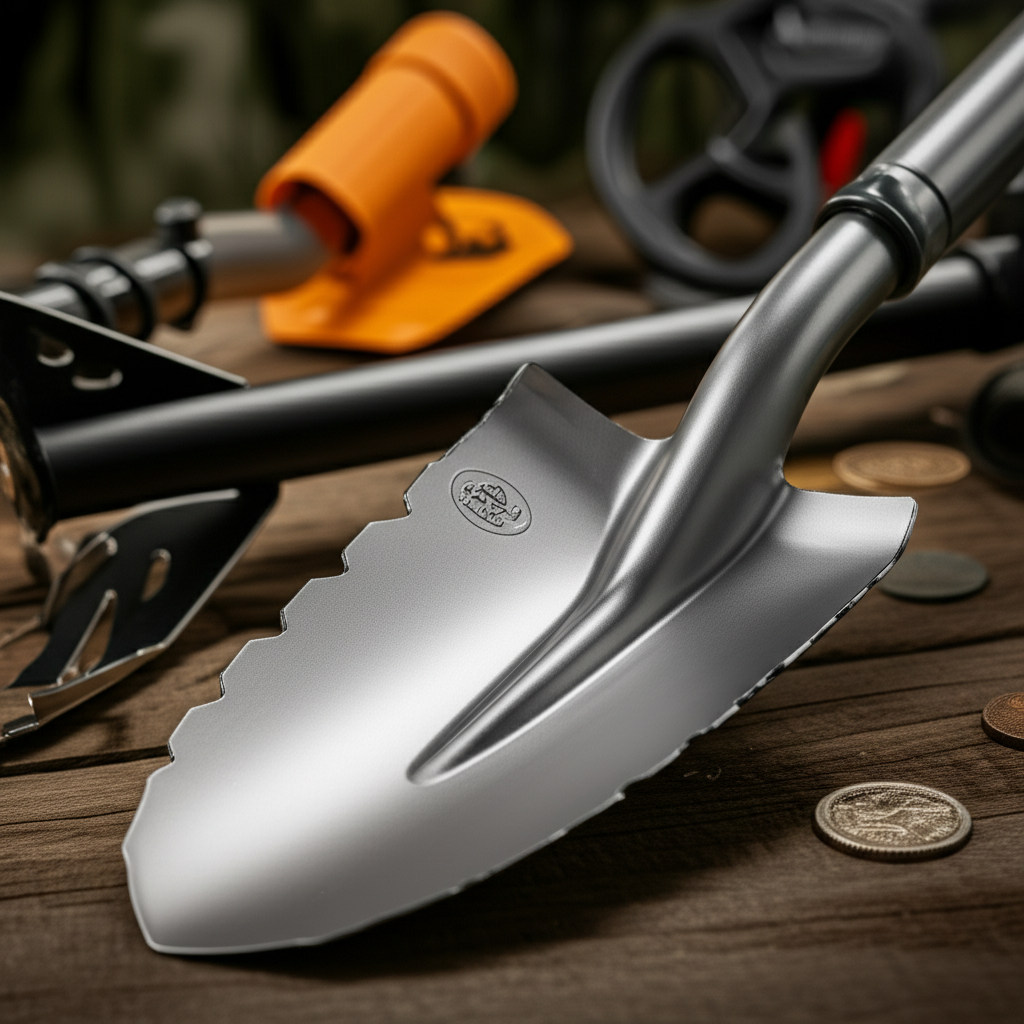
The material and design of your spade significantly impact its performance and durability. Stainless steel spades are excellent for resisting rust and offer good strength, while carbon steel spades can be lighter and sharper, though they require more care to prevent corrosion. Look for a spade with a comfortable, ergonomic handle that provides a good grip, even when wet or muddy.
Blade Shape: A pointed blade is best for piercing tough soil, while a flatter, wider blade is good for slicing through turf. Many detectorists prefer a slightly curved blade for easier soil manipulation.
Handle Type: D-handles offer great leverage and control, while T-handles can be more comfortable for extended digging sessions.
Serrated Edge: Some spades come with a serrated edge, which can be surprisingly useful for cutting through roots or compacted soil.
Popular Spade Brands and Models
While personal preference plays a role, several brands consistently deliver high-quality digging spades for metal detecting. Brands like Garrett, Minelab, and Lesche are well-regarded in the detecting community for their robust and effective digging tools. For instance, the Lesche Ground Shark spade is a favorite among many detectorists for its durability and sharp edge, making it excellent for slicing through sod.
The Essential Companion: The Pinpointer
Once you’ve dug your plug, a pinpointer is your best friend for locating the exact position of your target within the plug or the hole. Trying to find a small coin or relic by hand in loose dirt is time-consuming and can lead to accidental damage. A good pinpointer significantly speeds up recovery and minimizes the disturbance to the soil.
Pinpointer Technology: Analog vs. Digital
Most modern pinpointers are digital, offering features like adjustable sensitivity and audio/vibration alerts. Analog pinpointers are simpler but can be less precise. I’ve found that digital models offer a better user experience with their clear feedback.
Key Features to Look for in a Pinpointer
When selecting a pinpointer, consider its sensitivity, waterproofing, battery life, and alert system. Some pinpointers offer both audible and vibration alerts, which is useful in noisy environments. A waterproof pinpointer is a significant advantage, allowing you to use it confidently in wet conditions or even rinse it clean.
Sensitivity: Higher sensitivity means it can detect smaller targets or targets deeper in the soil.
Waterproofing: Essential for detecting near water or in damp conditions.
Battery Life: A long battery life ensures you won’t run out of power mid-dig.
Alerts: Audio and vibration feedback helps you pinpoint the target.
Top Pinpointer Picks
Garrett, Nokta Makro, and Minelab all produce excellent pinpointers. The Garrett Pro-Pointer AT is a widely recommended, fully waterproof option known for its reliability and excellent performance. Its bright orange color also makes it easy to spot if you accidentally drop it.
Beyond the Spade: Specialized Digging Tools
While a spade and pinpointer are the core of your digging arsenal, other specialized tools can greatly enhance your efficiency and success, especially in challenging environments. These tools are often overlooked but can be the difference-makers for difficult digs.
The Digger: A Versatile Alternative
A digger, often a smaller, more pointed tool than a spade, is another highly effective digging tool for metal detecting. These are typically shorter, with a narrower blade, making them ideal for tight spaces or when you want to make minimal disturbance. They excel at slicing through turf and probing the soil precisely.
Blade Design: Look for a digger with a sharpened, often slightly serrated, edge for easy penetration.
Handle Comfort: A comfortable grip is essential for repeated digging motions.
The Trowel: For Delicate Excavations
For areas where minimal disturbance is paramount, like parks or sensitive historical sites, a sturdy trowel can be invaluable. A good detecting trowel is robust, often made of stainless steel, and features a strong, comfortable handle. It allows for very precise digging and is excellent for carefully lifting soil around a target.
Root Cutters and Saw Blades
In wooded areas or places with significant root systems, a root cutter or a small, sturdy saw can be a lifesaver. These tools help you cleanly sever roots that would otherwise impede your digging or damage your spade. Always use them carefully to avoid unnecessary damage to the surrounding vegetation.
Essential Accessories for Digging
Beyond the primary digging tools, several accessories can make your digging experience safer, cleaner, and more organized. These might seem minor, but they contribute significantly to the overall effectiveness of your metal detecting excursions.
The Finds Pouch: Keep Your Treasures Safe
A finds pouch is essential for storing your recovered items securely and separately. Look for a durable pouch, preferably with multiple compartments, to keep coins, relics, and trash organized. Some pouches have a mesh bottom to allow water and dirt to drain, keeping your finds cleaner.
Gloves: Protect Your Hands
Digging can be tough on your hands. Wearing a pair of sturdy gloves will protect you from sharp objects, rough soil, and blisters. Consider gloves with good grip, especially if you’re working in wet conditions.
A Small Brush or Duster
Once you’ve unearthed a target, a small brush or duster is perfect for gently cleaning off the soil to get a better look. This is especially important for delicate relics that could be damaged by rubbing.
Digging Techniques: Minimizing Impact, Maximizing Recovery
The best digging tools are only as good as the techniques you employ. Responsible digging is crucial for maintaining access to detecting sites and preserving them for future generations. My approach always prioritizes making the smallest possible hole and leaving the site looking as if I was never there.
The Plug and Flip Method
This is the most common and effective method. When you get a signal, carefully cut a U-shaped plug of turf with your spade or digger, leaving one side attached like a hinge. Flip the plug over to expose the soil underneath.
Locating the Target with Your Pinpointer
Once the soil is exposed, use your pinpointer to scan the area. Move the pinpointer slowly and systematically over the soil and the flipped plug. When it signals, you’ve found the general vicinity of your target.
Careful Excavation and Target Recovery
After the pinpointer leads you to the target, use your pinpointer or a smaller tool like a trowel to carefully excavate around it. Gently lift the target out of the soil. Avoid scraping or digging aggressively around the target to prevent damage.
Replacing the Plug Correctly
This is critical for responsible detecting. Carefully place the plug back into the hole, ensuring it fits snugly. Tamp down the soil around it gently with your foot. The goal is to leave no visible trace of your digging.
Understanding Soil Types and Their Impact on Digging
Different soil types present unique challenges for digging. Knowing what to expect can help you choose the right tools and techniques. Sandy soil is generally easy to dig, but can collapse easily. Clay soil is often dense and can be very hard to penetrate, especially when dry. Rocky soil requires careful probing to avoid damaging your tools or targets.
Dealing with Compacted Soil and Clay
For compacted soil or heavy clay, a sharp, sturdy spade with a good leverage handle is essential. You might need to use a sawing motion to cut through the densest areas. A root cutter can also be helpful if roots are interwoven with the clay.
Navigating Sandy and Loose Soils
Sandy soils are easier to dig but can be prone to collapsing. In these conditions, making a clean U-shaped plug is important to maintain stability. Be extra careful when removing your target to avoid it sinking deeper into the loose sand.
Tackling Rocky Terrains
Rocky ground can be tricky. Your tools might get chipped or damaged if you force them against large rocks. Try to probe around rocks or use smaller digging tools to carefully move smaller stones out of the way. Always listen for any unusual sounds that might indicate you’re hitting a large rock with your detector coil.
Legal and Ethical Considerations for Digging
Before you even pick up your digging tools, understanding the legal and ethical landscape is paramount. Digging tools metal detecting carries responsibilities. Always obtain permission before detecting on private land, and be aware of local laws regarding metal detecting and artifact recovery, especially on public lands or historical sites.
Respecting Private Property and Landowners
Always seek explicit permission from landowners before detecting on their property. Building a good relationship with landowners can lead to ongoing access and even shared finds. Be respectful of their land, crops, and livestock.
Navigating Public Land Regulations
Regulations for metal detecting on public lands vary widely. National parks, state parks, historical sites, and even some local parks may have strict rules or outright bans on metal detecting and digging. Always research and adhere to these regulations to avoid fines and preserve access for others.
The Importance of Filling Your Holes
This cannot be stressed enough: always fill your holes completely and neatly. Leaving holes open is not only irresponsible but also dangerous and can lead to metal detecting being banned in areas. It shows a lack of respect for the land and other users.
Maintaining Your Digging Tools
Just like your metal detector, your digging tools need proper care to ensure they perform well and last a long time. Regular maintenance will prevent rust, keep edges sharp, and ensure the handles remain secure.
Cleaning After Each Use
After every detecting trip, thoroughly clean your digging tools. Remove all dirt, mud, and debris. A hose and brush are usually sufficient.
Preventing Rust and Corrosion
For steel tools, especially carbon steel, drying them completely after cleaning is vital. Applying a light coat of oil can provide an extra layer of protection against rust. For stainless steel, while more resistant, it’s still good practice to dry them thoroughly.
Sharpening and Repair
Periodically, you may need to sharpen the edges of your spade or digger to maintain their cutting ability. This can be done with a file or a grinding stone. Check handles for any signs of loosening or cracking and repair them promptly.
Frequently Asked Questions About Digging Tools for Metal Detecting
Q1: What is the single most important digging tool for a beginner metal detectorist?
A: The most crucial digging tool for a beginner is a sturdy, sharp spade. It’s your primary tool for excavating targets and needs to be reliable for various soil conditions.
Q2: Do I really need a pinpointer? Can’t I just dig a big hole?
A: While you could* dig a big hole, a pinpointer is highly recommended. It significantly speeds up target recovery, minimizes soil disturbance, and helps prevent damage to small or delicate finds.
Q3: How deep should I dig my plugs?
A: Dig your plug deep enough to comfortably access the soil where your target is located, typically a few inches. The goal is to lift a section of turf and soil, not to excavate a large pit.
Q4: What’s the best way to deal with tough, compacted soil?
A: For compacted soil, use a spade with a sharp edge and a comfortable, strong handle. Employ a steady, firm pressure, and consider a sawing motion to cut through the densest parts.
Q5: Is it okay to dig up roots when I’m metal detecting?
A: It’s best to minimize root damage. If a root is in the way, try to carefully cut it cleanly with a root cutter or saw if necessary, rather than tearing it. Always aim to leave the site looking undisturbed.
Q6: Can I use my garden trowel for metal detecting?
A: A small, sturdy garden trowel can work for very shallow targets or in soft soil. However, a dedicated metal detecting trowel is usually stronger, sharper, and designed for the repeated stresses of digging in various ground conditions.
Q7: What should I do if I find something that looks like a historical artifact?
A: If you suspect you’ve found a historical artifact, stop digging and research local laws regarding reporting such finds. In many places, these items belong to the state or require special handling and reporting procedures. Do not remove them without proper authorization.
Conclusion: Equipping Yourself for Success with the Right Digging Tools
Mastering metal detecting is a journey, and while your detector is your eyes underground, your digging tools are your hands. Investing in the right digging tools for metal detecting – a reliable spade, a precise pinpointer, and perhaps a few specialized accessories – will not only make your treasure hunting more efficient and successful but also more responsible. Remember, the goal is to recover your finds cleanly, minimize your impact on the environment, and always leave the site better than you found it. With the proven tools and techniques discussed, you’re well on your way to more satisfying and ethical detecting adventures. Happy hunting!
