


Published on: October 8, 2025 | Updated on: October 8, 2025
Digital Metal Detector: Essential Breakthroughs Unlocking Deeper Finds and Easier Searching
Unlock the secrets of modern metal detecting with the latest digital metal detector advancements. These innovations offer unparalleled sensitivity, target identification, and user-friendly interfaces, making treasure hunting more accessible and rewarding than ever before. Discover how digital technology is revolutionizing the field, from pinpointing tiny relics to locating deep caches.
The world of metal detecting has seen some truly remarkable changes, and at the heart of it all is the digital metal detector. If you’ve ever felt overwhelmed by static, confused by vague signals, or simply wished your detector could tell you exactly what was under the coil, you’re not alone. Older analog machines had their charm, but they often left a lot to interpretation. The good news is that digital technology has stepped in, bringing clarity, precision, and a whole new level of excitement to our hobby. I’ve spent countless hours in the field, and I can tell you, the leap from analog to digital is a game-changer. This article will walk you through the essential breakthroughs that make modern digital metal detectors so powerful, helping you understand what to look for and how these advancements can lead you to more exciting finds.
The Evolution from Analog to Digital: A New Era for Detectorists
For decades, metal detectorists relied on analog circuits. These machines worked by generating an electromagnetic field and detecting changes in that field caused by metallic objects. While effective, they often produced a broad range of audio tones and visual meter readings that required significant experience and guesswork to interpret. The signal strength and pitch would vary, and identifying the specific type of metal or depth was a challenge. This meant a lot of digging up trash and missing potential treasures due to ambiguous signals.
The transition to digital technology marked a significant shift. Instead of relying solely on analog signal processing, digital detectors use microprocessors to analyze the signals received by the coil. This allows for much more sophisticated signal processing, leading to improved discrimination, better target identification, and a host of features that were simply impossible with older technology. This fundamental change paved the way for the incredible performance we see in today’s top-tier digital metal detectors.
Understanding Digital Signal Processing (DSP): The Brains Behind the Breakthroughs
At the core of every modern digital metal detector lies Digital Signal Processing (DSP). This is where the magic happens, transforming raw electrical signals into meaningful data. DSP takes the analog signals from the detector’s coil, converts them into digital information, and then uses complex algorithms to analyze them. This allows for precise identification of target conductivity and mineralization, which translates into more accurate target IDs and better separation of trash from treasure.
This advanced processing means you get clearer audio tones and numerical target IDs on your screen. Instead of just a general hum, you might hear a distinct chirp for a coin or a consistent tone for iron. The digital brain can filter out unwanted signals from ground minerals or electromagnetic interference much more effectively than its analog predecessors. This capability is crucial for finding desirable targets in challenging environments.
Enhanced Target Identification (ID): Knowing What You’ve Found Before You Dig
One of the most significant breakthroughs digital metal detectors offer is enhanced target identification. Modern machines provide numerical target IDs, typically displayed on an LCD screen, which represent the conductivity and/or ferrous properties of a buried object. While not foolproof, these numbers offer a much better chance of distinguishing between a coin, a pull tab, or a piece of iron trash. Learning your detector’s target ID chart for different metals and objects can dramatically reduce unnecessary digging.
Many digital detectors also feature multi-tone audio ID systems. This means different types of metals will produce distinct audio tones, giving you a secondary layer of information. For example, a high-conductivity target like a silver dime might produce a bright, high tone, while a ferrous object like an iron nail could produce a low, choppy tone. Combining visual ID numbers with distinct audio tones gives detectorists an incredible advantage in the field.
Ground Balancing: Taming the Earth for Better Detection
Ground mineralization is a constant challenge for metal detectorists. Different soils contain varying amounts of iron and other minerals that can create phantom signals, masking good targets or causing the detector to behave erratically. Digital metal detectors have revolutionized ground balancing, making it far more effective and often automatic. Ground balancing essentially tells the detector to ignore the specific mineral content of the soil it’s operating in.
Most modern digital detectors offer automatic ground balancing, which continuously adjusts as you sweep the coil. Some also have manual ground balance options for more experienced users who want fine-tuned control. This breakthrough is essential for achieving optimal depth and sensitivity, especially when hunting in highly mineralized areas like beaches or old, iron-rich sites. Without effective ground balancing, even the most advanced digital detector would struggle to perform.
Multi-Frequency Technology: Adapting to Diverse Conditions and Targets
A truly game-changing breakthrough in digital metal detectors is the advent of multi-frequency technology. Instead of operating on a single frequency, these detectors can transmit and analyze signals across multiple frequencies simultaneously or allow the user to switch between them. Different frequencies are better suited for detecting different types of targets and conditions. Lower frequencies tend to penetrate deeper and are excellent for larger, more conductive targets like old silver dollars or large gold nuggets.
Higher frequencies are more sensitive to smaller, less conductive targets such as thin gold jewelry, small relics, or even some hammered coins. By offering multiple frequencies, digital detectors provide versatility. Some detectors allow you to select specific frequencies for specific targets (e.g., a high frequency for gold prospecting), while others use simultaneous multi-frequency technology to analyze a target across all frequencies at once. This adaptive capability significantly broadens the range of what you can find and where you can find it. Brands like Minelab and Nokta Makro have been at the forefront of this innovation.
Adjustable Sensitivity and Discrimination Settings: Fine-Tuning Your Search
The level of control offered by digital metal detectors is another massive leap forward. You can typically adjust the sensitivity, which determines how deeply the detector can sense metal. Setting sensitivity too high can lead to false signals, especially in noisy environments, while setting it too low can mean missing faint targets. Digital processors allow for much finer control over this setting.
Similarly, discrimination allows you to set the detector to ignore certain types of metal, like iron or foil, so you don’t have to dig every piece of trash. Digital detectors offer much more precise discrimination settings than their analog counterparts. You can often fine-tune exactly which target ID numbers you want the detector to ignore, leading to a much more productive hunt with fewer frustrating digs. This customizability is key to tailoring your detector to the specific site and targets you are searching for.
Waterproof Designs and Advanced Coils: Expanding Your Hunting Grounds
The durability and versatility of digital metal detectors have also seen significant improvements. Many modern digital detectors are fully waterproof or water-resistant, allowing you to hunt confidently in shallow water, rivers, lakes, and even the surf. This opens up entirely new hunting grounds that were previously inaccessible or difficult to search with older equipment. Beaches and underwater environments are often rich with lost items.
Furthermore, the coils that come with digital detectors, or those available as accessories, have become incredibly advanced. From smaller coils that excel at pinpointing in trashy areas to larger coils that offer greater depth and coverage, the options are vast. Technologies like DD (Double-D) coils are common and offer excellent performance in mineralized ground and superior target separation compared to older concentric coils. The combination of waterproof detectors and specialized coils means you can adapt your gear to almost any environment.
Wireless Connectivity and Software Updates: Staying Connected and Up-to-Date
Modern digital metal detectors are increasingly incorporating wireless technology. This often includes wireless headphones, allowing for freedom of movement without tangled cords, which is a significant convenience. Some high-end detectors also feature Bluetooth connectivity for connecting to smartphone apps. These apps can allow for data logging, target analysis, firmware updates, and even GPS tracking of your finds.
The ability to receive software updates is another crucial breakthrough. Manufacturers can release updates that improve performance, add new features, or enhance existing ones based on user feedback and technological advancements. This means your digital metal detector can actually get better over time, a concept unheard of with older analog machines. It ensures your investment remains cutting-edge and that you’re always benefiting from the latest innovations.
User-Friendly Interfaces and Customization: Making Detection Accessible
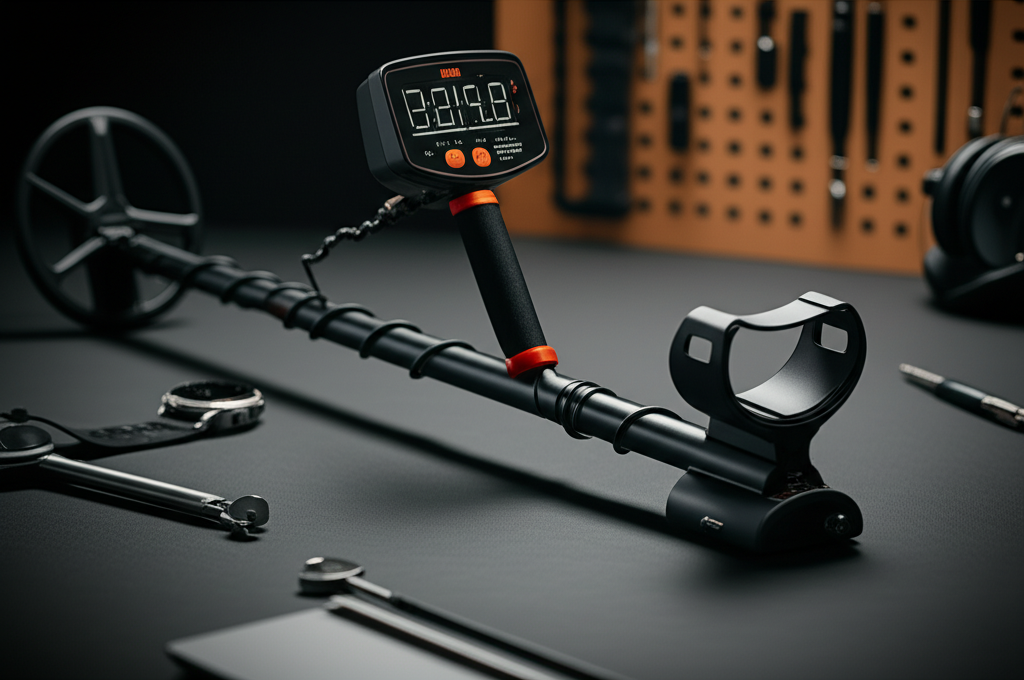
While digital detectors boast complex technology, manufacturers have made great strides in creating user-friendly interfaces. Large, clear LCD screens display crucial information like target ID, depth estimation, and detector settings. Many detectors offer pre-set programs for different types of hunting (e.g., coins, relics, jewelry), making them easy for beginners to pick up and start searching right away.
However, these same detectors also offer deep customization options for experienced users. You can often adjust every aspect of the detector’s performance, from audio pitch and volume to recovery speed and ground balance. This blend of accessibility and advanced control makes digital metal detectors suitable for detectorists of all skill levels, ensuring everyone can enjoy the thrill of the hunt with technology that supports their experience.
Choosing Your Digital Metal Detector: Key Considerations for ToolGuider Readers
When you’re ready to step up to a digital metal detector, there are a few key things to consider, especially for those of you who rely on ToolGuider for practical advice. Think about the type of detecting you plan to do most often. Are you interested in coin shooting in parks and fields, relic hunting in historical sites, or perhaps venturing into gold prospecting?
Coin Shooting: Look for detectors with excellent target ID, good discrimination for trashy areas, and decent depth.
Relic Hunting: Sensitivity to small, often iron-encased targets and good ground balancing are crucial. Multi-tone audio is also a big plus.
Gold Prospecting: High frequencies and advanced ground balancing are essential for picking up small gold nuggets.
Beach Hunting: Waterproof capabilities and excellent saltwater performance (often achieved with specific frequencies or multi-frequency setups) are vital.
Consider your budget, but remember that investing a bit more in a quality digital detector can pay off in more finds and less frustration. Don’t be afraid to read reviews, watch comparison videos, and even try to demo a detector if possible. The right digital metal detector will feel like an extension of your own senses in the field.
Frequently Asked Questions About Digital Metal Detectors
What is the main advantage of a digital metal detector?

The primary advantage is superior target identification and processing. Digital detectors use microprocessors to analyze signals, providing clearer audio cues and numerical target IDs, which helps distinguish between different metals and reduces digging trash.
Are digital metal detectors harder to use than analog ones?
Not necessarily. While they have more features, many digital detectors offer user-friendly interfaces and pre-set programs that make them easy for beginners. Experienced detectorists can then delve into advanced customization for greater control.
Can digital metal detectors find deeper targets?
Yes, often they can. Through advanced signal processing, better ground balancing, and the use of multiple frequencies, digital detectors are generally capable of achieving greater depth on a wider range of targets compared to older analog models.
How important is ground balancing for a digital metal detector?
Ground balancing is very important. It allows the detector to ignore the natural mineral content of the soil, which can cause false signals or mask targets. Effective ground balancing is crucial for achieving optimal depth and sensitivity in diverse environments.
What does target ID mean on a digital metal detector?
Target ID (Identification) is a numerical value displayed on the screen that estimates the conductivity and/or ferrous properties of a detected metal object. It helps you decide whether to dig a target by giving you an idea of what it might be.
Is multi-frequency technology really that important?
Multi-frequency technology is a significant breakthrough because different frequencies are better suited for detecting different types of targets and soil conditions. Detectors with multi-frequency capabilities offer greater versatility and performance across a wider range of scenarios.
Can I update the software on my digital metal detector?
Many modern digital metal detectors support software updates, either via USB or wirelessly. These updates can improve performance, add new features, and ensure your detector stays up-to-date with the latest technology.
Conclusion: The Future of Detection is Digital
The journey from clunky analog machines to the sophisticated digital metal detectors of today has been nothing short of revolutionary. The essential breakthroughs in digital signal processing, target identification, ground balancing, multi-frequency operation, and user-friendly design have transformed metal detecting into a more precise, rewarding, and accessible hobby for everyone. Whether you’re a seasoned pro looking for that edge or a beginner eager to start finding treasures, a digital metal detector is undoubtedly your best ally. Embracing this technology means you’re better equipped to interpret signals, avoid unnecessary digging, and ultimately, make more exciting discoveries. Happy hunting with your advanced digital metal detector!
