


Published on: October 10, 2025 | Updated on: October 10, 2025
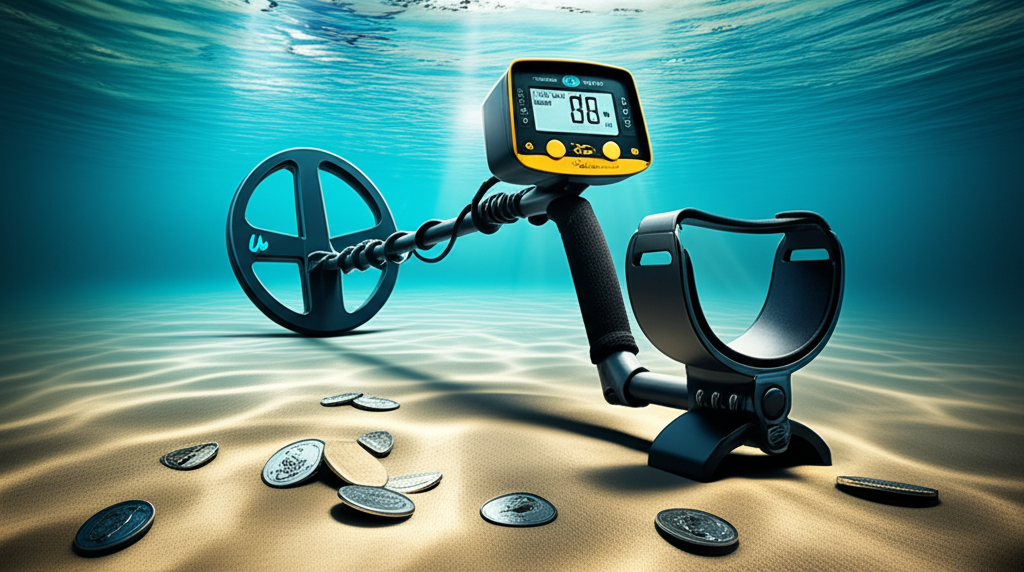
Yes, many metal detectors work through water, but it depends on their design and waterproof rating. Specialized submersible detectors and waterproof coils are key to successful underwater detecting.
Metal detecting is a fantastic hobby. You can find old coins, lost jewelry, and even historical relics. But what happens when your search takes you near or into the water? This is a big question for many detectorists. Can your trusty metal detector handle a little (or a lot of) water? The good news is, yes, they can! However, not all detectors are built the same. Some are completely waterproof, while others are only water-resistant. This guide will explain exactly how metal detectors work through water and what you need to know to find treasure beneath the waves. We’ll cover everything from basic principles to the latest tech.
Can Any Metal Detector Go Underwater?
Not all metal detectors are designed for underwater use. Most standard detectors have control boxes that are sensitive to water. Getting these wet can damage them permanently. Therefore, it’s crucial to check your detector’s specifications before taking it near water.
Understanding Waterproof Ratings

Manufacturers use different ratings to show how well a detector handles water. An IP rating (Ingress Protection) is common. For example, an IP68 rating means the device can be submerged in water for extended periods. Always look for this rating on your detector and its coils.
How Do Metal Detectors Work in Water?
The basic way a metal detector works doesn’t change much in water. A metal detector sends out an electromagnetic field. When this field hits a metal object, it creates a small electrical current in the metal. This current then sends a signal back to the detector. The detector makes a sound to let you know you’ve found something. Water itself doesn’t block this signal.
The Role of the Coil
The coil is the part of the detector that goes closest to the ground. For underwater detecting, the coil must be waterproof. Many detectors come with waterproof coils. These coils are sealed to prevent water from entering. This allows you to sweep the coil through shallow streams or even fully submerge parts of your detector.
What Makes a Detector “Waterproof”?
A truly waterproof metal detector is built with sealed electronics. This means the control box, shafts, and armrests are all protected from water. The coil is also designed to be fully submersible. These detectors are made for beach hunting, wading, and even scuba diving.
Submersible vs. Water-Resistant Detectors
It’s important to know the difference. Water-resistant detectors can handle rain or splashes. They might have a waterproof coil but a control box that cannot be submerged. Submersible detectors, on the other hand, are built to go underwater completely. These are what you need for serious underwater treasure hunting.
Types of Waterproof Metal Detectors
There are several types of detectors suitable for water. These range from basic models for shallow wading to advanced units for deep diving. Understanding these options helps you choose the right tool for your needs.
All-Terrain Detectors
Many modern metal detectors are designed as all-terrain units. This means they can handle various conditions, including rain, mud, and shallow water. Their coils are usually waterproof, and the control boxes might be water-resistant. These are great for beach combing and shallow stream hunting.
Fully Submersible Detectors
These are the top-tier detectors for underwater work. They can be fully submerged, often to depths of 10-20 feet or more. They use advanced technology to perform well in saltwater and freshwater. These are ideal for finding lost items in lakes, rivers, and the ocean.
Choosing the Right Waterproof Coil
The coil is a critical component for underwater detecting. Not all coils are created equal, and some might not be waterproof even if the detector is. Always check the coil’s specifications.
Waterproof Coil Features
A waterproof coil is sealed to keep water out. It’s typically made of durable plastic. The cable connecting the coil to the detector must also be robust and waterproof. Some coils are designed to ignore the mineralized salt in saltwater, which can cause false signals.
Coil Size and Shape
Coil size affects how deep you can search and how well you can pinpoint targets. Smaller coils are better for tight spaces and pinpointing. Larger coils cover more ground and can detect deeper. For underwater use, consider a coil that is easy to handle and maneuver in currents.
Essential Underwater Detecting Gear
Beyond the detector itself, you’ll need specific gear for a successful underwater hunt. This equipment helps you find, retrieve, and manage your finds safely.
Pinpointers for Water
A pinpointer is a small, handheld detector used to locate targets precisely once you’ve dug a plug or cleared an area. For underwater use, you need a waterproof pinpointer. These devices are invaluable for finding small targets in sand or mud.
Sifting and Recovery Tools
Once you detect something, you need to get it out. Underwater recovery requires specialized tools. This includes scoops with holes to let water and sand drain away, and nets or bags to collect your finds. Always use tools that won’t damage the environment or your finds.
Detecting in Saltwater vs. Freshwater
Saltwater presents unique challenges for metal detectors. The high mineral content in saltwater can interfere with the detector’s signals, causing false readings. Freshwater is generally easier to detect in.
Ground Balance for Saltwater
Many advanced detectors have a “ground balance” feature. This helps the detector ignore the minerals in the soil or water. For saltwater, manual or automatic ground balancing is essential. Some detectors are specifically designed for saltwater performance.
Effects of Saltwater on Detectors
Salt can be corrosive. Even if a detector is waterproof, rinsing it thoroughly with fresh water after use in saltwater is crucial. This prevents damage to the metal parts and seals. Always follow the manufacturer’s cleaning instructions.
Tips for Successful Underwater Metal Detecting
Underwater detecting requires different techniques than land detecting. Patience and practice are key to mastering these skills.
Work Slowly and Methodically
Water resistance can slow down your sweep speed. Move your coil slowly and deliberately through the water. Overlap your sweeps to ensure you don’t miss any targets.
Understand Water Currents and Visibility
Water currents can move targets. They can also make it harder to dig and recover finds. Poor visibility means you’ll rely more on your detector’s audio signals. Practice listening carefully to distinguish targets from natural sounds.
Safety First!
Always prioritize your safety. Never detect alone in deep water. Be aware of your surroundings, including boat traffic and underwater hazards. Wear appropriate safety gear like a life vest if necessary.
Common Challenges and Breakthroughs
Finding treasure underwater comes with its own set of hurdles. However, technology and techniques are constantly improving.
Challenge: False Signals
The biggest challenge underwater is false signals. These can come from black sand, mineralized rocks, or even seaweed. Modern detectors with advanced discrimination settings can help filter these out. Pulse Induction (PI) detectors are often better in highly mineralized saltwater.
Breakthrough: Pulse Induction (PI) Technology
Pulse Induction detectors send out short pulses of energy. They are less affected by mineralized ground and saltwater. While they typically lack target ID numbers like VLF detectors, they offer great depth and performance in difficult conditions. This makes them a breakthrough for saltwater and deep water detecting.
Metal Detector Brands for Underwater Use
Several reputable brands offer excellent waterproof metal detectors. These brands are known for their quality and performance.
Popular Brands and Models
Garrett, Minelab, Nokta Makro, and Fisher are top brands in the metal detecting world. Models like the Garrett AT series, Minelab Equinox, and Nokta Makro PulseDive are popular choices for underwater hunting. Always research specific models to ensure they meet your needs.
Comparing Detector Features
When comparing detectors, look at their depth capabilities, waterproof rating, frequency, and target ID features. Consider the type of detecting you plan to do most. A beach hunter might need different features than a relic hunter exploring old riverbeds.
Frequently Asked Questions (FAQ)
Here are answers to some common questions about metal detectors and water.
Can I use my regular metal detector in the rain?
Some detectors are water-resistant and can handle light rain or splashes. However, most are not fully waterproof. Always check your detector’s manual before exposing it to rain.
What is the best metal detector for shallow water?
For shallow water, a good all-terrain detector with a waterproof coil is usually sufficient. Models like the Garrett AT Pro or Minelab Equinox are popular choices for wading and beach hunting.
Do waterproof pinpointers make a big difference?
Yes, a waterproof pinpointer is essential for underwater detecting. It helps you quickly locate small targets in sand or mud, saving you time and effort.
Can metal detectors find gold underwater?
Yes, metal detectors can find gold underwater. Gold is a metal, and detectors are designed to find it. Specialized gold detectors or multi-frequency detectors often perform best for gold prospecting.
How deep can waterproof metal detectors go?
This varies by model. Many recreational waterproof detectors can go down 10-20 feet. Professional diving detectors can go much deeper. Always check the manufacturer’s depth rating.
Conclusion
So, do metal detectors work through water? Absolutely! The key is choosing the right equipment. With waterproof detectors and coils, you can confidently explore beaches, rivers, and even shallow ocean depths. Understanding waterproof ratings, the role of the coil, and the differences between saltwater and freshwater detecting will set you up for success. Remember to invest in essential underwater gear like pinpointers and recovery tools. Always prioritize safety and proper maintenance. The world of underwater treasure awaits, and with the right knowledge and tools, you’re ready to explore it. Happy hunting!
