


Published on: October 10, 2025 | Updated on: October 10, 2025
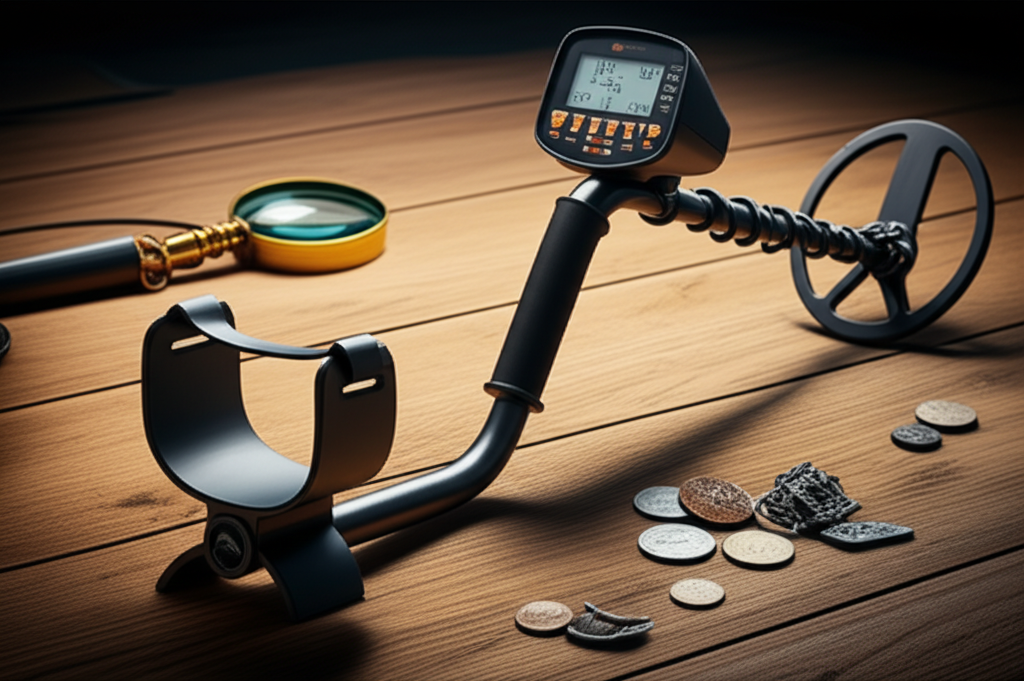
Yes, pawn shops often buy metal detectors, especially if they are in good working condition and have desirable brands. Selling your metal detector to a pawn shop can be a quick way to get cash, but understanding their buying process and the value of your detector is key to a good deal.
Hey there, fellow treasure hunters! Ever wondered if that trusty metal detector gathering dust in your garage has any hidden value for someone else? It’s a common question many of us face when upgrading our gear or just needing some extra cash. You’ve invested in this fantastic tool for finding coins, relics, and maybe even gold, but what happens when you’re ready to part with it? This guide will walk you through everything you need to know about selling your metal detector to a pawn shop, making sure you get a fair deal. We’ll cover what they look for, how to prepare your detector, and what to expect during the process. Let’s get your old detector turned into cash!
Do Pawn Shops Actually Buy Metal Detectors?
Many pawn shops are open to buying metal detectors. They see them as hobbyist items that can sell well. If your detector is in good shape, it’s a strong candidate for them to buy. They want items they can resell for a profit.
What Pawn Shops Look For in a Metal Detector

Pawn shops prefer metal detectors that are popular and in working order. They check for brands like Garrett, Minelab, and Fisher. Detectors that are clean and have all their parts are more attractive. They also consider the age and condition of the unit.
Condition is King: Working Parts and Aesthetics
A detector that works perfectly is a must. Pawn shops will test it to make sure it powers on and detects metal. They also look for physical damage. Scratches, dents, or broken pieces can lower the offer. A clean detector shows it was well cared for.
Brand Recognition and Resale Value
Popular brands are easier for pawn shops to sell. They know these brands have a good reputation. This means they can likely sell them quickly to other hobbyists. Less common or no-name brands might be harder to move. This affects how much they will offer you.
Completeness: Coils, Batteries, and Accessories Matter
Having all the original parts is important. This includes the main control box, shaft, and coil. Extra coils, a good battery, and any original accessories like headphones or a pinpointer add value. If you have the original manual or box, that’s a bonus.
How to Prepare Your Metal Detector for a Pawn Shop Visit
Getting your metal detector ready is simple but important. A little effort can make a big difference in the offer you receive. Think of it like preparing a car for sale.
Clean Your Detector Thoroughly
Start by cleaning your metal detector. Use a damp cloth to wipe down the control box and shaft. Clean the coil gently, making sure no dirt or debris is left. Remove any mud from crevices. A clean detector looks well-maintained and cared for.
Test All Functions and Batteries
Make sure your detector is working correctly. Power it on and test its sensitivity. Swing it over a few metal objects to confirm it’s detecting. Check the battery compartment for corrosion. If the batteries are old, consider replacing them with fresh ones.
Gather All Accessories and Manuals
Collect everything that came with your detector. This includes extra coils, headphones, and any digging tools. If you still have the original user manual or the box, bring them along. These extras show you’ve taken good care of the item. They increase its appeal to the pawn shop.
Understanding Pawn Shop Offers: What to Expect
Pawn shops make offers based on what they think they can sell your item for. They need to make a profit. This means their offer will be lower than what you might get selling it yourself.
The Pawn Shop’s Profit Margin
Pawn shops are businesses. They buy items at a price that allows them to resell them for more money. They typically offer about 20-40% of the item’s resale value. This is standard for their business model. It covers their costs and risk.
Factors Influencing Their Offer Price
Several things affect how much a pawn shop offers. The brand and model of your detector are key. Its age and current condition play a big role. The demand for that specific model in their area also matters. They also consider how quickly they think it will sell.
Negotiation: Is It Possible?
You can often negotiate with a pawn shop. If you know the resale value of your detector, you have a starting point. Be polite and reasonable. If they offer $100, and you know it sells for $300, you can explain that. But don’t expect them to match retail price.
Selling vs. Pawning Your Metal Detector
It’s important to know the difference between selling and pawning. Selling means you give the item to the shop for cash. Pawning means you leave it as collateral for a loan.
Selling Your Metal Detector Outright
When you sell your detector, you give it to the pawn shop. You get cash, and you no longer own the item. This is a good option if you don’t want the detector anymore. You walk away with money and no strings attached. This is what most people mean when they ask, “do pawn shops buy metal detectors.”
Pawning Your Metal Detector for a Loan
Pawning also gets you cash, but it’s a loan. You leave your detector at the shop. You get a set time to pay back the loan plus interest. If you pay it back, you get your detector back. If you don’t, the pawn shop keeps it and can sell it.
Where Else Can You Sell Your Metal Detector?
While pawn shops offer quick cash, other places might give you more money. Consider these options if you have time and want to maximize your return.
Online Marketplaces: eBay, Facebook Marketplace, Craigslist
Online platforms are popular for selling used items. You can reach a wider audience. This often leads to higher prices. eBay has a huge buyer base. Facebook Marketplace and Craigslist allow local sales. You set your own price.
Specialty Detector Shops and Forums
Some detector dealers also buy used equipment. They might offer store credit or cash. Detectorist forums or online communities can also be good places. People in these groups often know the value of different detectors. They might be willing to pay more than a pawn shop.
Garage Sales and Flea Markets
For a quick local sale, a garage sale or flea market works. People looking for a bargain might find your detector. This is less predictable. You might get a good price, or you might have to sell it for less than you hoped.
What is the Hidden Value of a Used Metal Detector?
The “hidden value” in a used metal detector is its potential for a new owner. It’s not just metal and plastic. It’s a tool for adventure and discovery.
The Thrill of the Hunt for a New Owner
Your old detector can bring joy to someone new. It can help them find their first coin or relic. This sense of adventure and discovery is a significant part of its value. Many people start metal detecting as a budget-friendly hobby.
Potential for Finding Valuable Items
A used detector, even an older model, can still find treasures. It might be perfect for a beginner exploring a local park. It could be someone’s first step into gold prospecting. The detector’s ability to locate valuable items for its new owner is its true worth.
Cost Savings for Beginners
Buying a used metal detector is much cheaper than buying new. This makes the hobby accessible to more people. A pawn shop or online buyer can provide a great starter detector at a lower cost. This is a key part of its hidden value.
Is Selling to a Pawn Shop the Right Choice for You?
Deciding whether to sell your metal detector to a pawn shop depends on your needs. Weigh the pros and cons carefully. Think about what’s most important to you right now.
Pros of Selling to a Pawn Shop
The biggest advantage is speed. You can get cash very quickly. It’s a simple process with minimal effort. You don’t have to deal with shipping or meeting multiple buyers. It’s a straightforward transaction.
Cons of Selling to a Pawn Shop
The main drawback is the price. You will likely get less money than if you sold it yourself. Pawn shops need to make a profit, so their offer is lower. You might regret selling it for less if you find out its true market value later.
When Selling to a Pawn Shop Makes Sense
Selling to a pawn shop is a good choice if you need cash fast. If you don’t have time to list your item online or wait for buyers. If you have an older or less popular model that might be hard to sell elsewhere. It’s about convenience and immediate need.
FAQ: Your Questions About Selling Metal Detectors Answered
Can I sell a broken metal detector to a pawn shop?
Generally, no. Pawn shops want items they can resell quickly. A broken detector is difficult to sell and risky for them. They might consider it for parts, but the offer would be very low.
How much can I expect to get for my used metal detector?
This varies greatly. A good rule of thumb is that pawn shops offer about 20-40% of the item’s resale value. A newer, popular model in excellent condition will get a better offer than an older, basic one.
Do pawn shops buy metal detector coils separately?
Some might, especially if it’s a popular brand or a specialty coil. However, they usually prefer to buy the complete detector package. Selling coils separately online or to other detectorists might yield a better price.
What brands of metal detectors do pawn shops prefer?
They prefer well-known brands with a good reputation for performance and durability. This includes brands like Garrett, Minelab, Fisher, Nokta Makro, and Bounty Hunter.
How long does it take to get paid at a pawn shop?
If they agree to buy your detector, you can usually get cash on the spot. The transaction is typically very fast. It’s one of the main benefits of using a pawn shop.
Should I tell the pawn shop if my detector has minor issues?
Yes, honesty is the best policy. Mention any known issues, like a scratched screen or a weak battery. They will likely find out during testing anyway. Being upfront builds trust and avoids problems later.
Conclusion: Do Pawn Shops Buy Metal Detectors? Yes, and Here’s How to Get the Best Deal
So, to answer the main question: do pawn shops buy metal detectors? Absolutely, they do. Pawn shops are a viable option if you need quick cash for your used metal detector. Remember, their offers reflect their need to profit from resale. By cleaning your detector, testing its functions, and gathering all accessories, you present your item in the best possible light. While you might not get top dollar compared to selling privately, the convenience and speed are often worth it for many detectorists. Consider your needs – if fast cash is your priority, a pawn shop is a solid choice for turning your old gear into immediate funds.
