


Published on: October 10, 2025 | Updated on: October 10, 2025
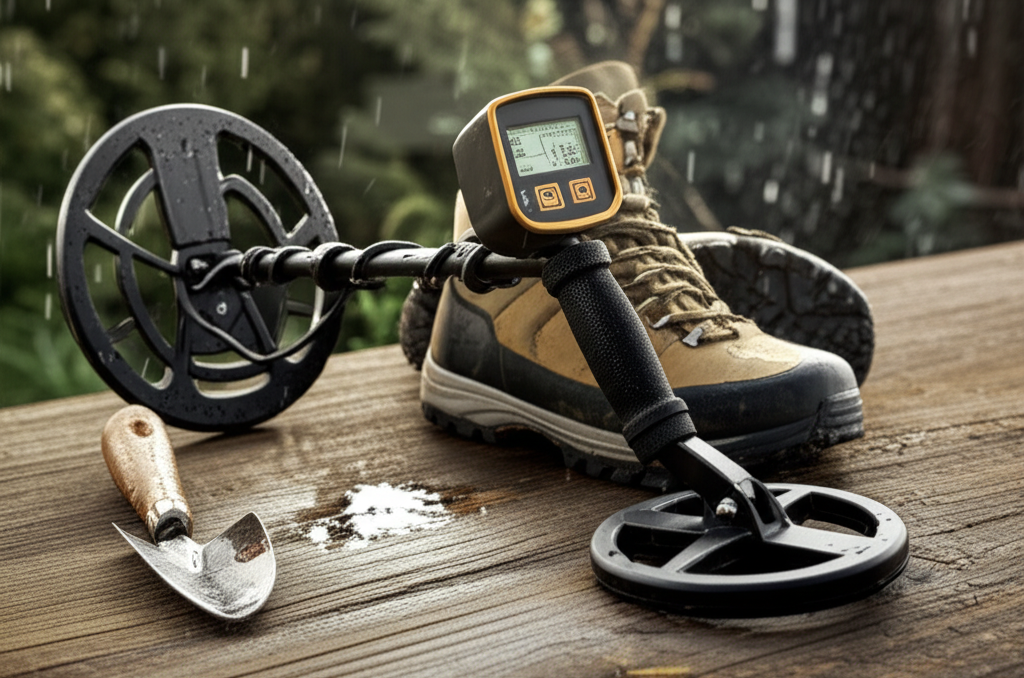
Yes, most modern metal detectors can work in the rain, but you need to take precautions to protect them and yourself. Understanding your detector’s waterproof rating and taking simple steps will ensure your detecting adventures continue, rain or shine.
Do Metal Detectors Work In The Rain? Essential Guide
Have you ever looked out at a drizzly day and wondered if your trusty metal detector could still find treasure? It’s a common question for many detectorists. Getting caught in a downpour can feel like a treasure hunt ending too soon. But don’t let a little rain stop you.
This guide will walk you through everything you need to know. We’ll cover how rain affects metal detectors and what you can do to keep them safe. You’ll learn about waterproof ratings and simple protective measures. Let’s get your detector ready for any weather.
Understanding Metal Detector Waterproof Ratings
Most metal detectors are not fully waterproof. They have different levels of protection against water. Some are only rain-resistant, while others can be fully submerged. It’s crucial to know your detector’s specific rating. This information is usually in the user manual.
A rain-resistant detector can handle light drizzles. It might survive getting splashed. However, it should not be submerged in water. A fully submersible detector can be used underwater. This is great for rivers, lakes, or the ocean.
IP Ratings Explained for Detectorists

IP ratings tell you how well a device is protected. They use two numbers. The first number is for dust protection. The second number is for water protection. For metal detectors, the water protection number is key.
An IPX4 rating means it can handle splashes from any direction. An IPX7 rating means it can be submerged up to 1 meter for 30 minutes. Always check the manual for your specific detector’s IP rating. This knowledge is essential for knowing if your metal detector works in the rain.
How Rain Affects Metal Detector Performance
Rain can impact how well your metal detector works. Wet ground can change the soil’s conductivity. This might cause false signals or make it harder to find targets. Heavy rain can also make it difficult to hear the detector’s audio signals.
The water itself can interfere with the detector’s electromagnetic field. This field is what the detector uses to find metal. Wet soil can act like a thin layer of metal. It can mask deeper targets or create confusing signals.
Wet Ground and Soil Mineralization
Soil can be naturally mineralized. This means it has minerals that conduct electricity. Wet soil is usually more conductive than dry soil. High mineralization can cause a detector to give false signals. It can also reduce the depth at which you can find targets.
Some advanced detectors have features to handle wet ground. They can adjust their settings to ignore these false signals. Learning to use these features is important for detecting in wet conditions. Understanding this helps answer the question, “do metal detectors work in the rain?”
Can You Use a Non-Waterproof Detector in Light Rain?
Yes, you can often use a non-waterproof detector in light rain. However, you must be very careful. Protect the control box and coil from getting too wet. A simple plastic bag can work wonders for the control box.
Avoid letting water pool on the coil or shaft. If your detector is only rain-resistant, do not submerge any part of it. Always wipe it down thoroughly after use. This prevents water damage.
Protecting the Control Box
The control box houses the detector’s electronics. It is usually the most sensitive part. Most control boxes are not waterproof. You must protect them from rain. A waterproof cover or a simple plastic bag secured with rubber bands works well.
Ensure the bag is sealed tightly. You still need to be able to operate the buttons. Some detectorists use specialized rain covers made for their models. These offer a snug fit and easier access.
Protecting the Coil
The coil is usually designed to be waterproof. This is because it is the part that goes closest to the ground and water. However, check your manual to be sure. Even waterproof coils can have issues if damaged.
If your coil is not waterproof, you must protect it. A coil cover can offer some protection. Be extra cautious with non-waterproof coils in wet conditions.
Using Waterproof Detectors in Heavy Rain and Submersion
If you have a fully waterproof metal detector, heavy rain is less of a concern. You can use it in downpours and even submerge it. This opens up new hunting grounds like beaches and shallow water.
However, even waterproof detectors need care. Rinse them with fresh water after use, especially if you used them in saltwater. Salt can corrode metal parts over time. Always check for any damage after submersion.
Benefits of Waterproof Detectors
Waterproof detectors offer freedom. You can hunt in almost any weather. You can also explore underwater locations. This expands your potential finds greatly. Beaches and riverbeds become prime hunting spots.
These detectors are often more robust. They are built to withstand tougher conditions. This makes them a good investment for serious detectorists. They truly allow you to detect no matter the weather.
Maintenance for Waterproof Detectors
Even waterproof detectors need maintenance. After use in saltwater or muddy water, rinse the detector thoroughly with fresh water. Pay attention to joints and seals. Check the battery compartment to ensure it is dry and clean.
Inspect the coil and cable for any signs of damage. Damaged seals can lead to leaks. Proper cleaning and storage will extend the life of your waterproof detector.
Essential Gear for Detecting in the Rain
Beyond the detector itself, you need other gear. Good waterproof clothing is a must. This includes a rain jacket, waterproof pants, and waterproof boots. You need to stay dry and comfortable to detect for longer.
A waterproof bag is also essential. Use it to carry your finds, tools, and any extra batteries. This keeps everything dry. A small towel is useful for wiping down your gear.
Waterproof Clothing and Footwear
Staying dry is key to enjoying detecting in the rain. Invest in a good quality rain jacket and pants. Look for breathable materials. Waterproof boots are also crucial. Wet feet can make detecting miserable.
Consider waterproof gloves if your hands get cold. This will help you maintain dexterity for operating your detector. Good gear makes a big difference.
Protective Accessories
Besides clothing, consider accessories for your detector. A dedicated rain cover for the control box is ideal. Many brands offer these. They are designed to fit snugly.
A waterproof pouch for your phone or GPS is also a good idea. If you use a pinpointer, ensure it is waterproof too. This way, you can use it even if it gets wet.
Tips for Detecting in Wet Conditions
Detecting in the rain requires some adjustments. The ground will be softer. This can make digging easier, but also messier. Use a good digging tool that can handle wet soil.
Be aware of your surroundings. Wet surfaces can be slippery. Watch out for hidden hazards like roots or holes. Always prioritize your safety.
Adjusting Your Detector Settings
Many detectors have settings for different ground conditions. If you are in wet, mineralized soil, you might need to adjust your sensitivity. Lowering it slightly can reduce false signals. Ground balancing is also important. Ensure your detector is properly ground balanced for the wet soil.
Some detectors have a “rainy day” mode or specific settings for wet ground. Consult your manual to see if your detector has these. Experimenting with settings is key.
Digging in Wet Soil
Digging in wet soil can be easier. The ground is softer and less resistant. However, it can also be very muddy. Have a good quality digging tool ready. A sturdy trowel or a shovel works well.
Be prepared to get dirty. A brush can help clean mud off your finds. Have a separate bag for muddy finds. This keeps your other finds clean.
When to Stop Detecting in the Rain
There are times when you should stop detecting, even with a waterproof detector. If there is lightning, stop immediately. Lightning is extremely dangerous. Pack up your gear and seek shelter.
If the rain becomes too heavy, making visibility poor, it might be time to stop. If you are too cold or uncomfortable, your detecting session will be short and unpleasant. Always listen to your body and your instincts.
Safety First: Lightning and Storms
Lightning is a serious threat. Metal detectors can attract lightning. If you hear thunder, stop detecting immediately. Seek shelter in a car or a building. Do not stand under a lone tree.
Wait for at least 30 minutes after the last thunderclap before resuming your hunt. Your safety is more important than any find.
Comfort and Visibility
If the rain is so heavy you can’t see well, it’s time to stop. You might miss targets or step into hazards. Also, if you are getting too cold, you risk hypothermia. Take breaks, stay warm, and assess your comfort level.
A miserable detecting session is not a fun one. It’s okay to call it a day if conditions are too harsh.
Maintaining Your Metal Detector After Rain
Proper maintenance after detecting in the rain is crucial. Even if your detector is waterproof, water and dirt can cause issues. Always clean your detector thoroughly.
Use a soft cloth to wipe down all parts. If you detected in saltwater, rinse the detector with fresh water. Pay attention to the coil and shaft. Ensure all parts are completely dry before storing.
Cleaning Your Detector
Wipe down the control box, shaft, and coil with a damp cloth. For stubborn mud, use a soft brush. Never use harsh chemicals or abrasive cleaners. They can damage the detector’s finish.
Dry everything thoroughly with a soft, dry cloth. This prevents water spots and potential corrosion.
Storage and Battery Care
Store your detector in a dry place. If you have a protective cover, use it. Remove the batteries if you plan to store the detector for a long time. This prevents battery leakage.
Always ensure the battery compartment is dry before inserting batteries. Moisture in the battery compartment can cause serious damage.
Can Any Metal Detector Work in the Rain?
No, not all metal detectors can work in the rain. Some are designed only for dry conditions. These detectors have sensitive electronics that water can easily damage. Always check the manufacturer’s specifications.
If your detector is not rated for water resistance, it is best to avoid using it in wet weather. The risk of damage is too high. Stick to dry days for these models.
Detectors Not Suited for Rain
Many entry-level or older models are not designed for wet conditions. Their control boxes are particularly vulnerable. Even the coils might not be waterproof. Using these in the rain is a gamble.
The best approach is to know your equipment. If in doubt, keep it dry.
FAQ: Your Rain Detecting Questions Answered
Will rain damage my metal detector?
It depends on the detector’s waterproof rating. Waterproof detectors can handle rain. Non-waterproof ones can be damaged by getting wet, especially the control box.
Can I submerge a detector that is only rain-resistant?
No, a rain-resistant detector can handle splashes but not submersion. Submerging it will likely cause damage.
How do I protect my non-waterproof detector in light rain?
You can use a plastic bag or a dedicated rain cover for the control box. Keep the coil as dry as possible too.
Does wet ground affect how well my detector finds things?
Yes, wet ground is more conductive. This can cause false signals or mask deeper targets. Adjusting your detector’s settings can help.
What are the best metal detectors for use in the rain?
Look for detectors with a high IP rating (like IP68) or those specifically advertised as fully waterproof. Many brands offer waterproof models.
Should I use headphones in the rain?
Yes, headphones can help you hear faint signals over the sound of rain. Ensure your headphones are also water-resistant if possible.
Conclusion
So, do metal detectors work in the rain? Yes, many modern metal detectors are built to withstand rainy conditions, and some can even be fully submerged. The key is understanding your detector’s waterproof rating. With the right precautions, like protecting the control box on non-waterproof models and using waterproof gear, you can continue your treasure hunting adventures no matter the weather. Always prioritize safety, especially during thunderstorms, and remember to clean and maintain your equipment after each wet outing. Happy hunting, rain or shine!
