


Published on: October 10, 2025 | Updated on: October 10, 2025
You generally don’t need a permit for casual metal detecting on public land where it’s allowed, but specific locations like historical sites, private property, and protected areas require permission or permits. Always check local laws and land owner consent to avoid legal trouble.
Metal detecting is a fantastic hobby. You might find old coins, cool relics, or even gold. But before you grab your detector and head out, a big question pops up: “Do you need a permit to use a metal detector?” It’s a common worry, and the answer isn’t always a simple yes or no. Many detectorists get confused about where they can legally swing their coil. This guide will clear up all the confusion. We’ll walk you through the rules so you can detect with confidence and avoid any trouble.
Why the Permit Question Matters for Detectorists
Understanding permit requirements is crucial for every metal detectorist. It protects you from fines and ensures you’re respecting laws. Ignoring these rules can lead to confiscation of your gear and even legal charges. Knowing where you can and cannot detect keeps the hobby enjoyable for everyone.
The General Rule: Public Land and Your Detector
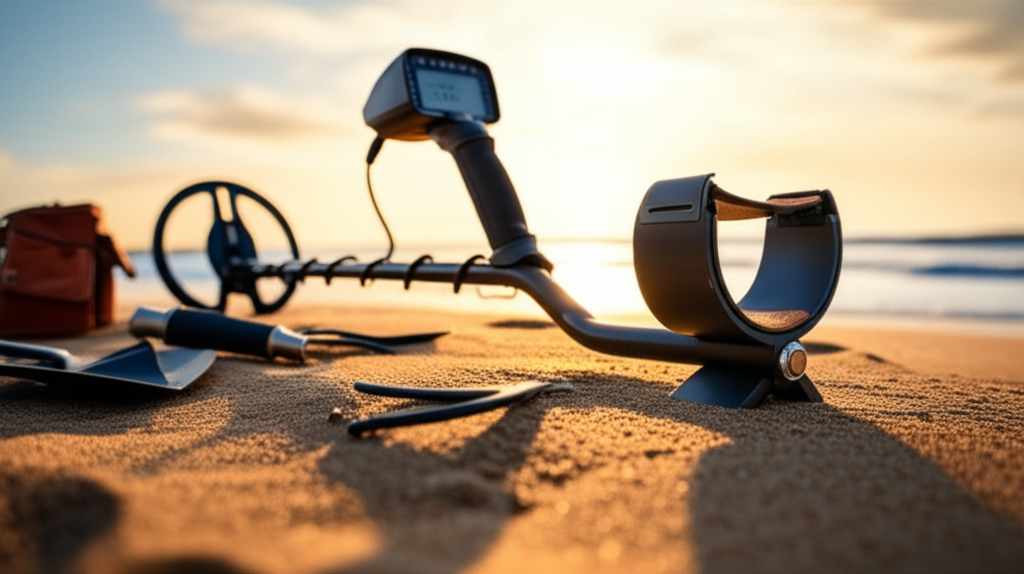
For most public lands, like parks or beaches, you usually don’t need a specific permit to use a metal detector. This is especially true if you’re just looking for modern coins or lost jewelry. These areas are often open for recreational activities. Always check local park rules, as some may have restrictions.
When You Absolutely Need a Permit: Protected Areas
Certain places are off-limits or require special permission. This includes national parks, state parks, historical sites, and archaeological areas. These locations protect valuable artifacts and natural resources. Detecting in these areas without authorization can cause significant damage and is often illegal.
Private Property: The Landowner is Key
Detecting on private land is straightforward: you need the owner’s permission. Always ask the landowner before you step onto their property with a metal detector. They have the right to say no. If they agree, clearly understand what you can keep and what belongs to them.
Historical Sites and Archaeological Zones: A Strict No-Go
These areas are protected by law for a reason. They hold important clues about our past. Digging in these spots can destroy valuable historical context. Many countries have strict laws against disturbing archaeological sites. Unauthorized detecting here can lead to severe penalties.
Understanding Different Types of Permits
Permits can vary greatly. Some might be for general recreational detecting on specific public lands. Others are for more specialized research or educational purposes. A permit usually involves an application process. You may need to show you understand the rules and ethical practices of metal detecting.
How to Find Out About Local Laws and Permits
The best way to know if you need a permit is to ask. Contact your local parks department or city hall. For federal lands, check with the relevant government agency, like the Bureau of Land Management (BLM) or the National Park Service (NPS). Online research can also provide valuable information.
Essential Gear to Complement Your Detector
Beyond the detector itself, other gear is vital. A good pinpointer helps locate targets quickly in the dug plug. A sturdy digging tool makes recovering finds easier and cleaner. A small trowel or a specialized digging knife is often perfect for this. Always fill your holes neatly.
Ethical Detecting: Respecting the Hobby and the Land
Ethical detecting is more than just following rules. It means respecting the land and its history. Always fill your holes completely, leaving no trace. Never disturb wildlife or sensitive vegetation. Report any significant historical finds to the proper authorities.
FAQ: Your Burning Metal Detecting Permit Questions Answered
Do I need a permit to metal detect on the beach?

Most beaches allow metal detecting without a permit. However, some local regulations might apply. It’s always wise to check with the local beach authority.
Can I metal detect in a public park?
Many public parks allow casual metal detecting. Some parks might have rules against digging or removing items. Always check the specific park’s rules before you go.
What happens if I detect without a permit where one is needed?
You could face fines, have your equipment confiscated, or even face legal charges. It’s best to always get the required permission or permit.
Should I ask permission even if it’s not a historical site?
Yes, especially on private land. Always get clear permission from the landowner. For public lands, check local ordinances.
What if I find something valuable on someone else’s land?
Typically, anything found on private land belongs to the landowner unless agreed otherwise. Always discuss this beforehand.
Conclusion: Detect Legally and Responsibly
So, do you need a permit to use a metal detector? The answer depends entirely on where you plan to detect. For general recreational detecting on many public lands and beaches, a permit is often not required. However, if you’re looking at historical sites, archaeological zones, or private property, permission or a specific permit is almost always necessary. Always do your homework. Research local laws and land ownership. Respecting these rules ensures you can enjoy your metal detecting hobby safely and legally. Happy hunting!
