


Published on: October 11, 2025 | Updated on: October 11, 2025
Does Metal Detector Detect Aluminum: Essential Breakthrough
Yes, most metal detectors can detect aluminum, but their effectiveness depends on the detector’s frequency, sensitivity, and the target’s size and depth. Understanding these factors is key to successful aluminum detection.
You’re out in the field, swinging your metal detector, hoping for that satisfying signal. But then you dig up a piece of foil or a bottle cap. Frustrating, right? Many detectorists wonder, “Does a metal detector detect aluminum?” It’s a common question because aluminum is everywhere, from old coins to modern trash. This article will break down exactly how metal detectors handle aluminum. We’ll explore the science behind it and give you practical tips. Get ready to understand your detector better and improve your finds.
Contents
- 1 Understanding How Metal Detectors Work
- 2 The Science Behind Aluminum Detection
- 3 Frequency: The Key to Aluminum Sensitivity
- 4 Sensitivity Settings: Fine-Tuning Your Detector
- 5 Types of Aluminum Targets and Detection Challenges
- 6 Discrimination: Ignoring Unwanted Aluminum
- 7 Depth and Size of Aluminum Targets
- 8 Choosing the Right Detector for Aluminum Finds
- 9 Tips for Dealing with Aluminum Trash
- 10 Aluminum in Coins and Jewelry
- 11 Frequently Asked Questions
- 12 Conclusion
- 13 Author
Understanding How Metal Detectors Work
Metal detectors send out an electromagnetic field. When this field hits metal, it creates a small current in the metal. The detector then senses this current and alerts you. This is the basic principle for all metal detection. It works on various metals, not just precious ones.
The detector’s coil creates this field. It’s like a magnet, but for electricity. The metal object acts like a tiny antenna, catching the field. Then it sends a signal back to the detector. This signal is what makes your detector beep or show a number.
The Science Behind Aluminum Detection
Aluminum is a non-ferrous metal. This means it doesn’t contain iron. Most metal detectors are designed to find non-ferrous metals. They can also find ferrous metals, which contain iron. Aluminum is a good conductor of electricity. This helps metal detectors pick it up.
However, aluminum has specific magnetic properties. These differ from iron or gold. Different detector frequencies react differently to these properties. This is why some signals might be weaker or harder to pinpoint. It’s all about how the electromagnetic field interacts with the aluminum.
Frequency: The Key to Aluminum Sensitivity
The frequency of a metal detector is crucial. It’s measured in kilohertz (kHz). Higher frequencies are better at detecting small, shallow targets. This includes thin pieces of aluminum foil or small aluminum coins. Lower frequencies are better for larger, deeper targets. They can also penetrate mineralized soil more effectively.
For general detecting, a mid-range frequency (around 6-15 kHz) works well. If you specifically want to find small aluminum items, a detector with a higher frequency (15 kHz and above) might be better. This is often the case for gold prospecting, where small gold nuggets are common.
If you’re hunting for older aluminum coins, like some pennies or tokens, a detector that balances frequencies is ideal. This way, you can pick up both small and moderately sized targets. Always check your detector’s manual for its frequency range.
Sensitivity Settings: Fine-Tuning Your Detector
Your metal detector has a sensitivity setting. This controls how much attention the detector pays to faint signals. If the sensitivity is too low, you might miss small aluminum targets. If it’s too high, you can get false signals from ground minerals or electrical interference. This is often called “chatter.”
Start with a moderate sensitivity setting. Gradually increase it until you hear faint, consistent signals. Then, back it off slightly to avoid false alerts. Experimenting with this setting in different locations is key. It helps you learn what works best for your specific detector.
Understanding your detector’s sensitivity is like learning to listen carefully. You want to hear the subtle whispers of good targets. But you don’t want to be overwhelmed by background noise. Proper tuning makes a big difference in your finds.
Types of Aluminum Targets and Detection Challenges
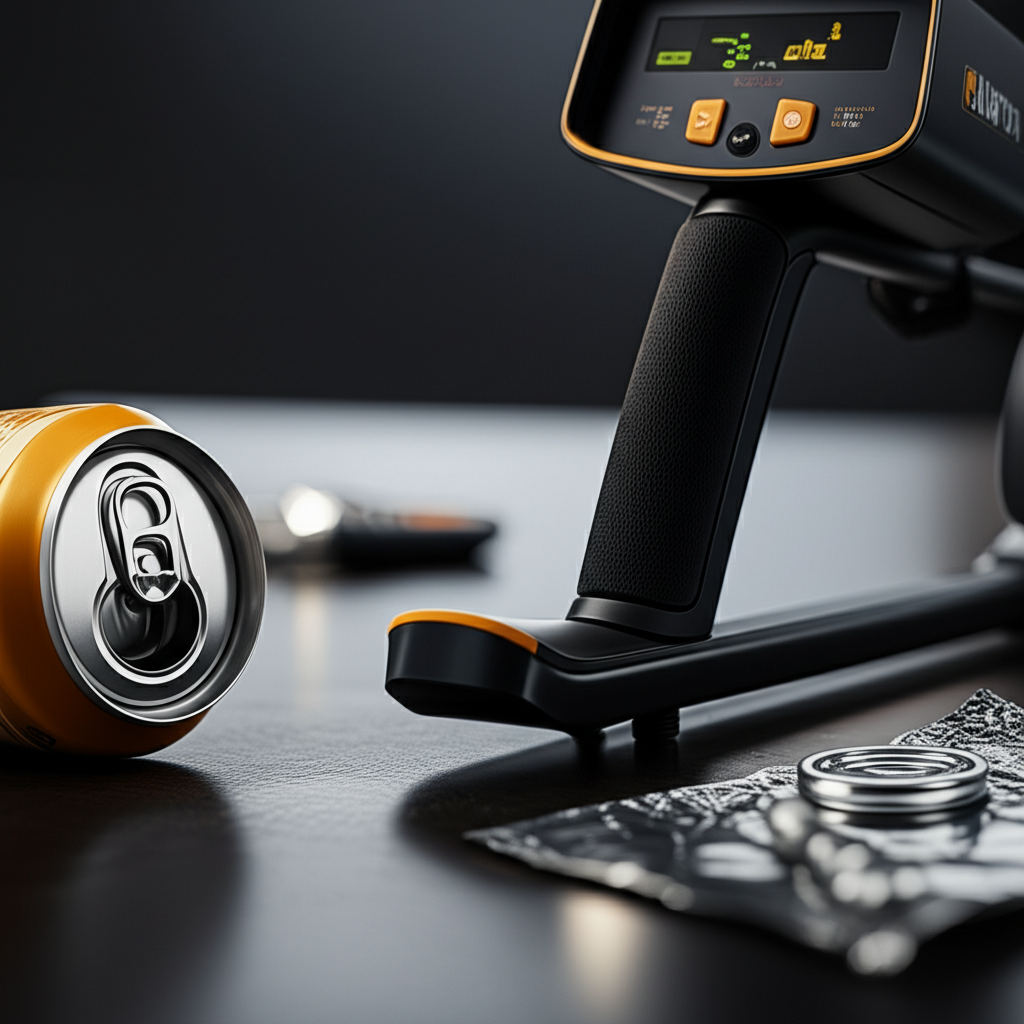
Aluminum appears in many forms when detecting. Common targets include pull tabs from cans, foil, bottle caps, and old aluminum coins. Some modern coins also have aluminum in them. Each type presents unique detection challenges. Pull tabs, for example, are thin and often distorted.
Aluminum foil is extremely thin and can be spread out. This makes it hard for detectors to get a strong signal. Older aluminum coins might be corroded, changing their conductivity. Modern detector discrimination settings can sometimes filter out common aluminum trash like pull tabs. This helps you focus on more desirable targets.
Learning to identify the sounds or visual cues for different aluminum items is a skill. It comes with practice. Knowing the difference between a pull tab and a small gold ring can save you digging time. Many detectorists learn to recognize the characteristic “chatter” of aluminum.
Discrimination: Ignoring Unwanted Aluminum
Discrimination is a feature on most metal detectors. It allows you to ignore certain types of metal. Many detectors are programmed to ignore foil and pull tabs. This is very helpful for avoiding junk targets. It lets you focus on targets like coins, rings, and relics.
However, discrimination is not perfect. Sometimes, good targets can be masked by nearby junk. Or, a detector might incorrectly identify a valuable item as trash. This is especially true for certain types of jewelry. Some aluminum items might register in the “coin” range on some detectors.
Be cautious when using high discrimination settings. You might miss out on valuable finds. Many experienced detectorists prefer to run with lower discrimination. They then use their ears and visual target ID to decide what to dig. This approach often yields more diverse finds.
Depth and Size of Aluminum Targets
Like any metal object, the depth and size of an aluminum target matter. A large piece of aluminum buried shallow will be easy to detect. A tiny piece of foil deep in the ground might be undetectable. Even the best detectors have limits.
The shape of the aluminum also affects detection. A flat piece of foil might not reflect the signal as well as a solid aluminum ball. The ground conditions also play a role. Highly mineralized soil can reduce a detector’s depth capability.
If you are specifically looking for aluminum artifacts, consider the typical size and burial depth. This will help you choose the right detector and settings. For general treasure hunting, understanding these limitations helps manage expectations.
Choosing the Right Detector for Aluminum Finds
If you find yourself digging a lot of aluminum trash, it might be time to evaluate your detector. Some detectors are better than others at handling aluminum. Look for detectors with adjustable frequencies and advanced discrimination features. Multi-frequency detectors are excellent for this.
Consider detectors known for their sensitivity to small targets. Brands like Minelab, Garrett, and Nokta Makro offer excellent options. Research specific models that have good reviews for finding small items. Reading reviews on sites like ToolGuider’s metal detector reviews can be very helpful.
A good pinpointer is also essential. It helps you pinpoint small targets in the dug plug. This saves you time and reduces the chance of damaging tiny finds. A quality pinpointer makes dealing with aluminum trash much easier.
Tips for Dealing with Aluminum Trash
The best strategy is often to minimize digging aluminum trash. Learn to recognize the sounds of pull tabs and foil on your detector. Many detectorists develop an “ear” for these signals over time. Practice in your yard with known targets.
Use your pinpointer effectively. Once you dig a plug, use the pinpointer to locate the target within the soil. This helps you identify the item before it gets lost or damaged. If it’s clearly aluminum trash, leave it out of your finds pouch.
Consider using a detector with a good target ID system. This system assigns a number or category to different metals. While not always perfect for aluminum, it can provide clues. Responsible detecting means filling your holes and packing out your trash. This includes aluminum.
Aluminum in Coins and Jewelry
While many older coins are copper or silver, some modern coins use aluminum alloys. For instance, some European coins contain aluminum. Certain types of costume jewelry also use aluminum. This can sometimes register in a similar range to valuable metals on some detectors.
This is where discrimination settings and careful target analysis are vital. If your detector ID’s an item in the coin range, but it sounds “tinny” or “scratchy,” it might be aluminum. Experienced detectorists learn to differentiate these subtle audio cues. Don’t be afraid to dig items that register as aluminum if you’re unsure. Sometimes, interesting relics can be made of aluminum.
It’s important to remember that aluminum’s conductivity varies. This means its signal can sometimes overlap with other metals. Knowing your detector’s behavior with different aluminum items is key. This knowledge comes from extensive field use and practice.
Frequently Asked Questions
Can a basic metal detector find aluminum?

Yes, most basic metal detectors can detect aluminum. Aluminum is a conductive metal. Basic detectors are designed to pick up conductivity. However, their ability to distinguish it from other metals might be limited.
Why does my metal detector keep beeping on aluminum foil?
Aluminum foil is very thin and a good conductor. This creates a strong signal that many detectors pick up. If your detector has a “foil” or “pull tab” rejection setting, use it. This helps ignore such signals.
Are aluminum coins valuable?
Generally, aluminum coins are not very valuable. Unless they are rare errors or specific collector’s items, their metal content is low. The value is usually in their historical significance or rarity, not the aluminum itself.
How can I avoid digging aluminum trash?
Learn to recognize the audio tones for aluminum trash on your detector. Use your detector’s discrimination settings wisely. Practice identifying signals with a pinpointer before digging.
Does a higher frequency metal detector detect aluminum better?
Higher frequency detectors are generally better at detecting small, shallow targets. This includes thin aluminum foil or small aluminum pieces. They offer more sensitivity to these types of items.
Can metal detectors detect aluminum cans?
Yes, metal detectors can definitely detect aluminum cans. Aluminum cans produce a clear signal. However, they often register as “trash” on many detectors due to their commonness and shape.
Conclusion
So, does a metal detector detect aluminum? The answer is a resounding yes, with a few important caveats. Most metal detectors are designed to pick up the electromagnetic response of aluminum. This is because aluminum is a conductive, non-ferrous metal. However, the effectiveness of this detection depends heavily on your detector’s capabilities. Factors like its operating frequency, sensitivity settings, and discrimination features play a huge role. Smaller, thinner, or deeper aluminum items can be harder to detect than larger, shallower ones. Understanding these nuances will help you tune your detector for better results. It also helps you manage expectations when encountering the inevitable aluminum trash in the field. By learning to identify aluminum signals and using your detector’s features wisely, you can improve your overall detecting experience. Happy hunting!
