


Published on: October 12, 2025 | Updated on: October 12, 2025
Find metal detecting secrets to unearth hidden treasures. Learn essential gear, techniques, and locations from an experienced detectorist. Maximize your finds and avoid common pitfalls.
Metal detecting is an exciting hobby. You can find old coins, jewelry, and historical relics. Sometimes, it feels like searching for a needle in a haystack. Many beginners get frustrated and give up. This guide will show you how to find metal detecting success. I’ll share my best tips and tricks. You’ll learn what gear you need and where to look. Get ready to discover amazing hidden treasures!
What is Metal Detecting and Why is it So Rewarding?
Metal detecting lets you find buried metal objects. It’s like a treasure hunt in your own backyard or beyond. The thrill of uncovering something lost to time is unmatched. You connect with history and enjoy the great outdoors. It’s a hobby that can bring you joy and surprising finds.
Choosing Your First Metal Detector: Don’t Get Overwhelmed
Picking your first metal detector can seem tricky. There are many brands and models. For beginners, look for a detector that is easy to use. It should have basic settings you can understand. A good entry-level detector will help you learn the ropes. It won’t break the bank either.
Key Features for Beginners

Look for a detector with adjustable sensitivity. This helps filter out junk. A discrimination feature is also useful. It lets you ignore certain metals, like iron. Waterproof coils are great for detecting near water. Try to find a detector that is lightweight and comfortable to hold.
Top Beginner-Friendly Brands
Garrett is a popular choice for beginners. Their Ace series is well-regarded. Minelab also offers user-friendly models. Teknetics is another brand known for good value. I started with a Garrett and loved it. It made learning fun and easy.
Essential Metal Detecting Gear Beyond the Detector
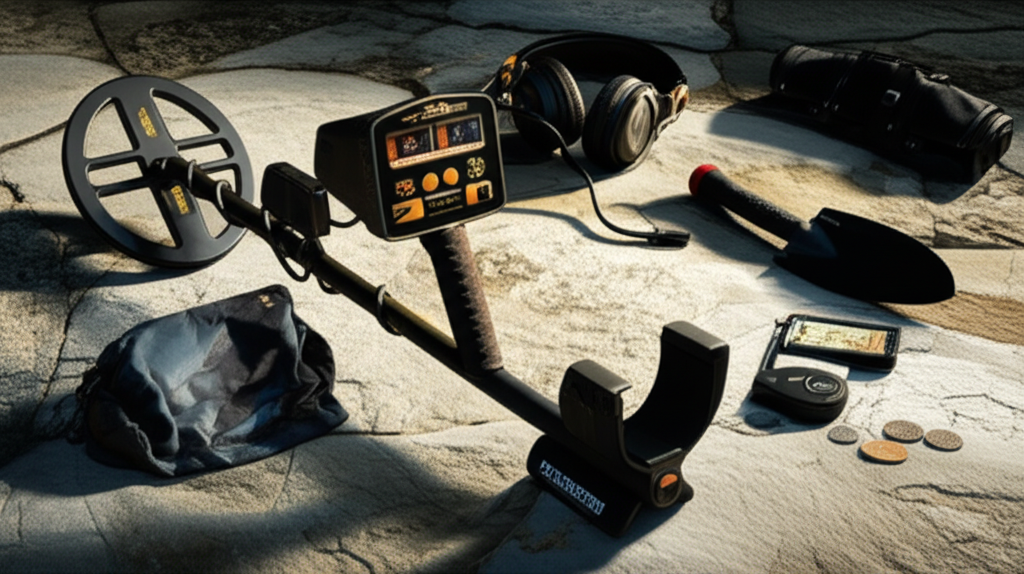
Your metal detector is just the start. You need other tools to be successful. A good pinpointer is crucial for locating targets. Digging tools are also very important. You need to retrieve your finds carefully. Having the right accessories makes a big difference.
The Indispensable Pinpointer
A pinpointer is a small, handheld detector. You use it after you dig a plug of soil. It helps you find the exact spot of the target. This saves a lot of time and effort. It also helps you dig smaller, cleaner holes. I never go detecting without my pinpointer.
Digging Tools: Your Best Friends in the Field
You’ll need a sturdy digging tool. A garden trowel can work for soft soil. For harder ground, a dedicated digging tool is better. Look for one with a serrated edge. This helps cut through roots. A sand scoop is useful for beaches. Always fill your holes neatly.
Understanding Your Metal Detector: Settings and Signals
Learning your detector’s signals is key. Different metals make different sounds. Your detector’s manual is your best friend. Read it carefully to understand its settings. Practice in your yard with known targets. This helps you learn what different signals mean.
Discrimination: Ignoring the Junk
Discrimination tells your detector what metals to ignore. Most detectors can ignore iron. You can also set them to ignore foil or pull tabs. This helps you find more valuable items. Be careful not to discriminate too much. You might miss interesting relics.
Sensitivity: Finding Deeper Targets
Sensitivity controls how deep your detector can see. Higher sensitivity means deeper targets. But too much sensitivity can cause false signals. This is called chatter. Adjust sensitivity based on ground conditions. Mineralized soil often requires lower sensitivity.
Where to Find Metal Detecting Treasures: Prime Locations
Finding the right spot is half the battle. Think about where people have been. Old parks, schools, and beaches are good places. Old home sites can yield amazing finds. Research local history to find forgotten places. Always get permission before detecting on private property.
Public Parks and Playgrounds
These are popular spots for a reason. People lose things all the time. Coins, rings, and jewelry are often found here. Go early in the morning or late in the evening. This helps avoid crowds. You’ll have more peace to detect.
Old Home Sites and Farms
These locations can be goldmines. People lived here for generations. They dropped coins and lost jewelry. Look for old foundations or wells. Always get permission from the landowner. This is very important. Some old sites have historical significance.
Beaches and Waterfronts
Waterfronts are excellent for finding jewelry. People often lose rings and bracelets. Use a waterproof detector or coil. A sand scoop is very helpful here. Look for areas where people sunbathe. This is often where lost items are found.
Researching Your Hunt: Uncovering Hidden History
Good research can lead to amazing finds. Look for old maps of your area. Historical societies are a great resource. Old newspapers can also provide clues. Knowing the history of a place helps you predict where treasures might be. It makes your find metal detecting efforts more focused.
Using Online Resources
Websites like Google Earth can show old structures. Local historical society websites are invaluable. Old county records can reveal property lines. You can even find old family trees online. This information helps you pinpoint promising areas.
Mastering Digging and Recovery Techniques
Proper digging is essential for responsible detecting. Always make a neat plug. Cut three sides of a square. Gently lift the sod. Use your pinpointer to find the target. Once found, carefully remove it. Replace the sod neatly. Leave the area as you found it.
The Art of the Plug
A good plug looks like you were never there. It helps the grass grow back quickly. Avoid digging large, messy holes. This annoys landowners and other people. Practice makes perfect with your plugs. It shows respect for the land.
Handling Your Finds
Clean your finds gently. Some items are very fragile. Old coins can be delicate. Avoid harsh cleaning methods. Let the object’s history show. Document your finds. Take pictures and note where you found them.
Dealing with Trash and Difficult Ground
You will dig a lot of trash. This is part of metal detecting. Learn to identify trash signals. This takes practice. Mineralized ground can be challenging. It can cause false signals. Adjust your detector’s settings. Sometimes, a different coil helps.
Identifying Trash Signals
Learn the common signals for junk. Bottle caps and pull tabs often give specific tones. Your detector’s manual will help. Listening carefully is important. Experience will teach you what to expect. Don’t get discouraged by trash.
Ground Balancing for Mineralized Soil
Mineralized soil has iron in it. This can interfere with your detector. Ground balancing adjusts your detector to the soil. Most modern detectors do this automatically. You can also do it manually. This helps reduce false signals.
Advanced Metal Detecting Techniques and Gear
Once you master the basics, you can explore more. Different coils can help you find deeper targets. Or they can help you in trashy areas. Learning about different types of targets is also useful. Understanding what you are looking for makes a difference.
Specialized Coils
Smaller coils are good for trashy sites. They can pinpoint targets better. Larger coils cover more ground. They can also detect deeper. Some coils are better for gold prospecting. Choose a coil suited to your hunting style.
Understanding Target ID
Target ID is a number your detector shows. It estimates what the metal might be. Learn what numbers correspond to different coins and relics. This helps you decide whether to dig. It’s not always perfect, but it’s a good guide.
Legal and Ethical Considerations in Metal Detecting
Always detect legally and ethically. Know the laws in your area. Never detect on protected historical sites. Always get permission to detect on private land. Leave no trace behind. Respect the land and its history. This ensures the hobby remains enjoyable for everyone.
Permission is Key
Always ask the landowner before detecting. This is the most important rule. Explain what you do and how you leave no trace. Build good relationships with landowners. They can give you permission to hunt their land. This often leads to great finds.
Respecting Historical Sites
Never dig on known archaeological sites. These places are protected by law. They hold important historical information. Your digging could destroy valuable evidence. Let archaeologists do their work. There are plenty of other places to hunt.
Frequently Asked Questions About Finding Metal Detecting Treasures
What is the easiest metal detector for a beginner?
Many brands offer great beginner models. The Garrett Ace series is very popular. They are simple to use and effective. Look for models with clear displays and basic settings.
How do I know if a signal is a good target?
Listen to the tones your detector makes. Learn the difference between good signals and trash signals. Your pinpointer will help confirm the target’s location. Practice helps you recognize good signals.
Can I find gold with a beginner metal detector?
Some beginner detectors can find small gold jewelry. For serious gold prospecting, you need specialized equipment. Gold detectors are designed to find tiny gold nuggets.
What should I do if I find something historically important?
If you find something of significant historical value, contact a local museum or historical society. They can properly identify and preserve the artifact. It’s important to report significant finds.
Is it okay to dig up old coins?
Yes, finding old coins is a common and exciting part of the hobby. Just be sure to dig responsibly. Always fill your holes and leave the area clean.
How can I find out where to metal detect?
Research local history, old maps, and ask landowners for permission. Public parks and old home sites are often good places. Always check local regulations.
Conclusion: Your Journey to Find Metal Detecting Success
Finding metal detecting treasures is an achievable goal. With the right gear, knowledge, and techniques, you can unearth amazing finds. Remember to be patient, persistent, and respectful of the land. I’ve shared essential tips to help you find metal detecting success. Practice regularly, research thoroughly, and enjoy the adventure. Happy hunting, and may your finds be plentiful!
