


Published on: October 13, 2025 | Updated on: October 13, 2025
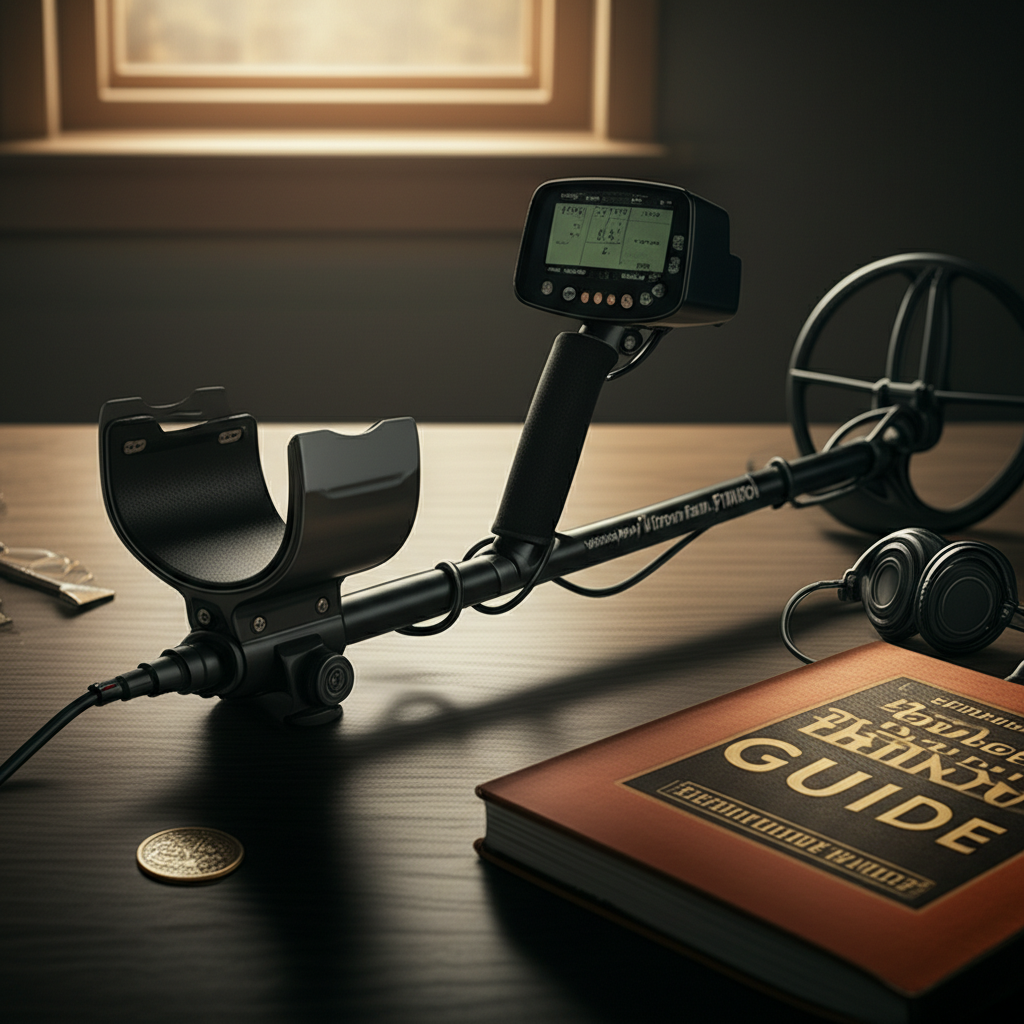
The Fisher Labs metal detector is a top choice for hobbyists and pros. This guide covers models, features, and tips to help you find more treasure with Fisher.
Are you looking to buy a Fisher Labs metal detector? Maybe you’re new to treasure hunting. Or perhaps you want to upgrade your current gear. Finding the right metal detector can feel overwhelming. So many brands and models exist. This guide will make it easy. We’ll walk through everything you need to know about Fisher Labs detectors. You’ll learn what makes them special. We’ll also help you pick the best one for your needs. Get ready to boost your finds!
Why Choose a Fisher Labs Metal Detector?
Fisher Labs metal detectors are known for quality and value. They have been making detectors for a long time. Many detectorists trust them for good reasons. They are built to last and perform well in tough conditions. Fisher offers a range of detectors for different types of searching.
A Legacy of Innovation

The Fisher company started in 1931. It’s one of the oldest metal detector makers. They are always working on new technology. This means their detectors get better over time. They focus on making detectors easy to use. Yet, they still pack a lot of power for finding targets. Their long history shows they understand what detectorists need.
Reliability and Performance
When you buy a Fisher Labs metal detector, you get a reliable tool. They are built tough for outdoor use. You can take them to the beach, parks, or woods. Many models are waterproof or water-resistant. This lets you search in more places. They are also known for good depth and target separation. This helps you find more good targets and avoid trash.
Value for Money
Fisher detectors often offer great performance for their price. You can get advanced features without breaking the bank. This makes them a smart choice for beginners and experienced hunters. You get a lot of detector for your money. This means you can invest in other gear too.
Popular Fisher Labs Metal Detector Models
Fisher Labs has many great detectors. Some are better for beginners, others for experts. Let’s look at a few popular ones. This will help you see the range of options. Each model has unique strengths for different hunting styles.
Fisher F22/F44: Great for Beginners
The Fisher F22 and F44 are excellent starter detectors. They are lightweight and easy to operate. They come with preset modes for different targets like coins or relics. The F44 offers more depth and customization than the F22. Both are good for parks, yards, and general treasure hunting.
- Easy to set up and use.
- Good target identification.
- Affordable price point.
These detectors make learning fun and easy. They help new users find success quickly.
Fisher Gold Bug Series: For Gold Prospecting
If you dream of finding gold nuggets, the Gold Bug series is for you. The Gold Bug 2 is famous for its sensitivity to small gold. It works best in mineralized ground. The Gold Bug Pro offers more features and deeper seeking. These are specialized tools for serious gold hunters.
- High sensitivity to tiny gold.
- Works well in difficult soil.
- Designed for serious prospecting.
The Gold Bug series is a powerful ally for anyone chasing gold.
Fisher CZ-21: For Underwater Adventures
The CZ-21 is a submersible metal detector. It’s perfect for beach hunting, shallow water, and even diving. It uses dual-frequency technology. This helps it find targets in saltwater and mineralized sand. It’s a robust and reliable choice for water hunters.
- Fully waterproof for submersion.
- Excellent in saltwater environments.
- Deep seeking capabilities.
This detector opens up a whole new world of treasure hunting possibilities.
Key Features to Look For
When choosing any metal detector, certain features matter most. Fisher Labs detectors often include these. Understanding them helps you make a better choice. Think about where and what you want to find.
VLF vs. PI Technology
Most Fisher detectors use VLF (Very Low Frequency) technology. This is great for general detecting. It works well for coins, jewelry, and relics. VLF detectors are good at separating targets. PI (Pulse Induction) detectors are better for very mineralized ground or saltwater. The CZ-21 uses a form of PI for its underwater performance. Most users will benefit from VLF.
Operating Frequency
Frequency affects what a detector can find. Lower frequencies (around 5-8 kHz) are good for larger, deeper targets. Higher frequencies (15 kHz and up) are better for small items like gold or thin silver coins. The Gold Bug 2, for instance, has a very high frequency. This makes it ideal for tiny gold specks.
Discrimination and Notch Discrimination
Discrimination lets you ignore unwanted metal trash. Like iron nails or pull tabs. Notch discrimination allows you to ignore specific ranges of signals. This helps you focus on valuable targets. Most Fisher detectors offer good discrimination features. This saves you time digging trash.
Ground Balancing
Ground balancing helps the detector ignore minerals in the soil. This is crucial for deep seeking and reducing false signals. Manual ground balancing requires you to adjust it. Automatic ground balancing does it for you. Many Fisher detectors have automatic or easy manual ground balance.
Waterproofing
If you plan to hunt near water or in wet conditions, waterproofing is key. Some detectors are only water-resistant on the control box. Others, like the CZ-21, are fully submersible. Always check the specifications to know how deep you can go.
Understanding Your Fisher Detector’s Controls
Every Fisher Labs metal detector has controls. Learning what they do is important. It helps you get the best performance. Don’t be afraid to experiment. Practice makes perfect when using your detector.
Sensitivity Setting
The sensitivity knob controls how much the detector listens. High sensitivity can find deeper targets. But it can also pick up electrical interference or hot rocks. It’s a balance. Start with a medium setting and increase it. If you get erratic signals, lower it slightly. This ensures stable operation.
Discrimination Setting
This is used to filter out junk metal. For example, you might set it to ignore iron. Or small foil pull tabs. Setting discrimination too high can cause you to miss good targets. Especially thin gold rings or old silver coins. It’s best to learn to identify signals without too much discrimination.
Volume Control
This simply adjusts how loud the sounds are. Some detectors have adjustable audio tones. This helps distinguish between different types of metal. Learning these tones is a skill. It helps you decide if a target is worth digging.
Ground Balance Adjustment
As mentioned, this helps with soil minerals. Most Fisher detectors have an easy process. Consult your manual for specific instructions. Proper ground balancing is vital for depth. It ensures you’re hearing the target, not the ground.
Tips for Maximizing Your Finds with Fisher
Using your Fisher Labs metal detector effectively is an art. Here are some field-tested tips. They will help you find more treasures. And dig fewer trash items. These tips apply to most detectors, but especially Fisher models.
Learn Your Detector’s Sounds
Each target makes a different sound. Spend time in your yard with known targets. Bury coins, rings, and nails. Listen to how your detector signals them. This is called target practice. It’s one of the best ways to improve. You’ll learn to distinguish good from bad.
Hunt in Different Locations
Don’t stick to just one spot. Parks, old home sites, beaches, and woods all hold different treasures. Research local history. Look for places where people gathered. Old picnic spots or fairgrounds can be productive. Always get permission before detecting on private property.
Use the Right Coil
The coil is your detector’s ear. Different coils are good for different tasks. A larger coil covers more ground. It also seeks deeper. A smaller coil is better for trashy areas. It offers better target separation. Fisher offers various coils for their detectors. Choosing the right one can boost your finds.
Master Your Digging Tools
Finding a target is only half the battle. You need good digging tools. A sturdy shovel or trowel is essential. A pinpointer helps locate the target in the plug. This saves time and reduces damage to the target. Invest in quality digging tools. They are as important as your detector.
Patience and Persistence
Metal detecting requires patience. You won’t find treasure on every outing. Some days are better than others. Keep at it. Learn from each hunt. The more you detect, the better you will become. Don’t get discouraged by trash. Every hunt is a learning experience.
Fisher Labs Metal Detector Accessories
To get the most out of your Fisher Labs metal detector, consider accessories. These tools can make your detecting easier and more productive. They enhance your experience in the field. Think about what would help you most.
Pinpointers
A pinpointer is a small, handheld detector. It helps you pinpoint the exact location of a target in the soil plug. This makes recovery much faster. It also helps you avoid damaging delicate finds. Fisher makes their own pinpointers, and many other brands work well.
Coils
As mentioned, different coils offer advantages. DD coils are great for trashy areas and saltwater. Concentric coils can offer more depth on cleaner ground. Some aftermarket coils are available for Fisher detectors. These can sometimes offer enhanced performance.
Digging Tools
A good digging tool is a must. Look for a strong steel shovel or trowel. Some have serrated edges for cutting roots. A sand scoop is useful for beach hunting. Ensure your tools are durable and comfortable to use.
Headphones
Using headphones is highly recommended. They allow you to hear faint signals clearly. They also block out ambient noise. This helps you concentrate on your detector’s sounds. Many Fisher detectors have a headphone jack.
Troubleshooting Common Issues
Even the best Fisher Labs metal detector can sometimes act up. Don’t worry, most issues are easy to fix. Here are some common problems and their solutions. Knowing these can save your hunt.
Erratic Signals (Chattering)
This usually means the detector is too sensitive. Or there’s electromagnetic interference (EMI). Try lowering the sensitivity. Move away from power lines or cell towers. Check for loose coil connections. Ensure the coil is properly attached.
Not Finding Targets
Make sure your ground balance is set correctly. Check your discrimination settings. Are they too high? Also, ensure your coil is parallel to the ground. Sweep slowly and methodically. Sometimes, a different coil can help with depth.
False Signals from Mineralized Ground
This is common in some areas. Properly ground balancing your detector is key. If you have a manual ground balance, try re-balancing. Some detectors have specific modes for mineralized soil. If problems persist, a detector with better ground balancing might be needed.
Fisher Labs Metal Detector FAQ
What is the best Fisher Labs metal detector for a beginner?
The Fisher F22 or F44 are excellent choices for beginners. They are user-friendly and offer great performance for the price. They help new users learn the basics of metal detecting easily.
Are Fisher metal detectors good for gold prospecting?
Yes, Fisher makes specialized detectors for gold prospecting. The Gold Bug series, especially the Gold Bug 2, is highly regarded. They are sensitive to tiny gold nuggets and work well in mineralized ground.
Can I use a Fisher detector in saltwater?
Some Fisher detectors are designed for saltwater. The CZ-21 is fully submersible and performs well in saltwater. For beach hunting with other models, check if the coil and control box are water-resistant.
How deep can a Fisher metal detector find targets?
Depth depends on the model, coil size, target size, and ground conditions. Generally, larger coils and lower frequencies can find deeper targets. High-end Fisher detectors can detect targets several inches to over a foot deep.
Do I need to learn about metal types to use a Fisher detector?
While not strictly necessary, learning about target IDs and sounds helps. Fisher detectors provide audio cues and often visual displays. Understanding these signals helps you decide what to dig. Practice is the best way to learn.
Where can I buy a Fisher Labs metal detector?
You can buy Fisher Labs metal detectors from authorized dealers online and in some retail stores. It’s best to buy from reputable dealers who offer good customer support and warranties.
Conclusion: Your Treasure Hunting Journey with Fisher
Choosing a Fisher Labs metal detector is a wise decision. They offer a fantastic blend of performance, reliability, and value. Whether you’re hunting for coins in the park, relics in a field, or gold in a stream, there’s a Fisher detector for you. Remember to learn your machine, practice your skills, and invest in good accessories. With patience and persistence, your Fisher Labs metal detector will lead you to exciting discoveries. Happy hunting!
