


Published on: October 14, 2025 | Updated on: October 14, 2025
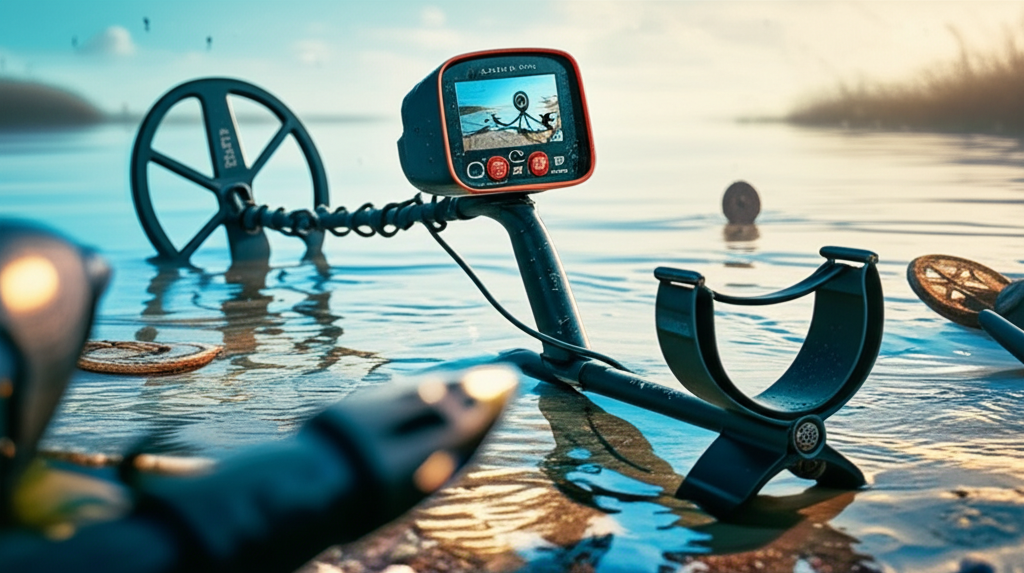
A waterproof metal detector unlocks a world of hidden treasures, from beaches to rivers. Explore underwater finds with confidence, knowing your gear is built to handle the elements. This guide covers why a waterproof detector is essential and what makes a great one for your ultimate finds.
Are you tired of missing out on exciting finds just because the ground is wet or you’re near water? Many detectorists face this problem. They want to explore beaches, rivers, or even just hunt after a good rain. But their regular detectors can’t handle the moisture. This can be frustrating, limiting where and when you can search for treasure.
Don’t worry, there’s a simple solution. A waterproof metal detector lets you hunt in almost any wet condition. It opens up new hunting grounds and possibilities. In this guide, I’ll walk you through everything you need to know. We’ll cover why these detectors are so important and how to pick the best one for your needs. Get ready to expand your treasure hunting adventures!
Why Every Detectorist Needs a Waterproof Metal Detector
A waterproof metal detector is more than just a tool; it’s your key to unlocking hidden potential. It means you can finally search those tempting beach sands, explore riverbeds, and even hunt in shallow water without worry. This opens up vast new areas where many valuable items might be lost.
Think about all the coins, jewelry, and relics that end up in the water. Without a waterproof detector, these treasures remain out of reach. Having one means you can join the ranks of detectorists who find amazing things in places others can’t. It’s about maximizing your chances for that ultimate find.
Understanding Waterproof Ratings: What They Mean
Not all waterproof metal detectors are the same. They have different ratings that tell you how much water they can handle. It’s important to understand these ratings so you don’t damage your gear. The most common rating is IP (Ingress Protection).
IP ratings have two numbers. The first number is for solids (like dust), and the second is for liquids (water). For example, IP68 means the detector is fully protected against dust and can handle submersion in water. Always check the specific IP rating of a detector.
Key Features of a Great Waterproof Metal Detector
When looking for a waterproof metal detector, several features stand out. Of course, being fully submersible is key. But other things make a big difference in your hunting experience. Look for good depth performance and target separation.
A comfortable design is also vital, especially for long days of searching. Easy-to-use controls are a must, even when your hands are wet. Good battery life ensures you won’t run out of power halfway through a hunt. Finally, a robust build quality means it can take a beating in the field.
Top Waterproof Metal Detectors for Beach and Underwater Hunting
The market has some fantastic waterproof metal detectors. For beginners, the Garrett AT Pro is a solid choice. It’s fully submersible and offers great performance for its price. Another excellent option is the Minelab Equinox series.
The Equinox detectors are multi-frequency, meaning they can find a wide range of targets. They are also fully waterproof and very versatile. For those serious about gold prospecting in water, models like the Nokta Makro Gold Finder are specifically designed for this.
Here’s a quick look at some popular models:
| Detector Model | Submersible Depth | Key Features | Best For |
|—|—|—|—|
| Garrett AT Pro | 10 feet | All-terrain, excellent discrimination | Beach, freshwater, general use |
| Minelab Equinox 800 | 10 feet | Multi-frequency, wireless audio | Beach, underwater, general use |
| Nokta Makro PulseDive | 200 feet | Pulse induction, submersible pinpointer combo | Deep water, beach, saltwater |
| Fisher CZ-21 | 250 feet | Dual frequency, excellent in saltwater | Saltwater beaches, underwater |
Choosing the Right Coil for Your Waterproof Detector
The coil is the part of your detector that senses metal. Different coils are better for different situations. For waterproof detectors, consider a submersible coil. Many detectors come with a standard coil, but upgrades can boost performance.
Smaller coils are great for pinpointing targets in trashy areas or for very deep water. Larger coils cover more ground faster, which is useful on open beaches. Some coils are designed to ignore saltwater interference, which is a common problem when hunting at the beach.
Essential Accessories for Waterproof Detecting Adventures
Beyond the detector itself, a few accessories make waterproof hunting much easier. A good pair of waterproof headphones is a must. They let you hear faint signals clearly, even with waves crashing. A submersible pinpointer is also crucial for locating targets quickly once you’ve dug them.
Don’t forget a sturdy digging tool that can handle wet sand or mud. A sand scoop is perfect for beach hunting. A waterproof bag or backpack will keep your gear dry when you’re not detecting. Lastly, spare batteries or a power bank are always a good idea.
Techniques for Detecting in Water and Wet Conditions
Hunting in water requires different techniques than land hunting. When searching beaches, move your coil slowly and systematically. Listen carefully to the signals. For shallow water, you can often sweep the coil just below the surface.
In deeper water, you might need to use a slower sweep speed. Let the detector work. Learn to distinguish between good targets and junk. Practice is key to becoming proficient in these environments.
Maintaining Your Waterproof Metal Detector
Proper care ensures your waterproof metal detector lasts a long time. After each use in saltwater or wet conditions, rinse the detector thoroughly with fresh water. This removes salt and sand that can cause corrosion.
Dry the detector completely before storing it. Check seals and O-rings regularly for any signs of wear or damage. Store it in a cool, dry place. Following these simple steps will protect your investment.
Common Challenges and How to Overcome Them
One of the biggest challenges is saltwater interference. Saltwater is conductive and can give false signals. Many modern waterproof detectors have special settings to handle this. Look for detectors with good saltwater modes or ground balancing features.
Another issue can be trash. Beaches are often littered with pull tabs and foil. A detector with good discrimination settings helps you ignore this junk. Learning to identify faint signals from good targets takes practice. Patience is your best friend here.
Frequently Asked Questions (FAQ)
Can I use any metal detector in the rain?

No, most metal detectors are not designed for rain. Water can damage the control box and coil. Only use detectors specifically rated as waterproof or water-resistant.
What is the best waterproof metal detector for beginners?
The Garrett AT Pro is often recommended for beginners. It’s reliable, fully waterproof, and performs well on land and in water.
How deep can a waterproof metal detector go?
This varies greatly. Some are rated for shallow submersion up to 3 feet, while others can go as deep as 200 feet. Always check the manufacturer’s specifications.
Do I need a special coil for saltwater?
While not always strictly necessary, a coil designed for saltwater can significantly improve performance. It helps reduce false signals caused by the salt.
Is it legal to detect on all beaches?
Legality varies by location. Always check local regulations before detecting on any beach, park, or public land. Some areas have restrictions.
What should I do if my waterproof detector gets salt water on it?
Immediately rinse it thoroughly with fresh water. Then, dry it completely. This helps prevent corrosion from the salt.
Conclusion: Dive into Your Next Adventure with Confidence
A waterproof metal detector truly opens up a new world of treasure hunting. From the sandy shores to the river bottoms, exciting finds await. By understanding the features, ratings, and accessories, you can choose the perfect waterproof metal detector for your needs.
Don’t let water limit your passion for discovery. With the right waterproof metal detector, you’re equipped to explore more, find more, and enjoy your hobby to the fullest. So, get out there, rinse off your gear, and start uncovering those ultimate essential finds!
