


Published on: October 19, 2025 | Updated on: October 19, 2025
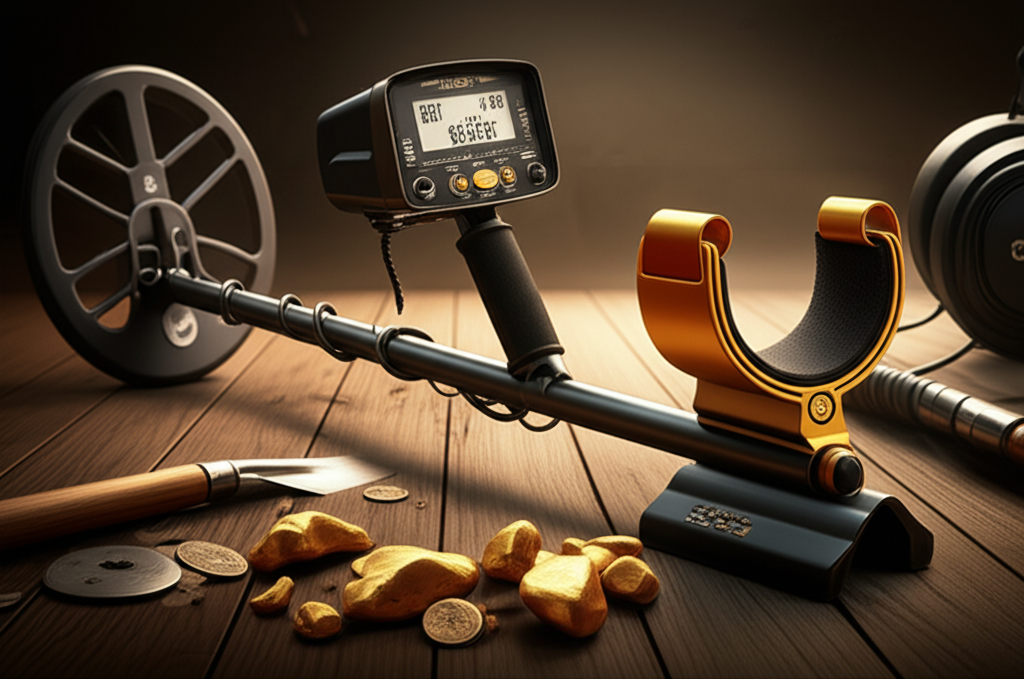
A good gold metal detector is your key to unlocking incredible finds. This guide reveals essential features and proven detectors that help you locate gold nuggets, flakes, and jewelry, making your prospecting adventures successful and rewarding.
The Quest for Gold: Finding Your Good Gold Metal Detector
Finding gold with a metal detector is an exciting dream for many. But the sheer number of options can be overwhelming. Many beginners get frustrated, spending money on detectors that aren’t suited for gold. This guide will simplify the process. I’ll share my years of experience to help you pick the perfect, good gold metal detector. We’ll explore what makes a detector great for gold and show you some top choices.
Why Gold Detecting is Different
Gold is a tricky target for metal detectors. It often appears in tiny pieces or mixed with iron minerals. This means a standard detector might miss it. Gold signals are also weak and can be masked by ground minerals. You need a detector specifically designed for gold’s unique properties. This is where choosing a good gold metal detector becomes crucial.
Understanding Gold Signals

Gold has a specific conductivity. Different detectors handle this conductivity in different ways. Some detectors are tuned to ignore common ground minerals. This allows them to pick up faint gold signals. Understanding this helps you appreciate why certain features are vital in a good gold metal detector.
Key Features of a Good Gold Metal Detector
When you’re hunting for gold, certain features make a big difference. These aren’t just fancy additions; they are essential for success. I’ve learned this through countless hours in the field. A good gold metal detector needs specific capabilities to find those precious flakes and nuggets.
High Frequency Operation
Most gold is small and found in areas with mineralized soil. A detector operating at a higher frequency is better at picking up these faint signals. Frequencies between 15 kHz and over 60 kHz are generally ideal for gold. This allows the detector to sense the small gold particles that lower frequencies might miss.
Ground Balancing Capabilities
Ground mineralisation is a major challenge in gold prospecting. It can create false signals or mask real targets. A good gold metal detector needs excellent ground balancing. This feature allows the detector to ignore the soil’s mineral content. It helps it focus on actual metal targets, especially small gold.
Sensitivity to Small Targets
Gold often appears as tiny flakes or small nuggets. Your detector must be highly sensitive to these small items. This sensitivity is often linked to the detector’s frequency and design. A detector with advanced circuitry will offer better sensitivity for those elusive gold bits.
Discrimination for Iron and Foil
While you want to find gold, you don’t want to dig endless junk. A good gold metal detector should offer some level of discrimination. This lets you filter out common trash like iron nails or aluminum foil. However, be cautious with discrimination when hunting gold. Too much can filter out small gold signals too.
Top Picks for a Good Gold Metal Detector
After testing many machines, I’ve found a few that consistently perform well for gold. These detectors offer the right balance of features for serious gold hunters. They represent some of the best options if you’re looking for a good gold metal detector.
Minelab GPZ 7000
The GPZ 7000 is a top-tier machine for serious gold prospectors. It uses advanced technology for incredible depth and sensitivity. This detector excels in highly mineralized ground. It’s a significant investment, but its performance in finding gold is unmatched.
Pros: Exceptional depth, superior sensitivity to small gold, excellent in tough ground conditions.
Cons: Expensive, can be heavy for long detecting sessions.
Garrett AT Gold
Garrett’s AT Gold is a very popular choice. It’s waterproof and operates at a high frequency (18 kHz). This makes it great for finding small gold nuggets and flakes. It’s also a versatile detector that can find coins and relics too.
Pros: Waterproof, good balance of sensitivity and discrimination, affordable for its performance.
Cons: Ground balancing can be manual, requiring practice.
Fisher Gold Bug 2
The Gold Bug 2 is legendary for its high frequency (71 kHz). It’s incredibly sensitive to tiny gold. If you’re hunting for small placer gold or flakes, this is a fantastic option. It’s lightweight and relatively simple to operate.
Pros: Extremely high frequency for tiny gold, lightweight, very sensitive.
Cons: Can be prone to false signals in highly mineralized soil, limited discrimination.
Essential Accessories for Gold Detecting
Having the right detector is only half the battle. Your accessories play a vital role in your success and comfort. I always carry these items when I go gold prospecting. They help me maximize my finds and make the experience more enjoyable.
Pinpointer for Accuracy
Once your detector signals a target, a pinpointer is essential. This small, handheld device helps you pinpoint the exact location of the gold. It saves you time and reduces the amount of digging. A good pinpointer is a must-have for any detectorist.
Gold Pans and Sieves
For very small gold or flakes, traditional gold panning is still effective. Having a good gold pan and a set of sieves allows you to process material from likely spots. You can recover gold that your detector might miss or confirm a weak signal.
Digging Tools and Pouches
You’ll need sturdy digging tools to retrieve your finds. A small trowel or a specialized digging tool is necessary. Keep your finds safe in a durable pouch. This prevents losing small gold pieces once they are unearthed.
Where to Hunt for Gold
Knowing where to look is as important as having a good gold metal detector. Gold is found in specific geological areas. Researching these locations can significantly increase your chances of a successful hunt. Always follow local laws and regulations regarding prospecting.
Historical Gold Mining Areas
Old gold rush areas are prime locations. Look for creeks, rivers, and hills where gold was historically found. These areas may still hold unrecovered gold. Check historical maps and records for clues.
Placer Deposits
Placer gold is gold that has been eroded from its original source. It’s often found in alluvial deposits like riverbeds, gravel bars, and dry creek beds. Gold tends to settle in areas where water flow slows down. This includes inside bends of rivers or behind large rocks.
Tips for Maximizing Your Gold Finds
Finding gold requires more than just a good gold metal detector. It involves strategy, patience, and understanding your equipment. I’ve learned these tips through trial and error. Applying them can make a significant difference in your prospecting success.
Master Your Detector’s Settings
Each detector has unique settings. Learn what each setting does. Understand how to adjust frequency, sensitivity, and ground balance for different conditions. Practicing with known targets helps you recognize gold signals. This knowledge is critical for any good gold metal detector.
Scan Methodically
Cover the ground systematically. Overlap your sweeps with each pass. This ensures you don’t miss any potential gold. Slow and steady often yields better results than rushing.
Listen Carefully to Signals
Gold signals can be faint and easily confused with ground noise. Learn to distinguish between different types of signals. Sometimes a faint, repeatable, high-tone signal is gold. Trust your ears and your experience.
Common Mistakes to Avoid
Many new prospectors make mistakes that cost them time and potential finds. Recognizing these pitfalls can save you a lot of frustration. I’ve made many of them myself, so I know what to watch out for.
Using the Wrong Detector
The most common mistake is using a general-purpose detector for gold. These machines are not optimized for gold’s characteristics. This leads to missed targets and disappointment. Always choose a detector suited for gold prospecting.
Digging Every Signal
While you need to dig to confirm targets, digging every faint signal can waste time. Learn to interpret signals. Sometimes, it’s better to move on if a signal is weak or inconsistent. Focus on strong, repeatable signals.
Not Researching Locations
Prospecting without research is like searching for a needle in a haystack. Understand the geology of the area. Learn where gold is likely to accumulate. Good research saves you from wasting time in unproductive spots.
Understanding Ground Mineralization
Ground mineralization is a huge factor in gold detecting. Different soils have different mineral contents. These minerals can interfere with your detector’s signal. A good gold metal detector must handle this interference effectively.
Types of Mineralization
There are two main types: uniform and patchy. Uniform mineralization is consistent throughout an area. Patchy mineralization varies greatly. Your detector’s ground balance needs to adapt to these changes.
How Mineralization Affects Detection
Highly mineralized ground can make your detector unstable. It might produce constant false signals. This noise can easily mask the faint sound of gold. Advanced detectors have better features to overcome this.
FAQ: Your Good Gold Metal Detector Questions Answered
What frequency is best for gold detecting?
Frequencies from 15 kHz up to 70 kHz are generally best for gold. Higher frequencies are better for very small gold flakes. Lower frequencies might work for larger nuggets but are less sensitive to tiny pieces.
Can I use a regular metal detector for gold?
While some general detectors might find larger gold pieces, they are not ideal. Gold requires specialized detectors with high frequencies and excellent ground balancing. A dedicated good gold metal detector will perform much better.
How do I know if a signal is gold?
Gold signals are often high-pitched and repeatable. However, they can sound similar to other small targets. Learning your detector’s sounds and practicing with known gold targets is key. Pinpointing and careful digging are also necessary.
Is it hard to find gold with a metal detector?
It requires patience, practice, and the right equipment. Finding gold is challenging due to its small size and the often mineralized ground. However, with a good gold metal detector and proper technique, it is achievable.
What is the most important feature in a gold detector?
High frequency and excellent ground balancing are arguably the most important features. These allow the detector to find small gold in mineralized soil. Sensitivity to small targets is also crucial.
Do I need a pinpointer for gold detecting?
Yes, a pinpointer is highly recommended. It helps you locate small targets precisely in the soil plug. This saves time and prevents losing tiny gold pieces.
Conclusion: Your Path to Gold Starts Here
Choosing a good gold metal detector is the first major step toward successful gold prospecting. By understanding the key features like high frequency and robust ground balancing, you can narrow down your choices. Remember that even the best detector needs a skilled operator. Researching locations, mastering your settings, and using essential accessories like pinpointers will significantly boost your chances. The quest for gold is a rewarding journey. With the right tools and knowledge, you’ll be well on your way to uncovering those precious finds. Happy hunting!
