


Published on: November 4, 2025 | Updated on: November 4, 2025
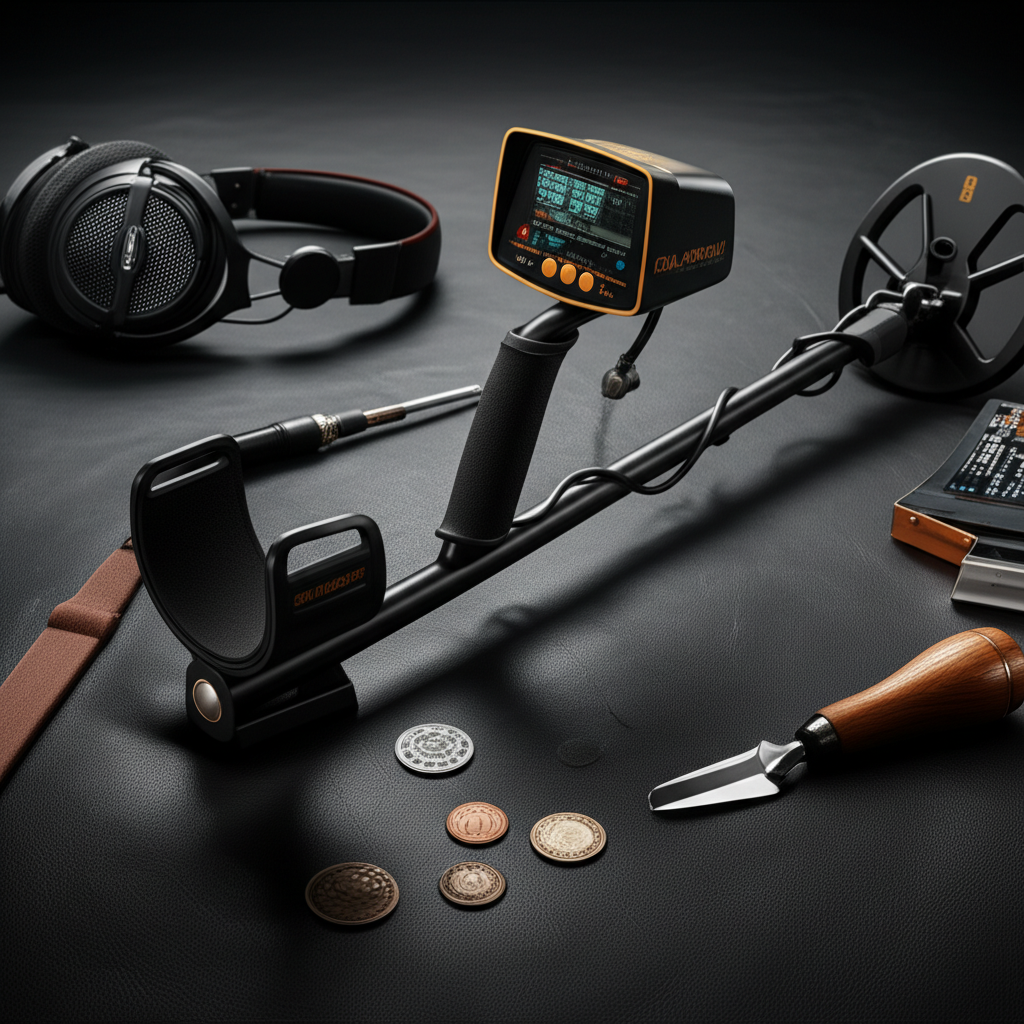
Unlock your metal detecting potential with the “Metal Detector Coin Master” breakthrough. This guide reveals how to select, use, and optimize your gear to find more coins, turning every outing into a successful treasure hunt. Master your detector and discover hidden riches.
Metal detecting can be incredibly rewarding. Finding old coins is a common goal for many detectorists. Sometimes, it feels like you’re missing out on good finds. This guide is here to help. We’ll show you how to become a true “metal detector coin master.” You’ll learn what makes a detector great for coins. We’ll cover essential tools and techniques. Get ready to find more coins than ever before.
Contents
- 1 What is a “Metal Detector Coin Master”?
- 2 Choosing Your Coin-Hunting Detector
- 3 Essential Tools for the Coin Master
- 4 Understanding Your Detector’s Settings
- 5 Effective Metal Detecting Techniques for Coins
- 6 Where to Find the Best Coin Hunting Spots
- 7 Advanced Tips for the “Metal Detector Coin Master”
- 8 Maintaining Your Metal Detector
- 9 Common Coin Hunting Mistakes to Avoid
- 10 Frequently Asked Questions
- 11 Conclusion: Your Path to Becoming a Coin Master
- 12 Author
What is a “Metal Detector Coin Master”?
A “metal detector coin master” is someone who expertly uses their metal detector to find coins. They understand their machine. They know where to look and how to dig. This skill leads to more successful coin hunts. It means finding valuable and interesting coins consistently.
Choosing Your Coin-Hunting Detector
Selecting the right metal detector is crucial for coin hunting. Different detectors work best in different conditions. Some are built for shallow targets, others for deep ones. You need a machine that is sensitive to small targets. It should also handle mineralized ground well.
Key Features for Coin Detecting

Look for specific features when buying a detector. High-frequency detectors are great for small targets. A good discrimination setting helps ignore trash. Adjustable sensitivity lets you fine-tune performance. Ground balancing is important for varying soil types.
Top Detector Brands for Coins
Many brands make excellent coin detectors. Minelab, Garrett, and Nokta Makro are popular choices. Their models often have features tailored for coin shooting. Research specific models to see which fits your budget and needs. Always check recent reviews.
Essential Tools for the Coin Master
Beyond the detector, other tools make coin hunting easier. A good pinpointer helps locate targets in the dug plug. Proper digging tools prevent damage to your finds and the environment. A durable scoop is essential for sandy or soft soil.
The Indispensable Pinpointer
A pinpointer is a small, handheld detector. It helps you pinpoint the exact location of a target. This saves time and reduces the size of your plug. It’s like a mini-detector for your dug soil. This tool is a must-have for any serious coin hunter.
Digging Tools: Less Damage, More Finds
Use a sturdy digging trowel or shovel. Look for ones with serrated edges for cutting roots. A good digging tool makes clean plugs. This helps you replace the turf perfectly. It minimizes your impact on the environment.
Scoops for Every Terrain
A metal detector scoop is designed to sift soil. It has holes to let dirt fall through. This leaves the target behind. Different scoop sizes work for different ground. Beach scoops are often larger and more robust.
Understanding Your Detector’s Settings
Every metal detector has settings. Learning these settings is key to becoming a coin master. Sensitivity controls how deep the detector can see. Discrimination tells the detector to ignore certain metals. Volume controls the sound of your finds.
Sensitivity: How Deep Can You Go?
Higher sensitivity means deeper detection. But too much sensitivity can cause false signals. This is especially true in trashy areas. Start with a moderate setting. Increase it slowly until you get stable signals.
Discrimination: Avoiding Junk
Discrimination helps you ignore iron trash. This includes nails and pull tabs. However, some desirable coins can be masked by trash. Learn what different tones mean. Don’t discriminate too high, or you might miss coins.
Ground Balance: Adapting to Soil
Ground balance tells your detector about the soil. Soil minerals can affect detection depth. Most detectors have automatic ground balance. Some allow manual adjustment. Proper ground balance improves performance.
Effective Metal Detecting Techniques for Coins
Techniques matter as much as the gear. How you swing your coil and cover ground impacts your finds. Grid patterns and overlapping sweeps are important. Learn to interpret signals. This separates good targets from bad.
Coil Control: The Sweep Pattern
Swing your coil slowly and steadily. Overlap each sweep by half. This ensures you cover the area thoroughly. Keep the coil as close to the ground as possible. Avoid jerky movements. A smooth sweep detects targets better.
Interpreting Signals: What Does That Sound Mean?
Each detector has different tones for different metals. Learn your machine’s sounds. A clear, repeatable signal is often a good target. Faint or choppy signals might be trash. Practice in your yard with known targets.
Grid Patterns for Thorough Coverage
Divide your search area into grids. Search each grid systematically. This prevents missing spots. Overlap your grids slightly. This ensures complete coverage. It’s a methodical way to hunt.
Where to Find the Best Coin Hunting Spots
Location is critical for finding coins. Old parks, schoolyards, and fairgrounds are often good. Beaches can yield recent and old coins. Historical sites can be very rewarding. Always research local laws and get permission if needed.
Parks and Public Areas
Parks are popular gathering spots. People lose coins while walking or playing. Older parks often have more history. Look for areas around benches or old trees. These are common places for dropped items.
Beaches: A Treasure Trove
Beaches are excellent for coin hunting. People drop coins while swimming or sunbathing. Saltwater can affect detector performance. Use a detector designed for salt conditions. Many great finds are made on beaches.
Historical Locations and Old Homesites
Old homesites and historical areas are goldmines. Coins were dropped over many years. Be respectful of historical sites. Always get permission before detecting. These spots can yield very old and valuable coins.
Advanced Tips for the “Metal Detector Coin Master”
Once you master the basics, try advanced techniques. Learn about different coil types. Understand how depth and target ID work. Experiment with your settings. Continuous learning is key to improvement.
Coil Selection: More Than One Size
Different coil sizes detect different targets. Smaller coils are good for shallow, small targets. Larger coils detect deeper and cover more ground. Some coils are better in mineralized soil. Choosing the right coil for the job helps.
Understanding Target ID Numbers
Many detectors give a Target ID number. This number estimates the type of metal. It’s not always perfect. Iron can read high, and zinc coins can read low. Learn how your detector’s numbers relate to real coins.
Maximizing Depth and Recovery Speed
Detector settings affect depth. Coil choice also impacts how deep you can go. Recovery speed is how fast the detector can detect a new target. A fast recovery speed is good in trashy areas. It helps separate targets close together.
Maintaining Your Metal Detector
Proper maintenance keeps your detector working well. Clean it after each use. Store it in a safe place. Protect it from extreme temperatures. Follow the manufacturer’s instructions. Good care extends its life.
Cleaning Your Detector
Wipe down your detector with a damp cloth. Use mild soap if necessary. Dry it thoroughly. Avoid getting water into electronic parts. Keep the coil clean and free of debris. A clean detector performs better.
Storage and Protection
Store your detector in its original box or a padded bag. Avoid leaving it in direct sunlight or a hot car. Extreme heat can damage electronics. Protect it from rain and moisture. Proper storage prevents damage.
Common Coin Hunting Mistakes to Avoid
Many beginners make similar mistakes. They might use the wrong settings. They may not cover ground properly. Digging large plugs is also a common error. Learning from these mistakes speeds up your progress.
Mistake 1: Incorrect Settings
Using default settings might not be optimal. Not understanding discrimination can lead to frustration. Incorrect sensitivity can miss deep targets. Always learn what each setting does. Adjust them for your conditions.
Mistake 2: Poor Coil Control
Swinging the coil too fast is a problem. Not overlapping sweeps leaves gaps. Keeping the coil too high misses targets. Practice smooth, consistent coil movements. This ensures you cover the area well.
Mistake 3: Bad Digging Habits
Digging huge plugs damages the ground. Not using a pinpointer wastes time. Leaving trash behind is bad practice. Dig small, neat plugs. Use your pinpointer to find the target. Always fill your holes.
Frequently Asked Questions
What is the best metal detector for beginners wanting to find coins?
Many entry-level detectors are great for coin hunting. Models like the Garrett Ace 400 or Nokta Makro Simplex+ are popular. They are easy to use and effective. They offer good performance for their price.
How deep can a metal detector find a coin?
Depth varies by detector and coin size. Most good detectors can find coins 6-12 inches deep. Larger coins or those in softer soil can be found deeper. High-frequency detectors are better for small, shallow coins.
Should I dig every signal?
It’s generally best to investigate every repeatable signal. Learn your detector’s tones. Some signals are clearly trash. Others might be coins or relics. Experience will help you decide.
What is the most common coin found metal detecting?
The most common coin found depends on your location. In the US, it’s often pennies. In Europe, it might be local currency. Older, more circulated coins are found more often.
How do I deal with iron trash while coin hunting?
Use discrimination carefully. Learn the difference between iron tones and coin tones. A faster recovery speed helps separate targets. Sometimes, digging shallow iron is necessary to get to deeper coins.
Is it legal to metal detect everywhere?
No, it’s not legal everywhere. You need permission for private land. Many parks and historical sites have restrictions. Always check local laws and regulations before detecting. Respect public and private property.
Conclusion: Your Path to Becoming a Coin Master
Becoming a “metal detector coin master” is a journey. It requires the right equipment and knowledge. Understanding your detector’s settings is vital. Practicing good techniques makes a difference. Learning where to search is also key. Avoid common mistakes. With patience and practice, you will find more coins. Enjoy the thrill of discovery. Happy hunting!
