



Published on: November 5, 2025 | Updated on: November 5, 2025
Metal Detector for Property Pins: Your Essential Guide
Find your property pins easily and accurately with the right metal detector. This guide helps you choose the best tools and techniques for locating buried markers, saving you time and frustration.
Finding property pins can be a real headache. These small markers are crucial for defining your land boundaries. They often get buried by soil, leaves, or grass over time. Losing them can lead to disputes or costly surveying. But don’t worry, a good metal detector can be your best friend in this task. I’ll show you exactly what to look for and how to use it.
Why You Need a Metal Detector for Property Pins
Property pins are vital legal markers. They show where your land officially begins and ends. Without them, you might not know your exact property lines. This can cause problems with neighbors or construction projects. Relying on old maps can be inaccurate. A metal detector offers a direct way to find these buried metal stakes.
Understanding Property Pins
Property pins are typically metal rods or pipes. They are driven into the ground. Their purpose is to mark corners or lines of a property. They are usually made of steel or iron. Sometimes they have a plastic cap. These caps can be colored for visibility. However, over time, dirt and debris cover them.
The Best Types of Metal Detectors for Pinpointing
Not all metal detectors are ideal for finding property pins. You need a detector that is sensitive to small metal objects. It should also be easy to use in a small area. Look for detectors with good discrimination. This helps ignore junk metal. A detector with a smaller coil is often better. It can sweep more precisely.
VLF vs. PI Metal Detectors
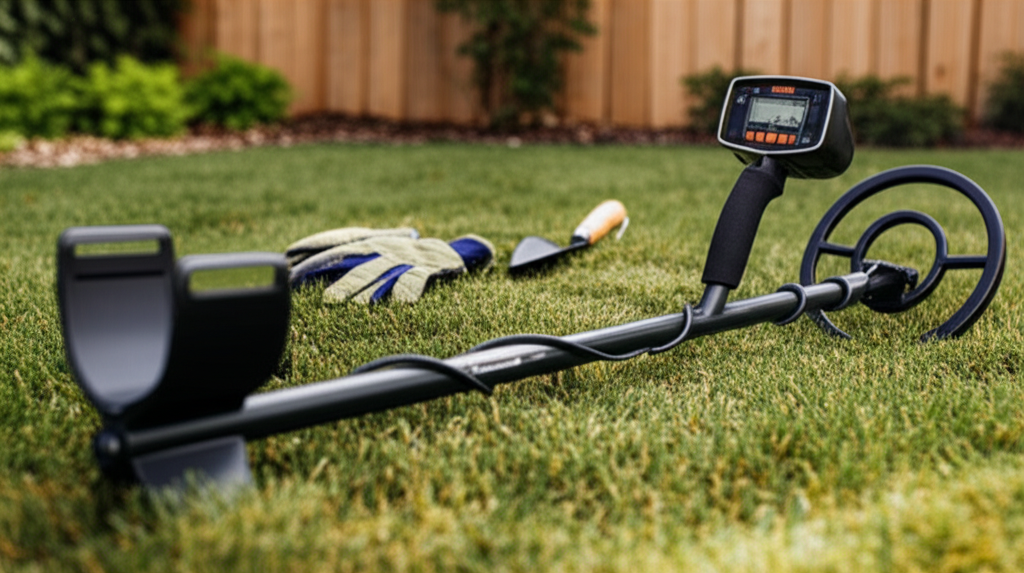
VLF (Very Low Frequency) detectors are common. They work well for most general detecting. They can find coins, jewelry, and relics. PI (Pulse Induction) detectors are more powerful. They are great for mineralized ground or saltwater. For property pins, a sensitive VLF detector is usually sufficient. Some PI detectors can be too sensitive for shallow targets.
Key Features to Look For
When choosing a metal detector for pins, consider these features. Look for adjustable sensitivity. This helps fine-tune the detector. A visual target ID is helpful. It shows you what kind of metal you might have found. Ground balancing is important. It cancels out interference from the soil. An audio tone that changes with target strength is also useful.
Top Metal Detector Models for Property Pins
Many brands make excellent detectors. For property pins, I often recommend models known for their sensitivity. Brands like Garrett, Minelab, and Nokta Makro have great options. Their detectors are reliable. They offer good performance for the price.
Garrett AT Pro and ACE Series
The Garrett AT Pro is a popular choice. It’s waterproof and durable. It has excellent target separation. The ACE series, like the ACE 300 or 400, is also very capable. They are more budget-friendly. They offer good features for beginners. Both can easily detect property pins.
Minelab Equinox Series
The Minelab Equinox is a multi-frequency detector. This means it works on several frequencies at once. It’s very sensitive to different types of metal. It’s a bit more advanced. But it’s incredibly effective for finding small targets. It handles varied ground conditions well.
Nokta Makro Simplex+
The Nokta Makro Simplex+ is a fantastic value. It’s waterproof and easy to use. It has good depth and sensitivity. It’s a great option for those on a tighter budget. It performs admirably for locating property markers.
Essential Accessories for Pinpointing Property Pins
Beyond the detector, some accessories are crucial. These tools make the job much easier. They help you pinpoint the exact location. They also help you recover the pin safely.
The Importance of a Pinpointer
A pinpointer is a small, handheld detector. It’s used once you’ve narrowed down the target area. You dig a small plug of soil. Then you use the pinpointer to scan the soil plug and the hole. It gives a very precise signal. This tells you exactly where the pin is. It saves a lot of digging. I never go out without mine.
Garrett Pro-Pointer AT: This is a top-rated pinpointer. It’s waterproof and very sensitive.
Minelab Pro-Find Series: Another excellent choice. They offer good performance and features.
Nokta Makro Pinpointer: A solid performer at a good price point.
Digging Tools
You’ll need tools to carefully excavate the area. You want to avoid damaging the pin or your lawn. A small trowel or a garden spade works well. For deeper pins, a soil probe might be needed. Always dig carefully around the suspected target.
Step-by-Step Guide to Finding Property Pins
Finding a property pin is a process. Follow these steps for the best results. It requires patience and careful searching.
1. Gather Information: If you have an old survey map, study it. Know the general area where the pin should be.
2. Set Up Your Detector: Turn on your metal detector. Adjust the sensitivity to a medium setting. Set the discrimination low, or off. You want to detect all metals.
3. Sweep the Area: Start sweeping your detector coil slowly over the ground. Use a side-to-side motion. Overlap each sweep. Listen for a consistent signal.
4. Narrow Down the Target: When you get a signal, sweep from different directions. This helps pinpoint the strongest signal. Mark the spot with your foot or a small marker.
5. Use Your Pinpointer: Dig a small plug of soil around the marked spot. Use your pinpointer to scan the soil plug. Then scan the hole. The pinpointer will lead you to the exact location.
6. Carefully Recover: Once you locate the pin, carefully dig around it. Try to loosen the soil without bending the pin. Lift the pin out gently.
7. Replace the Soil: Fill the hole back in. Replace the soil plug. Try to leave the area looking as it did before.
Tips for Success in Various Terrains
Different ground conditions can affect your search. Knowing how to adapt is key. The soil type matters. The amount of ground cover matters too.
Dealing with Mineralized Soil
Some soils have a lot of iron minerals. This can interfere with metal detectors. It can cause false signals. If you have mineralized soil, use your detector’s ground balance feature. Adjusting sensitivity can also help. PI detectors often perform better in highly mineralized ground.
Searching Through Thick Grass or Leaves
Heavy grass or leaf litter can mask signals. It can also give false signals. Try to clear some of the debris first. Sweep your coil low to the ground. A smaller coil can be more effective here. It can maneuver better.
Wet vs. Dry Conditions
Wet soil can affect detector performance. It can increase ground mineralization. Some detectors are waterproof and can be used in shallow water. Always check your detector’s specifications. Dry conditions are generally easier to search.
Common Mistakes to Avoid
Beginners often make a few common errors. Avoiding these will save you time and frustration. These mistakes can lead to missed finds.
Setting Discrimination Too High: If you set discrimination too high, you might miss the pin. Pins can be iron. High discrimination can filter out iron signals.
Sweeping Too Fast: Sweeping the coil too quickly means you miss signals. Slow, deliberate sweeps are best.
Not Using a Pinpointer: Relying only on the main detector coil makes pinpointing hard. A pinpointer is essential for accuracy.
* Digging Too Aggressively: This can damage the pin or the surrounding area. Dig carefully and methodically.
Legal and Ethical Considerations
Always be mindful of property rights. Ensure you have permission to search. This is especially important on private land. Respect the land you are searching. Leave no trace of your activity.
Getting Permission
Never metal detect on private property without explicit permission from the owner. This applies to your own property too, if you share it. If you are unsure about boundaries, consult official records.
Respecting the Environment
Fill all your holes. Take any trash you find with you. Leave the area as you found it. This ensures you can return and that others can enjoy the outdoors too.
Frequently Asked Questions (FAQ)
Can any metal detector find property pins?
While most metal detectors can find metal, some are better suited for property pins. Detectors with good sensitivity to small targets and low discrimination are best.
How deep can a metal detector find a property pin?
The depth depends on the detector, coil size, and pin type. Most standard detectors can find pins buried up to 6-12 inches deep. Deeper pins might require specialized equipment.
Do I need a special coil for property pins?
A smaller coil, like a 6-inch or 8-inch coil, can be very effective. It offers better pinpointing in tight spots. However, a standard coil can also work.
What does a property pin signal sound like?
The sound varies by detector. It’s usually a clear, repeatable tone. The strength of the tone often indicates depth. A strong, consistent tone is what you want.
Is it hard to learn to use a metal detector for pins?
No, it’s quite straightforward. The basic operation is simple. Learning to interpret signals takes a little practice. Using a pinpointer makes the final step very easy.
Should I dig a big hole to find the pin?
No, always dig carefully. Start with a small plug. Use your pinpointer to locate the exact spot. Then widen the hole only as much as needed.
Conclusion
Finding your property pins doesn’t have to be a mystery. With the right metal detector and a few simple tools, you can locate them accurately. I’ve used these methods for years. They work reliably. Remember to choose a sensitive detector. A good pinpointer is a must-have accessory. Always search responsibly and respectfully. Happy hunting for those boundary markers!
