


Published on: November 10, 2025 | Updated on: November 10, 2025
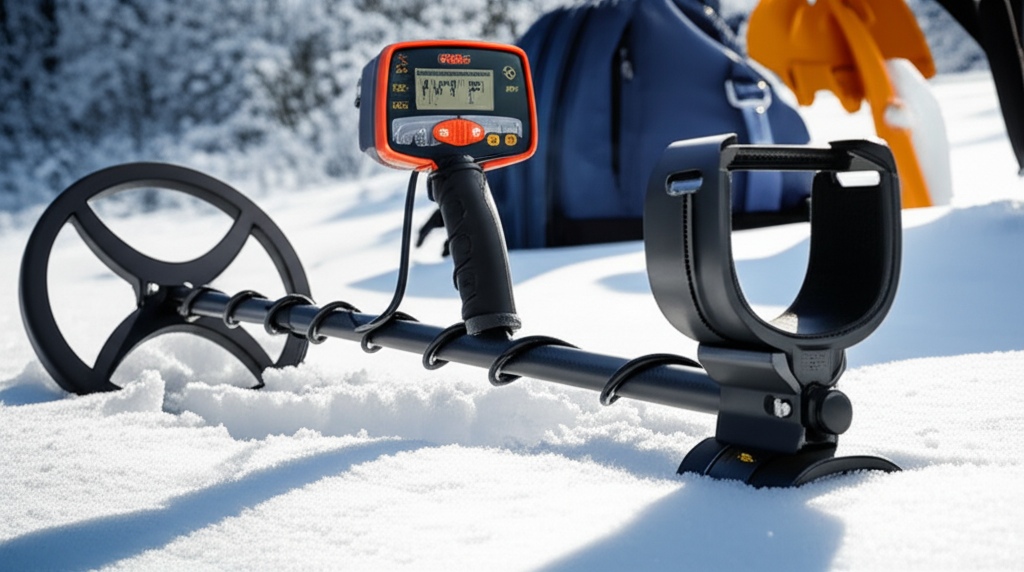
Metal detector work in snow is challenging but possible with the right gear and techniques. This guide unlocks the secrets to finding treasures even when the ground is frozen or covered in white, offering essential breakthroughs for winter detecting.
Metal detecting in snow might seem impossible. The cold and snow can hide targets. They can also affect your equipment. But with the right knowledge, you can still have successful hunts. This guide will show you how to overcome these challenges. We will explore the best tools and methods for detecting in winter conditions. Get ready to find those hidden gems, even under a blanket of snow.
Contents
- 1 Why Winter Detecting is a Game-Changer
- 2 The Best Metal Detectors for Snow Conditions
- 3 Essential Metal Detecting Coils for Snow
- 4 Pinpointers: Your Snow Best Friend
- 5 Digging Tools for Frozen Ground
- 6 Preparing Your Detector for the Cold
- 7 Techniques for Detecting in Snow
- 8 Identifying Targets Under Snow
- 9 Where to Find Treasures in Winter
- 10 Essential Accessories for Winter Detecting
- 11 Frequently Asked Questions (FAQ)
- 12 Conclusion: Embrace the Winter Hunt
- 13 Author
Why Winter Detecting is a Game-Changer
Winter detecting offers unique opportunities. Fewer people are out hunting. This means more untouched ground for you. Old sites, often overlooked in warmer months, become accessible. You can find coins, relics, and jewelry that others miss. It’s a chance to explore historical areas with less competition.
The Best Metal Detectors for Snow Conditions
Not all metal detectors perform well in the cold. Extreme temperatures can impact battery life. They can also affect the detector’s electronics. Look for detectors with good cold-weather performance. Many modern detectors are built tough. They can handle lower temperatures better than older models.
Key Features to Look For

When choosing a detector for snow, prioritize certain features. All-weather waterproofing is crucial. This protects your device from moisture and snow. Look for good battery life in cold. Some detectors have special modes for mineralized ground. This can help cut through snow and frozen soil.
Top Detector Recommendations
Several brands offer excellent winter-ready detectors. The Minelab Equinox series is a popular choice. It offers multi-frequency technology and is waterproof. Garrett’s AT Pro and AT Max are also robust options. They are fully submersible and handle various conditions well. White’s and Nokta Makro also have solid detectors suited for tough environments.
Essential Metal Detecting Coils for Snow
The coil is your detector’s “eye.” The right coil can make a big difference in snow. Standard coils might struggle with ground cover. Specialized coils can improve performance. They help your detector “see” through the snow.
Small Coils for Precision
Smaller coils are often better for snow. They offer better pinpointing. They can also get closer to targets under snow. This is helpful when trying to locate shallow finds. Small coils are less likely to pick up unwanted signals from snow.
Larger Coils for Depth
Larger coils can offer greater depth. This is useful if targets are buried deep. They can cover more ground faster. However, they can be more sensitive to iron. They might also be more prone to false signals from snow.
Pinpointers: Your Snow Best Friend
A good pinpointer is non-negotiable for winter detecting. It helps you find the exact spot of your target. This is especially true when digging in snow. You don’t want to lose a good find in a pile of white.
Waterproof Pinpointers
Always opt for a waterproof pinpointer. You will be working with snow and moisture. A waterproof model prevents damage. It also allows you to use it directly in the snow. This saves you time and effort.
How to Use a Pinpointer in Snow
When your detector signals a target, use your pinpointer. Carefully remove snow from the area. Then, use the pinpointer to narrow down the exact location. It will vibrate or beep faster as you get closer. This makes digging precise and efficient.
Digging Tools for Frozen Ground
Digging in frozen or snow-covered ground is tough. Your standard trowel might not cut it. You need tools designed for these conditions. Having the right digging tools saves your energy. It also protects your detector and finds.
The Importance of a Good Shovel
A sturdy, sharp shovel is essential. Look for one with a serrated edge. This helps cut through frozen soil and roots. A smaller, military-style entrenching tool can also work. It is compact and effective for smaller digs.
Specialized Tools
Consider a small ice pick or a sturdy probe. These can help break up hard ground. They are useful for checking the depth of a target. Always carry a good quality digging tool. It makes the entire process much easier.
Preparing Your Detector for the Cold
Cold weather affects batteries. It can also make plastic parts brittle. Proper preparation ensures your detector works reliably. It also helps prevent damage.
Battery Care in Cold Weather
Always keep spare batteries warm. Store them in an inside pocket. Cold drains batteries faster. Replacing a cold battery with a warm one can help. Some detectors have rechargeable lithium-ion batteries. These generally perform better in the cold.
Protecting the Detector Body
Consider a neoprene cover for your detector. This adds a layer of insulation. It also protects the detector from scratches. Ensure any moving parts are clean. Lubricate them if necessary, using a cold-resistant lubricant.
Techniques for Detecting in Snow
Detecting in snow requires different tactics. You need to adjust your approach. These techniques help you find targets effectively. They also minimize false signals.
Ground Balancing in Snow
Ground balancing is crucial. Snow and frozen ground can have mineral content. Re-ground balance your detector often. Do this in the area you are searching. This helps the detector ignore ground noise. It makes it more sensitive to targets.
Slow and Steady Wins the Race
Sweep your coil slowly and steadily. This ensures you don’t miss faint signals. Overlapping your sweeps is important. This covers the entire search area thoroughly. Listen carefully to your detector’s tones.
Dealing with False Signals
Snow can cause false signals. These are often choppy or erratic. Learn to distinguish target sounds from noise. If a signal is weak or inconsistent, it might be snow. Digging cautiously is always advised.
Identifying Targets Under Snow
Finding a target under snow is a skill. It takes practice and patience. You need to be methodical. This helps you locate your find accurately.
The “Dig and Check” Method
When you get a solid signal, mark the spot. Carefully remove snow from the target area. Use your pinpointer to locate the target precisely. Dig a plug of soil. Place the plug on a cloth or tarp. Check the plug for your target.
Using a Probe
A probe can help determine target depth. Gently insert it into the soil near the signal. This gives you an idea of how deep to dig. Be careful not to damage the target.
Where to Find Treasures in Winter
Winter conditions can reveal hidden spots. Think about where water drains. These areas might be less frozen. Old buildings and historical sites are good bets.
Beaches and Riverbanks
Beaches are always good hunting grounds. Snow can cover coins and jewelry. Riverbanks can also yield interesting finds. Look for areas where the snow has melted slightly.
Old Parks and Historical Sites
Parks and historical locations are prime spots. People have congregated there for years. Snow can preserve targets. It also makes them easier to spot once revealed. Always get permission before detecting on private land.
Essential Accessories for Winter Detecting
Beyond the detector and pinpointer, other gear helps. These accessories enhance your comfort and success. They make winter detecting more enjoyable.
Warm Clothing is Key
Dress in layers. Waterproof outer layers are essential. Insulated gloves and boots keep you warm. A warm hat is also important. Being comfortable allows you to detect for longer.
A Good Tarp or Find Pouch
Use a tarp or a dedicated find pouch. This keeps your finds organized. It also prevents you from losing them in the snow. A bright-colored tarp makes it visible.
Frequently Asked Questions (FAQ)
Q1: Can I use my regular metal detector in the snow?
A: Yes, but performance might suffer. Cold affects batteries. Some detectors are better suited for cold than others. Always check your detector’s specifications.
Q2: How does snow affect metal detector signals?
A: Snow can act as an insulator. It might slightly dampen signals. It can also cause false signals due to moisture. Frozen ground can also affect performance.
Q3: What is the best time of year for metal detecting?
A: Any time can be good. Winter offers fewer crowds. Spring and fall are often ideal. Summer can be hot but still productive.
Q4: Do I need a special metal detector for snow?
A: Not always. A good quality, waterproof detector will work. Features like good battery life and robust construction are helpful.
Q5: How deep can metal detectors find targets in snow?
A: Depth depends on the detector and coil. Snow itself adds to the depth. A good detector might find targets several inches below the snow surface.
Q6: Is it harder to dig in frozen ground?
A: Yes, it can be very difficult. Using a sharp, serrated shovel or an ice pick helps. Digging when the ground is thawing is easier.
Conclusion: Embrace the Winter Hunt
Metal detector work in snow is not just possible; it’s an exciting frontier. By understanding the challenges and equipping yourself correctly, you can unlock a season of incredible finds. Choosing the right detector and coil, mastering winter techniques, and using essential accessories like waterproof pinpointers and sturdy digging tools are key. Embrace the quiet solitude of winter detecting. You might just unearth some of the best treasures of your detecting career. Happy hunting in the snow!
