


Published on: November 10, 2025 | Updated on: November 10, 2025
Metal Detector Zip Ties: Essential Hidden Gems for Every Detectorist
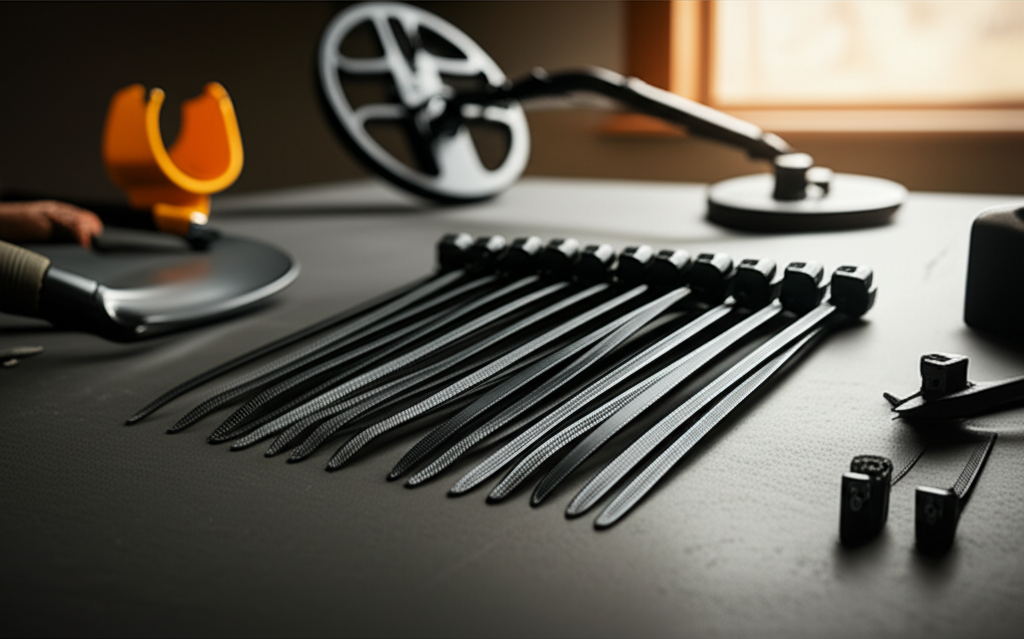
Metal detector zip ties are small, inexpensive tools that can organize cables, secure accessories, and prevent equipment loss, making them surprisingly valuable for any treasure hunter.
Metal detecting is a rewarding hobby. You can find old coins, lost jewelry, and historical relics. Sometimes, your metal detector setup can get messy. Cables can get tangled. Accessories might fall off. This can be frustrating when you’re out in the field. Don’t worry, there’s a simple solution. We’ll explore how basic zip ties can solve these problems. They are true hidden gems for any detectorist.
Why Zip Ties Are Metal Detector’s Best Friend
Zip ties are simple plastic fasteners. They have a locking mechanism. You can use them to bundle things together tightly. For metal detectorists, this means keeping equipment neat and secure. A tidy setup prevents damage and lost parts. It makes your detecting time more enjoyable.
Organizing Detector Cables

Metal detectors have cables connecting the coil to the control box. These can dangle and snag on bushes or rocks. This can be annoying and even damage the cable. Zip ties can neatly bundle these cables along the detector shaft. This keeps them out of the way. It prevents tripping hazards too.
Securing Accessories to Your Detector
Many detectorists use accessories. These include pinpointers, extra batteries, or even a small digging tool. Sometimes, you need these items within easy reach. Zip ties can attach small pouches or holders to your detector’s shaft. This keeps your essential tools handy. You won’t have to search your pockets constantly.
Preventing Loss of Small Parts
Losing small parts can ruin a detecting trip. This includes things like coil mounting hardware or battery covers. Zip ties can act as a simple tether. You can attach them to critical small parts. This way, if they come loose, they won’t get lost in the grass or mud. It’s a cheap insurance policy for your gear.
Choosing the Right Zip Ties for Detecting
Not all zip ties are created equal. For metal detecting, you need specific types. Consider the environment you’ll be in. Think about the weight of what you’re securing. The right choice makes a big difference.
Size and Strength Matters
Zip ties come in many sizes. Small ones are good for thin cables. Larger, heavy-duty ones are better for securing larger items. Check the tensile strength rating. This tells you how much force they can withstand. For most detector needs, standard medium-sized zip ties are sufficient.
UV Resistance for Outdoor Use
You’ll be using your detector outdoors. Direct sunlight can degrade plastic over time. This makes zip ties brittle and weak. Look for zip ties labeled “UV resistant” or “outdoor use.” Black zip ties are often more UV resistant than lighter colors. This ensures they last longer in the field.
Color Options: Practicality and Visibility
Zip ties come in many colors. Black is common and blends in. White or colored zip ties can be useful too. They can help you quickly identify specific bundles. For example, you could use blue zip ties for coil cables. This makes reassembly easier. Bright colors can also help you find a dropped zip tie if it falls off.
Practical Applications: Beyond Cable Management
Zip ties offer more than just tidying up cables. They are versatile tools for many situations. Think creatively about how they can help you. I’ve found them useful in many unexpected ways.
Attaching a Pinpointer Holster
A pinpointer is crucial for pinpointing targets. Keeping it accessible is important. Many detectorists use a holster attached to the detector shaft. Zip ties are a simple and effective way to secure these holsters. Just loop them through the holster’s mounting holes and around the shaft.
Securing Your Control Box
Sometimes, the control box can feel loose on the shaft. This can happen with older detectors or worn fittings. A couple of well-placed zip ties can add stability. Wrap them around the control box mount and the shaft. This prevents wobbling and ensures a secure connection.
Temporary Repairs in the Field
What if a strap breaks on your backpack? Or a handle comes loose on your digging tool? Zip ties can provide a quick, temporary fix. They can hold things together long enough for you to finish your detecting session. Then you can make a proper repair at home.
Using Zip Ties Safely and Effectively
While zip ties are simple, using them correctly is important. Improper use can cause damage or be ineffective. Follow these tips for best results. Always ensure your equipment is safe and secure.
Don’t Overtighten Zip Ties
Overtightening can damage cables. It can crush insulation. This can lead to shorts or breaks. It can also weaken the zip tie itself. Tighten them just enough to be snug. You want them secure, not cutting into anything.
Use the Right Tool for Cutting
Once a zip tie is fastened, you need to cut off the excess tail. A sharp pair of side cutters or snips works best. Avoid using a knife, as this is more dangerous. Be careful not to cut too close to the locking mechanism. Leave a small bit of the tail. This prevents sharp edges from snagging or cutting you.
Consider Reusable Zip Ties
For applications where you might need to adjust or remove them often, consider reusable zip ties. These have a different locking mechanism. They can be opened and re-fastened. This is useful if you frequently swap coils or need to access internal components.
Comparing Zip Ties to Other Fasteners
Zip ties are not the only way to secure things. Velcro straps and bungee cords are also options. Each has its pros and cons for metal detecting. Zip ties often win for simplicity and cost.
Zip Ties vs. Velcro Straps
Velcro straps are easy to adjust and reusable. They are good for items that need frequent removal. However, they can collect dirt and debris. This can reduce their grip over time. Zip ties offer a more permanent, secure hold. They are also generally cheaper than good quality Velcro straps.
Zip Ties vs. Bungee Cords
Bungee cords offer elasticity. This can be useful for securing larger, irregularly shaped items. However, they can be bulky. They can also stretch out over time. For neat cable management and securing smaller items, zip ties are usually a better choice. Their fixed tension provides a reliable hold.
Expert Tips for Maximizing Zip Tie Use
As a detectorist with years in the field, I’ve learned a few tricks. These simple tips will help you get the most out of your zip ties. They are small things that make a big difference.
Create a “Zip Tie Kit”
Keep a small selection of zip ties in your detecting bag. Include a few different sizes and colors. Also, carry a small pair of wire cutters or snips. This way, you’re always prepared for quick fixes or organization on the go. It’s a small investment for big convenience.
Use Them to Label Your Gear
You can use zip ties to label different detector components. For example, use a colored zip tie on a specific coil. This helps you identify it quickly, especially if you own multiple coils. It’s a simple way to keep track of your equipment.
Reinforce Weak Points
Inspect your metal detector and accessories regularly. Look for any areas that seem weak or prone to breaking. A zip tie can often reinforce these spots. It adds extra support where it’s needed most. This can prevent costly damage down the line.
Troubleshooting Common Zip Tie Issues
Even with simple tools, problems can arise. Understanding common issues helps you avoid them. Here are some solutions to frequent zip tie challenges.
Zip Tie Breaks During Tightening
If a zip tie breaks while you’re tightening it, it’s likely too small or not strong enough. Or, you might be pulling too hard. Try a larger, stronger zip tie. Ensure you are pulling evenly. Avoid jerky motions. This prevents premature breakage.
Difficulty Cutting Zip Tie Tails
If your cutters are struggling, they might be dull. Or, the zip tie might be made of very tough material. Try a different pair of cutters. Sometimes, twisting the zip tie tail slightly before cutting can help. This can make it easier to get a clean cut.
Zip Tie Loosens Over Time
This usually happens with cheaper, non-UV resistant ties. Or, if the tie wasn’t fully locked. Ensure the locking mechanism clicks firmly. For outdoor use, always choose UV-resistant ties. This ensures a long-lasting, secure hold.
The Environmental Impact of Zip Ties
We should consider the impact of our tools. Most standard zip ties are made of nylon. This is a type of plastic. They are not easily biodegradable. This means they can persist in the environment for a long time.
Responsible Use and Disposal
When using zip ties, try to be mindful. Use only as many as you need. If a zip tie breaks or you remove it, take it with you. Dispose of it properly in a trash bin. Never leave them behind in parks or fields. This helps protect the environment we love to detect in.
Exploring Eco-Friendly Alternatives
There are some more eco-friendly zip tie options available. Some are made from recycled plastics. Others are designed to be biodegradable. While they might be more expensive, they are a good choice for the environmentally conscious detectorist. Consider these for future purchases.
FAQ: Your Zip Tie Questions Answered
Here are some common questions beginners have about using zip ties with their metal detectors.
Can zip ties damage my metal detector?
Zip ties can damage your detector if overtightened. This can crush cables or scratch surfaces. Always tighten them snugly, not forcefully. Avoid placing them directly on sensitive electronic components.
How many zip ties should I use on my detector?
Use only as many as needed to secure cables or accessories. Typically, 2-4 zip ties are enough for cable management on the shaft. For accessories, one or two might suffice.
Are black zip ties better than white ones for outdoor use?
Black zip ties are often more UV resistant. This is because the carbon black pigment used in black plastic helps block UV rays. However, always check the packaging for “UV resistant” or “outdoor” ratings.
Can I reuse a zip tie after I’ve cut it?
Standard zip ties cannot be reused once cut. You would need to use a new one. Reusable zip ties are available if you need that flexibility.
What is the best way to remove a zip tie?
Use sharp side cutters or snips. Cut the tie close to the locking head. Be careful not to cut the cable or shaft underneath.
Should I buy heavy-duty zip ties for my detector?
For most metal detector uses, standard or medium-duty zip ties are sufficient. Heavy-duty ties are usually only needed for very large or heavy items. They can be overkill for typical detector accessories.
Conclusion: The Humble Yet Mighty Zip Tie
Metal detector zip ties might seem insignificant. Yet, they are incredibly useful tools for any detectorist. They help organize your gear, keeping cables tidy. They secure important accessories, making them easy to reach. And they can even prevent the loss of small, vital parts. By choosing the right type and using them wisely, you can enhance your detecting experience significantly. Don’t underestimate the power of these simple, inexpensive hidden gems. Make sure to add a few to your detecting kit today.
