


Published on: November 10, 2025 | Updated on: November 10, 2025
Metal Detectors for Property Pins: Essential, Proven Methods
Finding property pins with metal detectors is crucial for land surveys and boundary disputes. This guide covers the best detectors, techniques, and essential tools to locate these vital markers efficiently and accurately, saving you time and frustration.
Losing track of property pins is a common headache for landowners and surveyors. These small markers are vital for defining boundaries, but they can be buried deep or obscured by time and landscaping. Using the right metal detector can turn a frustrating search into a successful recovery. I’ve spent years testing different machines and methods to find these elusive markers, and I’m here to share what works best.
Why Metal Detectors Are Essential for Property Pins
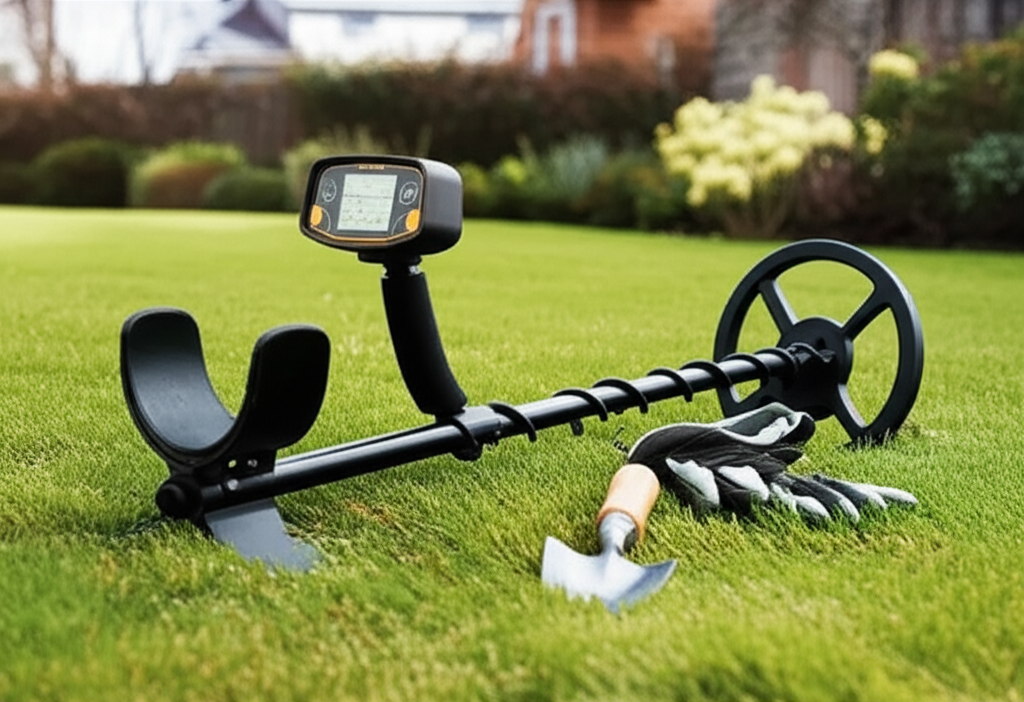
Metal detectors are indispensable tools for locating property pins. These pins are typically made of metal, like steel rebar or pipes, making them detectable. Without a good detector, finding buried pins can feel like searching for a needle in a haystack. This technology offers a precise and efficient way to pinpoint their exact location.
Understanding Property Pins and Their Challenges
Property pins, also known as survey markers or monuments, are used to mark the corners and boundaries of a piece of land. They are often made of durable metal to withstand the elements and years underground. The main challenge in finding them is their depth, surrounding soil conditions, and the presence of other buried metal objects like nails or old cans.
Choosing the Right Metal Detector for Pin Location
Selecting the correct metal detector is key to success. For property pins, you need a detector that can handle different ground conditions and distinguish between various metal types. Look for features like adjustable sensitivity, discrimination settings, and different search modes. A detector with a good depth capability will be most effective.
Key Detector Features to Look For

When searching for property pins, certain features on a metal detector become incredibly important. A high operating frequency can help detect smaller targets, while a lower frequency might be better for deeper targets. Adjustable discrimination helps ignore junk metal, and ground balance can compensate for mineralized soil. These settings allow you to fine-tune your search.
Detector Types for Survey Markers
Different types of metal detectors suit various needs. All-purpose detectors work well for general searches, including property pins. However, specialized detectors designed for deep seeking or iron discrimination can be more effective. Some advanced detectors offer pinpoint modes that help narrow down the target’s exact position.
Top Metal Detector Brands and Models
Several reputable brands offer excellent metal detectors suitable for finding property pins. Companies like Garrett, Minelab, and Fisher are known for their reliable and high-performing machines. Models like the Garrett AT Pro or the Minelab Equinox series are popular choices among detectorists for their versatility and depth.
The Crucial Role of Pinpointers
Once your metal detector signals a potential target, a pinpointer becomes your best friend. This small, handheld device helps you precisely locate the object within the dug soil or the hole. It drastically reduces the time and effort needed to unearth the property pin, preventing accidental damage.
Why a Pinpointer is Non-Negotiable
A pinpointer is not just a helpful accessory; it’s essential for efficient property pin recovery. Digging a large area can be time-consuming and disruptive. A pinpointer allows you to narrow down the target to a few inches, making the final retrieval quick and easy. It’s a small tool that saves a lot of work.
How to Use a Pinpointer Effectively
To use a pinpointer, first, dig a plug of soil where your main detector indicated a target. Then, carefully probe the soil plug and the hole with your pinpointer. Move it slowly over the area; it will beep or vibrate faster as you get closer to the metal object. This guides you to the exact spot.
Essential Digging Tools for Property Pin Recovery
Beyond the detector and pinpointer, having the right digging tools is vital. These tools help you carefully excavate the soil without damaging the property pin or its surroundings. Proper tools ensure a clean and effective recovery process.
Recommended Digging Implements
A sturdy digging trowel or shovel is a must-have. For deeper pins, a soil probe can help confirm the target’s depth before extensive digging. A small brush or even a leaf blower can be useful for clearing away loose dirt once you’re close to the pin. These tools make the job much cleaner.
Techniques for Careful Excavation
When digging, always try to remove soil in a plug or a controlled manner. This allows you to replace the soil neatly afterward, minimizing the impact on the site. Carefully probe the soil plug with your pinpointer to find the pin before discarding the dirt. This preserves the integrity of the search area.
Proven Metal Detecting Techniques for Property Pins
Successfully locating property pins involves more than just sweeping a detector over the ground. Specific techniques can significantly increase your chances of finding these markers, even in challenging conditions. Applying these methods will improve your search efficiency.
Systematic Search Patterns
Covering the area systematically is crucial. Grid patterns are highly effective for ensuring no spot is missed. Walk in straight lines, overlapping your sweeps slightly with each pass. Then, turn 90 degrees and repeat the process to cover the area thoroughly from multiple angles.
Adjusting Detector Settings for Depth and Discrimination
Fine-tuning your metal detector’s settings is paramount. For property pins, which can be buried deep, you might need to increase sensitivity and potentially lower the discrimination. This allows the detector to pick up deeper, fainter signals. However, be prepared to dig more targets if you reduce discrimination.
Dealing with Mineralized Ground and Interference
Mineralized soil can cause false signals and reduce detector depth. Most detectors have a ground balance feature to counteract this. Manually or automatically ground balancing your detector to the soil conditions will improve performance. Also, be aware of nearby power lines or fences that can cause interference.
Locating Property Pins in Difficult Terrains
Searching for property pins isn’t always on a flat, clear lawn. You might encounter dense woods, rocky areas, or overgrown fields. Adapting your techniques and tools for these challenging terrains is essential for success.
Searching in Overgrown Areas and Woods
In overgrown areas, use a detector with good target separation and potentially a smaller coil. A smaller coil can maneuver better through brush and identify targets more precisely. Clear away surface debris carefully before you start detecting. A pinpointer is especially useful here.
Detecting in Rocky Soil or Gravel
Rocky soil can produce many false signals due to the rocks themselves. Using a detector with excellent discrimination and ground balancing capabilities is vital. Sweep slowly and listen carefully for consistent signals. A metal detector designed for prospecting might offer better performance in highly mineralized or rocky environments.
Legal and Ethical Considerations
Before you start detecting for property pins, it’s important to be aware of the legal and ethical aspects. Always ensure you have permission to detect on private property. Respecting boundaries and property rights is crucial for responsible metal detecting.
Obtaining Permission and Understanding Regulations
Always get explicit permission from the property owner before searching for pins. Some areas might have local ordinances or regulations regarding metal detecting or disturbing the land. Knowing and following these rules prevents potential issues. Responsible detecting builds good community relations.
Respecting Property Boundaries and Environment
When you find a property pin, handle it with care. If you need to dig, ensure you do so with minimal impact. Fill your holes completely and leave the area as you found it, or even better. This practice is known as “leave no trace” and is fundamental for ethical detecting.
Frequently Asked Questions about Metal Detectors for Property Pins
What is the best type of metal detector for finding property pins?
A VLF (Very Low Frequency) detector with adjustable ground balance and discrimination is generally best. Look for models known for depth and target separation.
How deep can a metal detector find a property pin?
Depth varies greatly by detector model, coil size, and ground conditions. Good detectors can reach 12-24 inches or more for substantial metal targets.
Can I use a cheap metal detector to find property pins?
While some basic detectors might find shallow pins, they often lack the depth and discrimination needed for reliable recovery. Investing in a quality detector is recommended.
What if I find multiple signals? How do I know which is the pin?
Use your pinpointer to narrow down signals. Property pins often give a solid, consistent tone. Experience helps differentiate between a pin and junk metal.
Should I use a large or small coil for property pins?
A medium-sized coil (around 8-11 inches) offers a good balance of depth and coverage. A smaller coil is better for tight spaces or very shallow targets.
What is the most common material for property pins?
Property pins are usually made of steel rebar, galvanized pipe, or iron rods. These are all highly detectable by metal detectors.
Conclusion: Mastering Property Pin Location with Your Detector
Finding property pins is a critical task, and with the right metal detector and techniques, it becomes manageable. By understanding your detector’s capabilities, utilizing a pinpointer, employing systematic search patterns, and respecting the land, you can efficiently and accurately locate these essential markers. This guide provides the proven methods you need to succeed in your property pin searches.
Final Words
Mastering the art of finding property pins with a metal detector is a valuable skill. It requires patience, the right equipment, and a methodical approach. I hope this guide equips you with the knowledge to tackle these searches confidently. Remember to practice, learn your machine, and always detect responsibly. Happy hunting for those boundary markers!
