


Published on: November 10, 2025 | Updated on: November 10, 2025
Metal Detectors That Detect Gold and Silver: Essential Breakthroughs
Find gold and silver with the right metal detector. This guide explains key features and breakthroughs that help you uncover precious metals. Learn what to look for to make your treasure hunts successful.
Metal detecting for gold and silver is a dream for many hobbyists and prospectors. Finding these precious metals can be exciting and rewarding. However, not all metal detectors are created equal when it comes to detecting gold and silver. Some machines are better suited for certain types of targets than others.
This guide will help you understand the essential breakthroughs in metal detectors that specifically target gold and silver. I’ll walk you through the technology and features that make a difference. You’ll learn how to choose the best detector for your needs. Let’s explore the world of gold and silver detecting together.
Why Detecting Gold and Silver is Different
Detecting gold and silver requires specialized equipment. These metals often appear as small nuggets or thin veins. They can also be found in mineralized soil, which makes detection harder. Standard detectors might miss these targets. They might also struggle with ground noise, which is interference from minerals in the earth.
This is where advanced technology comes in. Breakthroughs in detector design have made it much easier to find gold and silver. These improvements focus on sensitivity, discrimination, and ground balancing. Understanding these differences is key to successful hunts.
Understanding Detector Frequencies
Frequency is a vital factor in how well a metal detector finds gold and silver. Metal detectors work by sending out an electromagnetic field. When this field hits a metal object, it creates a signal that the detector picks up. Different frequencies are better at detecting different types of metals.
Lower frequencies (around 5-10 kHz) are good for larger, deeper targets like coins and relics. Higher frequencies (15 kHz and above) are much better for small, low-conductivity targets. Gold and silver are often low-conductivity metals. This means they don’t reflect the signal as strongly as iron or copper.
High Frequency for Gold
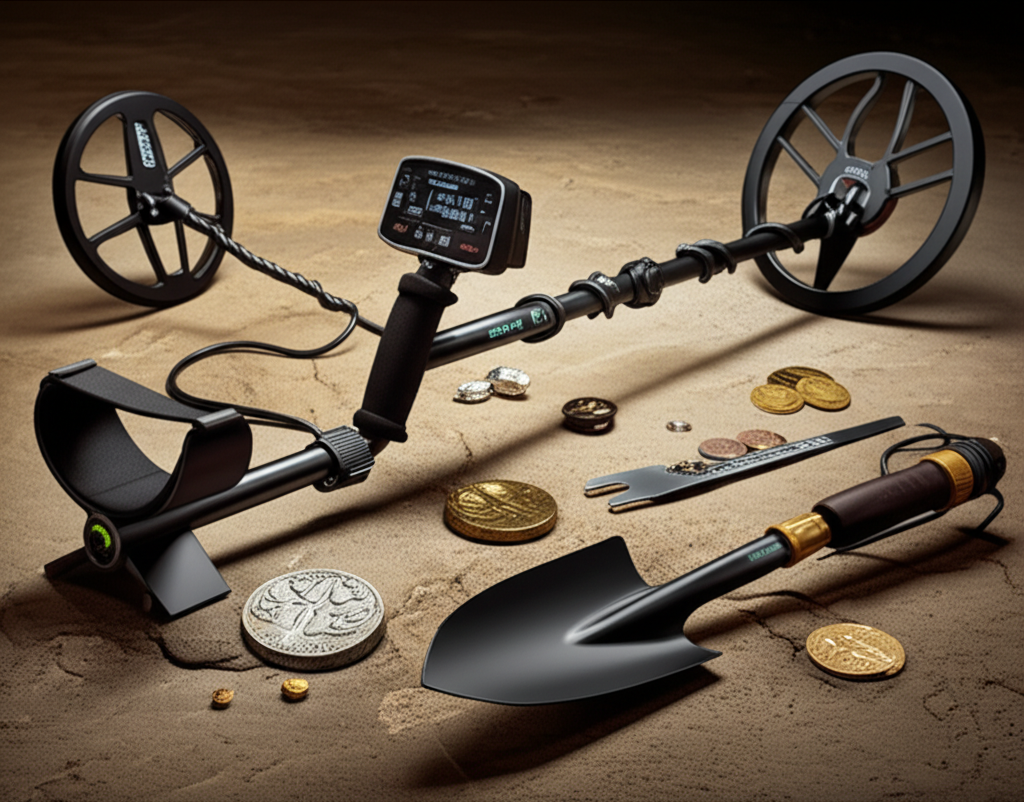
Gold, especially small nuggets, is a low-conductivity target. It requires a detector with a high operating frequency. A detector running at 20 kHz or higher is ideal for gold prospecting. This high frequency allows the detector to pick up faint signals from tiny gold pieces.
Silver can also benefit from higher frequencies. While silver is more conductive than gold, high frequencies still offer an advantage for smaller silver items or thin silver jewelry. Many modern detectors offer multiple frequencies or adjustable frequencies to cover a wider range of targets.
Ground Balancing: The Key to Mineralized Soil
Mineralized ground is a major challenge for metal detectorists. Soil contains minerals like iron oxide. These minerals can create a false signal, making the detector sound off as if it found metal. This is called ground noise. It can make it very difficult to find real targets.
Ground balancing is a feature that helps a detector ignore these mineral signals. It works by measuring the ground’s mineral content. The detector then adjusts its settings to cancel out these false signals. This allows you to hear the faint signals from gold and silver more clearly.
Automatic vs. Manual Ground Balance
There are two main types of ground balancing: automatic and manual. Automatic ground balance is convenient. You just push a button, and the detector does the work. Manual ground balance gives you more control. It allows experienced users to fine-tune the settings for specific ground conditions.
For gold prospecting in highly mineralized areas, manual ground balance can offer an edge. It allows for more precise tuning. Many high-end detectors offer both automatic and manual options. This gives users flexibility in different hunting scenarios.
Pulse Induction (PI) vs. Very Low Frequency (VLF)
Metal detectors use different technologies to find metal. The two most common are Very Low Frequency (VLF) and Pulse Induction (PI). Both have strengths and weaknesses, especially when it comes to gold and silver. Understanding these technologies can help you choose the right detector.
VLF detectors are popular for general-purpose detecting. They are good at discriminating between different types of metal. This means they can often tell you if a target is trash or treasure. However, VLF detectors can struggle in highly mineralized soil.
Pulse Induction for Tough Conditions
Pulse Induction detectors are known for their depth and ability to handle mineralized ground. They send out short pulses of magnetic energy. These pulses are very powerful and can penetrate deep into the ground. PI detectors are less affected by ground minerals.
This makes PI detectors excellent for gold prospecting in areas with heavy mineral sands. They are not as good at discrimination as VLF detectors. This means you might have to dig more trash. But for finding gold in difficult conditions, PI is often the superior choice.
Discrimination: Sorting Trash from Treasure
Discrimination is a feature that allows metal detectors to ignore certain types of metal. Most detectors can be set to ignore iron, for example. This is useful because iron is common and usually not what you’re looking for. This saves you from digging up nails and other junk.
When detecting gold and silver, discrimination can be a double-edged sword. Gold and silver can sometimes have conductivity ranges that overlap with iron or foil. If you set discrimination too high, you might accidentally filter out valuable gold or silver targets.
Finding Gold with Careful Discrimination
It’s often recommended to use very low discrimination settings when hunting for gold. Or, you might choose to turn discrimination off completely. This way, you ensure you don’t miss any potential gold nuggets. You will likely dig more trash, but the chance of finding gold increases significantly.
Some advanced detectors have specific settings for gold. They can identify the faint, high-pitched signals that gold often produces. Learning to interpret these signals is part of the skill of gold detecting.
Coil Technology: The Detector’s Ear
The search coil is the part of the metal detector that sits on the ground. It’s crucial for detecting targets. Different coil shapes, sizes, and types can affect how well a detector performs. For gold and silver detecting, coil technology plays a big role.
Coil size matters. Smaller coils are generally better for detecting small targets like gold nuggets. They also offer better pinpointing accuracy. Larger coils can detect deeper and cover more ground faster. However, they can be more sensitive to ground minerals.
Specialized Coils for Gold
Many manufacturers offer specialized coils for gold prospecting. These coils are often designed to operate at higher frequencies. They are also built to be less susceptible to ground mineralization. Some coils are shaped to get into tight spots, like between rocks.
Consider the terrain you’ll be hunting in. For general coin and relic hunting, a medium-sized coil is often a good all-around choice. But for dedicated gold and silver hunting, a smaller, high-frequency coil can be a game-changer.
Advanced Features and Breakthroughs
Modern metal detectors have incorporated many technological advancements. These breakthroughs make them more effective and user-friendly. Some features are particularly beneficial for detecting gold and silver.
Many high-end detectors now feature multi-frequency technology. This means they can operate on several frequencies at once or allow you to switch between them. This gives you the best of both worlds – the sensitivity of high frequencies for gold and the depth of lower frequencies for other targets.
Wireless Audio and Waterproofing
Wireless audio is another great feature. It lets you use wireless headphones, freeing you from annoying cables. Waterproof detectors are also a significant advantage. They allow you to hunt in streams, shallow water, and even on the beach, expanding your hunting grounds.
Some detectors also offer advanced target ID systems. These systems provide a numerical value or tone that helps identify the target. While not always perfect for gold, they can help you make quicker decisions about whether to dig.
Choosing a Metal Detector for Gold and Silver
When selecting a metal detector that detects gold and silver, consider your primary target and hunting environment. If you are serious about gold prospecting, especially in mineralized areas, a dedicated gold detector is likely your best bet. These are often PI or high-frequency VLF machines.
For a more general-purpose detector that can still find silver coins and jewelry, and perhaps some larger gold pieces, a good quality VLF detector with adjustable frequencies and good ground balancing is a solid choice. Many mid-range detectors offer a good balance of features for various types of detecting.
Top Brands and Models
Several reputable brands offer excellent metal detectors for gold and silver. Minelab, Garrett, Nokta, and Fisher are well-known for their innovative technology. For example, Minelab’s GPZ 7000 is a top-tier gold detector. Garrett’s AT Gold is a popular choice for both gold and general detecting. Nokta’s Gold Finder series is also highly regarded.
When researching, look at reviews and specifications carefully. Consider your budget and the type of metal detecting you plan to do most often. Reading field tests and watching videos of detectors in action can provide valuable insights.
Essential Accessories for Treasure Hunters
Beyond the metal detector itself, a few accessories can significantly improve your treasure hunting experience. These tools help you find, retrieve, and manage your finds. They are essential for any serious detectorist.
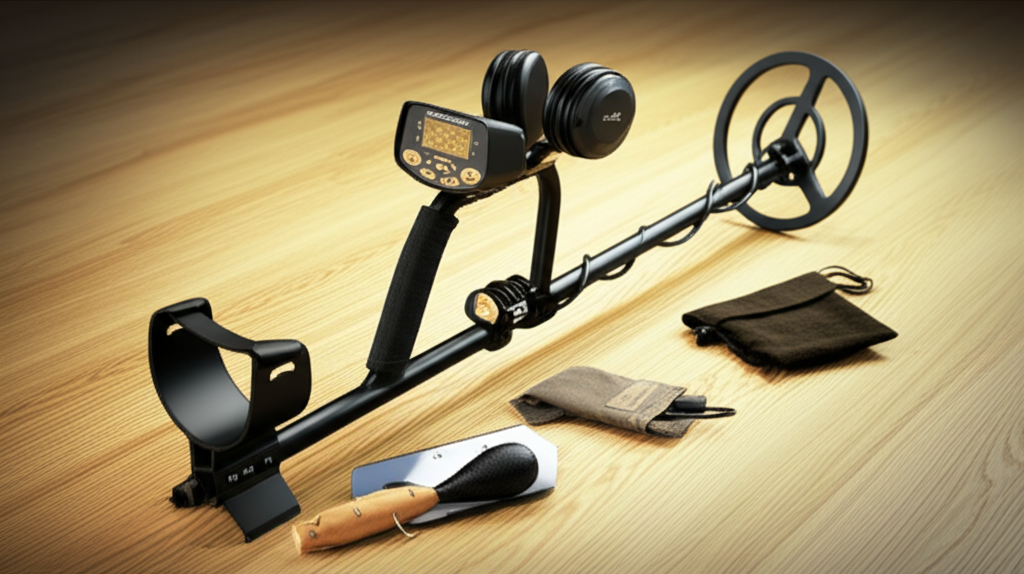
A good pinpointer is crucial. Once you’ve detected a target, a pinpointer helps you locate the exact spot in the dug soil plug. This saves a lot of time and effort. It’s like a small, handheld metal detector that gets very close to the target.
Digging Tools and Storage
You’ll also need quality digging tools. A sturdy digging trowel or spade is essential for carefully extracting targets from the ground. For tougher soils, a digging stick or a small shovel might be necessary. Always practice responsible digging techniques to minimize your impact on the environment.
Finally, a pouch or bag for your finds is important. It keeps your treasures safe and organized. A small brush can help clean off dirt from your finds.
Tips for Finding Gold and Silver
Finding gold and silver takes patience and practice. Here are a few tips to help you on your treasure hunting journey.
Research your location: Look for areas known for historical activity, old mining sites, or where people commonly lose jewelry. Beaches, parks, and old homesteads are often good places to start.
Learn your detector: Spend time in your yard learning how your detector sounds. Understand the difference between trash signals and good signals.
Hunt during different conditions: Sometimes, rain can bring new targets closer to the surface or wash away concealing dirt.
Be persistent: Treasure hunting is not always about instant riches. Enjoy the process of exploring and the thrill of discovery.
* Respect the land: Always get permission before detecting on private property. Fill your holes completely and leave no trace.
Frequently Asked Questions
What is the best metal detector for finding gold?
The best metal detector for finding gold depends on your budget and where you plan to hunt. High-frequency VLF detectors (20 kHz and above) or Pulse Induction (PI) detectors are generally recommended for gold prospecting, especially in mineralized areas. Models like the Minelab GPZ 7000 or Garrett AT Gold are popular choices.
Can a regular metal detector find silver?
Yes, many regular metal detectors can find silver, especially silver coins and jewelry. However, detectors with higher frequencies or specialized settings for silver will perform better for smaller or thinner silver items.
Do I need a special coil for gold?
While you can find gold with a standard coil, specialized gold prospecting coils often perform better. These coils are typically smaller and designed to operate at higher frequencies and are less affected by mineralized ground.
What does ground balancing do for gold detecting?
Ground balancing helps your metal detector ignore the signals from minerals in the soil. This is crucial for gold detecting because gold is often found in mineralized ground. By canceling out ground noise, the detector can pick up the faint signals from small gold nuggets.
How can I avoid digging too much trash?
Learning to identify target sounds and using discrimination carefully can help reduce digging trash. However, when hunting for gold, it’s often better to dig a little trash than to miss a valuable gold nugget. Pinpointers also help speed up the process of finding the target in the dug soil.
Conclusion
Choosing a metal detector that detects gold and silver involves understanding key technological breakthroughs. High frequencies are essential for the small signals gold emits. Effective ground balancing is vital for overcoming mineralized soil. Pulse Induction technology offers superior depth and mineral tolerance for serious gold prospectors.
Modern detectors combine these features with adjustable discrimination and advanced coil designs. By considering your specific hunting goals and environment, you can select a detector that maximizes your chances of finding precious metals. Remember that practice, patience, and the right tools are your best allies in the exciting world of treasure hunting.
