


Published on: August 29, 2025 | Updated on: August 29, 2025
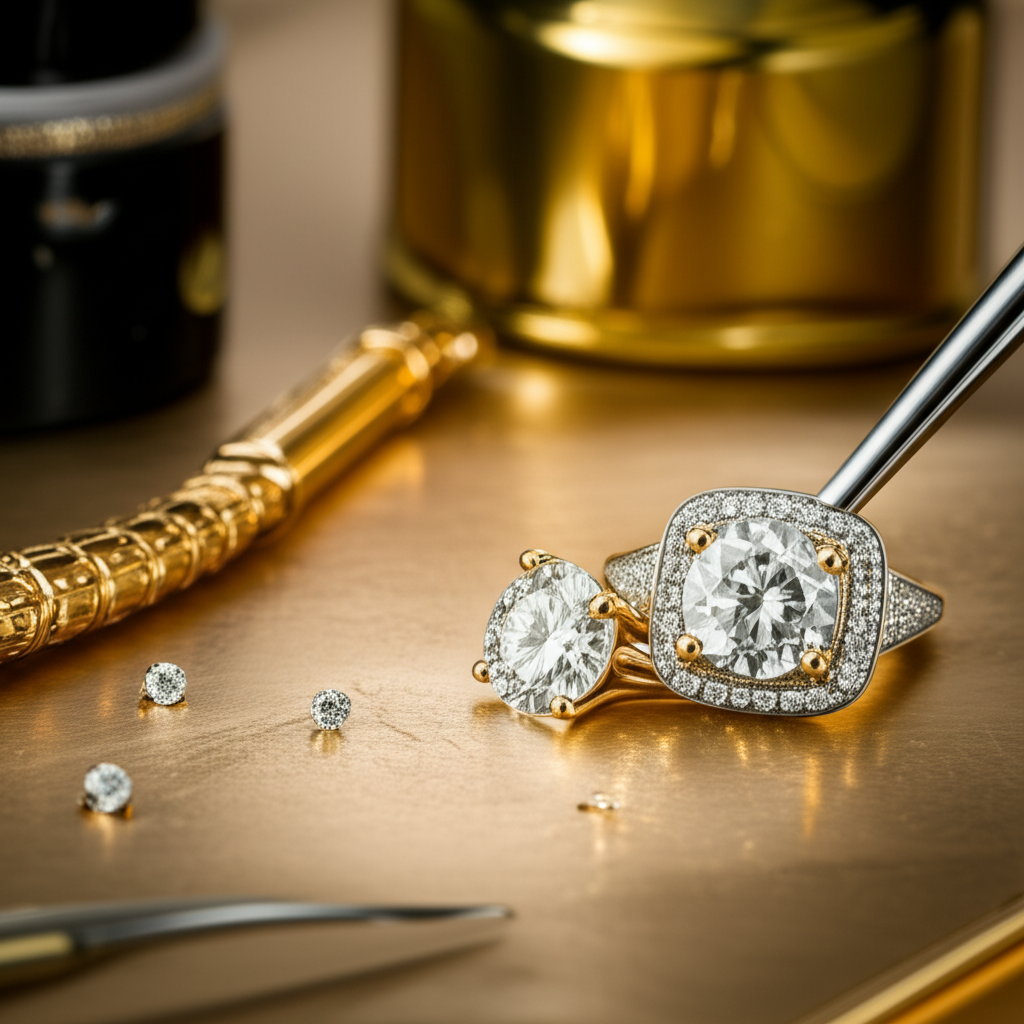
Learn how to clean gold with diamonds safely and effectively at home. This guide provides simple, step-by-step instructions and essential tips to restore sparkle to your precious jewelry, ensuring both the gold and diamonds shine like new.
Jewelry, especially that treasured gold piece adorned with dazzling diamonds, can lose its luster over time. Dust, oils, and everyday grime can dull the sparkle, making your favorite accessories look less vibrant. It’s a common frustration for many, but thankfully, restoring that brilliant shine is surprisingly simple. You don’t need expensive professional services to achieve professional results. This guide will walk you through the genius, essential methods for how to clean gold with diamonds right in your own home, ensuring your pieces remain beautiful for years to come.
Why Your Gold and Diamond Jewelry Needs Regular Cleaning
Keeping your gold and diamond jewelry clean is crucial for maintaining its aesthetic appeal and, in some cases, its structural integrity. Over time, oils from your skin, lotions, soaps, and even airborne pollutants can build up on the surface of your jewelry. This buildup not only dulls the shine of the gold but also reduces the brilliance of the diamonds by coating their facets. Regular cleaning prevents this accumulation, ensuring your diamonds reflect light optimally and your gold maintains its warm glow.
This gentle cleaning process helps prevent the potential for damage caused by prolonged exposure to harsh chemicals or abrasive materials, which can occur with neglect. By understanding how to clean gold with diamonds, you’re investing in the longevity and beauty of your cherished items.
Understanding the Materials: Gold and Diamonds
Before we dive into cleaning methods, it’s important to understand what you’re working with. Gold is a relatively soft metal, especially when alloyed with other metals to create different karats like 10K, 14K, or 18K. This softness means it can be scratched or worn down with abrasive cleaning techniques. Diamonds, on the other hand, are incredibly hard, ranking a 10 on the Mohs scale of hardness, making them resistant to scratching by most substances.
However, diamonds can become cloudy or dull if their surfaces are coated with grease or dirt. It’s this contrast in properties that dictates the gentle yet effective approach needed for how to clean gold with diamonds. Knowing these basics ensures you select cleaning methods that are safe for both the precious metal and the gemstone.
Essential Tools and Supplies for Cleaning Gold with Diamonds
Gathering the right tools is the first step to a successful cleaning session. You’ll want to assemble a small kit of items that are readily available in most households or easily acquired. Having these on hand makes the process efficient and ensures you’re using appropriate materials.
Here’s a list of what you’ll need:
Mild Dish Soap: A gentle, non-moisturizing dish soap is your best friend for dissolving grease and grime.
Warm Water: Not hot, just comfortably warm to the touch.
Soft-Bristled Brush: An old, clean toothbrush with very soft bristles is ideal for gently scrubbing. Avoid stiff brushes that could scratch the gold.
Lint-Free Cloths: Microfiber cloths are perfect for drying and polishing without leaving behind fuzzy residue.
Small Bowl or Container: For soaking your jewelry.
Optional: Ammonia-Based Cleaner: For tougher grime, but use with extreme caution and only for specific types of jewelry.
Optional: Jewelry Polishing Cloth: For an extra shine on the gold.
Having these items ready means you can tackle jewelry cleaning whenever the need arises, keeping your pieces looking their best.
The Gentle Soak Method: Your Go-To for Everyday Grime
The most common and safest method for how to clean gold with diamonds involves a simple soak in warm, soapy water. This technique is perfect for removing everyday oils and dirt that accumulate on your jewelry. It’s non-abrasive and deeply effective at restoring shine.
This method is ideal for regular maintenance and is safe for most gold and diamond jewelry, including pieces with other common gemstones like sapphires or rubies. It’s a fantastic starting point for bringing back that brilliant sparkle.
Step-by-Step: The Gentle Soak

1. Prepare the Solution: Fill a small bowl with warm water. Add a few drops of mild dish soap – think a gentle, grease-cutting formula without harsh additives.
2. Soak Your Jewelry: Place your gold and diamond jewelry into the bowl. Let it soak for about 20-40 minutes. This allows the warm water and soap to work on loosening any dirt or oil buildup.
3. Gentle Scrubbing: After soaking, use a very soft-bristled toothbrush to gently scrub the jewelry. Pay attention to the nooks and crannies, especially around the diamond settings. Be thorough but gentle; the goal is to lift dirt, not to scrub away metal.
4. Rinse Thoroughly: Rinse your jewelry under lukewarm running water. Ensure all soap residue is washed away, as leftover soap can dull the shine.
5. Dry and Polish: Gently pat your jewelry dry with a soft, lint-free cloth, like a microfiber cloth. You can then use a separate dry cloth to gently polish the gold for an extra gleam.
This process is straightforward and remarkably effective for most situations.
The Ammonia Boost: For Stubborn Grime (Use with Caution!)
Sometimes, everyday grime can be a bit more stubborn. In these cases, a mild ammonia-based solution can be a powerful ally. Ammonia is excellent at cutting through grease and oil, making diamonds exceptionally sparkly. However, it’s crucial to use this method with caution, as ammonia can damage certain gemstones and metals.
This method is best reserved for gold jewelry with diamonds and is not suitable for porous gemstones, pearls, or certain treated diamonds. Always test in an inconspicuous area if you’re unsure about your jewelry’s composition.
When to Use Ammonia
Ammonia is a potent cleaning agent that excels at dissolving tough grease and oil deposits. If your jewelry has been exposed to heavy lotions, hairspray, or other oily substances, ammonia can be very effective. It’s particularly good at restoring the fire and brilliance to diamonds that have become coated.
However, its strong alkaline nature means it can cause damage to softer or porous gemstones, and in rare cases, can affect the finish of certain gold alloys if left for too long. Always ensure your piece doesn’t contain these sensitive materials before proceeding.
How to Safely Use Ammonia
1. Dilute the Ammonia: Mix one part ammonia with six parts warm water in a small bowl. Never use undiluted ammonia.
2. Short Soak: Submerge your gold and diamond jewelry for no more than 10 minutes. Overexposure can be detrimental.
3. Gentle Brush: Use your soft-bristled toothbrush to gently brush away any loosened debris, focusing on the diamond settings.
4. Rinse Extensively: Rinse your jewelry under cool running water for a good minute to ensure absolutely no ammonia residue remains.
5. Dry and Buff: Dry with a lint-free cloth, then buff the gold gently with a jewelry polishing cloth for a brilliant shine.
Remember, when in doubt, stick to the milder soap and water method.
The Baking Soda Paste Method: A Mild Abrasive for Gold
For gold that has lost some of its shine due to minor surface dullness, a paste made from baking soda can be a gentle yet effective solution. Baking soda is a mild alkali and a very fine abrasive, capable of lifting tarnish and restoring polish without causing significant scratches. This method is particularly useful for the gold component of your jewelry.
This technique is best suited for solid gold pieces and should be applied with care, especially around diamond settings. It’s a great option for when your gold needs a bit more attention than a simple soak can provide.
Creating the Baking Soda Paste
The key to this method is creating a paste that is fine enough not to scratch the gold. The consistency should be smooth and creamy, like toothpaste. Avoid making it too gritty.
The paste acts as a very gentle polishing agent, helping to remove superficial dullness and light tarnish that might have built up on the gold surface. It’s a classic home remedy for a reason – it works effectively when used correctly.
Applying the Baking Soda Paste
1. Mix the Paste: In a small bowl, combine baking soda with just enough water to form a smooth, thick paste.
2. Apply Gently: Using your fingertip or the soft-bristled brush, apply a small amount of the paste to the gold parts of your jewelry.
3. Polish the Gold: Gently rub the paste over the gold surfaces in a circular motion. Focus on areas with dullness or light tarnish. Be extremely careful around the diamonds and avoid applying pressure directly to the stones or their settings.
4. Rinse Thoroughly: Once you’ve polished the gold, rinse the jewelry completely under lukewarm water to remove all traces of the baking soda paste.
5. Dry and Buff: Pat the jewelry dry with a lint-free cloth and then gently buff the gold with a jewelry polishing cloth.
This method is fantastic for reviving the luster of the gold itself.
Special Considerations for Different Gold Karats
The karat of gold in your jewelry significantly impacts its durability and how it responds to cleaning. Understanding the karat helps you choose the safest and most effective cleaning methods. Different karats have varying percentages of pure gold, which affects their hardness and susceptibility to damage.
Gold jewelry is typically found in 10K, 14K, 18K, and 24K. Each has its own characteristics that influence cleaning choices. Knowing these differences is essential for proper care.
10K and 14K Gold
Jewelry made from 10K and 14K gold contains a higher percentage of alloy metals (like copper, silver, or zinc) compared to pure gold. This makes it harder and more durable, but also more prone to discoloration or scratching if aggressive cleaning methods are used. The mild soap and water soak is perfectly safe, and the baking soda paste can be used with extreme care on the gold surfaces.
Avoid harsh chemicals or abrasive cleaners, as they can react with the alloy metals. Always use the softest tools possible when cleaning these lower karat gold pieces.
18K and 24K Gold
18K gold is 75% pure gold, while 24K is 99.9% pure gold. These higher karats are softer and more malleable. While 18K is still quite durable for everyday wear, 24K is very soft and can be easily scratched or dented. For these higher karat pieces, the gentle soak method is the absolute safest.
When cleaning 18K or 24K gold, avoid the baking soda paste and ammonia methods altogether. Stick strictly to mild dish soap and warm water, and use only a soft cloth for drying and polishing. The focus should be on preserving the metal’s integrity.
When to Avoid Home Cleaning and Seek Professional Help
While home cleaning methods are effective for routine maintenance, there are times when it’s best to entrust your precious jewelry to a professional jeweler. Certain types of damage or specific jewelry constructions require expert care and specialized equipment. Knowing these situations can prevent costly mistakes.
Recognizing when your jewelry is beyond a DIY fix is key to its long-term preservation. Professionals have the tools and expertise to handle delicate repairs and deep cleaning safely.
Situations Requiring Professional Care
Heavy Tarnishing or Discoloration: If your gold has significant tarnish or discoloration that doesn’t come off with gentle cleaning, a professional can use specialized solutions and polishing techniques.
Loose or Damaged Settings: If a diamond or gemstone feels loose in its setting, or if the metal setting appears damaged, do not attempt to clean it. The movement could cause the stone to fall out. A jeweler can safely tighten or repair the setting.
Emeralds, Opals, Pearls, or Turquoise: These gemstones are much softer and more porous than diamonds. They can be easily damaged by common cleaning solutions, including ultrasonic cleaners and even prolonged soaking. Professionals know how to clean these specific stones safely.
Antique or Heavily Intricate Jewelry: Very old or intricately designed pieces may have delicate filigree or hidden crevices that require expert cleaning to avoid damage.
Jewelry with Multiple Gemstones: If your piece has a variety of gemstones, some of which might be sensitive, a professional can assess the best cleaning approach for the entire piece.
For these specific cases, a trip to your trusted jeweler is the wisest course of action. They can perform a thorough cleaning and inspection, ensuring your jewelry remains beautiful and secure.
The Ultrasonic Cleaner: A Powerful Tool (Use with Caution!)
Ultrasonic cleaners use high-frequency sound waves to create tiny bubbles in a cleaning solution, which then implode, dislodging dirt and grime from jewelry. They can be incredibly effective at reaching intricate areas and removing stubborn buildup. However, they are not suitable for all types of jewelry, especially those with certain gemstones or delicate settings.
When used correctly, an ultrasonic cleaner can provide a deep clean that’s hard to achieve manually. It’s a popular tool for many jewelry enthusiasts.
Is an Ultrasonic Cleaner Right for Your Jewelry?
Ultrasonic cleaners are excellent for cleaning diamonds and most gold jewelry. The cavitation process effectively breaks down oils and dirt, leaving pieces sparkling. However, they can be too aggressive for certain materials.
Avoid using ultrasonic cleaners with porous gemstones like pearls, opals, emeralds, turquoise, or coral. They can also damage stones with inclusions or fractures, as the vibrations might exacerbate existing weaknesses. Always check the manufacturer’s guidelines and your jewelry’s specific requirements.
How to Use an Ultrasonic Cleaner Safely
1. Fill with Solution: Use a dedicated jewelry cleaning solution or a mild dish soap mixed with distilled water. Avoid harsh chemicals.
2. Place Jewelry Carefully: Submerge your gold and diamond jewelry. Ensure the pieces are not touching each other excessively.
3. Run the Cycle: Follow the cleaner’s instructions for the appropriate cycle time, typically a few minutes.
4. Rinse Thoroughly: After the cycle, rinse your jewelry under cool running water to remove all cleaning solution.
5. Dry and Polish: Pat dry with a lint-free cloth and buff as usual.
If you’re unsure, it’s always safer to stick to manual cleaning methods.
Protecting Your Investment: Long-Term Jewelry Care Tips
Proper long-term care is essential for keeping your gold and diamond jewelry looking its best for years to come. Beyond regular cleaning, a few simple habits can prevent damage and maintain the beauty of your pieces. These practices help preserve the metal and stones, ensuring your jewelry remains a cherished item.
Adopting these habits will significantly extend the life and beauty of your treasured pieces. It’s about mindful ownership and consistent, gentle care.
Daily Habits for Jewelry Longevity
Remove Jewelry During Activities: Take off your rings when doing household chores, gardening, or exercising. Chemicals, abrasives, and impact can damage both the gold and the stones.
Avoid Harsh Chemicals: Never wear your jewelry when using cleaning products, chlorine (in pools or cleaning), or other harsh chemicals. These can tarnish gold and damage certain gemstones.
Store Properly: Store your jewelry in a soft-lined jewelry box or pouch to prevent scratching and tangling. Keep pieces separated to avoid them rubbing against each other.
Regular Inspections: Periodically check your jewelry for any signs of wear, such as loose prongs or scratches. Address any issues promptly with a professional jeweler.
* Clean Regularly: As outlined in this guide, regular cleaning with mild soap and water is key to maintaining sparkle and preventing buildup.
By integrating these simple practices into your routine, you’ll ensure your gold and diamond jewelry retains its brilliance and structural integrity for a lifetime.
Frequently Asked Questions (FAQ)
Here are answers to some common questions about how to clean gold with diamonds.
Can I use toothpaste to clean my gold and diamond jewelry?
No, it’s generally not recommended. Toothpaste contains abrasives that can scratch the gold and potentially damage the finish of softer gemstones. Stick to mild dish soap or specialized jewelry cleaners.
How often should I clean my gold and diamond jewelry?
For everyday wear, a quick rinse and gentle wipe with a soft cloth weekly is good. A deeper clean with soap and water every 1-3 months, or whenever it looks dull, is ideal.
Is it safe to use window cleaner on my diamond jewelry?
While some suggest it, window cleaner can contain ammonia or other chemicals that might not be suitable for all gold alloys or any other gemstones present. It’s safer to use mild dish soap and water for a gentle clean.
Can I clean my gold jewelry with diamonds in the dishwasher?
Absolutely not. The high heat and harsh detergents in a dishwasher can damage gold, loosen stones, and cause significant harm to your jewelry. Always clean jewelry by hand.
What if my gold jewelry has colored gemstones along with diamonds?
If your jewelry includes colored gemstones like emeralds, opals, or pearls, it’s best to avoid harsh cleaning methods like ammonia or ultrasonic cleaners. Stick to a gentle soak in mild dish soap and lukewarm water, and use a very soft brush. If in doubt, consult a professional jeweler.
Conclusion: Shine Bright with Properly Cleaned Gold and Diamonds
Maintaining the sparkle of your gold and diamond jewelry doesn’t require complex procedures or expensive products. By following these simple, genius methods on how to clean gold with diamonds, you can effectively remove everyday grime and restore that brilliant shine right at home. Remember to always opt for the gentlest method first – a warm, soapy water soak with a soft brush is usually sufficient.
Always be mindful of the specific needs of your jewelry, considering the karat of gold and any other gemstones present. With regular care and attention, your treasured gold and diamond pieces will continue to dazzle for years to come. Happy cleaning!
