


Published on: August 30, 2025 | Updated on: August 30, 2025
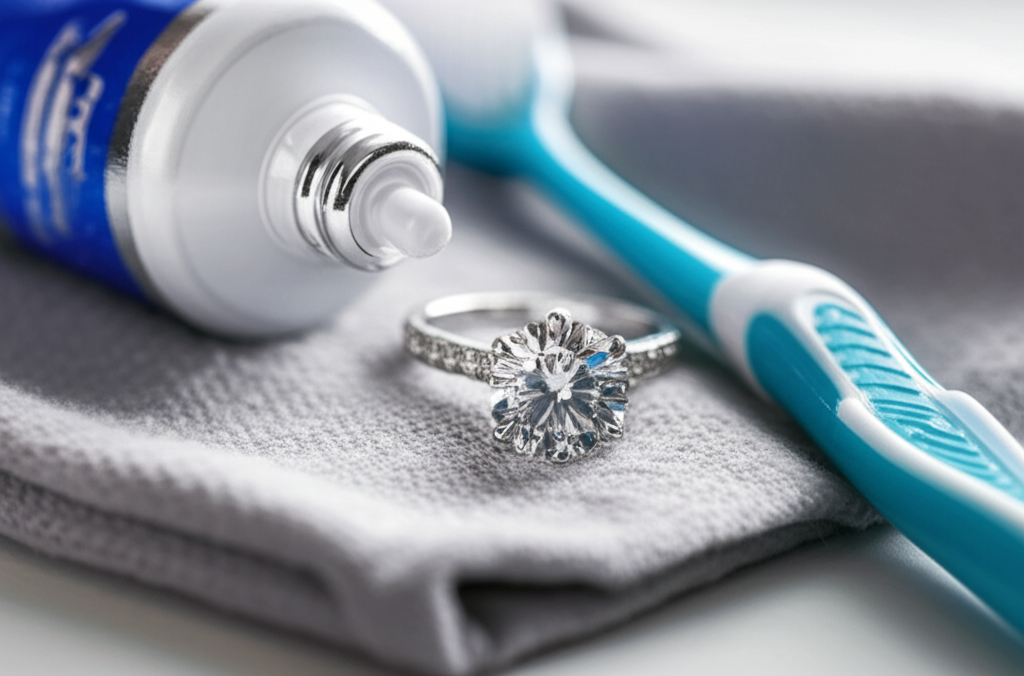
Yes, you can clean diamonds with toothpaste, but it’s generally not the best or safest method due to its abrasive nature, which can potentially dull the diamond and damage settings. This guide explores why, offers safer alternatives, and provides a step-by-step DIY cleaning process if you must use toothpaste.
Diamonds are renowned for their brilliance and hardness, making them a coveted gemstone for jewelry. However, life happens – from cooking and gardening to everyday wear, dirt, oils, and lotions can accumulate, dimming that dazzling sparkle. Many people turn to household items for a quick fix, and toothpaste often comes up as a potential solution. But can you really clean diamonds with toothpaste without causing harm? I’ve explored this common question and tested various methods, and here’s what you need to know.
Why the Toothpaste Question Arises
The idea of using toothpaste to clean diamonds likely stems from its familiar abrasive quality, often used to polish surfaces. Many assume this abrasiveness is beneficial for removing stubborn grime from a diamond’s facets. It’s a readily available item in most households, making it an accessible, albeit potentially risky, cleaning option.
Toothpaste contains mild abrasives like silica, which are designed to scrub away plaque and stains from teeth. This same characteristic, however, is precisely what raises concerns when applied to precious jewelry. While it might seem like a good idea for a quick shine, the long-term effects on both the diamond and its setting are worth considering.
Can You Clean Diamonds With Toothpaste? The Short Answer
While toothpaste can superficially clean a diamond by removing some surface grime, it’s a method I strongly advise against for regular or thorough cleaning. The abrasive particles in toothpaste can cause micro-scratches on the diamond’s surface over time, dulling its natural brilliance. More significantly, these abrasives can damage softer metals like gold and platinum used in jewelry settings.
The potential for damage outweighs any temporary cleaning benefit. It’s like using sandpaper to clean a delicate piece of glass; while it might remove some dirt, it leaves behind subtle damage that accumulates. For the best results and to preserve your jewelry’s integrity, safer and more effective methods are readily available.
Understanding Diamond Cleaning: What Works and What Doesn’t
A diamond’s sparkle comes from its ability to reflect and refract light. When oils, dirt, and residues build up, they coat the surface, blocking light and making the diamond appear dull. Effective cleaning aims to remove this buildup without harming the stone or its setting.
Many household items are suggested for cleaning jewelry, but not all are suitable. Harsh chemicals, abrasive cleaners, and even certain ultrasonic cleaners can pose risks. Understanding the properties of your diamond and its metal setting is crucial for choosing the right cleaning approach.
The Risks of Using Toothpaste on Diamonds
The primary risk associated with cleaning diamonds with toothpaste lies in its abrasive nature. Toothpaste is formulated to scrub, and while it’s gentle enough for tooth enamel (which is incredibly hard), it’s not designed for the delicate finish of gemstones or precious metals.
These microscopic abrasive particles, like hydrated silica, can create imperceptible scratches on the diamond’s surface with repeated use. Over time, these micro-scratches can lead to a noticeable dulling of the diamond’s fire and brilliance. Furthermore, if your diamond is set in softer metals like gold or platinum, the toothpaste can easily scratch and abrade the metal, damaging the setting and potentially loosening the stone.
What to Do Instead: Safer Diamond Cleaning Methods
Fortunately, there are several highly effective and safe ways to clean your diamonds at home. These methods use gentle ingredients that won’t damage your precious jewelry, restoring its original sparkle. I always recommend these alternatives to my readers looking for a reliable clean.
These methods are not only safer but also often more effective at lifting away the oils and grime that dim your diamond’s luster. They are gentle enough for regular use, ensuring your jewelry remains beautiful for years to come.
1. The Dish Soap Method: A Gentle Giant

One of the simplest and most effective ways to clean diamonds is using mild dish soap and warm water. This is my go-to method for everyday cleaning, and it’s incredibly effective at cutting through grease and grime.
What you’ll need:
A small bowl
Warm water
Mild dish soap (avoid those with added moisturizers or harsh chemicals)
A soft toothbrush (specifically for jewelry cleaning)
A lint-free cloth
Step-by-step guide:
1. Fill the bowl with warm water and add a few drops of mild dish soap.
2. Submerge your diamond jewelry in the soapy water and let it soak for about 20-40 minutes.
3. Gently scrub the diamond and setting with the soft toothbrush, paying attention to crevices where dirt can accumulate.
4. Rinse the jewelry thoroughly under warm running water. Ensure all soap residue is removed.
5. Pat the jewelry dry with a soft, lint-free cloth. Avoid rubbing vigorously.
This method is gentle, accessible, and remarkably effective at restoring shine. It’s a fundamental technique for maintaining the brilliance of your diamond jewelry without any risk of damage.
2. The Ammonia Solution: For Tougher Grime
For diamonds that haven’t been cleaned in a while or have accumulated more stubborn dirt, an ammonia-based solution can be very effective. Ammonia is a powerful degreaser and cleaner. However, it’s important to use this method sparingly and with caution.
What you’ll need:
A small bowl
1 part clear household ammonia
3 parts warm water
A soft toothbrush
A lint-free cloth
Step-by-step guide:
1. Mix the ammonia and warm water in the bowl.
2. Soak your diamond jewelry in the solution for about 10-20 minutes.
3. Use the soft toothbrush to gently scrub the diamond and setting.
4. Rinse the jewelry thoroughly under cool running water.
5. Dry with a soft, lint-free cloth.
Important Note: Never use ammonia on pearls or porous gemstones, as it can cause irreversible damage. Also, ensure the area is well-ventilated when using ammonia.
3. Rubbing Alcohol: A Quick Shine Boost
Rubbing alcohol can be useful for removing oils and fingerprints that can quickly dull a diamond’s sparkle. It evaporates quickly, leaving no residue. I sometimes use this for a quick touch-up between deeper cleans.
What you’ll need:
A small bowl
Isopropyl rubbing alcohol (70% or 91%)
A soft toothbrush
A lint-free cloth
Step-by-step guide:
1. Pour a small amount of rubbing alcohol into the bowl.
2. Dip the soft toothbrush into the alcohol and gently scrub the diamond and its setting.
3. Rinse the jewelry under cool water.
4. Dry with a lint-free cloth.
Be cautious when using rubbing alcohol on certain metal finishes or if your jewelry has antique or delicate settings, as it can sometimes affect them. Always test on an inconspicuous area if unsure.
How to Clean Diamonds with Toothpaste (If You Absolutely Must)
If you find yourself in a situation where toothpaste is your only option, and you understand the risks, here’s how to minimize potential damage. Remember, this is a last resort and not a recommended regular cleaning method.
The key is to use the least abrasive toothpaste possible and to be extremely gentle. Avoid whitening toothpastes or those with visible gritty particles, as they are typically more abrasive.
Step-by-Step: The Toothpaste Method (Use with Extreme Caution)
This method should be reserved for emergencies and performed with the utmost care. The goal is to use the toothpaste as sparingly as possible to lift surface grime without prolonged contact or vigorous scrubbing.
1. Choose Your Toothpaste Wisely: Opt for a simple, non-gel, non-whitening toothpaste. Avoid any with extra scrubbing crystals or abrasive additives. A basic paste is your safest bet, though still not ideal.
2. Apply a Tiny Amount: Squeeze a minuscule dab of toothpaste onto your finger or a very soft cloth. You only need enough to lightly coat the diamond, not to scrub it.
3. Gentle Rubbing: Gently rub the toothpaste over the diamond and its setting using your finger or the soft cloth. Avoid any harsh scrubbing or applying pressure. The goal is to let the mild cleaning agents in the paste do the work, not the abrasion.
4. Rinse Thoroughly: This is a critical step. Rinse the diamond jewelry under lukewarm running water. Ensure all traces of toothpaste are completely washed away, as dried toothpaste can be difficult to remove and can leave a cloudy residue.
5. Dry Carefully: Pat the jewelry dry with a soft, lint-free cloth. Avoid any rough materials that could scratch the metal.
Even with these precautions, I cannot stress enough that this method carries a risk of micro-abrasion to your diamond and potential damage to the metal setting. It’s far better to wait for proper cleaning supplies.
What NOT to Use on Your Diamonds
Beyond toothpaste, several common household items and cleaning methods can harm your diamonds and their settings. Knowing these pitfalls is as important as knowing the right way to clean.
It’s crucial to be aware of what can degrade your jewelry over time. Many DIY cleaning myths can lead to costly repairs or permanent damage.
1. Abrasive Cleaners and Powders
This includes anything with gritty textures, like scouring powders or abrasive household cleaners. These are designed to scrub tough surfaces and will undoubtedly scratch softer metals and can even dull a diamond’s polish over time.
2. Chlorine Bleach and Acetone
While these can be effective cleaners for other purposes, they are not suitable for diamond jewelry. Chlorine bleach can damage and discolor gold alloys, and both bleach and acetone can affect certain gemstones or treatments applied to diamonds. Always remove jewelry before cleaning with these chemicals.
3. Ultrasonic Cleaners (With Caveats)
While professional jewelers often use ultrasonic cleaners, they aren’t always suitable for home use or for all types of jewelry. If your diamond has any existing chips, cracks, or inclusions, the vibrations from an ultrasonic cleaner could worsen them. Also, if your jewelry has certain types of enhancements or treatments, the ultrasonic cleaner can damage them.
It’s always best to consult a jeweler before using an ultrasonic cleaner on valuable pieces, especially if you’re unsure about their condition or treatments. They can advise if your specific piece is safe for this type of cleaning.
4. Harsh Scrub Brushes
Using anything firmer than a very soft toothbrush can scratch the metal setting of your diamond jewelry. Even a firm toothbrush can cause wear and tear on gold and platinum over time.
When to Seek Professional Cleaning
While home cleaning methods can keep your diamonds sparkling, there are times when professional attention is best. If your jewelry is particularly valuable, antique, or has intricate settings, a jeweler has the expertise and specialized equipment to clean it safely.
Professional jewelers can also inspect your jewelry for loose stones or damage to the setting during the cleaning process. This preventative maintenance can save you from losing a precious stone down the line.
Signs Your Diamond Needs Professional Care
Persistent Dullness: If your diamond remains dull even after trying safe home cleaning methods, there might be internal issues or extremely stubborn buildup that requires professional tools.
Damaged or Loose Setting: If you notice the metal of your ring or setting is bent, worn, or if the diamond feels loose, a jeweler needs to assess and repair it.
Complex Settings or Enamel: Jewelry with intricate filigree, milgrain detailing, or enamel work requires specialized cleaning to avoid damage.
Valuable or Heirloom Pieces: For pieces with significant monetary or sentimental value, professional cleaning offers peace of mind and expert care.
A professional cleaning typically involves specialized ultrasonic cleaners, steam cleaning, and meticulous hand-polishing techniques that are safe for even the most delicate pieces. It’s an investment in preserving the beauty and integrity of your jewelry.
Maintaining Your Diamond’s Sparkle Between Cleanings
Keeping your diamond jewelry looking its best involves more than just occasional deep cleans. Simple habits can prevent excessive dirt and oil buildup, making your regular cleaning sessions easier and more effective.
Being mindful of how you wear and store your jewelry can significantly impact its appearance and longevity. These small practices contribute to a consistently brilliant sparkle.
Daily Habits for Diamond Care
Remove Jewelry for Certain Activities: Take off your diamond rings before showering, swimming, applying lotions or perfumes, cleaning with household chemicals, or engaging in strenuous physical activity.
Proper Storage: Store your diamond jewelry separately from other pieces to prevent scratching. Use individual pouches or jewelry boxes with compartments.
* Gentle Handling: Always handle your jewelry with clean hands. Avoid touching the diamond directly if possible, as skin oils can transfer to the surface.
By incorporating these simple habits into your routine, you can help maintain your diamond’s brilliance and protect it from unnecessary wear and tear. This proactive approach ensures your jewelry stays beautiful for years.
Frequently Asked Questions About Diamond Cleaning
Here are some common questions I receive about cleaning diamonds, especially regarding everyday household items.
Can I use mouthwash to clean my diamonds?
While mouthwash contains alcohol, which can help cut through grease, it often contains other ingredients and sugars that can leave a residue. It’s not ideal and can potentially lead to a cloudy film on your diamond. Stick to safer, dedicated cleaning methods.
Is it safe to clean diamonds with baking soda?
No, baking soda is abrasive, similar to toothpaste. While it might seem like a gentle cleaner, it can cause micro-scratches on diamonds and significant damage to metal settings over time. Avoid using it for jewelry cleaning.
How often should I clean my diamond jewelry?
For everyday wear, a gentle cleaning with dish soap and water every 1-2 weeks is usually sufficient to maintain sparkle. For pieces worn less frequently, cleaning once a month or as needed is fine. Professional cleaning every 6-12 months is also recommended.
Can I use window cleaner on my diamonds?
Some sources suggest window cleaner (often containing ammonia) can be used, but it’s generally better to stick to diluted ammonia or dish soap. Window cleaners can have additives that might leave a film or affect certain metal types.
Will my diamond lose its sparkle if I don’t clean it often?
Yes, over time, oils, lotions, and environmental dirt will accumulate on the diamond’s surface, blocking light and reducing its brilliance. Regular cleaning is essential to keep your diamond sparkling as it should.
Conclusion: Prioritize Safety for Lasting Brilliance
So, can you clean diamonds with toothpaste? Technically, yes, but it’s a gamble with your precious jewelry’s integrity. The abrasive nature of toothpaste poses a real risk of dulling your diamond and damaging its setting over time. My advice, as a seasoned DIY enthusiast and reviewer of home goods, is to steer clear of this method.
Instead, embrace the simple, safe, and effective alternatives like mild dish soap and warm water. These methods are readily available, cost-effective, and won’t jeopardize the beauty and value of your diamonds. For a truly lasting sparkle and to protect your investment, always opt for the gentlest, proven cleaning techniques. Your diamonds will thank you with a brilliance that endures.
