


Published on: August 30, 2025 | Updated on: August 30, 2025
Achieve a brilliant sparkle for your diamond ring with simple, effective DIY cleaning methods. Discover proven techniques using common household items to restore your ring’s shine and beauty safely and affordably.
Your diamond ring, a symbol of love and commitment, can lose its dazzling sparkle over time due to everyday grime, lotions, and oils. Seeing your precious stone dulled can be disheartening, but the good news is you don’t need expensive professional services to bring back its brilliance. This guide will walk you through safe, effective, and budget-friendly DIY diamond ring cleaner methods using items you likely already have in your home. Get ready to rediscover the breathtaking sparkle of your treasured piece!
Why Does My Diamond Ring Lose Its Sparkle?
A diamond’s brilliance comes from its ability to reflect and refract light. When a diamond is coated with a thin film of oils, lotions, dust, or even skin cells, this light cannot pass through effectively, leading to a dull appearance. This buildup is a natural consequence of wearing jewelry daily, and it’s completely reversible with proper cleaning.
The Best DIY Diamond Ring Cleaner Solutions for a Dazzling Shine
Restoring your diamond’s sparkle doesn’t require specialized chemicals or trips to the jeweler. Simple, readily available household items can work wonders. I’ve found that a gentle approach is always best, ensuring your ring’s metal and stones are protected while effectively removing the daily grime that dims its shine.
1. The Gentle Dish Soap Soak: Your Go-To DIY Diamond Ring Cleaner

This is my absolute favorite and most frequently used method for a DIY diamond ring cleaner. It’s incredibly effective, safe for most metals, and uses a product most of us have on hand. The mild detergent breaks down the oils and dirt clinging to your diamond and the ring’s setting.
What you’ll need:
A small bowl
Warm water
Mild dish soap (like Dawn or a similar pH-neutral option)
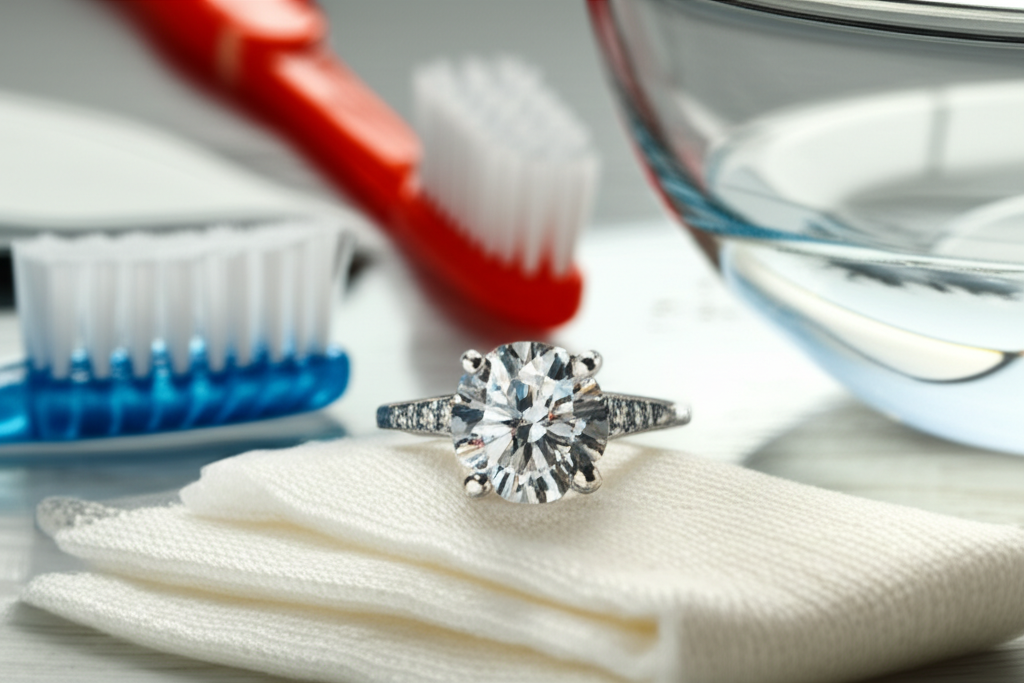
A soft-bristled toothbrush (a dedicated one for jewelry cleaning is ideal)
A lint-free cloth or soft towel
How to do it:
1. Fill the small bowl with warm water. Avoid hot water, as it can potentially damage certain gemstones or weaken metal settings over time.
2. Add a drop or two of mild dish soap to the water and gently swirl to create a soapy solution.
3. Submerge your diamond ring in the solution and let it soak for about 20-40 minutes. This gives the soap time to work on loosening any grime.
4. After soaking, gently scrub the diamond and the setting with the soft-bristled toothbrush. Pay attention to the nooks and crannies where dirt tends to accumulate.
5. Rinse the ring thoroughly under cool, running water. Make sure all soap residue is gone, as leftover soap can also dull the shine.
6. Gently pat your ring dry with a lint-free cloth. Avoid paper towels, as they can leave behind fibers.
This method is a staple for a reason; it’s a consistent performer for everyday cleaning and maintenance.
2. Baking Soda Paste: A Mildly Abrasive DIY Diamond Ring Cleaner
While dish soap is great for general grime, baking soda offers a slightly more robust cleaning action for those tougher spots. It acts as a very mild abrasive, helping to lift stubborn residues without scratching your diamond or most metals. However, caution is advised with softer metals like gold or platinum if you scrub too vigorously.
What you’ll need:
Baking soda
Water
A small bowl
A soft-bristled toothbrush
A lint-free cloth
How to do it:
1. In the small bowl, mix a tablespoon of baking soda with enough water to create a thick paste. The consistency should be similar to toothpaste.
2. Apply a small amount of the paste to your diamond ring, focusing on the diamond and the setting.
3. Gently rub the paste over the ring using your fingertip or the soft-bristled toothbrush. Use light, circular motions.
4. Rinse the ring thoroughly under cool, running water. Ensure no baking soda residue remains.
5. Pat the ring dry with a lint-free cloth.
This paste is effective for tackling slightly more embedded dirt, but always remember to be gentle.
3. Ammonia Solution: For Deep Cleaning Your Diamond Ring
Ammonia is a powerful cleaning agent that can cut through grease and grime very effectively. It’s often found in professional jewelry cleaning solutions. However, ammonia is a strong chemical, so it must be used with extreme caution and never mixed with bleach, as this creates toxic fumes. This method is best reserved for occasional deep cleaning.
What you’ll need:
Household ammonia (ensure it’s plain ammonia, not a scented or treated version)
Warm water
A small bowl
A soft-bristled toothbrush
A lint-free cloth
Gloves and good ventilation
How to do it:
1. Ensure you are in a well-ventilated area, ideally near an open window, and wear gloves.
2. Mix equal parts household ammonia and warm water in the small bowl. A 1:1 ratio is typically effective.
3. Submerge your diamond ring in the ammonia-water solution for about 10-20 minutes.
4. Gently scrub the ring with the soft-bristled toothbrush, paying attention to the underside of the diamond and the metalwork.
5. Rinse the ring thoroughly under cool, running water.
6. Pat dry with a lint-free cloth.
Due to its strength, I recommend using this DIY diamond ring cleaner method sparingly, perhaps once or twice a year, and always prioritizing safety.
4. Vodka or Gin: An Unexpected DIY Diamond Ring Cleaner
Believe it or not, high-proof alcohol like vodka or gin can be an effective DIY diamond ring cleaner. Alcohol is excellent at dissolving oils and residues without being overly harsh. It evaporates quickly, which can help prevent water spots.
What you’ll need:
Vodka or Gin (clear, high-proof alcohol)
A small bowl or shot glass
A soft-bristled toothbrush
A lint-free cloth
How to do it:
1. Pour a small amount of vodka or gin into the bowl or shot glass.
2. Submerge your diamond ring in the alcohol for about 10-20 minutes.
3. Gently scrub the ring with the soft-bristled toothbrush.
4. Remove the ring and let it air dry on a clean surface or gently pat it dry with a lint-free cloth.
This is a quick and easy method for a touch-up clean, especially if you’re traveling and don’t have access to other cleaning supplies.
5. Club Soda: A Mild and Effective Soak
Club soda, with its carbonation and slight acidity, can also help lift dirt and grime from your diamond ring. It’s a very gentle option, making it suitable for frequent use without worrying about damaging the metal or stones. It’s less potent than ammonia but more effective than plain water.
What you’ll need:
Club soda
A small bowl
A soft-bristled toothbrush
A lint-free cloth
How to do it:
1. Pour enough club soda into the bowl to fully submerge your ring.
2. Let the ring soak in the club soda for at least 30 minutes, or even overnight for a deeper clean.
3. Gently scrub the ring with the soft-bristled toothbrush to dislodge any remaining dirt.
4. Rinse the ring under cool water.
5. Pat dry with a lint-free cloth.
This is a wonderfully passive cleaning method that requires minimal effort for noticeable results.
Tools and Accessories for Your DIY Diamond Ring Cleaner Kit
Having the right tools makes all the difference when cleaning your precious jewelry. While you can get by with basic items, a few specific accessories can elevate your DIY diamond ring cleaner routine and ensure the best results with maximum safety for your ring.
Essential Tools:
Soft-Bristled Toothbrushes: Crucial for gently scrubbing away dirt without scratching. Opt for brushes with very fine, soft bristles. Dedicated jewelry brushes are ideal.
Lint-Free Cloths: Essential for drying. Microfiber cloths or soft cotton cloths are best to avoid leaving fibers behind.
Small Bowls: For soaking your ring. Glass or ceramic bowls are preferable to avoid any potential reaction with metals.
Tweezers (Optional): Useful for safely handling the ring in cleaning solutions, especially if you have multiple pieces.
Magnifying Glass (Optional): Helps you inspect the ring for any missed spots or to check for loose prongs before cleaning.
Having these items readily available ensures you can perform a thorough and safe cleaning whenever your ring needs it.
What to AVOID When Cleaning Your Diamond Ring
Just as important as knowing what to use is knowing what to avoid. Certain cleaning agents and methods can damage your diamond, its setting, or even the metal of your ring. Being aware of these pitfalls will protect your investment and keep your jewelry looking its best.
Common Mistakes to Steer Clear Of:
Harsh Chemicals: Avoid bleach, chlorine, acetone, and abrasive cleaners. These can damage metals, cloud gemstones, or even weaken certain settings.
Abrasive Scrubbing: Never use stiff brushes or abrasive pads. Even though diamonds are hard, the metal settings can be easily scratched.
Toothpaste: While it has mild abrasives, it can be too harsh for softer metals and can leave a residue that dulls the shine.
Ultrasonic Cleaners (for home use without caution): While professional ultrasonic cleaners are safe when used correctly, home versions can sometimes be too powerful, potentially loosening stones if they are already a bit compromised. If you choose to use one, follow the manufacturer’s instructions carefully and consider a gentle solution.
Boiling Water: Extremely hot water can damage certain gemstones (like opals or pearls, though not diamonds) and can potentially weaken the metal of the setting. Stick to warm or cool water.
Paper Towels: As mentioned, they can leave lint and fibers behind, which can be frustrating to remove.
Sticking to gentle, proven methods is the safest way to maintain your diamond’s sparkle.
Understanding Different Metal Settings and Cleaning
The metal of your ring setting plays a significant role in how you should approach cleaning. While diamonds are incredibly durable, the metals holding them are not. Understanding the properties of common metals like gold, platinum, and silver will help you choose the safest DIY diamond ring cleaner methods.
Gold Rings (Yellow, White, Rose)
Gold is a relatively soft metal, especially when alloyed with other metals to create different colors.
Yellow Gold: Generally quite durable and resistant to most cleaning agents. The dish soap method is excellent.
White Gold: Often plated with rhodium for a brighter white finish. Harsh chemicals or vigorous scrubbing can wear down this plating over time, revealing the slightly yellowish hue of the gold alloy underneath. Gentle cleaning is key.
Rose Gold: Similar to yellow gold, it’s an alloy that is generally durable. Avoid abrasive cleaners that could scratch the distinctive color.
For all gold types, the dish soap and warm water method is a reliable choice. If you have white gold with rhodium plating, be extra gentle with any scrubbing.
Platinum Rings
Platinum is a dense, durable, and naturally white metal. It’s harder than gold and less prone to scratching.
Platinum is highly resistant to chemical reactions, making it compatible with most gentle cleaning solutions.
While it doesn’t scratch as easily as gold, it can still get scuffed, and prolonged scrubbing with abrasives can dull its finish.
The dish soap method is perfectly safe and effective for platinum settings.
Silver Rings
Sterling silver (92.5% silver, 7.5% other metals) is softer than gold and platinum and is prone to tarnishing.
Tarnish: Silver tarnishes when it reacts with sulfur compounds in the air. This creates a dark, dull film.
Cleaning Silver: For tarnish, you might need a specialized silver polish or the baking soda and aluminum foil method (lining a bowl with foil, adding baking soda and hot water, and soaking the silver item). However, if your silver ring has a rhodium plating or is very delicate, these methods might be too aggressive.
Gentle Cleaning: For general dirt and grime on silver, the dish soap method is safe. If tarnish is the primary issue, consult specific silver cleaning guides to avoid damaging the metal or any stones.
Always consider the metal type when selecting your DIY diamond ring cleaner.
Frequency of Cleaning: How Often Should You Clean Your Diamond Ring?
The frequency with which you should clean your diamond ring depends on your lifestyle and how often you wear it. As a general rule, I recommend a quick clean weekly and a more thorough clean monthly.
Factors to Consider:
Daily Wear: If you wear your ring every day, it will accumulate oils and dirt more quickly.
Activities: Wearing your ring while cooking, applying lotions, or doing household chores will lead to faster buildup.
Environment: Dusty or polluted environments can also contribute to grime.
A quick rinse under warm water with a drop of dish soap and a gentle scrub can be done weekly. A more comprehensive soak and polish monthly will keep your diamond looking its best.
Dealing with Specific Cleaning Challenges
Sometimes, your diamond ring might present unique cleaning challenges beyond everyday grime. Understanding how to tackle these specific issues safely will ensure your ring remains pristine.
Stubborn Grime and Buildup
For rings that haven’t been cleaned in a while, you might notice a significant buildup of film.
Extended Soaking: Increase the soaking time in your chosen solution (dish soap or club soda) to 1-2 hours, or even overnight.
Gentle Agitation: After soaking, gently swirl the ring in the solution or carefully agitate it with your fingertip.
Soft Brush Focus: Use the soft-bristled toothbrush with extra care on areas with heavy buildup.
Loose Stones or Damaged Settings
If you suspect a stone is loose or the setting looks damaged, stop cleaning immediately.
Professional Assessment: Take your ring to a qualified jeweler for inspection and repair.
Avoid Manipulation: Do not try to scrub around a loose stone, as this could dislodge it further. Avoid soaking methods that might loosen it more.
Prioritize the structural integrity of your ring over cleaning it yourself if you have any doubts.
Can I Use an Ultrasonic Cleaner at Home?
Home ultrasonic cleaners can be effective, but they require a cautious approach. These devices use high-frequency sound waves to create tiny bubbles in a cleaning solution, which then implode to dislodge dirt.
Pros: Can reach areas a brush cannot, offering a deep clean.
Cons: Can be too aggressive for certain settings or older/damaged prongs, potentially loosening stones. Not suitable for all gemstones (e.g., emeralds, pearls, opals).
* Recommendation: If using a home ultrasonic cleaner, opt for a jewelry-specific model, use a mild cleaning solution (like diluted dish soap), and run it for short cycles. Inspect your ring carefully afterward. For very delicate or valuable pieces, professional cleaning is always the safer bet.
Frequently Asked Questions about DIY Diamond Ring Cleaner
Here are answers to some common questions beginners have about cleaning their diamond rings at home.
Is it safe to clean my diamond ring with dish soap?
Yes, mild dish soap like Dawn is generally considered one of the safest and most effective DIY diamond ring cleaner options. It’s gentle on most metals and effectively breaks down oils and grime without harsh chemicals.
How often should I clean my diamond ring?
For everyday wear, a quick rinse with soapy water and a gentle brush weekly is recommended. A more thorough soak and clean monthly will help maintain its sparkle.
Can I use toothpaste to clean my diamond ring?
It’s best to avoid toothpaste. While it’s abrasive, it can be too harsh for the metal settings, potentially causing scratches, and it can leave behind residue that dulls the shine.
What should I do if my ring has intricate filigree or milgrain details?
These detailed areas are prone to trapping dirt. Use a very soft-bristled toothbrush and a gentle cleaning solution, focusing on gently working the brush into the crevices without applying too much pressure. Soaking is particularly helpful for these intricate designs.
Are there any gemstones I should NOT clean with DIY methods?
Yes, porous or delicate gemstones like opals, pearls, turquoise, and emeralds are sensitive to chemicals and temperature changes. They require specialized cleaning methods, and it’s best to consult a jeweler rather than using DIY solutions. Diamonds, however, are very resilient.
How do I dry my diamond ring after cleaning?
Always use a soft, lint-free cloth, such as a microfiber cloth or a clean cotton handkerchief. Avoid paper towels, as they can leave behind fibers that are difficult to remove and can detract from the shine.
Conclusion: Bringing Back the Brilliance with DIY Diamond Ring Cleaner
Maintaining the sparkle of your diamond ring doesn’t have to be complicated or expensive. By utilizing simple, readily available household items like mild dish soap, baking soda, or even club soda, you can effectively clean your ring and restore its breathtaking brilliance. Remember to always be gentle, avoid harsh chemicals, and consider the metal of your ring setting when choosing your DIY diamond ring cleaner method. Regular, gentle cleaning will ensure your treasured piece remains a dazzling symbol of your special moments for years to come. So, grab a bowl, some warm water, and a touch of soap – your diamond is waiting to shine again!
