


Published on: August 30, 2025 | Updated on: August 30, 2025
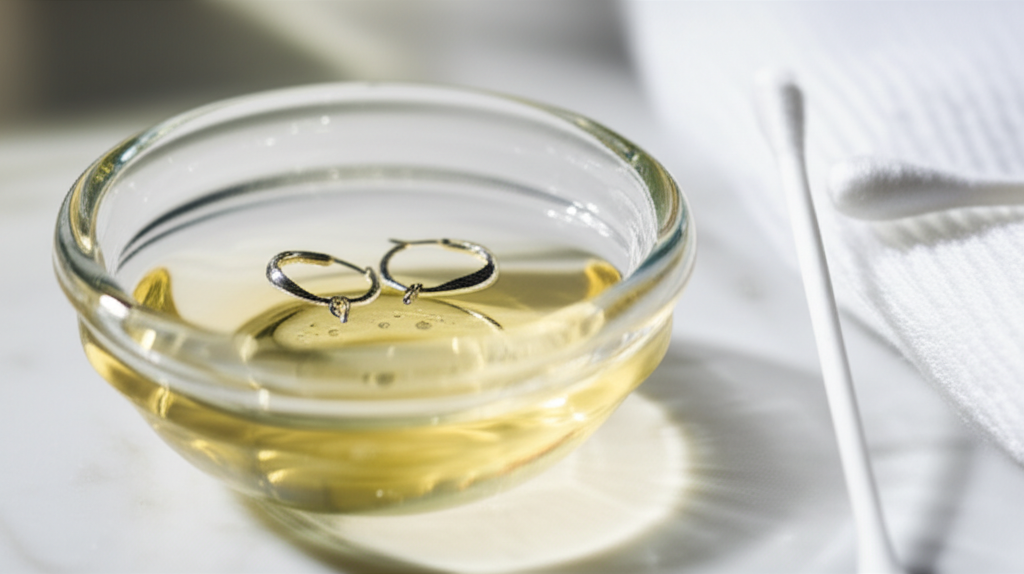
Clean earrings with vinegar using this genius, effective method to restore their sparkle and hygiene safely. It’s a simple, cost-effective solution for dull or dirty jewelry.
Are your favorite earrings looking a bit dull or feeling less than fresh? Over time, everyday wear can cause jewelry to lose its shine, accumulating oils, dirt, and even bacteria. This can be frustrating, especially when you want your accessories to look their best. But don’t worry, there’s a surprisingly effective and budget-friendly solution right in your kitchen: vinegar. I’ll guide you through a simple, step-by-step process to clean earrings with vinegar, restoring their brilliance and ensuring they’re hygienic.
Why Vinegar is a Surprisingly Great Earring Cleaner
Vinegar, particularly white distilled vinegar, is a fantastic natural cleaning agent. Its acidic nature is powerful enough to break down grime, tarnish, and mineral buildup that can dull your earrings. Unlike harsh chemical cleaners, vinegar is generally safe for most metals and precious stones when used correctly. It’s readily available, inexpensive, and an eco-friendly alternative to commercial jewelry cleaners.
This method is a lifesaver for anyone looking to maintain their jewelry without breaking the bank or exposing themselves to strong chemicals. It’s a testament to how common household items can be repurposed for effective DIY solutions, fitting perfectly with the practical approach we champion at ToolGuider.
Understanding the Materials: What Earrings Can You Clean With Vinegar?
Before you dive in, it’s crucial to know which earring materials will benefit from a vinegar bath and which might be damaged. This understanding ensures you don’t inadvertently harm your precious pieces. Generally, most common metals used in earrings are compatible with vinegar cleaning, but there are exceptions to be aware of.
The effectiveness and safety of cleaning earrings with vinegar largely depend on the metal composition and any finishes or stones present. Always consider the specific materials of your earrings to avoid any adverse reactions.
Precious Metals: Gold, Silver, and Platinum

Gold and platinum are quite durable and resist corrosion, making them generally safe for a gentle vinegar clean. Silver, while beautiful, can tarnish, and vinegar can help remove this. However, it’s essential to be cautious with sterling silver, as prolonged exposure might affect its patina if it has one.
When cleaning gold or platinum earrings, the acidity of vinegar can help lift away dirt and oils without damaging the metal itself. For silver, it’s a more direct approach to tarnish removal, though always test on an inconspicuous area first if you’re unsure.
Base Metals and Plated Jewelry
Base metals like brass, copper, and even plated jewelry require a bit more care. While vinegar can clean them, it might strip plating or cause discoloration if left too long. This is where a shorter, more diluted application is key.
For plated earrings, the goal is to clean the surface without compromising the plating layer. A quick dip and rinse are usually sufficient to achieve a good clean without causing damage to the underlying metal or the plating.
Gemstones and Other Embellishments
The type of gemstone in your earrings significantly impacts whether vinegar is a suitable cleaning agent. Porous stones like pearls, opals, turquoise, and coral can be damaged by acidic solutions. Their surfaces can become etched, dull, or even discolored.
Hard, non-porous gemstones like diamonds, sapphires, and emeralds are generally much more resilient. They can typically withstand a gentle vinegar cleaning, but it’s always best to err on the side of caution and research specific stone care.
The Genius Method: Step-by-Step Guide to Clean Earrings With Vinegar
This method is designed to be simple, effective, and safe for a wide range of earrings. We’ll cover everything from preparation to the final polish, ensuring your earrings look as good as new. Gather your supplies, and let’s get started on restoring that sparkle.
The process is straightforward and requires minimal effort, making it an ideal DIY solution for everyday jewelry maintenance. Follow these steps carefully for the best results.
Step 1: Gather Your Cleaning Supplies
Having all your tools and materials ready before you begin ensures a smooth and efficient cleaning process. This prevents interruptions and ensures you have everything you need at your fingertips.
Here’s what you’ll need:
White Distilled Vinegar: The primary cleaning agent.
Small Bowl or Dish: To hold the vinegar solution.
Soft Cloths: Microfiber cloths are ideal for drying and polishing.
Cotton Swabs: For reaching small crevices.
Warm Water: For rinsing.
Mild Dish Soap (Optional): For an initial gentle wash if earrings are very dirty.
Jewelry Polishing Cloth (Optional): For an extra shine.
Having the right supplies on hand makes the entire process much easier and more effective. It’s always better to be over-prepared than to have to stop midway through.
Step 2: Prepare the Vinegar Solution
The concentration of your vinegar solution is key to safe and effective cleaning. A direct, undiluted vinegar bath might be too harsh for some materials. Diluting it ensures gentleness while maintaining its cleaning power.
A good starting point is a 1:1 ratio of white distilled vinegar and warm water. This creates a mild acidic solution that can tackle grime without being overly aggressive.
Mix the vinegar and warm water in your small bowl. Ensure the water is warm, not hot, as extreme temperatures can also affect certain jewelry materials or adhesives if stones are present.
Step 3: Initial Wash (Optional, for Very Dirty Earrings)
If your earrings are visibly grimy or have a lot of surface dirt, a quick pre-wash can be beneficial. This helps remove loose debris before the main vinegar treatment, making the vinegar more effective at tackling tougher buildup.
Use a drop of mild dish soap in a separate small bowl of warm water. Gently swish the earrings around in this soapy water for a minute or two. Avoid vigorous scrubbing, especially with plated jewelry or delicate stones.
After the gentle wash, rinse your earrings thoroughly under cool running water to remove all soap residue. Pat them dry gently with a soft cloth. This step ensures that only the intended cleaning agent works on the tarnish and grime.
Step 4: The Vinegar Soak
This is the core of the cleaning process. The duration of the soak is crucial and depends on the material and the level of cleaning required. Shorter soaks are always recommended for plated items or jewelry with sensitive components.
Submerge your earrings in the prepared vinegar solution. For most gold, platinum, and moderately tarnished silver, a soak of 10-15 minutes should suffice. For less tarnished items or plated jewelry, try a shorter soak of just 5 minutes.
Keep an eye on your earrings during the soak. If you notice any adverse reactions, remove them immediately. This step is where the magic happens as the acetic acid works to dissolve impurities.
Step 5: Gentle Scrubbing and Rinsing
After the soak, it’s time to remove the loosened grime. A gentle touch is paramount to avoid scratching or damaging the jewelry. Cotton swabs are excellent for this purpose, as they can get into intricate details.
Use a damp cotton swab to gently scrub away any remaining dirt or tarnish. Pay attention to clasps, settings, and any hard-to-reach areas. For stubborn spots, a soft-bristled toothbrush (specifically for jewelry cleaning) can be used very carefully.
Once you’ve scrubbed, rinse your earrings thoroughly under cool, clean water. Ensure all traces of the vinegar solution are washed away. This step is vital to stop the acidic action and prevent potential long-term damage.
Step 6: Drying and Polishing
Proper drying is essential to prevent water spots and ensure your earrings maintain their shine. Use a soft, lint-free cloth, like a microfiber cloth, for this purpose. Avoid paper towels, as they can be abrasive.
Gently pat your earrings dry with the cloth. For an extra bit of sparkle, you can use a jewelry polishing cloth. These cloths are designed to buff metals and enhance shine without scratching.
Allow your earrings to air dry completely for a few minutes before wearing them or storing them. This ensures no moisture is trapped, which could lead to future issues.
How Long Should You Soak Earrings in Vinegar?
The soaking time is a critical factor when cleaning earrings with vinegar. Over-soaking can potentially damage certain materials, while under-soaking might not be effective enough. It’s a balancing act that requires understanding your jewelry’s composition.
For most common metals like gold and platinum, a soak of 10-15 minutes is usually sufficient. Silver might benefit from a similar duration, but always monitor it closely for any changes in its finish.
For plated jewelry or pieces with delicate finishes, a much shorter soak of no more than 5 minutes is advisable. Some sources even suggest a quick dip and immediate rinse for these items. Always start with the shortest duration and increase if necessary, rather than risking damage from an overly long soak.
Alternatives and Precautions for Cleaning Earrings
While cleaning earrings with vinegar is a fantastic DIY method, it’s not the only option, and certain precautions are always wise. Understanding these alternatives and safety measures will ensure you always treat your jewelry with the care it deserves.
Always remember that the specific materials of your earrings dictate the best cleaning approach. When in doubt, it’s better to be safe than sorry.
Other Natural Cleaning Solutions
If vinegar isn’t suitable for your particular earrings or you’re looking for other natural options, several alternatives exist. Baking soda, when made into a paste with water, can be a gentle abrasive for some metals. However, be very cautious as it can scratch softer metals.
Another popular method involves using toothpaste, but this is often too abrasive and can damage finishes and gemstones. For a very mild clean, a simple soak in warm, soapy water (using a mild dish soap) followed by a thorough rinse and dry is often enough for general dirt and oil removal.
For delicate items like pearls or opals, a soft, damp cloth is usually the safest bet. Gentle wiping is often all that’s needed to restore their luster.
When to Avoid Vinegar
There are specific situations and materials where cleaning earrings with vinegar should be avoided entirely. This is primarily due to the acidic nature of vinegar and its potential to react with certain substances or finishes.
Pearls, Opals, Turquoise, Coral: These porous or organic gemstones can be easily damaged by acid. Vinegar can etch their surfaces, leading to dullness and loss of luster.
Antique or Patinaed Silver: If your silver jewelry has a deliberately darkened finish (patina), vinegar can strip this away, altering its appearance.
Jewelry with Glues or Adhesives: If stones or components are held in place with glue, the vinegar might weaken or dissolve the adhesive.
* Soft or Porous Metals: While gold and platinum are robust, very soft metals or certain alloys might react unfavorably.
Always identify your earring materials and any special finishes before deciding to clean them with vinegar. If you’re unsure, a professional jeweler can offer the best advice.
Testing for Sensitivity
A smart practice before committing your entire pair of earrings to a vinegar bath is to perform a small, inconspicuous test. This allows you to gauge the reaction of the material without risking visible damage.
Find a small, hidden area on the earring, perhaps the inside of the post or the back of the setting. Apply a tiny amount of the diluted vinegar solution to this spot using a cotton swab. Let it sit for a minute, then rinse and dry. Inspect the area for any discoloration, etching, or changes in finish. If there are no adverse effects, you can proceed with cleaning the rest of the earring.
Comparing Vinegar Cleaning to Other Methods
Understanding how cleaning earrings with vinegar stacks up against other common methods provides a clearer picture of its benefits and limitations. Each method has its own set of pros and cons, making one more suitable than another depending on the situation.
The effectiveness, safety, and cost are key factors when comparing cleaning techniques for your cherished jewelry.
Vinegar vs. Commercial Jewelry Cleaners
Commercial jewelry cleaners are formulated specifically for jewelry and can be very effective. However, they often contain harsh chemicals that can be irritating to the skin and damaging to certain gemstones or metals if not used correctly. They can also be more expensive than using household vinegar.
Cleaning earrings with vinegar offers a natural, cost-effective, and generally safer alternative for many types of jewelry. While it might not tackle extremely severe tarnish as quickly as some specialized cleaners, its gentleness and accessibility make it a preferred choice for regular maintenance.
Vinegar vs. Baking Soda Paste
Baking soda is a mild abrasive and can help lift tarnish and grime. When mixed with water to form a paste, it can be applied directly to jewelry. However, its abrasive nature means it can potentially scratch softer metals or delicate finishes if rubbed too vigorously.
Vinegar, being an acid, dissolves tarnish and buildup rather than relying on abrasion. This makes it a less risky option for maintaining the original finish of your earrings, especially if they are plated or have intricate details.
Vinegar vs. Soapy Water
A simple wash with mild dish soap and warm water is excellent for removing surface oils, dirt, and lotions. It’s a very gentle method suitable for almost all types of jewelry, including those with delicate stones or finishes that cannot tolerate acidic solutions.
However, soapy water alone is not as effective at removing tarnish or mineral deposits as vinegar. If your earrings are tarnished or have stubborn buildup, a vinegar treatment will likely yield better results. Often, a combination of a gentle soapy wash followed by a vinegar treatment (if appropriate for the materials) can be the most comprehensive approach.
Common Issues and Troubleshooting When Cleaning Earrings
Even with the best methods, you might encounter a few snags when cleaning your earrings. Knowing how to troubleshoot common problems ensures you can still achieve great results and protect your jewelry. Don’t let minor hiccups deter you from restoring your earrings’ beauty.
Addressing issues promptly and correctly will save your jewelry from potential damage and ensure the cleaning process is successful.
Stubborn Tarnish Not Budging
If you’ve followed the steps and some tarnish remains, especially on sterling silver, you might need a slightly longer soak or a gentler scrub. Ensure your vinegar solution is fresh and hasn’t been diluted too much. For very stubborn tarnish, a dedicated silver polishing cloth after the vinegar clean can help buff away the last bits.
Remember, some tarnish is natural, especially on silver, and may require consistent polishing or a specific silver cleaner if vinegar doesn’t fully remove it.
Discoloration After Cleaning
If you notice unexpected discoloration after cleaning earrings with vinegar, it could be due to a few reasons. This might happen if the earrings were plated and the plating was thin or damaged, allowing the vinegar to react with the base metal. It could also occur if the earrings were made of an alloy not suitable for acidic cleaning.
In such cases, rinse the earrings immediately with clean water and dry them thoroughly. If the discoloration persists, it may be permanent damage. It’s best to consult a jeweler for advice on how to potentially restore the finish.
Leftover Vinegar Smell
Sometimes, a faint vinegar smell can linger on jewelry after cleaning. This is usually easily remedied. A quick rinse with cool water, followed by thorough drying with a soft cloth, should remove any residual odor. You can also let the earrings air out for a few hours in a well-ventilated area.
If the smell persists, a very gentle wipe with a cloth slightly dampened with water and a tiny drop of mild soap, followed by another thorough rinse and dry, should do the trick.
Maintaining Your Earrings for Lasting Shine
Once you’ve successfully cleaned your earrings using vinegar, maintaining their sparkle and hygiene is key. Regular care prevents the buildup of dirt and tarnish, meaning less frequent deep cleaning is needed. Think of it as preventative maintenance for your accessories.
Consistent, gentle care will keep your earrings looking their best for years to come.
Regular Cleaning Habits
Make it a habit to wipe down your earrings with a soft cloth after each wear. This removes oils and lotions that can contribute to dullness. A quick, gentle polish can make a big difference over time.
Periodically, give your earrings a quick soak in mild soapy water, even if they don’t appear dirty. This is a safe way to maintain general cleanliness and prevent buildup.
Proper Storage
How you store your earrings plays a significant role in their longevity. Avoid tossing them into a general jewelry box where they can rub against each other, causing scratches. Use compartmentalized jewelry organizers or individual pouches.
Store your earrings in a dry place, away from humidity and direct sunlight, which can accelerate tarnishing, especially for silver. Consider storing silver jewelry with anti-tarnish strips or cloths to absorb moisture and sulfur gases.
Knowing When to Seek Professional Help
For valuable, antique, or intricately designed earrings, it’s always wise to consult a professional jeweler for cleaning. They have specialized tools and knowledge to clean your jewelry safely and effectively, especially pieces with delicate settings or rare gemstones.
If you’re ever unsure about cleaning a particular piece or if the vinegar method doesn’t yield satisfactory results for tough grime, a jeweler is your best resource. They can also advise on repairs or restoration if needed.
Frequently Asked Questions About Cleaning Earrings with Vinegar
Here are answers to some common questions people have when considering cleaning their earrings with vinegar.
Can I clean all types of earrings with vinegar?
No, you should avoid using vinegar on porous gemstones like pearls, opals, turquoise, and coral. It’s also best avoided on antique or patinated silver, and jewelry with adhesives or soft, easily damaged finishes. Always check your earring materials first.
How long should I soak my earrings in vinegar?
For most gold, platinum, and silver earrings, a soak of 10-15 minutes is usually sufficient. For plated jewelry or items with delicate components, a shorter soak of 5 minutes or even just a quick dip and rinse is recommended to prevent damage.
Will vinegar damage my gold earrings?
Generally, no. Gold is a relatively stable metal and can withstand a mild vinegar solution for a short period without damage. However, if your gold earrings have specific coatings or are plated, a shorter soak or a gentler method might be more appropriate.
What if my earrings are still dirty after cleaning with vinegar?
If stubborn dirt or tarnish remains, you can try a slightly longer soak (within safe limits for the material) or a gentle scrub with a soft brush or cotton swab. For very persistent issues, a specialized jewelry cleaner or professional cleaning might be necessary.
Does vinegar remove tarnish from silver?
Yes, vinegar is effective at removing tarnish from sterling silver due to its acidic properties. The acetic acid in vinegar reacts with the silver sulfide that causes tarnish, helping to lift it away. However, be cautious with antique silver that has a deliberate patina.
Can I use apple cider vinegar instead of white vinegar?
While apple cider vinegar also has acidic properties, white distilled vinegar is generally preferred for cleaning jewelry. White vinegar has a clearer composition and is less likely to leave behind any residue or color. Stick to white vinegar for the best and safest results.
Final Words on Cleaning Earrings with Vinegar
Cleaning earrings with vinegar is a truly genius and effective method for reviving the sparkle of your favorite jewelry. It’s a testament to the power of simple, accessible household items for everyday DIY tasks. By following these straightforward steps and keeping the material-specific precautions in mind, you can safely and efficiently restore your earrings to their former glory.
Remember to always assess your jewelry’s composition before diving in, and when in doubt, opt for a gentler approach or consult a professional. With a little care and the right method, your earrings will continue to shine, adding that perfect finishing touch to your look for years to come.
