


Published on: September 3, 2025 | Updated on: September 3, 2025
Yes, you can polish platinum, but it requires care and the right tools to restore its brilliant luster without causing damage. This guide covers safe methods for polishing platinum jewelry and other items.
Your beautiful platinum piece has lost some of its sparkle, and you’re wondering if it’s possible to bring back that original gleam. It’s a common concern for owners of this precious metal, often leading to questions about whether polishing platinum is safe or even possible without professional intervention. The good news is that with the right approach, you can indeed polish platinum to restore its stunning shine. This guide will walk you through everything you need to know, from understanding platinum’s unique properties to safe DIY methods and when to call in the experts.
Understanding Platinum’s Durability and How It Ages
Platinum is renowned for its exceptional durability and resistance to tarnish, making it a popular choice for fine jewelry and high-end applications. Unlike other metals, platinum doesn’t wear away; instead, it develops a patina over time through microscopic scratches that redistribute the metal. This unique characteristic means that while platinum is incredibly tough, it can still show signs of wear that affect its surface reflectivity.
What is Platinum Patina?

The “patina” on platinum is essentially a very fine layer of micro-scratches that accumulate on the surface with regular wear. These tiny abrasions reflect light differently, often giving the metal a slightly dulled or frosted appearance compared to its original, mirror-like finish. It’s not a sign of damage but rather a natural aging process for this dense metal.
How Does Platinum Compare to Other Metals When Polished?
When comparing platinum to gold or silver, its polishing needs are different. Gold, especially lower karats, can wear down significantly with polishing. Silver is prone to tarnishing and requires specific polishing compounds. Platinum, being much denser and harder, can withstand polishing better, but the goal is usually to smooth out these micro-scratches rather than remove significant amounts of metal.
Can You Polish Platinum? The Short Answer and What to Expect
Yes, you can absolutely polish platinum. The process aims to smooth out the surface imperfections that cause dullness and restore its inherent bright white luster. However, it’s crucial to understand that polishing platinum isn’t about removing scratches in the same way you might buff out a scratch on a car. It’s more about gently resurfacing the metal to bring back its shine.
The Goal of Polishing Platinum
The primary objective when polishing platinum is to gently remove the accumulated micro-scratches and surface abrasions that dull its appearance. This resurfacing process redistributes the metal, bringing back that signature bright, reflective shine without significantly altering the piece’s weight or dimensions.
What to Expect from a Polished Platinum Piece
After a proper polishing, your platinum item should look significantly brighter and more reflective. The dullness caused by everyday wear will be diminished, revealing the metal’s natural, brilliant white luster. It won’t look “new” in the sense of being entirely scratch-free, as platinum naturally develops a patina, but it will be beautifully revitalized.
Essential Tools and Materials for Polishing Platinum Safely
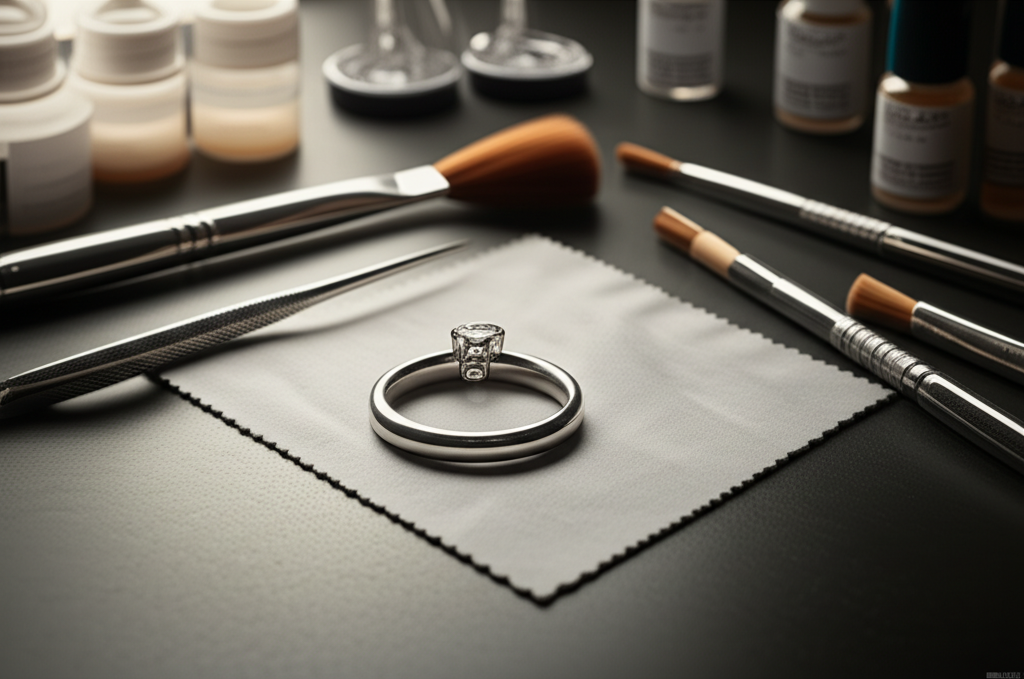
To safely polish platinum, you’ll need specific tools and materials designed for precious metals. Using the wrong products can lead to irreversible damage, so it’s vital to select wisely. I always recommend starting with the least abrasive method possible.
Soft Polishing Cloths
A high-quality, lint-free microfiber cloth is your first line of defense. These cloths are designed to gently buff away fingerprints and light smudges without scratching the metal. For more targeted polishing, consider specialized jewelry polishing cloths, often impregnated with a mild polishing compound.
Jewelry Polishing Compounds
For more stubborn dullness, you might need a mild polishing compound. Look for products specifically formulated for platinum or white metals. These compounds contain very fine abrasives that can gently smooth the surface. Always test a small, inconspicuous area first.
Soft Brushes
A very soft-bristled brush, like a baby toothbrush or a dedicated jewelry cleaning brush, can be useful for cleaning intricate areas. When used with a mild cleaning solution, it helps dislodge dirt and grime that contribute to dullness without abrading the platinum itself.
Gentle Cleaning Solutions
Warm water mixed with a few drops of mild dish soap is often sufficient for cleaning platinum. Avoid harsh chemicals, ammonia, or abrasive cleaners, as these can damage the metal or any gemstones it may contain.
DIY Methods: How to Polish Platinum Jewelry at Home
Polishing platinum jewelry at home can be a rewarding process, bringing back its original shine. It’s important to proceed with caution and follow these steps carefully to avoid any damage.
Step 1: Thorough Cleaning
Before any polishing, clean your platinum jewelry thoroughly. Soak it in a bowl of warm water with a few drops of mild dish soap for about 15-20 minutes. Use a soft brush to gently clean any crevices, removing dirt, oils, and lotion that can contribute to a dull appearance.
Step 2: Gentle Buffing with a Microfiber Cloth
After rinsing and drying your jewelry with a soft, lint-free cloth, gently buff the surface. Use a clean microfiber cloth and apply light pressure in a circular motion. This step is excellent for removing fingerprints and minor surface dullness.
Step 3: Using a Jewelry Polishing Cloth
If buffing with a microfiber cloth isn’t enough, use a specialized jewelry polishing cloth. These cloths are often impregnated with a mild cleaning and polishing agent. Gently rub the platinum surface with the cloth, following the grain of the metal if visible. Avoid excessive rubbing.
Step 4: Mild Polishing Compound (Use Sparingly)
For more noticeable dullness, you can use a very mild polishing compound specifically designed for platinum. Apply a tiny amount to a soft cloth and gently rub the platinum. Always test on an inconspicuous area first, and work in light, even strokes.
Step 5: Rinsing and Drying
After polishing, rinse the item thoroughly under cool water to remove any residue from the polishing compound. Pat it dry with a clean, soft, lint-free cloth. Inspect the piece to see the restored shine.
Polishing Other Platinum Items: Watches, Utensils, and More
The principles for polishing platinum jewelry can be extended to other platinum items, though the approach might need slight adjustments based on the item’s complexity and finish.
Platinum Watches
Platinum watch cases and bracelets can also develop micro-scratches. For these, it’s often best to consult the watch manufacturer’s guidelines or a professional watchmaker. If attempting DIY, use extreme care, especially around the crystal and movement. A very gentle buff with a jewelry polishing cloth on the case and bracelet links might be sufficient for light dullness.
Platinum Utensils and Decorative Items
Platinum cutlery or decorative pieces can be polished similarly to jewelry. After cleaning, a gentle buffing with a microfiber cloth or a specialized platinum polishing cloth should help maintain their luster. Avoid abrasive scrubbers that could scratch the surface.
Important Considerations for Different Finishes
Some platinum items may have brushed or satin finishes. Polishing these requires extra care to avoid turning a brushed finish into a polished one. If polishing a brushed surface, always use a polishing cloth or compound in the direction of the brush strokes to maintain the intended finish.
When to Seek Professional Platinum Polishing Services
While DIY polishing can restore a lot of platinum’s shine, there are times when professional help is necessary. Knowing when to entrust your precious items to an expert is key to preserving their value and beauty.
Deep Scratches and Significant Damage
If your platinum item has deep scratches, significant dents, or visible damage, DIY methods are unlikely to be effective and could worsen the problem. Professionals have specialized tools and techniques to repair such damage.
Valuable or Antique Platinum Pieces
For very valuable, antique, or intricate platinum pieces, it’s always best to consult a professional jeweler or restoration expert. They have the experience and equipment to handle these items with the utmost care, preserving their integrity and value.
Complex Designs and Gemstone Settings
Items with intricate designs, filigree work, or precious gemstones require a delicate touch. A professional jeweler can polish the platinum without harming the stones or damaging the intricate details of the piece. They can also check the security of any gemstone settings during the process.
Achieving a Perfect Mirror Finish
If you’re aiming for an absolutely flawless, high-mirror finish, especially on a piece that is very important to you, a professional polishing service is your best bet. They can achieve a level of polish that is difficult to replicate at home.
Can You Polish Platinum Without Damaging It? The Risks Involved
Polishing platinum is generally safe when done correctly, but there are inherent risks if you use the wrong methods or products. Understanding these risks helps in taking the necessary precautions.
Over-Polishing and Metal Loss
The primary risk is over-polishing, which can lead to excessive metal removal. While platinum is dense, aggressive polishing can thin out delicate areas or wear down intricate details over time. This is why using mild compounds and light pressure is crucial.
Damage to Gemstones
If your platinum item contains gemstones, harsh polishing compounds or vigorous rubbing can damage the stones, especially softer ones like pearls or opals. Always ensure your polishing methods are safe for any accompanying gems.
Altering the Finish
As mentioned, attempting to polish a brushed or satin finish can inadvertently change it to a shiny one, which might not be the desired outcome. It’s important to identify and respect the original finish of your platinum item.
Using the Wrong Polishing Agents
Employing abrasive cleaners or compounds not intended for precious metals can scratch or dull the platinum surface, creating more problems than you started with. Always opt for products specifically labeled for jewelry or platinum.
Maintaining Your Platinum’s Shine Between Polishes
Keeping your platinum looking its best between polishes involves simple care and regular cleaning. These practices help prevent excessive dullness and minimize the need for frequent polishing.
Regular Cleaning
Wash your platinum jewelry regularly with warm water, mild soap, and a soft brush. Rinse and dry thoroughly. This removes daily buildup of oils, lotions, and dirt that can make platinum appear dull.
Proper Storage
Store your platinum items separately in soft pouches or lined jewelry boxes to prevent them from scratching against other jewelry or hard surfaces. This protects the finish and reduces the occurrence of micro-scratches.
Avoiding Harsh Chemicals
Remove platinum jewelry before swimming in chlorinated pools, using cleaning products, or applying lotions and perfumes. Chemicals can react with the metal and affect its appearance over time.
Gentle Buffing
A quick buff with a clean microfiber cloth after cleaning can help maintain a good level of shine and remove any lingering smudges or fingerprints.
Table: DIY Platinum Polishing vs. Professional Services
Choosing between DIY and professional polishing depends on your comfort level, the item’s condition, and its value. Here’s a comparison to help you decide.
| Feature | DIY Polishing | Professional Polishing |
|---|---|---|
| Cost | Low (cost of materials) | Moderate to High |
| Risk of Damage | Higher (if done incorrectly) | Lower (handled by experts) |
| Effectiveness for Deep Scratches | Limited | High |
| Time Investment | Moderate | Low (for you) |
| Best For | Light dullness, general maintenance | Deep scratches, valuable items, intricate designs |
This table highlights the key differences, showing that while DIY is budget-friendly for minor touch-ups, professionals offer a safer and more effective solution for significant restoration needs.
Frequently Asked Questions About Polishing Platinum
Q1: Can I use toothpaste to polish platinum?
No, you should avoid using toothpaste. Toothpaste contains abrasive particles that are too harsh for platinum and can cause irreversible scratches, damaging the metal’s finish.
Q2: How often should I polish my platinum jewelry?
You should only polish your platinum jewelry when it appears dull or has visible micro-scratches. Over-polishing can lead to metal loss, so it’s best to clean it regularly and polish only as needed.
Q3: Will polishing remove platinum?
Yes, any polishing process involves removing a microscopic layer of metal. However, with gentle methods and appropriate tools, the amount of metal removed is negligible and won’t significantly affect the piece’s integrity.
Q4: Can I polish a brushed finish platinum item?
It’s best to avoid polishing brushed or satin-finished platinum unless you intend to convert it to a polished finish. If you must clean it, use a soft brush and mild soap, and for any polishing, follow the direction of the original brush strokes very carefully.
Q5: What is the best way to remove scratches from platinum?
For light surface scratches that cause dullness, gentle buffing with a jewelry polishing cloth can help. For deeper scratches, professional polishing and repair services are recommended to properly resurface the metal.
Q6: Can I use silver polish on platinum?
No, you should not use silver polish on platinum. Silver polishes contain chemicals and abrasives designed for silver’s tarnish and can be too harsh for platinum, potentially damaging its surface or finish.
Conclusion: Keeping Your Platinum Gleaming Safely
So, can you polish platinum? Absolutely. With the right knowledge and tools, restoring the brilliant shine of your platinum pieces at home is achievable for minor dullness. Remember to always start with the gentlest methods, like thorough cleaning and buffing with a soft microfiber cloth. For more significant dullness, specialized jewelry polishing cloths or very mild compounds designed for platinum can be effective, but always proceed with caution and test in an inconspicuous area first. Understanding platinum’s unique properties, particularly its tendency to develop a patina rather than tarnish, is key to its care. For deep scratches, significant damage, or particularly valuable items, entrusting the task to a professional jeweler is the safest and most effective route to ensure your platinum remains beautiful for years to come.
