


Published on: September 3, 2025 | Updated on: September 3, 2025
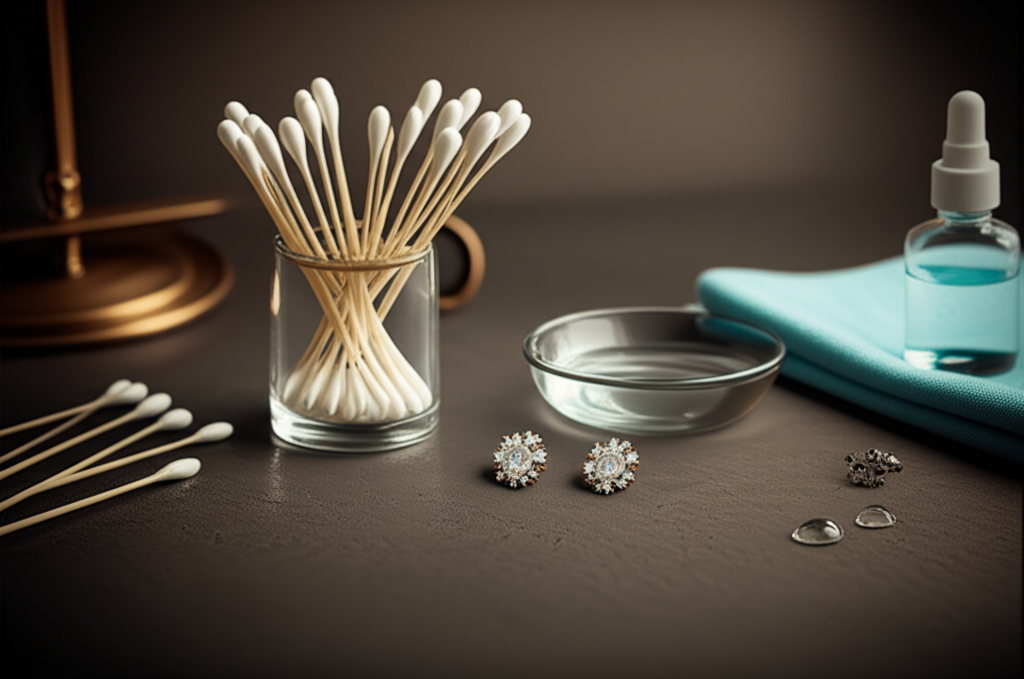
This comprehensive guide explains how to clean ears and earrings safely and effectively, using everyday tools and simple methods to maintain hygiene and sparkle. Learn proven techniques for both personal care and jewelry maintenance.
Your ears can get a bit grimy, and those beloved earrings deserve a good polish too! It’s easy to forget about ear hygiene, leading to discomfort or even infection. Similarly, earrings can lose their shine from daily wear and tear. This guide will walk you through the best, most reliable methods for cleaning both your ears and your favorite pieces of jewelry, ensuring comfort and brilliance.
Why Ear and Earring Hygiene Matters
Maintaining clean ears and earrings is crucial for both personal health and the longevity of your jewelry. Dirty ears can lead to wax buildup, discomfort, and potential infections, while tarnished earrings not only look dull but can also cause skin irritation. Regular cleaning is a simple yet effective way to prevent these issues.
Understanding Earwax: What It Is and Why It’s There
Earwax, or cerumen, is a natural and protective secretion produced by glands in your ear canal. It traps dust, dirt, and other foreign particles, preventing them from reaching your eardrum. While beneficial, excessive buildup can cause problems.
The Natural Cleaning Process of Your Ears

Your ears have a remarkable self-cleaning mechanism. Jaw movements, like chewing and talking, help to migrate old earwax from the inside of the ear canal to the outer ear, where it can then fall out or be gently wiped away. This natural process usually keeps your ears clean without any intervention.
When Earwax Buildup Becomes a Problem
Sometimes, the natural process isn’t enough, and earwax can accumulate excessively. This can happen if you produce more wax than usual, or if the wax is particularly dry or hard. Symptoms of buildup include muffled hearing, earaches, a feeling of fullness in the ear, and ringing in the ear (tinnitus).
Safe and Effective Ways How To Clean Ears
When it comes to cleaning your ears, gentleness is key. The goal is to remove excess wax without pushing it further into the ear canal or damaging the delicate structures within. Avoid using cotton swabs directly inside the ear canal, as this is a common cause of impaction.
The Right Tools for Ear Cleaning
For safe ear cleaning, focus on external hygiene and gentle methods for excess wax. You won’t need specialized tools; most items are readily available around the house.
Soft cloth or tissue: For wiping the outer ear.
Warm water: To soften wax.
Cotton balls or pads: For applying solutions.
Bulb syringe or ear syringe: For gentle flushing (use with caution and as directed by a doctor).
Over-the-counter ear drops: Specifically designed to soften earwax.
Step-by-Step Guide to Cleaning Your Ears Safely
Follow these steps to clean your ears without causing harm. Remember, the outer ear is all you need to focus on for daily hygiene.
1. Clean the Outer Ear: Use a damp, soft cloth or a cotton pad to gently wipe the outer part of your ear, including the folds and behind the ear. This removes surface debris and wax that has naturally migrated.
2. Soften Stubborn Wax (If Necessary): If you suspect a buildup, you can use a few drops of warm water, mineral oil, or a commercial earwax softening drop. Tilt your head to one side, letting a few drops fall into the ear canal. Stay in this position for 5-10 minutes to allow the solution to work.
3. Gentle Flushing (Use with Caution): After softening, you can attempt a gentle flush. Fill a bulb syringe with lukewarm water. Tilt your head over a sink or basin, with the ear you’re flushing facing down. Gently squeeze the bulb syringe to introduce water into the ear canal. Tilt your head the other way to let the water and loosened wax drain out.
4. Dry Thoroughly: Gently dry the outer ear with a soft towel or cloth.
Important Note: If you have a perforated eardrum, ear tubes, or any ear infections, consult a doctor before attempting any ear cleaning beyond wiping the outer ear. They can recommend the safest approach for your specific condition.
What NOT to Do When Cleaning Your Ears
It’s just as important to know what to avoid as it is to know what to do. Improper cleaning can lead to serious ear problems.
Never insert cotton swabs (Q-tips) into your ear canal: This is the most common mistake and can push wax deeper, causing impaction, or even puncture your eardrum.
Avoid ear candling: This practice is not scientifically proven to be effective and can cause serious burns and injuries.
Don’t use sharp objects: Never use bobby pins, keys, or any pointed objects to try and remove earwax.
Be cautious with ear drops: Always follow the instructions on over-the-counter ear drops and consult a doctor if you have any concerns.
The Art of Cleaning Your Earrings: Restoring Their Sparkle
Earrings, whether they’re delicate studs or statement pieces, can lose their luster over time due to sweat, oils, lotions, and environmental factors. Regular cleaning not only restores their shine but also prevents skin irritation, especially for those with sensitive ears.
Identifying Your Earring Material
Before you start cleaning, it’s essential to know what material your earrings are made from. Different metals and materials require different cleaning methods to avoid damage.
Gold (Pure and Alloyed): Generally durable, but alloys can react differently.
Silver (Sterling Silver): Prone to tarnishing, which is a chemical reaction with sulfur in the air.
Platinum: Very durable and resistant to tarnish.
Surgical Stainless Steel: Highly resistant to corrosion and tarnish.
Titanium: Lightweight, strong, and hypoallergenic.
Pearls, Opals, Turquoise, and other porous stones: Require very gentle cleaning as they can be damaged by harsh chemicals or prolonged soaking.
Costume Jewelry: Often made of base metals coated with gold or silver, which can wear off.
Essential Tools and Supplies for Earring Cleaning
Gathering the right supplies will make the process smoother and more effective.
Mild dish soap: A gentle cleanser for most metals.
Warm water: The base for most cleaning solutions.
Soft-bristled toothbrush: For gentle scrubbing.
Soft, lint-free cloths: For polishing and drying.
Jewelry polishing cloths: Specifically designed for metals.
Ammonia or baking soda: For tougher tarnish on certain metals (use with caution).
Rubbing alcohol: For disinfecting and cleaning certain types of jewelry.
Jewelry cleaner solutions: Available commercially for specific metals.
How To Clean Gold and Platinum Earrings
Gold and platinum are relatively durable metals, making them easier to clean.
Method:
1. Prepare a Solution: Mix a few drops of mild dish soap with warm water in a small bowl.
2. Soak: Place your gold or platinum earrings in the solution for about 10-15 minutes.
3. Gentle Scrubbing: Use a soft-bristled toothbrush to gently scrub away any dirt or grime, paying attention to crevices.
4. Rinse: Rinse the earrings thoroughly under cool running water.
5. Dry and Polish: Pat them dry with a soft, lint-free cloth. For extra shine, you can use a jewelry polishing cloth.
Pros: Effective for removing everyday dirt and restoring shine. Safe for most gold and platinum jewelry.
Cons: May not be sufficient for heavily tarnished gold or platinum.
How To Clean Silver Earrings
Silver is notorious for tarnishing, but it can be brought back to its original gleam with the right methods.
Method 1: Baking Soda Paste
1. Make a Paste: Mix baking soda with a small amount of water to form a paste.
2. Apply: Gently rub the paste onto the silver earrings with your fingers or a soft cloth.
3. Scrub Gently: Use a soft-bristled toothbrush to gently work the paste into tarnished areas.
4. Rinse: Rinse the earrings thoroughly under cool water.
5. Dry and Buff: Dry completely with a soft cloth and buff with a jewelry polishing cloth.
Method 2: Aluminum Foil and Baking Soda Bath
This is a chemical reaction that removes tarnish effectively.
1. Line a Bowl: Line a glass or ceramic bowl with aluminum foil, shiny side up.
2. Add Baking Soda: Sprinkle 1-2 tablespoons of baking soda into the bowl.
3. Add Hot Water: Pour enough hot (not boiling) water to cover the earrings.
4. Submerge Earrings: Place your silver earrings on the foil, ensuring they are submerged in the water.
5. Wait: Let them soak for a few minutes. You should see the tarnish transfer to the foil.
6. Rinse and Dry: Remove the earrings, rinse them under cool water, and dry thoroughly with a soft cloth.
Pros: Very effective at removing tarnish from silver.
Cons: The baking soda paste can be slightly abrasive if scrubbed too hard. The foil method involves a chemical reaction that can sometimes affect certain types of silver plating if left too long. Always test on an inconspicuous area if you are unsure.
How To Clean Costume Jewelry and Earrings with Stones
Costume jewelry and earrings with delicate stones require extra care. Harsh chemicals or vigorous scrubbing can damage them.
Method:
1. Gentle Cleaning Solution: Mix a very mild soap (like baby shampoo) with lukewarm water.
2. Quick Dip and Swish: Dip a soft-bristled toothbrush into the solution and gently brush the metal parts of the jewelry. Avoid soaking porous stones like pearls or opals.
3. Rinse Carefully: Use a clean, damp cloth to wipe away any soap residue. For items without delicate stones, a quick rinse under cool water is acceptable.
4. Dry Thoroughly: Pat dry immediately with a soft, lint-free cloth. Ensure no moisture remains, especially around settings or porous stones.
Important: For pearls, opals, turquoise, and other soft or porous gemstones, simply wipe them with a slightly damp, soft cloth after wearing. Avoid any soaking or harsh cleaners.
Cleaning Earring Posts and Backs
The posts and backs of earrings, especially studs, can accumulate oils and bacteria from your skin.
Method:
1. Rubbing Alcohol: Dip a cotton swab in rubbing alcohol.
2. Wipe: Gently wipe down the earring posts and the inside of the backs.
3. Air Dry: Let them air dry completely before wearing them again. This also helps disinfect them.
Pros: Quick and effective for disinfecting and cleaning small parts.
Cons: Ensure the metal is compatible with alcohol; most are, but it’s good to be mindful.
Table: Earring Material Cleaning Guide
| Earring Material | Recommended Cleaning Method | What to Avoid |
| :———————– | :————————————————————————————————————————————————————————————- | :———————————————————————————————————— |
| Gold (14K, 18K) | Mild dish soap and warm water soak, gentle brushing with soft toothbrush, rinse, dry with soft cloth. | Abrasive cleaners, harsh chemicals, ultrasonic cleaners for plated gold. |
| Platinum | Similar to gold: mild dish soap and warm water, soft toothbrush, rinse, dry. | Abrasive cleaners. |
| Sterling Silver | Baking soda paste or aluminum foil/baking soda bath. Jewelry polishing cloths for tarnish. Mild soap and water for light cleaning. | Chlorine, bleach, prolonged exposure to air without storage. |
| Surgical Stainless Steel | Mild soap and water, soft toothbrush. Rubbing alcohol for disinfection. | Harsh abrasives that can scratch the surface. |
| Titanium | Mild soap and water, soft cloth. | Abrasives. |
| Pearls | Wipe with a slightly damp, soft cloth. Avoid soaking, chemicals, perfumes, and direct heat. | Ultrasonic cleaners, ammonia, baking soda, harsh soaps, perfumes, hairspray. |
| Opals, Turquoise etc. | Wipe with a soft, dry or slightly damp cloth. Avoid soaking and chemicals. | Ultrasonic cleaners, steam cleaners, harsh chemicals, extreme temperature changes. |
| Costume Jewelry | Very mild soap and water, gentle wiping with a soft cloth. Rubbing alcohol on a cotton swab for posts if needed. | Soaking, harsh cleaners, abrasive scrubbing, anything that might remove plating. |
Maintaining Ear and Earring Hygiene Between Cleanings
Consistent, small efforts can go a long way in keeping your ears comfortable and your earrings sparkling.
Daily Ear Care Habits
Simple daily practices can significantly reduce the need for deep cleaning.
Wipe the Outer Ear: After showering or washing your face, gently wipe the outer parts of your ears with a soft towel. This removes any sweat or product residue.
Be Mindful of Products: Try to avoid getting lotions, shampoos, or hairsprays directly into your ear canal, as these can contribute to wax buildup and irritation.
Regular Earring Maintenance
Keeping your earrings in good condition is easy with a few regular habits.
Wipe After Wearing: After taking off your earrings, give them a quick wipe with a soft cloth to remove any oils or sweat from the day.
Store Properly: Store your earrings in a dry, safe place, preferably in individual compartments or pouches, to prevent scratching and tarnishing. This is especially important for sterling silver. Consider using anti-tarnish strips for silver jewelry storage.
When to Seek Professional Help for Ear Issues
While most ear issues can be managed at home, there are times when professional medical attention is necessary.
Signs of Ear Infection or Serious Buildup
If you experience any of the following symptoms, it’s best to consult a doctor or an audiologist:
Severe ear pain or throbbing.
Discharge from the ear (pus or blood).
Sudden hearing loss.
Dizziness or vertigo.
A persistent feeling of fullness or pressure that doesn’t resolve.
Fever accompanying ear symptoms.
A healthcare professional can safely examine your ears and provide appropriate treatment, such as professional earwax removal or medication for infections.
Professional Earwax Removal
For significant earwax impaction, a doctor can perform safe removal techniques, including:
Manual removal: Using specialized instruments like curettes or suction devices.
Irrigation: Using controlled water flushes.
These methods are far safer and more effective than DIY attempts when dealing with severe buildup.
Frequently Asked Questions (FAQs)
How often should I clean my ears?
For most people, cleaning the outer ear with a cloth after showering is sufficient. Deep cleaning or using drops is only necessary if you experience symptoms of wax buildup, and it’s best to consult a doctor before doing so.
Can I use hydrogen peroxide to clean my ears?
Diluted hydrogen peroxide (3%) can be used as an earwax softener, but it should be used sparingly and with caution, as it can sometimes cause irritation. Always consult a doctor before using it.
How often should I clean my earrings?
Clean your earrings as needed. For everyday earrings, a quick wipe after wearing is good. For more valuable or sensitive pieces, or if you notice them looking dull, a more thorough cleaning every few months is recommended.
Can I wear earrings if I have sensitive skin or allergies?
Yes, look for earrings made from hypoallergenic materials like surgical stainless steel, titanium, niobium, or sterling silver. Ensure the posts and backs are also made of these materials.
My silver earrings are very tarnished. Will the baking soda method damage them?
The baking soda and aluminum foil methods are generally safe for sterling silver. However, if your silver jewelry has a special plating or antique finish, it’s best to test the method on an inconspicuous area first or consult a jeweler.
Conclusion: Keeping Your Ears Healthy and Your Jewelry Gleaming
Mastering how to clean ears and earrings is a simple yet vital skill for maintaining personal hygiene and the beauty of your cherished accessories. By understanding the natural processes of your ears and employing gentle, effective cleaning techniques for your jewelry, you can prevent discomfort and keep everything looking its best. Remember to always prioritize safety, especially when dealing with your ears, and don’t hesitate to seek professional advice when needed. Consistent, mindful care will ensure your ears remain healthy and your earrings continue to shine for years to come.
