


Published on: October 15, 2025 | Updated on: October 15, 2025
Air Purifying Plants For Office: Essential & Proven Boost for Your Workspace
Breathe easier and boost productivity with air purifying plants for your office. Discover easy-care, effective options proven to clean your air and enhance your workspace.
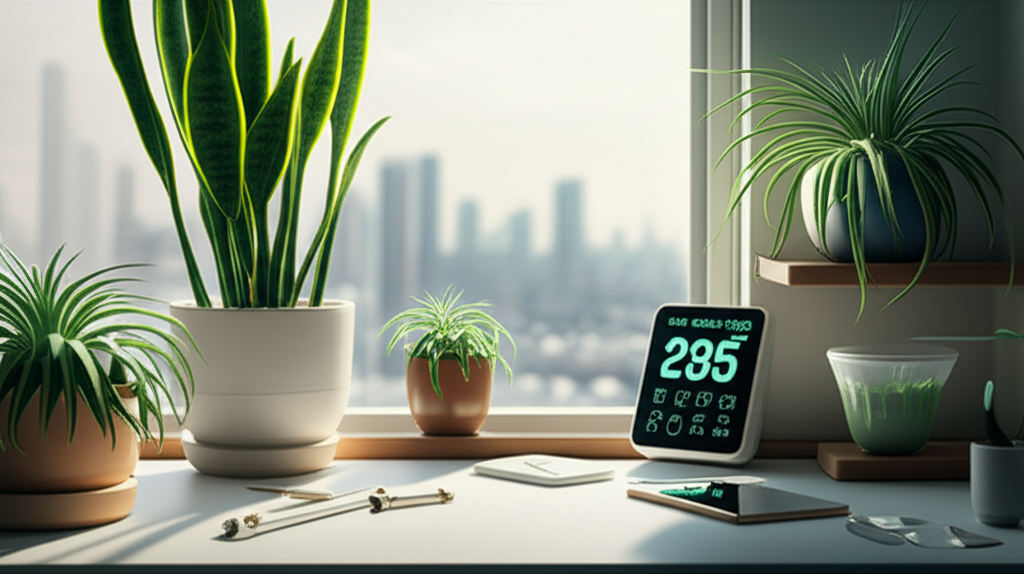
Welcome! Is your office air feeling a bit stale? Many home offices can trap indoor pollutants. This can make you feel tired or less focused. But there’s a simple, natural solution that also adds beauty. We’ll explore the best air purifying plants for your office. These green friends will help you feel better and work smarter.
Why Plants Matter in Your Office Space

Plants do more than just look nice. They actively clean the air around us. This is especially important in our offices. Indoor air can hold many tiny particles we can’t see. These particles come from furniture, electronics, and even cleaning supplies. Plants act like natural filters. They take in some of these particles. This leaves your office air fresher and cleaner.
The Science Behind Plant Air Purification
Scientists have studied how plants clean air. NASA even did a big study on this. They found that certain plants can remove toxins. These toxins are chemicals like formaldehyde and benzene. These chemicals are often found indoors. Plants absorb these through their leaves and roots. Then, they break them down into harmless substances. It’s like having a tiny, living air filter right on your desk.
Common Indoor Pollutants and Their Sources
Our offices can have several types of pollutants. Formaldehyde is one. It’s in some carpets and furniture. Benzene is another. It can be in plastics and inks. Xylene and ammonia are also common. These can come from paints, cleaning products, and even some air fresheners. These pollutants can affect our health and focus. They can cause headaches or make it hard to concentrate.
Top Air Purifying Plants for Your Office
Not all plants are equal when it comes to cleaning air. Some are much better than others. I’ve picked some of the easiest and most effective ones. They are also quite stylish. You don’t need a green thumb to keep them alive.
Snake Plant (Sansevieria trifasciata)
The snake plant is a superstar for air purification. It’s incredibly hardy. It can also survive in low light. This plant is great at removing toxins like formaldehyde. It also releases oxygen at night. This is unusual for most plants. This makes it a perfect bedroom or office companion.
Easy Care: Needs very little water.
Toxin Removal: Excellent for formaldehyde and benzene.
Low Light Tolerant: Thrives even in dim corners.
Oxygen Production: Releases oxygen at night.
Snake plants are a wise choice for busy people. They clean your air with minimal fuss.
Spider Plant (Chlorophytum comosum)
Spider plants are very popular for good reason. They are easy to grow. They also produce little baby plants called spiderettes. These can be easily replanted. Spider plants are good at cleaning the air. They help remove formaldehyde and xylene. They don’t need much special care.
Beginner Friendly: Very forgiving of mistakes.
Air Cleaner: Removes common toxins like formaldehyde.
Propagation: Easy to grow more plants from it.
Non-Toxic: Safe if you have pets or children.
Adding a spider plant brings life and clean air to your desk. It’s a simple way to improve your workspace.
Peace Lily (Spathiphyllum)
The peace lily is a beautiful plant. It has elegant white flowers. It’s also a strong air purifier. It can remove toxins like benzene, formaldehyde, and ammonia. Peace lilies prefer more shade than direct sun. They also like their soil to be kept moist. They will droop a bit when they need water. This is a clear sign.
Elegant Appearance: Adds beauty with its white blooms.
Effective Purifier: Tackles several common indoor toxins.
Indicator Plant: Tells you when it needs water.
Moderate Light Needs: Prefers indirect light.
A peace lily adds a touch of calm and clean air. It’s a lovely addition to any office.
ZZ Plant (Zamioculcas zamiifolia)
The ZZ plant is another tough choice. It can handle very low light. It also tolerates drought well. This makes it ideal for forgetful plant owners. It’s known for its glossy, dark green leaves. The ZZ plant can help filter out toxins like xylene and benzene. It’s a very resilient office plant.
Extremely Hardy: Tolerates neglect and low light.
Aesthetic Appeal: Shiny leaves add a modern touch.
Air Filtering: Helps remove common office pollutants.
Drought Tolerant: Doesn’t need frequent watering.
If you want a plant that thrives on neglect, choose the ZZ plant. It will clean your air reliably.
Pothos (Epipremnum aureum)
Pothos, also known as devil’s ivy, is very easy to grow. It can grow in hanging baskets or on shelves. Its vines can trail beautifully. Pothos is effective at removing formaldehyde and other toxins. It’s quite forgiving if you forget to water it sometimes. It can grow in various light conditions.
Versatile Growth: Trails nicely or can be shaped.
Air Purifying: Good at removing formaldehyde.
Easy to Propagate: Grow new plants from cuttings.
Adaptable: Grows in many light levels.
Pothos is a classic choice for a reason. It brings greenery and cleaner air with little effort.
Areca Palm (Dypsis lutescens)
The Areca palm is a larger plant. It can bring a tropical feel to your office. It’s a great air purifier. It helps remove toxins and also adds moisture to the air. This can be good for dry office environments. It needs bright, indirect light and consistent watering.
Air Moisturizer: Adds humidity to dry spaces.
Large Presence: Can fill a corner nicely.
Effective Purifier: Removes toxins and CO2.
Tropical Vibe: Brings a natural, calming feel.
For a bigger impact, consider the Areca palm. It enhances both air quality and office mood.
How to Choose the Right Air Purifying Plants for Your Office
Selecting the perfect plant is easy. Think about your office’s conditions. Consider how much light you have. Also, think about how much time you have for care.
Assessing Your Office Light Conditions
Light is crucial for plant health. Some plants need bright, direct sun. Others prefer shade or indirect light. Most offices don’t have much direct sun. Plants like the snake plant and ZZ plant are perfect. They do well in lower light. Peace lilies and pothos also tolerate lower light. Areca palms need more light.
Watering Needs and Your Schedule
Be honest about your watering habits. If you’re often busy, choose drought-tolerant plants. Snake plants and ZZ plants need water very rarely. Spider plants and pothos are also forgiving. Peace lilies need more regular watering. Areca palms need consistent moisture.
Space and Size Considerations
How much space do you have? A small desk might only fit a small plant. A larger office can accommodate a floor plant. Snake plants and ZZ plants come in various sizes. Spider plants and pothos are good for desks or shelves. Areca palms are best for floor space.
Aesthetic and Decor Style
Plants can enhance your office style. Do you like a modern look? A ZZ plant or snake plant works well. Prefer a more natural, lush feel? An Areca palm or peace lily might be better. Choose plants that complement your existing decor.
Caring for Your Office Plants: Simple Tips
Keeping your air purifying plants healthy is simple. A few basic steps will ensure they thrive.
Watering Best Practices
Don’t overwater your plants. This is a common mistake. Let the soil dry out between waterings. Stick your finger in the soil. If it feels dry an inch down, it’s time to water. Use room-temperature water.
Light Requirements Revisited
Place your plants where they get the right light. Rotate them occasionally. This helps them grow evenly. If a plant looks leggy, it might need more light. If leaves turn yellow, it might be getting too much sun.
Fertilizing and Feeding
Most air purifying plants don’t need much fertilizer. Once or twice a year during spring or summer is enough. Use a balanced liquid fertilizer diluted to half strength. Over-fertilizing can harm the plant.
Dealing with Pests
Pests are rare in office plants. If you see any, act fast. Wipe leaves with a damp cloth. You can also use insecticidal soap. Isolate the affected plant. Good care prevents most pest problems.
The Benefits Beyond Air Quality
Plants offer more than just cleaner air. They can positively impact your mood and work.
Boosting Productivity and Focus
Studies show plants can improve concentration. They can reduce stress levels. This makes it easier to focus on tasks. A greener workspace can feel more inspiring. This can lead to better work output.
Reducing Stress and Improving Mood
Looking at greenery can be calming. It can lower blood pressure. This helps reduce feelings of stress. A happier mood can make work more enjoyable. Plants bring a sense of nature indoors. This connection can be very beneficial.
Enhancing Office Aesthetics and Well-being
Plants add natural beauty to any space. They make an office feel more welcoming. They can transform a sterile environment. This creates a more pleasant place to spend time. Overall well-being gets a boost.
Common Mistakes to Avoid with Office Plants
Even with the best intentions, mistakes happen. Learning from them helps your plants thrive.
Overwatering is the Biggest Killer
As mentioned, too much water is bad. It can lead to root rot. This is a serious problem for plants. Always check soil moisture before watering.
Ignoring Light Needs
Placing a plant in the wrong light is a mistake. A sun-loving plant in a dark corner will suffer. A shade-loving plant in direct sun will burn. Match the plant to the light.
Choosing the Wrong Plant for Your Lifestyle
If you travel a lot or are very busy, don’t pick a high-maintenance plant. Opt for hardy, low-care varieties. Snake plants and ZZ plants are perfect for this.
Where to Place Your Air Purifying Plants
Strategic placement maximizes benefits. Think about where you spend most of your time.
Desk Area for Immediate Impact
Placing a small plant on your desk is great. You can easily enjoy its presence. It’s close enough to benefit from its air-cleaning effects. A small snake plant or spider plant works well.
Near Electronics for Air Filtration
Electronics can sometimes release small amounts of toxins. Placing plants near computers or printers can help. They can filter the air in that specific zone.
Corners and Shelves for Visual Appeal
Larger plants can fill empty corners. Trailing plants look lovely on shelves. This adds greenery without taking up desk space. It improves the overall look of your office.
Integrating Plants with Your Workspace Design
Plants are more than just décor; they are part of your workspace.
Minimalist Office with a Green Touch
Even a minimalist office can have plants. Choose sleek, simple pots. A single ZZ plant or snake plant can add life. It won’t clutter the clean lines.
Ergonomic Setup and Plant Placement
Your ergonomic chair and desk are key. Ensure plants don’t block your view. They should be accessible for care. A plant can add a calming element to your focused workspace.
Lighting Solutions for Plant Growth
If natural light is scarce, consider grow lights. Small LED grow lights can fit easily. They provide the light plants need. This allows you to place plants anywhere.
FAQ: Your Air Purifying Plant Questions Answered
Here are answers to common questions about office plants.
Q1: How many plants do I need for my office?
You don’t need many. One or two well-placed plants can make a difference. For larger spaces, consider three to five. Focus on quality and placement over quantity.
Q2: Can plants really make a difference in air quality?
Yes, research shows they can. While they won’t replace an air purifier, they contribute. They remove common indoor toxins naturally. They also release oxygen.
Q3: Are air purifying plants safe for pets?
Some popular air purifying plants are toxic to pets. Snake plants and peace lilies can be harmful if ingested. Spider plants and ZZ plants are generally safer. Always check if a plant is pet-safe.
Q4: Do I need special soil for these plants?
No, standard potting soil works fine. Ensure the pot has drainage holes. This helps prevent waterlogged roots. Good drainage is more important than special soil.
Q5: What if my office has no windows?
You can still have plants! Choose very low-light tolerant plants like the ZZ plant or snake plant. You will likely need to supplement with a grow light. This ensures they get enough energy.
Q6: How often should I clean plant leaves?
Wipe the leaves gently with a damp cloth once a month. This removes dust. Dust can block sunlight and air pores. Clean leaves help the plant breathe and photosynthesize better.
Conclusion: Green Up Your Workspace for a Healthier You
Adding air purifying plants for your office is a simple yet powerful upgrade. They are essential for a healthy and productive workspace. These green companions don’t just look good. They actively clean your air. They reduce stress and boost your focus. Choosing the right plants and giving them basic care is easy. Even with a busy schedule, you can enjoy their benefits. Start with one or two hardy plants. Watch how they transform your office environment. Embrace the natural power of plants for a better workday.
