


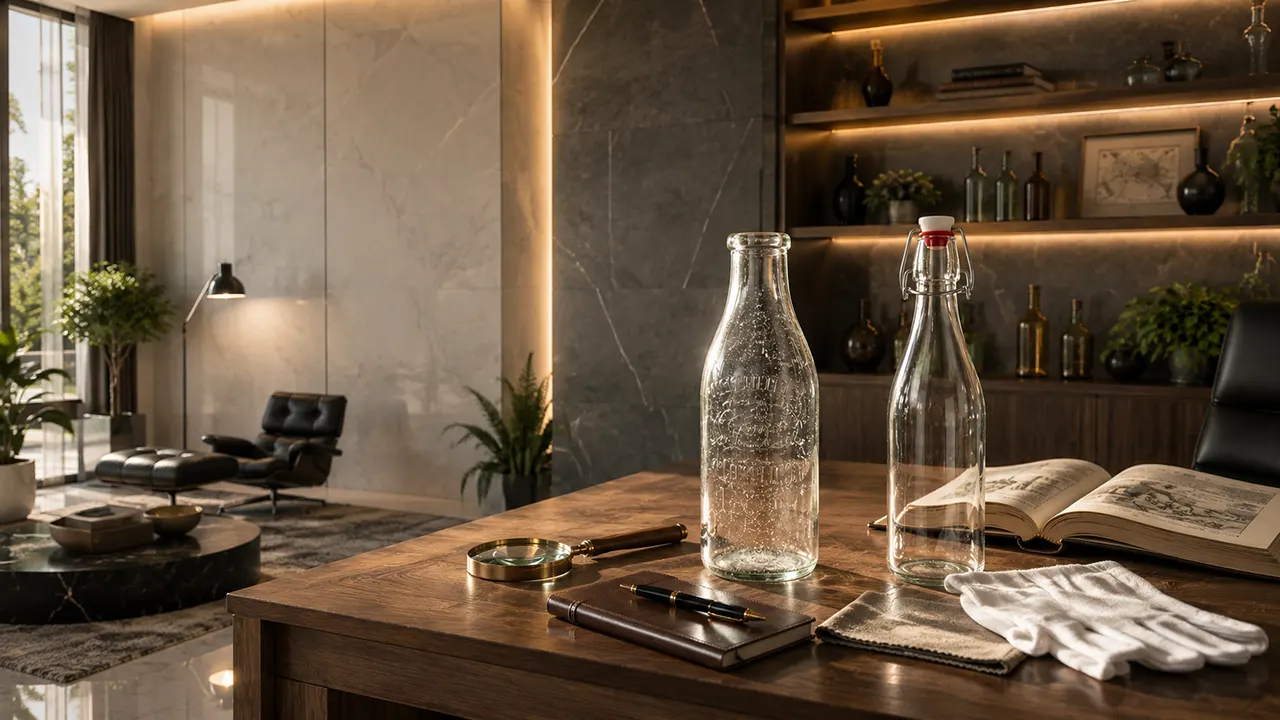
Yes, old glass bottles can be worth anything from a few dollars to several thousand dollars, depending on their age, rarity, color, condition, historical significance, and collector demand. Antique hand-blown bottles, embossed local dairy bottles, rare-colored glass, and well-preserved examples are generally the most valuable, while common machine-made bottles usually have modest resale value.
Let’s see first…
If you’ve found an old glass bottle while cleaning an attic, exploring an old property, digging in your yard, or browsing a flea market, you’re probably wondering: are old glass bottles worth anything?
The short answer is yes – but only some bottles have significant collector value. While many old bottles are common household items worth only a few dollars, others can attract serious interest from collectors because of their rarity, age, color, embossing, or historical background.
Knowing what separates a valuable bottle from an ordinary one isn’t always obvious. Two bottles that look almost identical can have dramatically different values.
This guide explains how experts identify valuable bottles, how to estimate their worth, what makes old quart milk bottles collectible, and where to sell them if you discover something special. You’ll also learn common mistakes that can reduce a bottle’s value before it ever reaches a collector.
Are Old Glass Bottles Worth Anything?
Yes, some old glass bottles are highly collectible, while others have little monetary value. A bottle’s worth depends on a combination of factors – including rarity, age, color, condition, manufacturing method, and collector demand rather than age alone.
Many people assume every old bottle is valuable, but experienced collectors evaluate several characteristics before determining whether a bottle deserves closer attention.
Bottles are generally more desirable when they have:
- Hand-blown construction
- Rare glass colors
- Embossed company or dairy names
- Limited production runs
- Historical significance
- Excellent condition
- Strong collector demand
For example, an embossed bottle from a small local dairy that operated for only a few years may be worth considerably more than a plain bottle that is much older.
Collector’s Tip: Don’t judge a bottle by its age alone. A rare bottle from the early 1900s often commands more interest than a common bottle from the late 1800s because scarcity usually matters more than age.
Why Most Old Bottles Aren’t Worth Much
Not every bottle found in a garage or basement is a collectible.
Millions of machine-made bottles were produced throughout the twentieth century, and many survive today. Common beverage bottles, food jars, and pharmaceutical containers often have limited value simply because collectors can find them easily.
That doesn’t make them worthless. Decorative appeal, family history, or local significance may still make them worth keeping, even if they aren’t especially valuable on the collector market.
The Biggest Myth About Bottle Values
One of the most common misconceptions is that every bottle over 100 years old is automatically valuable.
In reality, collectors usually ask questions such as:
- Is it rare?
- Is it embossed?
- Is the color unusual?
- Is it in excellent condition?
- Does it represent an important business or historical period?
- How many similar bottles are available today?
Only after answering these questions can you make a realistic estimate of value.
How Can You Tell If a Glass Bottle Is Valuable?
The easiest way to determine whether a glass bottle is valuable is to evaluate six key characteristics: age, rarity, color, condition, manufacturing method, and historical significance. Together, these factors provide a much more reliable estimate than age alone.
1. Estimate the Bottle’s Age
Older bottles often attract more collector interest, particularly those produced before automatic bottle-making machines became common.
Useful clues include:
- Pontil marks
- Mold seams
- Bottle lip or finish style
- Manufacturer’s marks
- Embossed company names
- Historical business information
Learning how bottles were manufactured can often narrow their production date to a specific period.
2. Look for Unusual Glass Colors
Color is one of the first characteristics experienced collectors notice.
Generally, these colors receive the strongest interest:
| Glass Color | Typical Collector Interest |
|---|---|
| Cobalt Blue | Very High |
| Amber | High |
| Emerald Green | High |
| Purple (Sun-Colored Amethyst) | High |
| Uranium Glass | Specialty Market |
| Aqua | Moderate |
| Clear | Usually Common |
Although color alone doesn’t determine value, unusual colors combined with rarity often make a bottle much more desirable.
3. Check for Embossed Lettering
Embossed bottles usually provide valuable clues about their history.
Look for:
- Dairy names
- Medicine companies
- Local businesses
- Patent information
- Manufacturer logos
- City and state names
Even a small town name embossed into the glass can help identify a bottle that was produced in limited numbers.
Expert Insight: Tiny embossing, mold numbers, and maker’s marks are much easier to read under bright angled light with a handheld magnifier. Avoid rubbing dirt away with hard tools, as scratches can permanently reduce collector appeal.
4. Inspect the Overall Condition
Condition plays a major role in collector value.
Carefully check for:
- Chips
- Cracks
- Repairs
- Heavy scratches
- Interior staining
- Cloudiness
Minor wear is expected on antique bottles, but structural damage generally lowers collector interest.
5. Consider Historical Significance
Some bottles are desirable because of the stories behind them rather than their appearance.
Collectors often seek bottles connected to:
- Small-town dairies
- Historic pharmacies
- Mineral springs
- Breweries
- Railroad companies
- Regional manufacturers
The more unique the history, the stronger the collector interest may be.
6. Compare Recently Sold Examples
After identifying your bottle, compare it with recently sold examples rather than active listings.
Pay attention to matching:
- Shape
- Size
- Glass color
- Embossing
- Manufacturer
- Condition
Sold listings provide a much more realistic picture of market demand than asking prices, which may never result in a sale.
The 5-Minute Bottle Value Checklist
Before spending hours researching an old bottle, perform a quick inspection. This simple five-minute process helps identify the characteristics that collectors value most and tells you whether the bottle deserves further investigation.
Step 1: Examine the Shape
Start by asking:
- Is the shape unusual?
- Does it resemble a medicine, milk, soda, or poison bottle?
- Does it have decorative features?
Distinctive shapes often indicate collectible bottle categories.
Step 2: Identify the Glass Color
Place the bottle under natural light and identify its color.
Rare colors frequently attract stronger collector demand than ordinary clear glass.
Step 3: Read Every Embossed Mark
Record any information you find, including:
- Company name
- Dairy name
- City
- State
- Manufacturer
- Patent details
These markings often provide the fastest path to accurate identification.
Step 4: Inspect the Base and Mold Seams
Look carefully for:
- Pontil marks
- Seam height
- Mold numbers
- Maker’s marks
These manufacturing details help estimate both age and production method.
Step 5: Evaluate the Condition
Finally, inspect the bottle for:
- Chips
- Cracks
- Repairs
- Heavy scratches
- Staining
A well-preserved bottle almost always attracts more interest than one with significant damage.
Worth Knowing: Resist the urge to scrub a newly discovered bottle immediately. Dirt can often be removed safely later, but scratches, chemical damage, and worn embossing cannot be reversed. Careful handling protects both the bottle and its potential value.
How to Date an Old Glass Bottle
Dating an old glass bottle is one of the fastest ways to estimate its potential value. Collectors examine manufacturing details such as pontil marks, mold seams, lip finishes, and maker’s marks to determine when and how a bottle was made.
Look for a Pontil Mark
A pontil mark is a scar left on the bottom of many hand-blown bottles after they were removed from the pontil rod during manufacturing.
If your bottle has a clear pontil mark, it was likely made before automatic bottle-making became common, making it more appealing to collectors. However, not every hand-blown bottle has a visible pontil scar, so this should be considered alongside other features.
Check the Mold Seams
One of the simplest dating methods is following the mold seam.
- If the seam stops below the neck, the bottle is generally older and may have been hand-finished.
- If the seam runs through the lip to the top, the bottle was likely machine-made.
This doesn’t automatically determine value, but it helps narrow the production period.
Examine the Lip or Finish
Bottle finishes changed as manufacturing methods evolved.
Common finishes include:
- Applied lips
- Tooled lips
- Machine-made finishes
An applied lip often suggests an older bottle because it was attached by hand after the bottle body was formed.
Search for Maker’s Marks
Many manufacturers embossed logos or symbols on the bottle base.
These marks can help identify:
- The manufacturer
- Production location
- Approximate production period
- Bottle type
Combining maker’s marks with embossing often leads to much more accurate identification.
Collector’s Note: Never rely on a single dating clue. Experienced collectors combine manufacturing methods, embossing, bottle shape, and historical research before estimating a bottle’s age.
Understanding Bottle Colors and Their Impact on Value
Glass color can significantly influence collector demand. While clear bottles are common, unusual colors often attract stronger interest because they were produced in smaller numbers or have become scarce over time.
Common Glass Colors
These colors are frequently encountered:
- Clear
- Aqua
- Light green
- Brown
Many household bottles were manufactured in these colors, making them relatively easy to find.
Rare and Desirable Colors
Collectors often pay closer attention to bottles made from:
- Cobalt blue glass
- Amber glass
- Emerald green glass
- Sun-colored amethyst (purple)
- Yellow-green uranium glass
Rare colors don’t guarantee high value, but when combined with rarity and excellent condition, they can dramatically increase collector interest.
Why Color Matters
Historically, glass color depended on available minerals and manufacturing techniques.
Some colors were expensive to produce, while others appeared only during certain periods or for specific products. As a result, certain colors have become highly sought after by collectors today.
Worth Knowing: A rare color won’t overcome heavy damage. Collectors usually prefer an uncommon bottle in excellent condition over a damaged bottle with an attractive color.
Old Quart Milk Bottles: Are They Worth Anything?
Yes, old quart milk bottles can be collectible, especially when they feature embossed dairy names, limited production runs, unusual designs, or strong local historical connections. While many common examples have modest value, rarer bottles are actively sought by milk bottle collectors.
Why Collectors Like Old Quart Milk Bottles
Milk bottles capture local history in a way few other collectibles can.
Many were produced for neighborhood dairies that disappeared decades ago, making surviving examples valuable historical artifacts.
Collectors often appreciate them because they display:
- Local dairy names
- Town and state information
- Decorative embossing
- Unique bottle shapes
- Original caps or closures
A bottle from a small family-owned dairy is often more interesting than one produced by a large national company.
Antique Quart Milk Bottles
Generally, antique quart milk bottles are older examples that were produced before modern mass manufacturing became widespread.
Collectors evaluate them based on:
- Embossed lettering
- Age
- Condition
- Local history
- Manufacturing method
- Rarity
Examples from short-lived dairies or businesses that served a limited region often generate the greatest collector interest.
Vintage Quart Glass Milk Bottles
Not every vintage bottle qualifies as an antique.
Many vintage quart glass milk bottles were produced during the mid-twentieth century and remain popular with collectors because of their attractive designs and nostalgic appeal.
Although they are more common, bottles with colorful graphics, distinctive embossing, or limited regional distribution can still be desirable.
Original Caps and Labels Can Matter
Many collectors focus almost entirely on the glass bottle itself, but original accessories may also add interest.
These include:
- Paper caps
- Metal closures
- Original labels
- Dairy crates
- Matching bottle sets
Keeping these items together preserves historical context and may improve collectibility.
Expert Insight: Before cleaning an old milk bottle, carefully photograph every embossed detail and original marking. If you later decide to sell it online, clear photographs help buyers verify authenticity and reduce questions about condition.
The Most Valuable Types of Antique Glass Bottles
Some categories of antique bottles consistently attract stronger collector demand because they are rarer, historically important, or visually distinctive. Understanding these categories helps you recognize bottles that deserve closer evaluation.
Antique Medicine Bottles
Medicine bottles often feature embossed company names, unusual shapes, and detailed manufacturing characteristics.
Collectors appreciate examples from small pharmacies, early pharmaceutical companies, and discontinued products.
Bitters Bottles
Bitters bottles are among the most recognizable antique bottles.
Many feature elaborate shapes, decorative embossing, and colorful glass that make them highly collectible.
Antique Soda Bottles
Early soda bottles often display embossed logos and local bottling company names.
Examples from small regional bottlers generally attract more interest than bottles from companies that produced millions of identical containers.
Poison Bottles
Poison bottles were intentionally designed with distinctive shapes or textured surfaces so they could be identified in low light.
Their unusual appearance makes them popular among collectors today.
Historical Flasks
Historical flasks frequently commemorate political figures, important events, or patriotic themes.
Collectors often value these bottles for both their historical significance and artistic designs.
Milk Bottles
Although many milk bottles were mass-produced, embossed local dairy bottles continue to enjoy steady collector interest because each one represents a piece of community history.
Collector’s Tip: Don’t overlook local bottles simply because they aren’t famous. Regional collectors often pay the strongest attention to bottles connected to businesses from their own area.
How Bottle Condition Affects Value
Condition is one of the biggest factors influencing an old glass bottle’s value. Even a rare bottle can lose much of its collector appeal if it has cracks, repairs, or heavy damage, while a common bottle in exceptional condition may be more desirable than expected.
Damage Collectors Look For
Before estimating value, carefully inspect the bottle for:
- Chips around the lip
- Hairline cracks
- Repairs or glued sections
- Heavy scratches
- Internal staining
- Surface cloudiness
- Bruises or impact marks
Small signs of age are expected, especially on bottles that have been buried or stored for decades. Structural damage, however, usually has a much greater effect on value than normal wear.
Does Dirt Reduce Value?
Not necessarily.
Collectors understand that bottles recovered from old homes, farms, or dump sites often contain soil or mineral deposits. In many cases, a dirty bottle is preferred over one that has been aggressively cleaned and scratched.
Should You Restore an Antique Bottle?
Restoration is rarely recommended unless performed by an experienced conservator.
Replacing broken pieces, polishing scratches, or attempting to “improve” the bottle can permanently reduce its authenticity and make collectors less interested.
Common Mistake: Trying to make an antique bottle look brand new often lowers its collector appeal. Original condition is usually more valuable than an over-restored appearance.
Should You Clean an Old Bottle?
Yes, but only with great care. Cleaning can improve a bottle’s appearance and make markings easier to read, but harsh chemicals, abrasive tools, and aggressive scrubbing may permanently damage the glass or reduce its collector value.
Start With the Gentlest Method
Begin by rinsing the bottle with clean, lukewarm water to remove loose dirt.
If additional cleaning is necessary, use:
- A soft bottle brush
- Mild dish soap
- Soft microfiber cloths
- Warm water
Avoid forcing brushes through narrow necks or using excessive pressure.
What You Should Never Use
Some cleaning methods can permanently damage antique glass.
Avoid:
- Steel wool
- Wire brushes
- Bleach
- Strong acids
- Power tools
- Abrasive polishing compounds
These materials may scratch the surface or remove the aged character that many collectors appreciate.
Removing Mineral Deposits
Hard water deposits often develop inside bottles that have been buried or stored for many years.
If deposits are difficult to remove, stop before risking damage. A professionally preserved bottle is generally worth more than one that has been over-cleaned.
Cleaning Before Selling
If you plan to sell the bottle, clean only enough to reveal important details such as embossing and maker’s marks.
A soft bottle-cleaning brush designed for narrow glass containers can help remove loose dirt without scratching the interior, making it easier for potential buyers to inspect photographs and read embossed lettering.
Expert Advice: When in doubt, clean less. Collectors can overlook dirt much more easily than scratches or damaged glass.
Where to Sell Valuable Glass Bottles
Once you’ve identified a potentially valuable bottle, choosing the right selling platform can make a noticeable difference in both the final price and the type of buyers you reach.
Online Marketplaces
Online marketplaces expose your bottle to a large audience of collectors.
They’re often the best choice for:
- Rare bottles
- Embossed dairy bottles
- Antique medicine bottles
- Colored glass bottles
- Specialized collectibles
Before creating a listing, research recently sold examples to understand current market demand.
Antique Dealers
If you prefer a quick sale, a reputable antique dealer may be a good option.
Dealers can often identify unusual bottles immediately, although they typically need room for resale profit, so offers may be lower than private-market prices.
Bottle Shows and Collector Clubs
Collector events attract buyers who understand bottle history and rarity.
These venues are especially useful for uncommon bottles that general antique buyers may overlook.
Auction Houses
Rare bottles with exceptional provenance, unusual colors, or strong historical significance may perform well through specialized antique auctions.
Auction houses also provide exposure to experienced collectors who actively seek museum-quality pieces.
Photographing Bottles for Sale
Clear photographs help buyers evaluate condition before asking questions.
Include images of:
- Front
- Back
- Base
- Lip
- Embossing
- Damage, if any
Using bright, indirect lighting and a stable phone stand or tripod often produces sharper images that better showcase embossed details and overall condition.
Worth Knowing: Honest photographs usually lead to faster sales than heavily edited images. Collectors appreciate accurate representations of chips, wear, and other imperfections.
Common Mistakes That Reduce a Bottle’s Value
Many valuable bottles lose collector appeal because of avoidable mistakes. Understanding these pitfalls can help preserve both historical integrity and potential resale value.
Assuming Every Old Bottle Is Rare
Age alone doesn’t create value.
A machine-made bottle produced in large quantities may be much less collectible than a rarer bottle made only a few decades later.
Ignoring Embossed Information
Many beginners focus only on the bottle’s shape.
However, the embossed dairy name, pharmacy, or local business often provides the most important clue to rarity.
Using Asking Prices as Market Value
Online listings sometimes show unrealistic prices that never result in a sale.
Recently completed sales provide a much more reliable estimate of what collectors are actually paying.
Throwing Away Original Accessories
If your bottle still includes its:
- Original cap
- Stopper
- Label
- Carrier
- Wooden crate
keep them together whenever possible.
Complete sets often attract more collector interest than the bottle alone.
Cleaning Too Aggressively
Over-cleaning remains one of the most common mistakes.
Once embossing becomes worn or the surface is scratched, the damage cannot be reversed.
Collector’s Note: If you’re uncertain about a bottle’s rarity, document it with clear photographs before doing anything else. You can always clean a bottle later, but you can’t restore original surface details once they’re damaged.
Expert Tips for Maximizing Bottle Value
Collectors consistently follow a few best practices that help preserve both historical significance and resale potential.
- Handle bottles with clean, dry hands whenever possible.
- Store bottles upright in a cool, dry location away from direct sunlight.
- Avoid stacking bottles directly against one another.
- Keep original labels, caps, and accessories.
- Research maker’s marks before assuming a bottle is common.
- Compare your bottle with recently sold examples instead of active listings.
- Document where the bottle was found, especially if it came from a historic property or local business.
- Consider a professional appraisal before selling an unusually rare or historically important bottle.
Expert Insight: The highest-value bottles are rarely discovered because they look expensive. They’re discovered because someone took the time to identify their history, rarity, and unique characteristics instead of judging them by appearance alone.
Frequently Asked Questions
Are old glass bottles worth anything?
Yes. Some old glass bottles are worth only a few dollars, while others can be worth hundreds or even thousands. Their value depends on factors such as rarity, age, color, condition, embossing, historical significance, and current collector demand. A rare embossed bottle from a small local business often attracts more interest than a common mass-produced bottle.
How can you tell if a glass bottle is valuable?
Start by examining the bottle’s age, manufacturing method, color, condition, and embossed markings. Then compare it with recently sold examples of similar bottles. Collectors also consider rarity, historical importance, and whether original labels or closures are still present.
Are old quart milk bottles worth money?
Yes, some old quart milk bottles are collectible. Bottles embossed with the names of local dairies, regional creameries, or businesses that operated for only a short time are generally more desirable than plain, mass-produced bottles. Their condition and rarity also play an important role in determining value.
What’s the difference between antique and vintage quart milk bottles?
Although definitions vary among collectors, antique quart milk bottles are generally older examples, while vintage quart glass milk bottles are newer but still considered collectible because of their age, design, or historical appeal. Both can be valuable if they are rare, well-preserved, and connected to a notable dairy or region.
What color glass bottles are the most valuable?
Collectors often seek bottles made from cobalt blue, amber, emerald green, purple (sun-colored amethyst), and uranium glass. However, color alone doesn’t determine value. A rare clear bottle with unique embossing may be worth more than a common bottle made from an uncommon color.
Does cleaning an old bottle increase its value?
Not always. Gentle cleaning can make embossing easier to read and improve presentation, but aggressive scrubbing, abrasive materials, or harsh chemicals can permanently damage the glass. When you’re unsure, it’s safer to clean conservatively and preserve the bottle’s original surface.
Where can I sell valuable old glass bottles?
Popular options include online marketplaces, antique dealers, bottle collector clubs, specialized auctions, flea markets, and antique shows. Before selling, compare your bottle with recently completed sales rather than active listings to get a more accurate idea of current market value.
Should I get my bottle professionally appraised?
If your bottle appears unusually rare, has exceptional historical significance, or closely resembles high-value collector examples, a professional appraisal can provide valuable documentation and help you make informed decisions before selling.
Final Thoughts
So, are old glass bottles worth anything? The answer is often yes – but value depends on much more than age.
Experienced collectors look at rarity, manufacturing method, color, embossing, condition, and historical significance before deciding what a bottle is worth. Even two bottles that appear nearly identical can have very different values because of subtle differences in production, local history, or collector demand.
If you’ve found an old bottle, resist the temptation to clean it aggressively or assume it’s either worthless or a hidden fortune. Instead, inspect it carefully, document every marking, compare it with recently sold examples, and preserve its original condition while you research its history.
Whether you own an embossed medicine bottle, a colorful soda bottle, or one of the many antique quart milk bottles that collectors enjoy hunting for, taking a methodical approach gives you the best chance of understanding its true value.
Sometimes you’ll discover a common keepsake with sentimental charm. Other times, you may uncover a surprisingly rare piece of local history that’s been hiding in plain sight for decades.
Quick Checklist Before You Sell
Before listing or appraising your bottle, make sure you’ve completed these steps:
✓ Identify the bottle type.
✓ Check for embossed names, dates, and maker’s marks.
✓ Examine the mold seams and lip finish.
✓ Note the glass color under natural light.
✓ Inspect for chips, cracks, repairs, and heavy scratches.
✓ Photograph the bottle from every angle, including the base and embossing.
✓ Compare it with recently sold examples.
✓ Keep any original caps, labels, or accessories together.
✓ Clean only when necessary, using gentle methods.
✓ Consider a professional appraisal if the bottle appears rare or historically significant.
Following this simple process will help you make a more informed decision and maximize your chances of preserving both the bottle’s history and its potential value.
Recommended Tools for Bottle Identification and Care
If you’re planning to inspect, clean, photograph, or preserve antique bottles regularly, a few inexpensive tools can make the job easier while reducing the risk of accidental damage.
- A handheld magnifier helps reveal tiny embossing, mold numbers, and maker’s marks that are difficult to read with the naked eye.
- A soft bottle-cleaning brush is useful for removing loose dirt from narrow-neck bottles without scratching the interior.
- Bright LED lighting makes hairline cracks, repairs, and surface wear much easier to spot during inspection.
- A stable phone tripod or stand helps you take sharp, consistent photographs when documenting bottles for research or online listings.
- Protective storage materials can help prevent chips and scratches if you’re building a collection or storing bottles long-term.
Using the right tools won’t make a common bottle more valuable, but they can help you identify, document, and preserve collectible bottles safely while avoiding mistakes that could reduce their appeal to future buyers.
