


Published on: October 1, 2025 | Updated on: October 1, 2025
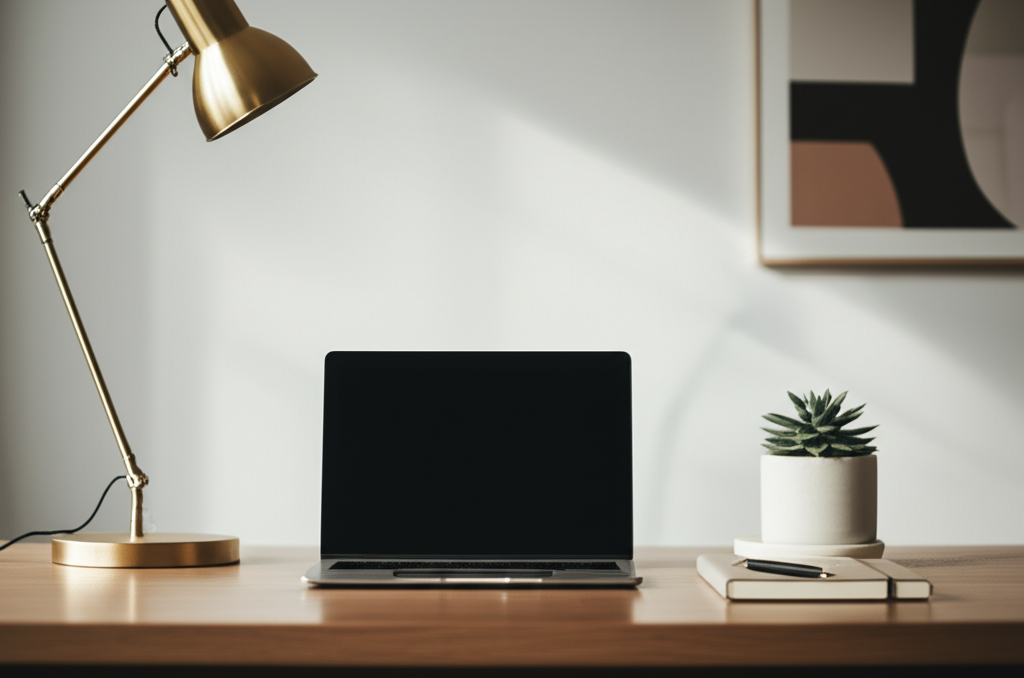
Create a stylish, productive minimalist home office without breaking the bank. Discover essential tips for smart budgeting, choosing functional furniture, optimizing lighting, and decluttering for focus. Turn your workspace into a serene sanctuary for success.
The dream of a serene, clutter-free home office often feels out of reach, especially when you’re watching your wallet. Many of us picture minimalist spaces with sleek furniture and perfect organization, but the reality of costs can be disheartening. Don’t let budget constraints dim your vision for a productive and inspiring workspace. I’m here to show you that achieving a beautiful minimalist home office setup on a budget is not only possible but incredibly rewarding. We’ll walk through smart strategies to make every dollar count, transforming your work-from-home experience.
Why a Minimalist Home Office Setup on a Budget is Smarter Than You Think

Embracing a minimalist home office setup on a budget isn’t just about saving money; it’s about cultivating focus and intentionality. It encourages you to invest in what truly matters, reducing visual distractions and promoting a sense of calm that’s essential for productivity. This approach forces thoughtful decision-making, leading to a more sustainable and functional workspace in the long run.
Defining Your Minimalist Home Office Vision: Less is More
Before buying anything, clearly define what a minimalist home office means to you. Focus on functionality, essential tools, and a clean aesthetic that inspires calm. This clarity will prevent impulse purchases and ensure every item serves a purpose, keeping your budget on track.
Identifying Your Non-Negotiables
What are the absolute essentials for your workday? Think about the tools, furniture, and lighting that are crucial for your comfort and productivity. Prioritizing these ensures you allocate your budget wisely to the items that will have the biggest impact.
Embracing a Neutral Color Palette
Minimalism often thrives on a serene, neutral color scheme. Think whites, grays, natural wood tones, and soft earthy hues. These colors create a calming atmosphere and make a small space feel larger and more open.
The Power of Negative Space
Don’t feel pressured to fill every corner. Negative space, or empty areas, is a key principle in minimalist design. It allows your essential items to stand out and prevents your office from feeling cluttered or overwhelming.
Budgeting for Your Minimalist Home Office Setup: A Smart Strategy
Creating a minimalist home office setup on a budget requires careful planning and smart shopping. I’ve found that setting a clear budget upfront and sticking to it is the most effective way to achieve your goals without overspending. Let’s break down how to approach this.
Setting Your Budget: A Realistic Approach
Determine how much you can comfortably spend. Break this down into categories: furniture, lighting, accessories, and perhaps a small buffer for unexpected needs. This detailed breakdown prevents you from overspending in one area and neglecting another.
Prioritizing Investments: Where to Splurge and Where to Save
Some items are worth investing in for long-term comfort and productivity, like an ergonomic chair. Others, like desk organizers or decorative items, can be found affordably. Knowing where to prioritize helps you maximize your budget’s impact.
Tracking Your Spending: The Key to Staying on Track
Use a simple spreadsheet or a budgeting app to log every purchase. This visual representation of your spending helps you stay accountable and make adjustments if you find yourself going over budget in a particular category.
Essential Furniture for a Minimalist Home Office on a Budget
The furniture in a minimalist home office should be functional, comfortable, and aesthetically pleasing. The goal is to select pieces that serve a purpose without adding unnecessary visual clutter. This section focuses on making smart choices for your core furniture needs.
The Desk: Your Command Center
Your desk is the heart of your workspace. For a minimalist setup, opt for a clean-lined desk that offers enough surface area for your essentials without being overly large. Consider simplicity and functionality.
Affordable Desk Options:
Floating Shelves: A sturdy floating shelf can transform into a minimalist desk, saving floor space and offering a clean look.
Simple Console Tables: These often have a slim profile and can provide a good work surface at an affordable price.
DIY Desk: Repurposing an existing table or building a simple desk from wood and legs is a cost-effective and customizable option.
Key Features to Look For:
Sufficient Surface Area: Enough space for your monitor, keyboard, and a few essential items.
Clean Lines: Avoid overly ornate or bulky designs.
Durability: Choose materials that can withstand daily use.
The Chair: Comfort is King (and Queen!)
An ergonomic chair is arguably the most important investment for your home office. Prolonged sitting without proper support can lead to discomfort and long-term health issues. Investing in a good chair, even on a budget, is crucial for your well-being.
Budget-Friendly Ergonomic Solutions:
Used Office Furniture Stores: You can often find high-quality ergonomic chairs at a fraction of their original price. Thoroughly inspect for wear and tear.
Mid-Range Ergonomic Chairs: Many brands offer comfortable and supportive chairs in the $200-$400 range that provide excellent value.
Lumbar Support Attachments: If a full ergonomic chair is out of budget, consider a comfortable existing chair and add a good quality lumbar support cushion.
What Makes a Chair Ergonomic?
Adjustable Height: Allows you to position your feet flat on the floor.
Lumbar Support: Crucial for maintaining the natural curve of your spine.
Adjustable Armrests: Support your forearms and reduce shoulder strain.
Swivel and Casters: For ease of movement.
Smart Storage Solutions: Taming the Clutter
Minimalism thrives on order. Effective storage is key to keeping your desk and workspace clear. The goal is to have items accessible but out of sight, maintaining that clean aesthetic.
Minimalist Storage Ideas:
Wall-Mounted Shelves: Utilize vertical space without taking up floor area.
Drawer Organizers: Keep desk drawers tidy and contents easily accessible.
Stylish Bins and Boxes: Store less frequently used items neatly on shelves or in cabinets.
Cable Management: Use clips, sleeves, or a simple box to keep cords tidy and out of sight.
Optimizing Lighting for Productivity and Well-being
Good lighting is essential for reducing eye strain, boosting mood, and enhancing productivity. In a minimalist setup, lighting should be functional, adjustable, and contribute to the overall serene atmosphere. Natural light is your best friend here, but smart artificial lighting is also key.
Harnessing Natural Light
Position your desk near a window if possible. Natural light is the most beneficial for reducing eye fatigue and improving mood. Keep window treatments simple and adjustable to control glare.
Essential Artificial Lighting
Even with natural light, you’ll need artificial sources. A combination of ambient and task lighting is ideal.
Ambient Lighting: Setting the Mood
Overhead Fixtures: Choose simple, diffused lighting that provides general illumination.
Floor Lamps: A tall, slim floor lamp can provide soft, ambient light without taking up desk space.
Task Lighting: Focusing on Your Work
Adjustable Desk Lamp: A good desk lamp with adjustable brightness and direction is crucial for focused work. Look for LED options for energy efficiency and longevity.
Consider Color Temperature: Cooler, daylight-like temperatures (around 5000K) are often best for task lighting to promote alertness.
Smart Lighting Accessories
Dimmers: Allow you to adjust light intensity based on the time of day or task.
Smart Bulbs: Offer color temperature and brightness control via an app or voice command.
Essential Home Office Accessories: The Minimalist Approach
In a minimalist home office, every accessory should earn its place. Focus on items that enhance your productivity, comfort, or organization without adding clutter. Quality over quantity is the guiding principle.
Desk Accessories: Functional & Sleek
Monitor Stand: Elevates your monitor to an ergonomic height and often provides storage underneath. Look for simple wood or metal designs.
Keyboard and Mouse: Consider wireless options to reduce cable clutter. Ergonomic designs are a plus for comfort.
Notebook and Pen: A high-quality notebook and a reliable pen can still be essential, even in a digital age. Choose simple, elegant designs.
Minimalist Desk Mat: Protects your desk surface and provides a smooth area for your mouse.
Technology Essentials: Streamlined and Efficient
Laptop/Computer: Choose a device that meets your needs without being overly bulky.
External Monitor (Optional): If your work demands it, opt for a slim-bezel monitor.
Webcam and Microphone: Essential for remote communication. Look for compact, high-quality options.
Noise-Canceling Headphones: Crucial for focus in a busy environment.
Organization Tools: Tidy Up Smartly
Vertical File Holders: Keep important documents organized and accessible.
Pen Holders: A simple cup or minimalist holder for your writing tools.
Cable Organizers: Clips, ties, or a management box to keep cords neat.
Décor and Personal Touches: Adding Personality Without Clutter
A minimalist home office doesn’t mean sterile. It means adding intentional touches that reflect your personality and create a calming atmosphere. Focus on a few meaningful items rather than many decorative pieces.
Plants: Bringing Life In
A small, low-maintenance plant can add a touch of nature and life to your space. Consider succulents, snake plants, or ZZ plants, which are known for their hardiness.
Art and Wall Décor: Simple Statements
A Single Piece of Art: Choose one piece that you love and that complements your color scheme.
Framed Photos: A few carefully chosen, elegantly framed photos can add a personal touch.
Inspirational Quotes: A simple framed quote can serve as a gentle reminder of your goals.
Scent and Ambiance
Candles or Diffusers: A subtle, calming scent can enhance your workspace experience. Opt for natural, subtle fragrances.
Ergonomics on a Budget: Prioritizing Your Health
Investing in your health and comfort is paramount, especially when working from home. Fortunately, you don’t need to spend a fortune to create an ergonomic workspace. Smart choices can make a big difference.
The Importance of Posture
Maintaining good posture is crucial for preventing pain and fatigue. This involves ensuring your monitor is at eye level, your keyboard and mouse are within easy reach, and your chair supports your back.
Budget-Friendly Ergonomic Upgrades
Monitor Risers: Simple stands or even stacks of sturdy books can elevate your monitor to the correct height.
Laptop Stands: If you primarily use a laptop, a stand will help bring the screen to eye level and improve airflow.
Footrest: If your feet don’t comfortably reach the floor, a small footrest can improve posture.
Ergonomic Keyboard and Mouse: While a full ergonomic chair can be an investment, budget-friendly ergonomic keyboards and mice are available and can make a significant difference in wrist comfort.
Movement Breaks: The Ultimate Ergonomic Tool
No matter how ergonomic your setup, regular movement is vital. Schedule short breaks every 30-60 minutes to stand up, stretch, and walk around. This is a free and incredibly effective way to maintain your well-being.
DIY and Upcycling: Budget-Friendly Solutions
One of the most rewarding ways to achieve a minimalist home office setup on a budget is through DIY and upcycling. These methods allow for customization, sustainability, and significant cost savings. I love finding new uses for old items!
Repurposing Furniture
Look around your home for items that can be repurposed. An old dresser can become a filing cabinet with the addition of some drawer organizers. A sturdy side table can be a minimalist desk.
Building Your Own
Simple DIY projects can yield impressive results.
Budget-Friendly DIY Projects:
Floating Shelves: Easy to install and provide valuable vertical storage.
Desk Organizer: Use small boxes, wood scraps, or even sturdy cardboard to create custom compartments.
* Cable Management Box: Decorate a shoebox or small wooden box to hide unsightly power strips and cables.
Shopping Secondhand and Vintage
Thrift stores, flea markets, and online marketplaces are treasure troves for affordable and unique items. You might find a vintage desk with great character or a stylish chair that can be reupholstered. Always inspect items carefully for quality and functionality.
Maximizing Productivity with a Minimalist Setup
A minimalist home office isn’t just about aesthetics; it’s a powerful tool for boosting productivity. By reducing distractions and creating a clear, organized space, you can enhance focus and efficiency.
Decluttering for Focus
Regularly declutter your workspace. Remove anything that doesn’t serve a purpose or bring you joy. A clean desk leads to a clearer mind.
Creating a Routine
Establish a consistent work routine within your optimized space. Having a dedicated, functional area makes it easier to get into the work mindset.
Minimizing Digital Distractions
While not strictly furniture, digital clutter is just as important to manage. Close unnecessary tabs, turn off notifications, and use website blockers if needed.
Frequently Asked Questions about Minimalist Home Office Setup Budget
How can I make my home office look minimalist without buying expensive furniture?
You can achieve a minimalist look by focusing on decluttering, using a neutral color palette, and opting for furniture with clean lines. Secondhand finds, DIY projects, and smart storage solutions can create a stylish, uncluttered space affordably. Prioritize essential, functional pieces.
What are the absolute must-have items for a minimalist home office?
The essentials typically include a functional desk, an ergonomic chair, adequate lighting (natural and task), and smart storage for necessary items. Beyond that, focus on only what directly supports your productivity and well-being.
Is it possible to create an ergonomic setup on a tight budget?
Yes, absolutely! Prioritize an ergonomic chair by looking for used options or mid-range models. Use monitor risers or even books to achieve proper screen height, and consider affordable ergonomic keyboard and mouse options. Regular movement breaks are also free and essential.
How do I choose the right colors for a minimalist home office?
Stick to a neutral color palette: whites, grays, beiges, and natural wood tones. These colors create a calming and spacious feel. You can add subtle pops of color through small decorative items or plants if desired.
What are some good, affordable storage solutions for a minimalist office?
Utilize vertical space with wall-mounted shelves. Use drawer organizers, stylish bins, and boxes to conceal clutter. Cable management solutions like clips or simple boxes are also key to maintaining a clean look.
Should I include plants in a minimalist home office?
Yes, a small, low-maintenance plant can add a touch of nature and life without creating clutter. Plants can improve air quality and mood, contributing positively to your workspace.
Conclusion: Your Serene and Productive Minimalist Home Office Awaits
Creating a minimalist home office setup on a budget is an achievable and deeply rewarding endeavor. By focusing on intentionality, prioritizing essential elements, and employing smart strategies like DIY, secondhand shopping, and thoughtful budgeting, you can craft a workspace that is both beautiful and highly functional. Remember, minimalism is about clarity and purpose, allowing you to focus on what truly matters: your work and your well-being. Embrace these tips, and you’ll soon find yourself in a serene, productive sanctuary designed for success.
