



Published on: November 13, 2025 | Updated on: November 13, 2025
The best ergonomic office chair for short people offers essential features like adjustable seat depth, lumbar support, and a lower seat height to ensure proper posture and comfort for petite frames, preventing strain and promoting productivity.
Finding the right office chair can be a real challenge, especially if you’re shorter. Many chairs are designed for average heights. This can lead to discomfort, poor posture, and even pain. Your feet might not touch the floor. Your back might not get the support it needs. This guide will help you find the perfect ergonomic office chair. We’ll focus on chairs made for shorter individuals. You’ll learn what features to look for. We’ll also share some top recommendations. Get ready for ultimate comfort at your desk!
Why Finding the Right Chair Matters for Shorter People
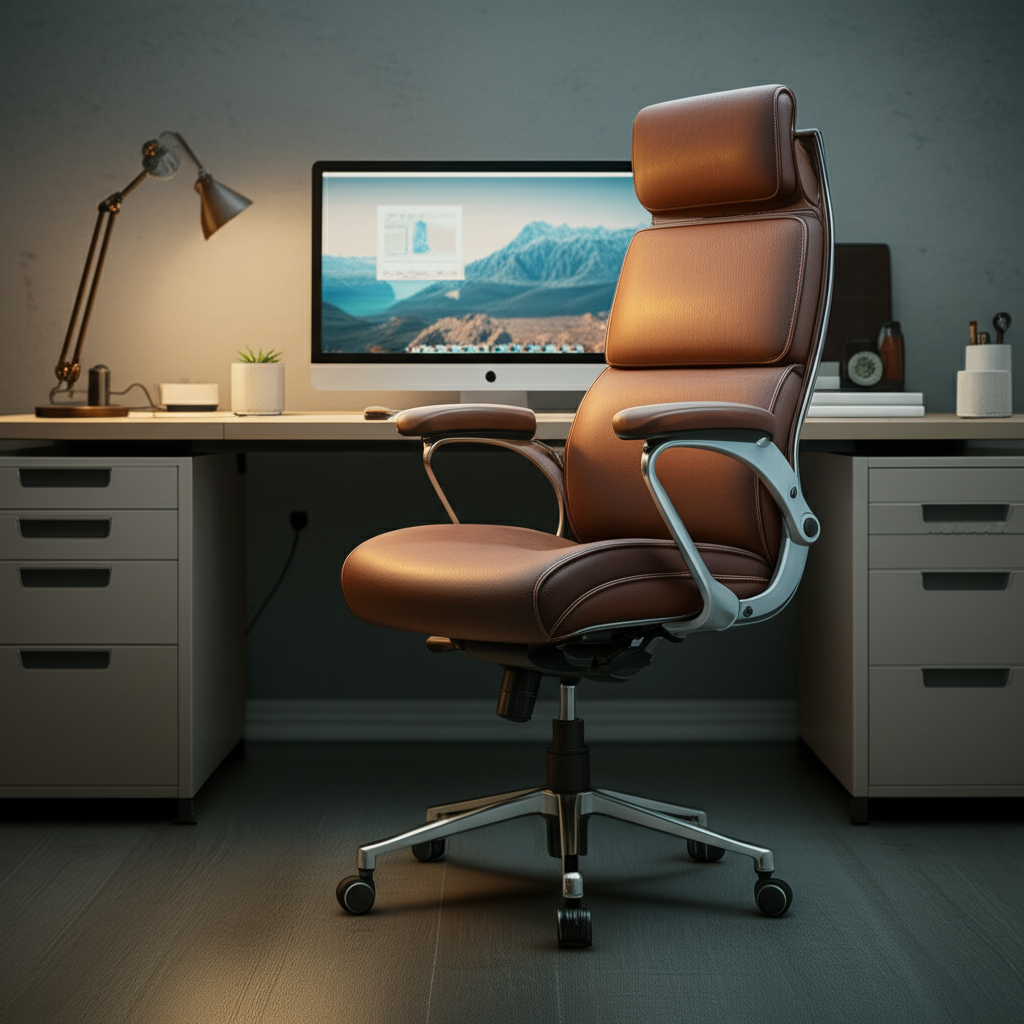
Many standard office chairs are too deep or too high for shorter individuals. This mismatch can cause several problems. Your legs might dangle, affecting circulation. Your lower back might lack adequate support. You might find yourself slouching, leading to neck and shoulder pain. An ill-fitting chair can even make you less productive. Investing in a chair designed for your body type is crucial. It supports good posture and reduces physical strain. This allows you to focus better on your work.
Key Features of an Ergonomic Office Chair for Short People
When searching for the best ergonomic office chair for short people, several features are non-negotiable. These elements ensure the chair adapts to your unique body. They promote healthy sitting habits and prevent discomfort. Prioritizing these will make a significant difference.
Adjustable Seat Depth
This feature allows you to slide the seat forward or backward. For shorter individuals, a shallower seat depth is vital. It ensures your knees bend at a 90-degree angle. Your feet should rest flat on the floor or a footrest. Without this, the edge of the seat can press into the back of your knees. This can cut off circulation and cause numbness. An adjustable seat depth provides the perfect fit.
Seat Height Adjustment
This is perhaps the most critical feature. Shorter people need chairs that go low enough. Your feet should be flat on the floor when your arms are at desk height. Most chairs have a pneumatic lift for height adjustment. Look for chairs with a lower minimum seat height. Some chairs even offer a shorter gas cylinder as an option.
Lumbar Support
Proper lumbar support is essential for everyone. For shorter people, it’s important that the support hits the natural curve of your lower back. Many chairs have adjustable lumbar support. You can move it up or down. You can also adjust its depth. This ensures the support is in the right place for your spine. It helps maintain an upright posture.
Armrest Adjustability
Adjustable armrests are important for shoulder and neck comfort. They should be adjustable in height. Ideally, they should also move inward or outward. For shorter individuals, armrests that can be lowered sufficiently are key. They should allow your shoulders to relax. Your elbows should rest at a 90-degree angle.
Backrest Tilt and Recline
A chair that tilts or reclines allows you to change your posture. This reduces pressure on your spine. Look for a chair with a good tilt range. It should also have a locking mechanism. This allows you to secure the chair in your preferred position. A synchronized tilt mechanism is often best. It moves the seat and backrest together.
Seat Material and Cushioning
The seat material should be breathable. This prevents discomfort during long sitting periods. Cushioning should be firm but comfortable. It should provide support without being too hard. Avoid seats that are too deep. This can prevent you from sitting all the way back.
Top Ergonomic Office Chairs for Short People
After extensive research and considering various user reviews, here are some of the best ergonomic office chairs that cater well to shorter individuals. These chairs offer a combination of adjustability and support crucial for petite frames.
1. Herman Miller Aeron (Size A)
The Herman Miller Aeron is a legendary chair. It’s known for its exceptional ergonomics and durability. The smallest size, Aeron Size A, is specifically designed for shorter individuals. It features a highly adjustable lumbar support system. The PostureFit SL system provides excellent lower back support. The seat depth is also suitable for shorter legs.
Pros:
Exceptional build quality and durability.
Excellent breathable mesh material.
Highly adjustable lumbar support.
Size A is tailored for shorter users.
Cons:
High price point.
Armrests are adjustable but can be stiff for some.
This chair offers a premium seating experience. Its design ensures proper support and comfort for those with shorter stature.
2. Humanscale Freedom Chair (with Headrest Option)
The Humanscale Freedom Chair is designed for dynamic movement. It automatically adjusts to your body. This makes it a great choice for those who shift positions often. The seat depth is relatively shallow. The armrests are attached to the backrest. This means they move with you. It provides good support for a wide range of users, including shorter ones.
Pros:
Innovative self-adjusting recline.
Contoured seat is good for shorter legs.
Stylish and modern design.
Optional headrest for added neck support.
Cons:
Can be expensive.
Lumbar support is built-in and less customizable than others.
Its intuitive design makes it easy to get comfortable quickly. This chair supports natural posture effortlessly.
3. Steelcase Gesture
The Steelcase Gesture is designed for the way we work today. It supports a wide range of postures. It also accommodates various devices like tablets and smartphones. The armrests are highly articulated. They move in all directions. This is excellent for supporting your arms in diverse positions. The seat depth is adjustable. The seat height goes quite low.
Pros:
Incredibly versatile armrest adjustment.
Excellent for various working postures.
Durable and high-quality construction.
Good range of seat height adjustment.
Cons:
Premium price tag.
Lumbar support is present but not as pronounced as some other chairs.
This chair adapts to your body and your tasks. It provides sustained comfort throughout the workday.
4. Branch Ergonomic Chair
The Branch Ergonomic Chair is a more budget-friendly option. It doesn’t compromise on essential ergonomic features. It offers adjustable seat depth and height. The lumbar support is also adjustable. The seat itself is not overly deep. This makes it a good fit for shorter users. It provides solid support at a reasonable price.
Pros:
Affordable price point.
Good adjustability for seat depth, height, and lumbar.
Comfortable and supportive mesh back.
Sleek, modern design.
Cons:
Build quality is good but not as premium as top-tier brands.
Armrest adjustability is standard, not as versatile as some.
This chair provides excellent value. It’s a strong contender for those on a budget.
5. Ticova Ergonomic Office Chair
The Ticova Ergonomic Office Chair is a popular choice on platforms like Amazon. It offers a wealth of adjustability for its price. It features adjustable lumbar support. It also has adjustable seat depth and height. The headrest is adjustable too. The seat is designed to be supportive. Many shorter users find it fits well.
Pros:
Excellent value for the price.
Highly adjustable lumbar support.
Adjustable headrest and armrests.
Good mesh back for breathability.
Cons:
Seat cushioning might be firm for some.
Build quality is good for the price but not top-tier.
This chair packs a lot of features. It’s a great option for those seeking adjustability without a huge cost.
How to Measure for the Perfect Fit
Getting the measurements right is key to finding the best ergonomic office chair for short people. Don’t just rely on chair descriptions. Measure yourself and compare with chair specifications.
Your Leg Length and Seat Depth
Sit on a flat surface. Measure from the back of your knee to your ankle. This is your approximate inseam. Now, sit in a chair. There should be a gap of about two to four fingers between the edge of the seat and the back of your knees. This ensures proper circulation. If a chair’s seat depth is too long, you might need a chair with adjustable seat depth. You can also use a footrest.
Your Height and Seat Height
Your desk height is also important. When sitting, your elbows should be at about a 90-degree angle when your hands are on the keyboard. Your feet should be flat on the floor. If your feet don’t reach the floor, you’ll need a chair with a lower minimum seat height. Alternatively, you can use a footrest. Check the chair’s minimum seat height specification.
Back Support and Your Torso
Your chair’s lumbar support should fit the natural curve of your lower back. If you’re shorter, you might need support that can be adjusted lower. If the chair has adjustable lumbar support, try to position it correctly. It should feel like a gentle curve, not a hard push.
Understanding Chair Adjustments for Optimal Ergonomics
Once you have your chair, knowing how to adjust it is crucial. Proper adjustment maximizes comfort and support. It prevents new aches and pains from developing.
Seat Height Adjustment
Adjust the seat height so your feet are flat on the floor. Your thighs should be parallel to the floor. Your knees should form roughly a 90-degree angle. If your feet don’t reach, use a footrest. This is a common solution for shorter individuals.
Seat Depth Adjustment
Slide the seat pan forward or backward. Ensure there’s a small gap (2-4 fingers) between the seat edge and the back of your knees. This prevents pressure on your thighs. It allows for good blood flow.
Lumbar Support Adjustment
Adjust the height and depth of the lumbar support. It should fit the curve of your lower back. You should feel gentle pressure. It helps maintain the natural ‘S’ curve of your spine.
Armrest Adjustment
Lower the armrests so your shoulders are relaxed. Your elbows should be bent at about 90 degrees. They should be close to your body. If armrests get in the way, some can be removed.
Recline and Tilt Settings
Experiment with the recline and tilt. Find a position that supports your back comfortably. Many chairs have tension adjustments for the recline. Some have tilt locks. Using these features can reduce fatigue.
When to Consider a Footrest
A footrest is an invaluable accessory. It’s often a must-have for shorter individuals. Even with a chair that adjusts low, your feet might not feel perfectly supported. A good footrest ensures your feet are flat. This promotes better posture and circulation. It also helps align your spine correctly.
Types of Footrests
Adjustable Footrests: These allow you to control the height and angle. They offer the most customization.
Pivoting Footrests: These allow your feet to rock. This can encourage subtle movement, which is good.
* Simple Footrests: These provide a stable surface for your feet. They are the most basic option.
Look for a footrest with a textured surface. This prevents your feet from slipping. An adjustable one offers the best solution for finding that perfect leg position.
Alternative Seating Solutions
Sometimes, even the best chair might not be a perfect fit. Or you might want to incorporate more movement into your workday. There are other options to consider.
Stools and Saddle Chairs
Some stools and saddle chairs are designed with shorter users in mind. Saddle chairs, for example, encourage an upright posture. Their seat height is usually higher. They can be a good alternative for those who prefer not to use a traditional chair. However, they require good desk height.
Standing Desk Converters
These allow you to switch between sitting and standing. This is beneficial for everyone. For shorter individuals, it can help break up long sitting periods. It can also alleviate pressure points. You can use them with a lower-profile chair or even a stool.
Custom Solutions
For very specific needs, custom furniture might be an option. This is usually a more expensive route. It ensures a perfect fit for your body and workspace.
Maintaining Good Posture Beyond the Chair
While the best ergonomic office chair for short people is crucial, it’s not the only factor for good posture. Your desk setup also plays a significant role.
Desk Height
As mentioned, your desk should be at a height that allows your elbows to be at 90 degrees. If your desk is too high, you can use a keyboard tray. This lowers your typing position.
Monitor Placement
Your monitor should be at eye level. This prevents neck strain. Use a monitor stand or arm. Adjust it so the top of the screen is at or slightly below your eye level. You should be looking slightly downwards.
Keyboard and Mouse Placement
Keep your keyboard and mouse close to you. This prevents overreaching. Your wrists should be straight. Avoid bending them up or down.
Frequently Asked Questions
What is the ideal seat depth for a short person?
For short people, the ideal seat depth allows for a gap of about two to four fingers between the edge of the seat and the back of your knees. This prevents pressure on the back of your thighs and ensures good circulation.
Can I use a regular office chair if I’m short?
While some regular office chairs might work, many are too deep or too high. You often need to adjust them significantly or use accessories like a footrest. It’s best to look for chairs specifically designed with shorter users in mind or those with extensive adjustability.
What if my feet don’t touch the floor even on the lowest setting?
If your feet don’t reach the floor, you absolutely need a footrest. This ensures your legs are supported correctly. It helps maintain good posture and prevents discomfort. Look for an adjustable footrest for the best results.
How important is adjustable lumbar support for shorter people?
Adjustable lumbar support is very important. It ensures the support curve hits the natural indentation of your lower back. Shorter individuals may need to adjust it lower than average. This prevents discomfort and promotes a healthy spine.
Are there specific brands known for making chairs for shorter people?
Brands like Herman Miller (with their Size A Aeron) and Humanscale often offer models or sizes suitable for shorter individuals. Many other brands provide highly adjustable chairs that can be configured for a proper fit, regardless of height.
Final Verdict: Your Comfort is Worth the Investment
Finding the best ergonomic office chair for short people is an investment in your health and productivity. Don’t settle for a chair that doesn’t fit. The chairs mentioned, like the Herman Miller Aeron (Size A) and the Steelcase Gesture, offer excellent adjustability. Even more budget-friendly options like the Branch Ergonomic Chair or Ticova provide key features. Prioritize adjustable seat depth, seat height, and lumbar support. Consider a footrest if needed. A well-fitting chair reduces pain, improves posture, and helps you work better. Your comfort and well-being are paramount. Take the time to find the chair that truly supports you.