


Published on: September 2, 2025 | Updated on: September 2, 2025
Yes, you can effectively clean jewelry with toothpaste for a brilliant shine, but it requires the right approach to avoid damage. This guide reveals the genius method, essential tips, and what to avoid.
Ever looked at your favorite necklace or ring and noticed it’s lost its sparkle? Life happens, and everyday grime, oils, and even makeup can dull your precious metals and gemstones. It’s tempting to reach for the nearest cleaning product, and you might have heard whispers about using toothpaste. But is it really a good idea? As a DIY and tools enthusiast, I’ve tested countless methods for keeping things looking their best, and I can tell you that while toothpaste can be surprisingly effective for cleaning jewelry, it’s not a one-size-fits-all solution. Done right, it can restore that brilliant shine. We’ll dive into the genius technique, what types of toothpaste work, what to absolutely steer clear of, and how to get that dazzling gleam back safely.
Why Toothpaste for Jewelry Cleaning? The Unexpected Power of Paste
Toothpaste is a surprisingly effective, readily available household item that can restore the shine to your jewelry. Its mild abrasive qualities help lift away tarnish and grime without being overly harsh when used correctly. This makes it a go-to for quick fixes when you want your favorite pieces to gleam.
This common household paste is more than just for your teeth; its unique composition makes it a secret weapon for reviving dulled jewelry. The gentle abrasives in many toothpastes are specifically designed to polish surfaces without scratching, which is exactly what jewelry needs. This method is particularly appealing because it’s budget-friendly and accessible, often saving a trip to the jeweler for a simple clean.
Understanding the Mechanics: How Toothpaste Works Its Magic
The effectiveness of cleaning jewelry with toothpaste lies in its formulation. Most toothpastes contain very fine, mild abrasive particles like silica or calcium carbonate. These particles work by gently buffing away the thin layer of tarnish or buildup that dulls the metal’s surface. When used with a soft brush, these abrasives can polish without causing significant scratches, revealing the underlying shine.
It’s crucial to understand that not all toothpastes are created equal for this task. Gel toothpastes, for instance, often lack the necessary abrasive agents and can leave residue. The best choices are typically white, paste-form toothpastes. Always opt for non-gel, non-whitening formulas with minimal added dyes or strong flavors, as these can sometimes be harsher or leave unwanted marks.
What Kind of Toothpaste Should You Use? The Smart Selection
When deciding to clean jewelry with toothpaste, the type of paste you choose is paramount. Stick to traditional white, paste-like toothpastes. Avoid gel formulas, whitening toothpastes with harsh abrasives or crystals, and those with significant added dyes or flavors. These can potentially scratch delicate metals or gemstones, or leave behind a sticky residue.
The ideal toothpaste for this job is a simple, non-abrasive paste. Think of it like using a very fine-grit sandpaper, but much gentler. The goal is to polish, not to grind away material. Always check the ingredients list if you’re unsure, looking for simpler formulations.
The Step-by-Step Guide: How to Clean Jewelry With Toothpaste Safely
Cleaning your jewelry with toothpaste can be a straightforward process, but it requires careful execution. Follow these steps to achieve a brilliant shine without damaging your precious pieces.
Step 1: Gather Your Supplies

Before you begin, ensure you have all the necessary items. This includes your jewelry, a small bowl of lukewarm water, a soft-bristled toothbrush (an old, clean one is perfect), a lint-free cloth, and your chosen white toothpaste. Having everything ready makes the process smooth and efficient.
Jewelry: The items you wish to clean.
Lukewarm Water: For rinsing.
Soft-Bristled Toothbrush: Dedicated solely to cleaning jewelry.
Lint-Free Cloth: For drying and polishing.
White Toothpaste: Non-gel, non-whitening formula.
Step 2: Prepare Your Jewelry
Begin by rinsing your jewelry under lukewarm water. This helps to remove any loose dirt or debris that could potentially scratch the metal when you start scrubbing. Gently pat it dry with a soft cloth before applying any toothpaste.
This initial rinse is a simple but vital step. It ensures that you’re not grinding larger particles into the metal surface when you begin the polishing process. A clean slate is key to a successful clean.
Step 3: Apply the Toothpaste
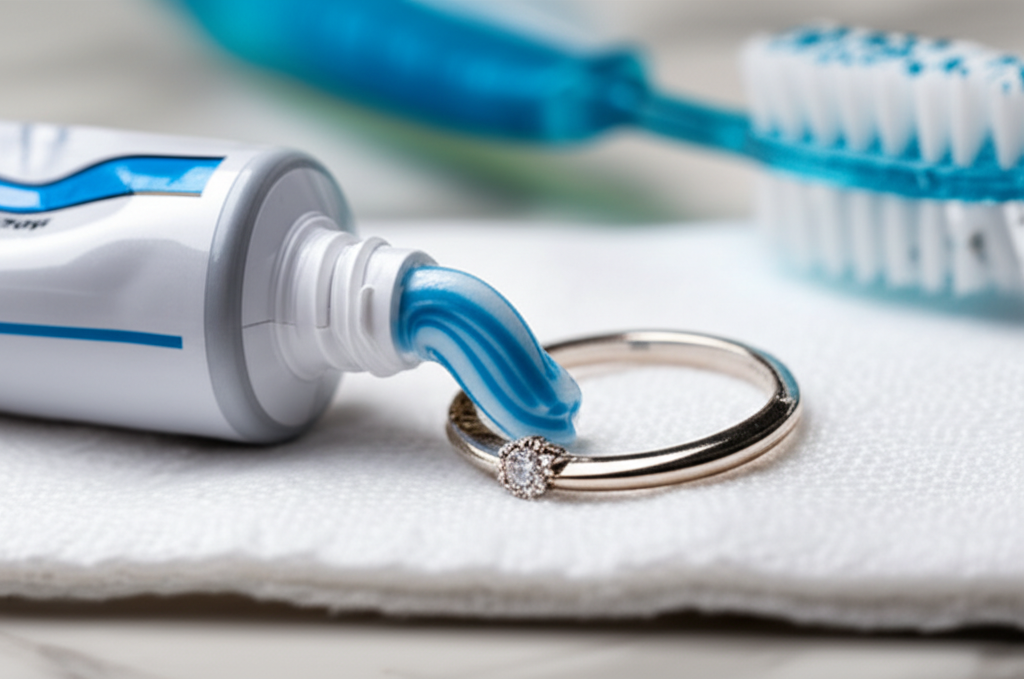
Apply a small dab of white toothpaste onto the soft-bristled toothbrush. You only need a tiny amount; too much can make it difficult to rinse off thoroughly and may lead to residue. Focus the paste on the areas that appear dull or tarnished.
The key here is moderation. A pea-sized amount is usually sufficient for a ring or a pair of earrings. Over-application won’t necessarily make it cleaner and can create a mess.
Step 4: Gentle Scrubbing
Gently scrub the jewelry with the toothbrush, paying close attention to crevices and intricate designs. Use light, circular motions. Avoid applying too much pressure, as this can lead to scratches, especially on softer metals like gold or silver.
Remember, the toothpaste is doing the heavy lifting with its mild abrasives. Your job is to guide it gently over the surface. Think of it as a delicate massage for your jewelry, not an aggressive scrub.
Step 5: Rinse Thoroughly
Rinse the jewelry thoroughly under lukewarm running water. Ensure all traces of toothpaste are washed away. Leftover toothpaste can dry and leave a dull film, counteracting your efforts.
This rinsing stage is critical for a truly clean and sparkling finish. Take your time to make sure no residue remains, especially in the nooks and crannies of your piece.
Step 6: Dry and Polish
Gently pat your jewelry dry with a soft, lint-free cloth. Once dry, use the cloth to buff the jewelry, bringing out its natural shine. For extra brilliance, a final polish with a dedicated jewelry polishing cloth can enhance the gleam.
The final buffing step is where the magic happens. It removes any lingering moisture and brings out that satisfying, mirror-like finish that makes your jewelry look brand new.
What Jewelry Can You Safely Clean With Toothpaste?
While effective, cleaning jewelry with toothpaste isn’t suitable for every type of jewelry. It’s best reserved for robust, non-porous materials. This includes most sterling silver, gold (14K and higher), and some durable gemstones like diamonds and sapphires.
Always exercise caution with softer metals like platinum or lower karat gold (like 10K), as they can be more susceptible to scratching. Similarly, porous gemstones or those with delicate settings may not be ideal candidates for this method. When in doubt, it’s always best to consult a professional jeweler.
When NOT to Use Toothpaste on Your Jewelry: Crucial Warnings
There are specific situations and types of jewelry where using toothpaste is a definite no-go. Understanding these exceptions is vital to prevent irreparable damage to your treasured pieces.
Avoid Toothpaste on These Materials
Pearls: Pearls have a delicate nacre coating that toothpaste can easily damage, causing dullness or even erosion.
Opals and Turquoise: These gemstones are porous and can absorb the toothpaste, leading to discoloration and permanent damage.
Emeralds and Soft Gemstones: Gemstones like emeralds, amethysts, and aquamarines are softer and can be scratched by even mild abrasives.
Plated Jewelry: The thin plating on these items can be worn away by toothpaste, revealing the base metal underneath.
Antique or Vintage Jewelry: The unique patina and delicate nature of antique pieces warrant professional cleaning methods.
* Jewelry with Intricate Enameling: Enamel can be chipped or scratched by the abrasive action of toothpaste and a brush.
Using toothpaste on these items can strip away their natural luster or cause permanent damage, turning a simple cleaning task into an expensive repair job. It’s always better to err on the side of caution.
The Risks of Abrasive Whitening Toothpastes
Whitening toothpastes often contain larger or more aggressive abrasive particles, sometimes even micro-beads, designed to scrub away surface stains on teeth. These can be far too harsh for delicate jewelry metals and gemstones, leading to micro-scratches that dull the finish. These scratches can accumulate over time, making your jewelry appear permanently hazy.
The risk of using these types of toothpastes is significant. They can etch the surface of metals and gemstones, making them more prone to future tarnishing and difficult to polish back to their original brilliance. Always opt for the simplest, most basic white paste.
Alternative Cleaning Methods for Delicate Jewelry
If your jewelry is particularly delicate, antique, or features porous gemstones, there are safer alternatives to toothpaste. These methods offer effective cleaning without the risk of abrasive damage, ensuring your precious items remain in pristine condition.
Baking Soda Paste: A Gentler Abrasive
A paste made from baking soda and water can be a slightly gentler alternative to toothpaste for some jewelry. Mix baking soda with a small amount of water to form a paste, apply with a soft brush, and rinse thoroughly. However, caution is still advised as baking soda is also abrasive.
While baking soda is a common household cleaner, its abrasive nature still warrants careful use. Test on an inconspicuous area first if you have any doubts about its suitability for your specific piece.
Mild Soap and Water Soak
For most everyday dirt and grime, a simple soak in lukewarm water with a few drops of mild dish soap (like Dawn) is often sufficient. Use a soft brush to gently loosen dirt, rinse well, and dry with a lint-free cloth. This is the safest method for almost all types of jewelry.
This classic method is the gold standard for regular jewelry care. It effectively removes oils and dirt without any risk of abrasion or chemical damage, making it ideal for regular maintenance.
Professional Jewelry Cleaning
For valuable, antique, or very delicate pieces, professional cleaning is always the safest and most effective option. Jewelers have specialized tools and cleaning solutions tailored to different materials and gemstones, ensuring a thorough clean without any risk of damage. They can also check for loose settings or damage.
A professional cleaning can revitalize your jewelry and identify any potential issues you might not have noticed. It’s an investment in preserving the beauty and integrity of your cherished pieces. You can find reputable jewelers through resources like the Jewelers of America.
Comparing Toothpaste Cleaning to Professional Methods
While cleaning jewelry with toothpaste can offer a quick, DIY fix, it doesn’t quite compare to professional cleaning services. Professional methods use ultrasonic cleaners and specialized solutions that can reach every crevice and remove even the most stubborn tarnish and grime without any risk of scratching.
However, for a budget-conscious individual or for quick touch-ups on sturdy pieces, the toothpaste method is a viable option. It’s about understanding the limitations and choosing the right method for the right piece.
Here’s a quick comparison:
| Feature | Toothpaste Method | Professional Cleaning |
| :—————— | :————————————————- | :——————————————————— |
| Cost | Very low (uses household items) | Moderate to high (depends on jeweler and piece) |
| Effectiveness | Good for surface tarnish and grime | Excellent, deep cleaning, removes stubborn buildup |
| Risk of Damage | Moderate (can scratch if wrong toothpaste/pressure) | Very low (uses appropriate solutions and techniques) |
| Time Commitment | Short (minutes per piece) | Moderate (drop-off and pick-up, or longer if mailed) |
| Suitability | Sturdy metals, durable gemstones | All types of jewelry, especially delicate or valuable items |
Frequently Asked Questions About Cleaning Jewelry With Toothpaste
Can I use whitening toothpaste to clean jewelry?
It’s generally not recommended. Whitening toothpastes often contain harsher abrasives that can scratch or dull the surface of your jewelry, especially softer metals and gemstones. Stick to a simple, white, non-gel paste.
What kind of jewelry should I avoid cleaning with toothpaste?
You should avoid cleaning pearls, opals, turquoise, emeralds, and any jewelry with porous gemstones, soft metals, plated finishes, or intricate enameling with toothpaste. These materials are too delicate and can be easily damaged.
How often can I clean my jewelry with toothpaste?
Only clean your jewelry with toothpaste occasionally, for specific instances where it’s visibly dulled. For regular maintenance, a mild soap and water solution is much safer and more effective. Over-cleaning with any abrasive method can wear down your jewelry.
Will toothpaste remove tarnish from silver?
Yes, toothpaste can help remove light tarnish from sterling silver due to its mild abrasive properties. However, for heavy tarnish, specialized silver polishes or professional cleaning might be more effective and less risky.
Can I use toothpaste on gold jewelry?
Yes, you can use toothpaste on solid gold jewelry (14K or higher) with minimal risk, provided you use a soft brush and gentle pressure. Avoid it on gold plating or very soft gold alloys, as the abrasives can wear away the finish.
Final Words on the Toothpaste Jewelry Shine
In conclusion, cleaning jewelry with toothpaste can be a surprisingly effective and economical way to restore sparkle to your favorite pieces, but it’s not without its caveats. The key to success when you clean jewelry with toothpaste lies in choosing the right kind of toothpaste – a simple, white, non-gel paste – and using a soft brush with gentle, circular motions. Always rinse thoroughly and dry with a soft cloth to reveal the renewed shine.
Remember to reserve this method for sturdy materials like sterling silver and solid gold, and absolutely avoid it for delicate gemstones, pearls, plated jewelry, or antique pieces. For these, safer alternatives like mild soap and water, or professional cleaning, are the best routes. By understanding these guidelines, you can confidently clean jewelry with toothpaste for a brilliant shine while protecting your precious adornments.
