


Published on: September 2, 2025 | Updated on: September 2, 2025
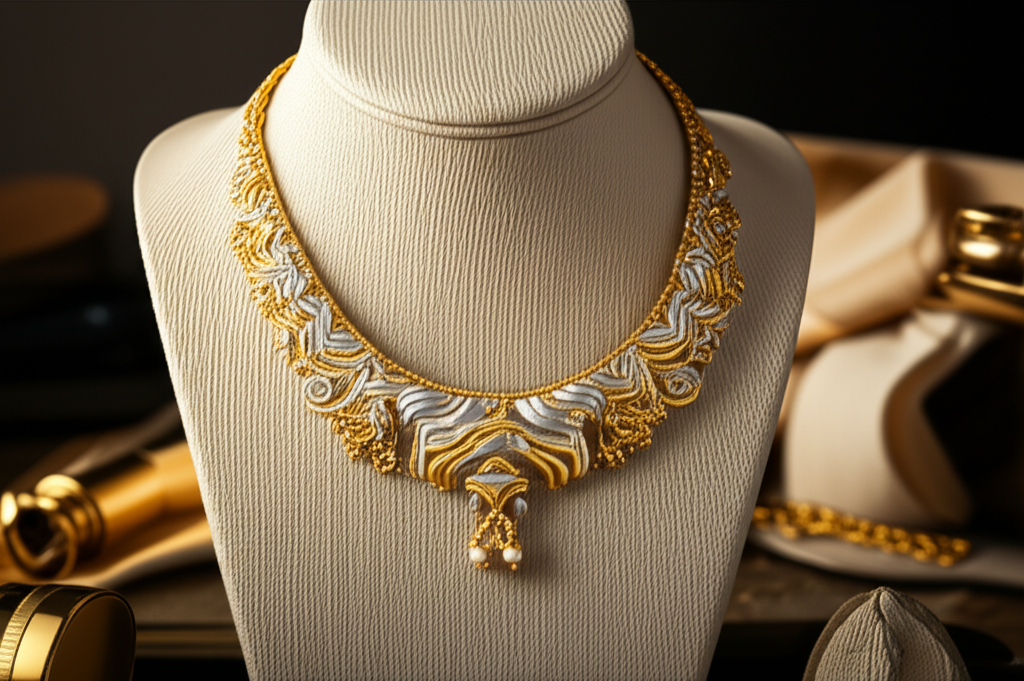
Restore your cherished gold polish silver necklace to its former brilliance with this comprehensive guide, covering everything from gentle cleaning to advanced restoration techniques for a lasting shine.
Ever noticed your favorite silver necklace, especially one with a delicate gold polish, losing its luster? It’s a common frustration for jewelry lovers, but thankfully, restoring that beautiful gleam is entirely achievable. This guide will walk you through everything you need to know, from simple at-home methods to professional advice, ensuring your treasured piece looks as good as new. Get ready to bring back that dazzling shine!
Why Does Your Gold Polish Silver Necklace Tarnish?
Tarnishing is the natural process where silver reacts with sulfur compounds in the air, forming a dark layer on the surface. For gold polish silver necklaces, this means the silver base can tarnish, affecting the appearance of the gold plating or polish. Understanding the causes helps in prevention and effective cleaning.
The culprits behind tarnish are typically sulfur compounds found in the air, but also in everyday items like perfumes, hairsprays, and even some foods. Exposure to moisture and certain chemicals can accelerate this process. The gold plating or polish itself can also wear away over time, revealing the silver underneath which then tarnishes more readily.
Identifying Your Gold Polish Silver Necklace
Before you start polishing, it’s crucial to understand what you’re dealing with. A gold polish silver necklace isn’t solid gold over silver; it’s typically a silver base that has been electroplated or coated with a thin layer of gold. This gives it the appearance of gold while retaining the affordability and characteristics of silver.
Distinguishing between solid gold, gold-plated, and gold-filled jewelry is important for choosing the right cleaning method. Solid gold jewelry is pure gold or an alloy of gold. Gold-plated jewelry has a thin layer of gold bonded to a base metal, often silver. Gold-filled jewelry has a much thicker layer of gold bonded to a base metal.
The Best Cleaning Methods for a Gold Polish Silver Necklace
Gentle cleaning is key to preserving the gold polish on your silver necklace. Harsh chemicals or abrasive materials can strip away the gold layer, leaving your necklace looking dull and uneven. We’ll explore the safest and most effective methods.
The goal is to remove tarnish without damaging the delicate gold finish. This means avoiding strong acids, abrasive cloths, and ultrasonic cleaners unless specifically recommended for plated items. Always test a small, inconspicuous area first if you’re unsure.
Gentle At-Home Cleaning Solutions

For everyday cleaning and light tarnish, simple household items can work wonders. These methods are gentle and minimize the risk of damaging the gold plating. They are also cost-effective and readily available.
You likely have most of these supplies already in your kitchen or bathroom. Baking soda, mild dish soap, and even toothpaste (non-gel, non-whitening) can be used with care. The key is to use them sparingly and with a soft touch.
Mild Dish Soap and Water Method
This is the most basic and often the safest way to clean your gold polish silver necklace. It removes dirt, oils, and light tarnish without any harsh chemicals. It’s a great starting point for regular maintenance.
1. Gather Supplies: You’ll need a small bowl, mild liquid dish soap (avoid anything with bleach or harsh degreasers), lukewarm water, and a soft microfiber cloth.
2. Prepare Solution: Mix a few drops of dish soap into the bowl of lukewarm water.
3. Soak Briefly: Submerge your necklace in the soapy water for a few minutes. Do not soak for extended periods, especially if the gold polish is very thin.
4. Gentle Scrubbing: Use your fingers or a very soft-bristled toothbrush (like a baby toothbrush) to gently rub away any visible grime or tarnish. Be extra careful around intricate details.
5. Rinse Thoroughly: Rinse the necklace under cool running water to remove all soap residue.
6. Dry Completely: Pat the necklace dry with a soft, lint-free microfiber cloth. Ensure all moisture is removed, as standing water can contribute to future tarnishing.
This method is excellent for removing everyday grime and is very gentle on the gold polish. It’s a good routine to follow every few weeks to keep your necklace looking its best.
Baking Soda Paste (Use with Extreme Caution)
Baking soda is a mild abrasive, so while effective for tarnish, it must be used with extreme caution on gold-plated items. A very fine paste is less abrasive than using it dry. Always test first.
1. Create Paste: Mix a small amount of baking soda with water to form a thick paste. Aim for a consistency like toothpaste.
2. Apply Gently: Dip a damp, soft cloth or your fingertip into the paste and gently rub the tarnished areas of the necklace. Use a light circular motion.
3. Avoid Scrubbing: Do not scrub vigorously. The goal is to lift the tarnish, not to polish the metal aggressively.
4. Rinse and Dry: Rinse the necklace thoroughly under cool water and dry immediately with a soft microfiber cloth.
This method can be effective for slightly more stubborn tarnish, but it carries a higher risk of removing the gold polish if done too aggressively. It’s best reserved for pieces where other methods haven’t worked.
Toothpaste (Non-Gel, Non-Whitening)
Similar to baking soda, non-gel, non-whitening toothpaste contains mild abrasives that can help remove tarnish. However, its effectiveness and safety depend heavily on the specific formulation.
1. Select Toothpaste: Choose a basic white paste, avoiding gel formulas or those with whitening crystals or microbeads.
2. Apply Sparingly: Put a tiny amount of toothpaste on a damp, soft cloth.
3. Gentle Rubbing: Gently rub the tarnished areas. Be very light-handed.
4. Rinse and Dry: Rinse the necklace thoroughly and dry completely with a microfiber cloth.
This is another method that requires caution. The abrasives in toothpaste can wear down the gold plating over time, so use it sparingly and only when necessary.
Specialized Jewelry Cleaning Products
For more stubborn tarnish or for a deeper clean, specialized jewelry cleaners can be effective. However, it’s crucial to select products specifically designed for gold-plated or gold-over-silver jewelry.
Many commercial cleaners contain ammonia or other strong chemicals that can damage gold plating. Always read the product label carefully and ensure it explicitly states it is safe for gold-plated items.
Commercial Jewelry Cleaners (Check Labels!)
When opting for a commercial cleaner, look for those labeled as “gentle” or specifically for “gold-plated” or “dipped” jewelry. These are formulated to clean without stripping the plating.
1. Read Instructions: Follow the manufacturer’s instructions precisely.
2. Test Area: If possible, test the cleaner on a small, inconspicuous part of the necklace first.
3. Application: Usually, you’ll dip a soft cloth or cotton swab into the cleaner and gently wipe the jewelry. Some may involve a brief soak.
4. Rinse and Dry: Rinse thoroughly and dry completely with a microfiber cloth.
Using the wrong commercial cleaner is one of the quickest ways to ruin your gold polish silver necklace. Always prioritize safety and product labeling. You can find reputable jewelry cleaners at most jewelry stores or online.
Polishing Cloths
Jewelry polishing cloths are a fantastic tool for maintaining the shine of your gold polish silver necklace between deep cleans. They are impregnated with a mild cleaning agent and are designed to buff away light tarnish and fingerprints.
1. Use Soft Cloths: Ensure the cloth is specifically designed for jewelry, often labeled as “silver polishing cloth” or “jewelry polishing cloth.” These are usually made of cotton and treated with a polishing compound.
2. Gentle Buffing: Gently rub the necklace with the cloth, focusing on tarnished areas. Use a back-and-forth motion rather than circular to minimize micro-scratches.
3. Avoid Over-Polishing: While these cloths are designed to be gentle, excessive rubbing can still wear down the gold plating over time.
A good quality jewelry polishing cloth is a worthwhile investment for any jewelry owner. It’s an easy way to keep your gold polish silver necklace looking bright and clean with minimal effort.
Advanced Restoration: When to Seek Professional Help
Sometimes, at-home methods aren’t enough, or you might be hesitant to risk damaging your treasured necklace. In such cases, professional jewelers offer specialized services that can restore your jewelry safely and effectively.
If your necklace has significant damage, deep scratches, or if the gold plating is severely worn, a professional assessment is your best bet. They have the tools and expertise to handle delicate restoration work.
When to Visit a Jeweler
Consider a jeweler if:
The tarnish is very heavy and doesn’t respond to gentle cleaning.
The gold plating is noticeably worn or patchy.
The necklace has intricate details or gemstones that require careful handling.
You are hesitant to try any DIY methods for fear of causing damage.
The necklace has sentimental value, and you want the best possible care.
Jewelers can often re-plate worn areas of your gold polish silver necklace, effectively restoring its original golden sheen. They can also professionally clean and polish it without risking damage.
Caring for Your Gold Polish Silver Necklace to Prevent Tarnish
Prevention is always better than cure, especially when it comes to preserving the delicate gold polish on your silver necklace. By adopting a few good habits, you can significantly slow down the tarnishing process and keep your jewelry looking beautiful for longer.
Storing your jewelry correctly and being mindful of its exposure to certain elements are crucial steps. These simple practices can make a big difference in maintaining its shine.
Proper Storage Techniques
How you store your jewelry plays a vital role in preventing tarnish. Exposure to air and moisture are the primary drivers of silver tarnish.
Airtight Containers: Store your gold polish silver necklace in airtight plastic bags or jewelry boxes. This limits its exposure to air and humidity.
Anti-Tarnish Strips: Place anti-tarnish strips or cloths in your jewelry storage to absorb sulfur compounds. These are readily available online or at jewelry supply stores.
Separate Storage: Keep your silver jewelry separate from other metals, as different metals can react and accelerate tarnishing. Avoid storing multiple plated items together.
Avoid Humid Areas: Do not store jewelry in bathrooms or other damp environments.
Storing your necklace properly after each wear is one of the most effective ways to maintain its shine. A small investment in good storage solutions can save you a lot of cleaning effort later.
Avoiding Contact with Chemicals and Cosmetics
Many everyday products contain chemicals that can accelerate tarnishing and damage the gold plating. Being aware of these can help you protect your necklace.
Apply Cosmetics First: Put on lotions, perfumes, hairsprays, and makeup before putting on your jewelry. Wait for them to dry completely.
Remove Before Activities: Take off your necklace before swimming (chlorine is harsh), exercising (sweat can be corrosive), cleaning with household chemicals, or showering.
Avoid Direct Sunlight: Prolonged exposure to direct sunlight can also degrade certain finishes and materials.
Think of your jewelry as the finishing touch, applied after all other beauty and cleaning routines are complete. This simple habit will significantly extend the life and beauty of your gold polish silver necklace.
Tools and Supplies You’ll Need
Having the right tools on hand makes the cleaning and maintenance process much easier and more effective. For a gold polish silver necklace, gentleness is key, so opt for soft materials.
Here’s a list of essential items that will help you keep your necklace looking its best. Many of these you might already have around the house.
| Tool/Supply | Purpose | Notes |
| :—————– | :——————————————- | :————————————————— |
| Microfiber Cloths | Gentle cleaning, drying, polishing | Lint-free and non-abrasive |
| Mild Dish Soap | Basic cleaning of dirt and oils | Avoid harsh detergents or degreasers |
| Lukewarm Water | For rinsing and diluting cleaning agents | Not hot, as heat can damage some plating |
| Soft-bristled Brush | Gentle scrubbing of intricate areas | Baby toothbrush or dedicated jewelry brush |
| Baking Soda | Mild abrasive for tougher tarnish (use with care) | Mix into a paste with water; test first |
| Jewelry Cleaner | Specialized formula for plated jewelry | Check label for gold-plated safety |
| Airtight Bags/Boxes | Proper storage to prevent tarnish | Ziploc bags or velvet-lined jewelry boxes |
| Anti-tarnish Strips | Absorb tarnishing agents in storage | Can be placed inside bags or boxes |
| Cotton Swabs | Precise application of cleaners/pastes | For reaching small crevices |
Having these supplies readily available means you can tackle minor issues as they arise, preventing them from becoming bigger problems. It empowers you to maintain your jewelry effectively at home.
Comparing Cleaning Methods: Pros and Cons
Choosing the right cleaning method depends on the severity of the tarnish and the sensitivity of your gold polish silver necklace. Here’s a quick comparison to help you decide.
| Method | Pros | Cons | Best For |
| :————————— | :—————————————————————- | :——————————————————————- | :————————————— |
| Mild Dish Soap & Water | Very gentle, readily available, removes surface dirt and oils | May not be effective for heavy tarnish | Daily cleaning, light dirt, maintenance |
| Baking Soda Paste | Effective for moderate tarnish | Can be abrasive, risk of removing gold polish if overused | Stubborn tarnish, use with extreme care |
| Toothpaste (basic) | Mildly abrasive, can remove tarnish | Abrasives can wear down plating over time, test carefully | Light to moderate tarnish, occasional use |
| Commercial Jewelry Cleaner | Specifically formulated, can be very effective | Risk of damage if wrong product is used, can be expensive | Moderate to heavy tarnish, follow labels |
| Jewelry Polishing Cloth | Convenient, maintains shine, removes fingerprints and light tarnish | Not for deep tarnish, can wear down plating with excessive use | Regular maintenance, light buffing |
| Professional Cleaning/Plating | Safest for severe issues, expert care, can re-plate worn areas | Costly, requires visiting a jeweler, takes time | Heavy tarnish, damaged plating, valuable items |
Always start with the gentlest method and escalate only if necessary. Your goal is to clean the tarnish, not to polish away the gold plating itself.
How to Test Cleaning Solutions Safely
Before applying any cleaning solution to your entire gold polish silver necklace, it’s crucial to perform a patch test. This helps ensure the solution won’t damage the gold plating or the silver base.
Find an inconspicuous area of the necklace, such as the back of the clasp or a less visible link. Apply a tiny amount of the cleaning solution to this spot using a cotton swab.
Wait for a few minutes, then rinse the tested area gently and dry it thoroughly. Inspect the spot closely for any signs of discoloration, dulling, or removal of the gold finish. If there are no adverse effects, you can proceed with cleaning the rest of the necklace, using the same gentle technique.
Frequently Asked Questions (FAQ)
Can I use silver polish on my gold polish silver necklace?
Generally, no. Standard silver polish is often too abrasive and can strip away the thin layer of gold plating, revealing the silver underneath and potentially causing uneven discoloration. Always use products specifically designed for gold-plated jewelry.
How often should I clean my gold polish silver necklace?
For everyday wear, a gentle wipe with a microfiber cloth after each use is recommended. For cleaning, the frequency depends on how quickly it tarnishes, but a thorough clean every 1-3 months is usually sufficient.
Will regular wear damage the gold polish?
Yes, over time, continuous friction from wear can gradually wear down the gold plating, especially on high-contact areas. Proper care and gentle cleaning can help mitigate this.
Is it safe to clean my gold polish silver necklace with toothpaste?
It can be, but with extreme caution. Use only basic white, non-gel toothpaste without whitening agents or abrasives. Apply very lightly and rinse thoroughly, as harsh ingredients can damage the gold finish.
What is the best way to store my gold polish silver necklace?
Store it in an airtight container or a sealed plastic bag, preferably with an anti-tarnish strip, in a cool, dry place. Keeping it separate from other jewelry helps prevent scratches and reactions.
Can I wear my gold polish silver necklace in the shower?
It’s best to avoid wearing it in the shower. Water, soaps, and shampoos can degrade the gold plating and accelerate tarnishing of the underlying silver.
What if my gold polish silver necklace has gemstones?
If your necklace has gemstones, avoid soaking it in any cleaning solution, as moisture and chemicals can damage certain stones or loosen their settings. Clean around the gemstones carefully with a soft brush and mild soap solution, and dry thoroughly. For valuable or delicate gemstones, professional cleaning is always the safest option.
Conclusion: Keeping Your Gold Polish Silver Necklace Shining
Maintaining the beauty of your gold polish silver necklace is an achievable goal with the right knowledge and care. By understanding the causes of tarnish and employing gentle, effective cleaning methods, you can preserve its shine and prevent damage to the delicate gold plating. Remember to always start with the mildest approach, such as a simple wash with dish soap and water, and use more abrasive methods only when necessary and with extreme caution. Proper storage and avoiding contact with harsh chemicals are your best allies in preventing future tarnish. For any concerns about significant wear or stubborn tarnish, consulting a professional jeweler is always a wise decision. With these tips, your gold polish silver necklace can remain a radiant accessory for years to come.
