


Published on: October 19, 2025 | Updated on: October 19, 2025
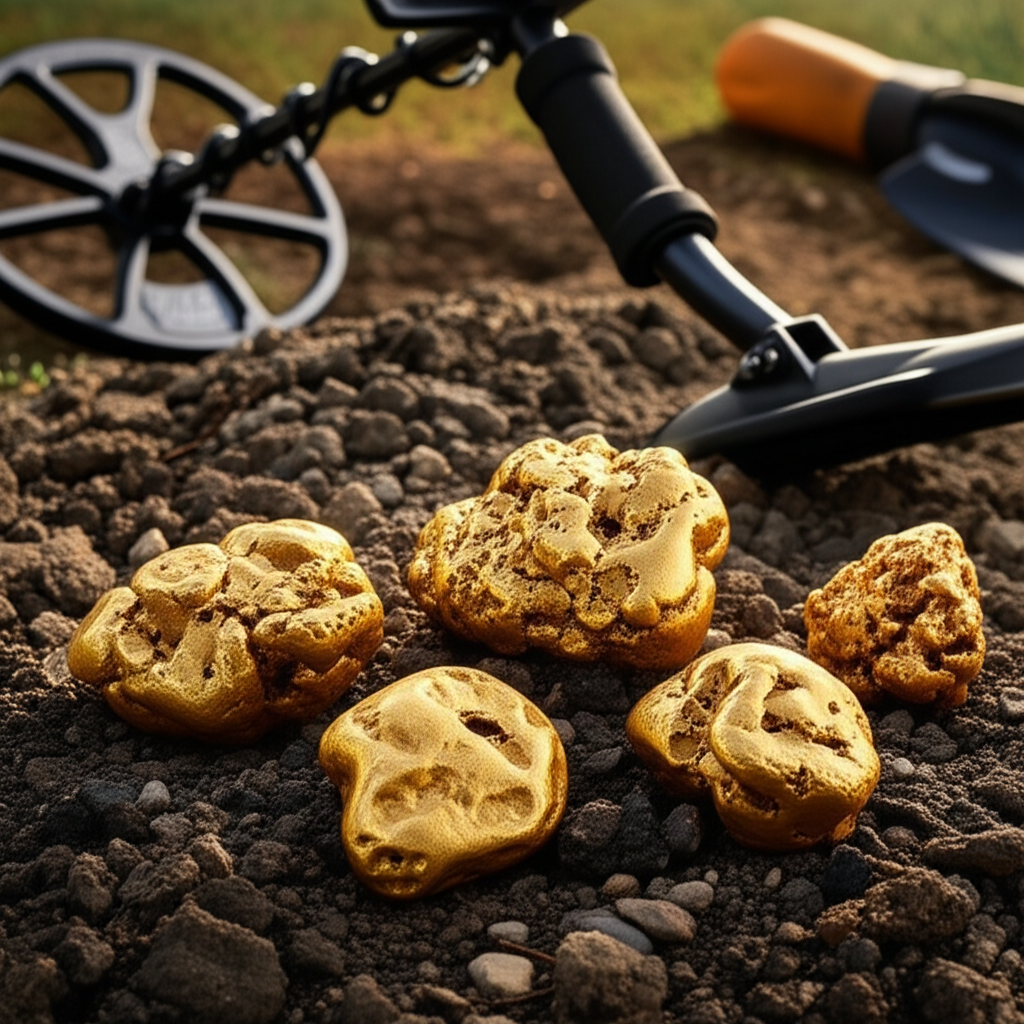
Unlock your gold prospecting dreams with a metal detector! This guide reveals the best detectors, essential gear, and proven techniques for finding gold nuggets and flakes. Learn how to maximize your finds and avoid common mistakes, turning your hobby into rewarding expeditions.
Have you ever dreamed of finding gold? It’s a thrilling idea that many people share. But actually finding gold can seem really hard. You might think you need special skills or super expensive equipment. Many people get frustrated and give up before they even start. This guide will show you exactly how to start gold prospecting with a metal detector. We’ll cover everything you need to know. Get ready to learn the secrets to successful gold hunting.
Why Use a Metal Detector for Gold Prospecting?
A metal detector is your best friend for finding gold. It helps you locate tiny gold pieces buried in the ground. Without one, you’d be digging randomly. This tool makes your search much smarter and more effective. It can find gold that your eyes would miss.
Choosing the Right Metal Detector for Gold
Not all metal detectors are the same. Some are much better for finding gold. Gold is often found in small pieces. It can also be mixed with other metals. You need a detector that is very sensitive to small gold signals.
Key Features for Gold Detectors

Look for detectors that work at high frequencies. Frequencies above 15 kHz are usually good. Many gold detectors also have special settings for ground balancing. This helps ignore minerals in the soil. Some can also discriminate against iron. This stops you from digging up junk.
Top Metal Detector Brands for Gold
Several brands make excellent gold detectors. Minelab is a popular choice. Their GPZ 7000 is top-of-the-line. Garrett also makes great detectors like the AT Gold. Fisher and Nokta Makro offer good options too. Each has different features and price points. Researching these brands will help you pick the best fit.
Detector Performance: Frequency and Ground Balance
High frequency helps detect small gold. It also works well in mineralized ground. Ground balance is crucial. It tunes the detector to the specific soil you are in. This makes the detector ignore the ground. It then focuses on metal targets.
Essential Gold Prospecting Gear Beyond the Detector
Your metal detector is just the start. You need other tools to help you find and recover gold. Having the right gear makes the whole process easier. It also helps you keep what you find.
The Mighty Pinpointer
A pinpointer is a small, handheld detector. You use it after you dig a target with your main detector. It helps you find the exact spot of the gold in the dirt. This saves a lot of time and digging. It’s a must-have tool for any serious prospector.
Digging Tools for the Field
You’ll need tools to dig up your finds. A sturdy shovel or a digging trowel is good for softer ground. For harder soil, a digging pick or a mattock might be needed. Always choose tools that are strong. You don’t want them to break in the field.
Collection and Recovery Tools
Once you find gold, you need to collect it. A small scoop or a snuffer bottle is useful. These help you pick up tiny gold flakes. Sieves or pans are also important. They help you separate gold from dirt and gravel.
Where to Find Gold: Prime Prospecting Locations
Knowing where to look is as important as having the right gear. Gold is often found in specific types of places. Researching these areas beforehand can save you a lot of effort.
Understanding Gold Geology
Gold is heavy. It tends to settle in certain spots. Look for areas where water flows. Creeks, rivers, and dry washes are good places. Gold can get trapped behind rocks or in cracks. It can also collect in low-lying areas.
Common Gold-Bearing Terrains
Old riverbeds are classic spots for gold. Look for areas with quartz veins in rock formations. Sometimes gold is found in placer deposits. These are areas where gold has been washed and settled. Check historical mining maps for clues. These maps show where gold was found before.
Researching Historical Mining Areas
Old mining claims and ghost towns are great places to start. Look for areas that were mined in the past. Many areas still have gold left behind. Public land with a history of gold finds is ideal. Always check land ownership and regulations before you go.
Metal Detecting Techniques for Gold Prospecting
Using your detector correctly is key. There are specific ways to sweep and listen. These techniques help you hear the faint signals of gold. Practice makes perfect.
Sweep Patterns and Speed
Sweep your coil slowly and steadily. Overlap each sweep by about half. This ensures you don’t miss any spots. A slow sweep lets the detector process the signal. It helps pick up even the weakest gold targets.
Listening for Gold Signals
Gold often makes a different sound than other metals. It might be a faint, high-pitched tone. Or it might be a sharp, clear signal. Learn to distinguish these sounds. Your detector’s manual will help explain the tones. Pay attention to the depth indicator if your detector has one.
Ground Balancing Your Detector
Proper ground balancing is essential. Do this every time you change locations. It makes your detector work better. Follow your detector’s instructions carefully. This step is vital for finding gold in mineralized soil.
Dealing with Trash and False Signals
You will find a lot of junk metal. This is normal when metal detecting. Learning to identify and ignore trash is important. It saves you time and effort.
Identifying Non-Gold Signals
Most detectors can be set to ignore iron. This helps avoid rusty nails and old tools. Other trash metals might sound similar to gold. You need to learn the nuances of your detector’s sounds. Sometimes, digging a target is the only way to be sure.
Using Discrimination Wisely
Discrimination settings can help. They tell the detector to ignore certain types of metal. However, be careful. Some gold can be mistaken for trash. Set discrimination low, especially when hunting for gold. It’s often better to dig a few trash targets. You don’t want to miss a valuable gold nugget.
Advanced Gold Prospecting Strategies
Once you get the hang of it, you can try advanced methods. These can help you find gold in tougher conditions. They require more knowledge and practice.
Coil Selection for Different Terrains
Different coils work better in different situations. Smaller coils are good for trashy areas. They can also find tiny gold nuggets. Larger coils cover more ground. They are better for open areas. Some coils are designed for highly mineralized ground.
Using Multiple Frequencies
Some detectors use multiple frequencies. This can help find a wider range of gold sizes. It can also work better in varied ground conditions. These detectors are often more expensive. But they can offer better performance.
Working Difficult Ground
Highly mineralized ground can be tricky. It can cause false signals. Your detector’s ground balance is key here. Some detectors have special modes for this. Patience and careful listening are also very important.
The Law and Ethics of Gold Prospecting
It’s important to prospect legally and ethically. Respecting the land and others is crucial. This ensures you can keep detecting for years to come.
Understanding Land Access and Permits
Always check who owns the land. Know the rules for prospecting. Public lands often have specific regulations. You may need permits for certain areas. Private land requires permission from the owner. Never trespass.
Responsible Prospector Practices
Fill in your holes completely. Leave the area cleaner than you found it. Don’t disturb wildlife or vegetation. Respect other prospectors. Share information when appropriate. Being a good steward of the land is vital.
Maintaining Your Metal Detector
Your detector is an investment. Taking care of it will make it last longer. It will also ensure it performs at its best.
Cleaning and Storage
After each outing, clean your detector. Remove dirt and mud. Store it in a dry, safe place. Protect the coil from damage. Keep it away from extreme temperatures.
Battery Care
Use good quality batteries. Charge them properly if they are rechargeable. Low batteries can affect performance. Always carry spare batteries. This ensures you can keep detecting.
FAQ: Your Gold Prospecting Questions Answered
What is the best metal detector for beginners gold prospecting?
For beginners, a good starting point is a detector with good sensitivity to gold and easy ground balancing. Models like the Garrett AT Gold or Nokta Gold Finder are often recommended. They offer solid performance without being overly complex.
How do I know if a signal is gold?
Gold signals are usually sharp and clear, often with a high-pitched tone. They differ from the duller sounds of iron or the broad signals of some other metals. Learning your detector’s specific tones through practice is key.
Can I find gold in my backyard?
It’s unlikely, but not impossible. Gold prospecting is best done in areas known for gold deposits, like old riverbeds or mining regions. Your backyard might have old jewelry, but probably not gold nuggets.
What is the difference between gold prospecting and treasure hunting?
Gold prospecting specifically focuses on finding natural gold deposits, like nuggets and flakes. Treasure hunting is broader and can include finding coins, jewelry, relics, or any other valuable man-made items.
How deep can a metal detector find gold?
The depth depends on the detector, the coil size, and the size of the gold nugget. Small nuggets might only be detected a few inches down. Larger nuggets can be found much deeper, sometimes over a foot.
What is the most important tool for gold prospecting?
While the metal detector is essential, a good pinpointer is incredibly important for recovery. It helps you quickly locate small gold pieces in the dug-up soil.
Conclusion: Your Gold Prospecting Journey Awaits
Gold prospecting with a metal detector is an exciting and rewarding hobby. It combines outdoor adventure with the thrill of discovery. By choosing the right equipment, learning effective techniques, and understanding where to look, you significantly increase your chances of finding gold. Remember to always be patient, persistent, and responsible. Your ultimate gold finds could be just a sweep away. Happy prospecting!
